
The Economic Case for Natural Teeth Whitening
In the pursuit of a brighter smile, consumers often face a myriad of options, ranging from professional dental procedures to over-the-counter kits. While effective, many of these solutions carry significant financial implications. A proactive dietary approach, emphasizing foods known for their natural teeth-whitening properties, presents a compelling economic alternative or complement, offering substantial long-term savings and health benefits. Understanding the financial dynamics of oral aesthetics begins with recognizing the cost disparity between reactive treatments and preventive dietary choices.
Professional Whitening vs. Dietary Prevention: A Cost Comparison
Professional in-office teeth whitening treatments, such as laser whitening or custom-fitted trays with high-concentration bleaching gels, typically range from $300 to $800, and sometimes even upwards of $1,000 per session. These procedures often require periodic touch-ups, incurring recurring costs. Over-the-counter whitening kits, while more accessible, can still set consumers back $20 to $100 per kit, with varying degrees of efficacy and potential for sensitivity. In contrast, incorporating specific foods into one’s daily diet for their natural whitening or stain-preventing attributes costs virtually nothing extra, as these are typically healthy staples already part of a balanced diet. Apples, celery, carrots, and water, for instance, are not only beneficial for general health but also contribute to a brighter smile through their abrasive texture or rinsing properties. The long-term savings from reducing reliance on professional treatments, or extending the period between them, can be substantial, rerouting disposable income towards other financial goals. This dietary strategy represents a low-cost, high-value investment in one’s personal appearance and oral health.

The Hidden Costs of Staining Foods
Beyond the direct expense of whitening treatments, neglecting a diet conducive to oral health can lead to a cascade of hidden financial costs. Foods and beverages high in chromogens, such as coffee, tea, red wine, dark berries, and highly acidic sodas, are notorious for staining tooth enamel. Regular consumption necessitates more frequent and intensive dental cleanings, which, even with insurance, often incur co-pays or out-of-pocket expenses. More significantly, acidic and sugary foods contribute to enamel erosion and cavity formation, leading to expensive restorative dental work like fillings, crowns, or even root canals, each carrying price tags ranging from hundreds to thousands of dollars. The cumulative financial burden of poor dietary choices on long-term dental health can quickly dwarf the cost of a whitening procedure. Moreover, while harder to quantify, the impact of a less-than-bright smile on self-confidence can indirectly affect professional and social opportunities. A radiant smile is often perceived as an asset in job interviews, networking, and social interactions, subtly influencing earning potential and personal branding—areas with tangible financial implications.
Investing in Your Smile: Dietary Strategies as a Financial Asset
Viewing a bright, healthy smile as a financial asset shifts the perspective on dietary choices from mere consumption to strategic investment. Just as one allocates funds to a diverse portfolio, prioritizing specific foods for their oral health benefits can yield significant returns, not only in aesthetic improvement but also in reduced future healthcare expenditures and enhanced overall well-being. This approach transforms the grocery list into a financial planning tool, where each food item contributes to a healthier bottom line.
Food-Based Whitening: A Low-Risk, High-Reward Investment
Several common and affordable foods act as natural teeth whiteners or stain preventers, representing a low-risk, high-reward investment in your smile. Crunchy fruits and vegetables like apples, celery, and carrots serve as natural abrasives. Their firm texture helps scrub away superficial stains and plaque as you chew, stimulating saliva production which acts as the mouth’s natural cleansing agent. Dairy products such as cheese, milk, and yogurt are rich in calcium and phosphorus, minerals crucial for strengthening tooth enamel and protecting against erosion, thereby making teeth more resistant to staining. While strawberries contain malic acid, which some studies suggest can help whiten teeth, they should be consumed in moderation due to their acidity. Pineapple contains bromelain, an enzyme that has been shown to break down proteins on the tooth surface, potentially helping to remove stains. Crucially, plain water acts as a neutralizer, rinsing away food particles and acids that contribute to staining and enamel erosion. Integrating these foods regularly into your diet is a practically zero-cost strategy for maintaining dental aesthetics, offering an excellent return on investment by deferring or minimizing the need for expensive dental interventions.
Maximizing Your ROI: Beyond Whitening
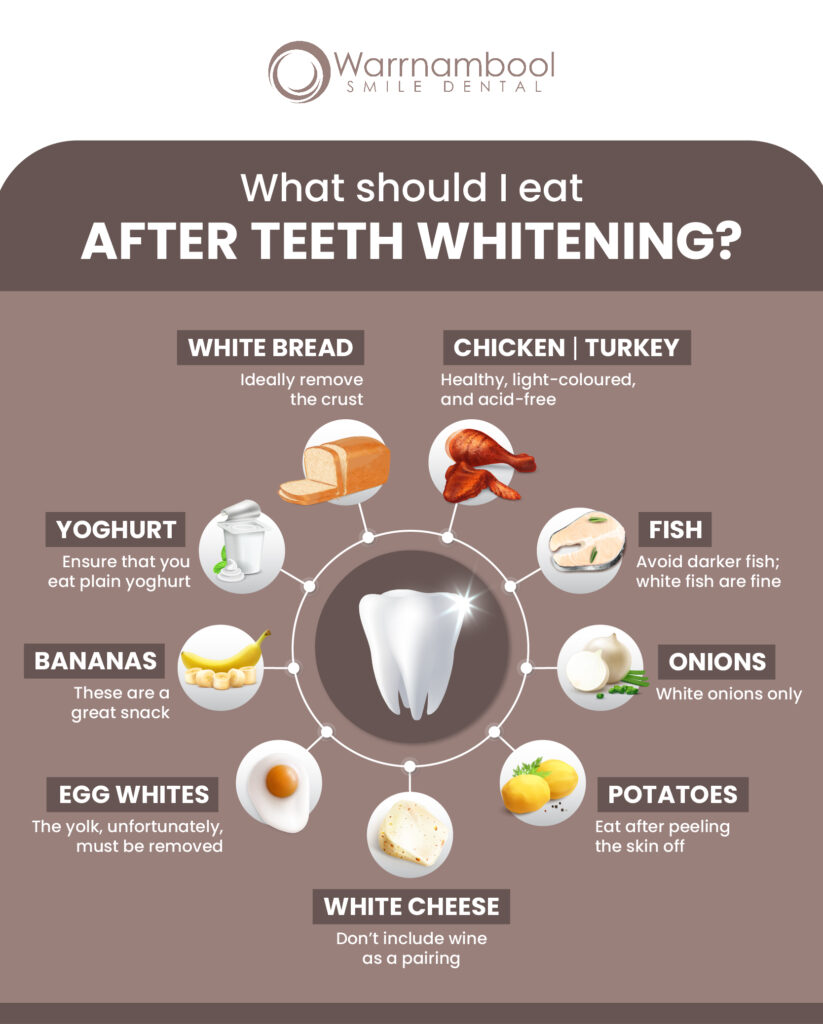
The financial return on investment (ROI) from a diet focused on oral health extends far beyond mere teeth whitening. A diet rich in teeth-friendly foods often correlates with improved general oral hygiene, significantly reducing the incidence of common and costly dental issues such as cavities, gum disease, and bad breath. Fewer cavities mean fewer fillings; healthier gums mean less likelihood of periodontitis, a condition that can lead to tooth loss and require extensive, expensive treatments. Furthermore, the foods that promote oral health—such as lean proteins, fresh fruits, vegetables, and whole grains—are also cornerstones of a balanced diet that supports overall physical health. This holistic nutritional approach can lead to a reduction in systemic health issues, translating into lower general healthcare costs over a lifetime, including fewer doctor visits, prescriptions, and hospitalizations. Thus, the financial benefits are twofold: direct savings on dental procedures and indirect savings on broader healthcare expenditures, cementing a healthy diet as a robust long-term financial strategy.
The Market for Oral Wellness: Opportunities and Financial Tools
The growing consumer awareness surrounding natural health solutions has fueled a booming market for oral wellness products, particularly those that align with the desire for a whiter smile through natural means. This segment presents both investment opportunities for businesses and avenues for online income generation for informed individuals, underscoring the financial relevance of understanding “what foods whiten teeth.” The intersection of consumer demand, scientific research, and entrepreneurial innovation creates a dynamic financial ecosystem.
Brands Capitalizing on “Whitening” Foods and Supplements
The oral care industry is a multi-billion-dollar market, with a significant segment dedicated to “whitening” solutions. Brands, from established giants to nimble startups, are increasingly capitalizing on the demand for natural and food-based teeth whitening. This includes the development and marketing of toothpastes infused with natural enzymes like papain (from papaya) or bromelain (from pineapple), mouthwashes containing essential oils known for their cleansing properties, and even dietary supplements marketed for oral health. Companies invest heavily in research and development to extract active compounds from fruits, vegetables, and other natural sources, integrating them into consumer products. Their business models often involve extensive marketing campaigns highlighting the “natural” benefits and the promise of a brighter smile without harsh chemicals. Consumers, in turn, are willing to spend on these products, viewing them as a healthier, often more sustainable, alternative to traditional chemical bleaches. Understanding the science behind “what foods whiten teeth” therefore becomes crucial for both brands seeking to innovate and consumers making financially prudent purchasing decisions within this competitive market.
Online Income and Side Hustles in Dental Nutrition
The rise of the digital economy has created lucrative opportunities for individuals to generate online income and side hustles by sharing expertise on dental nutrition and natural oral care. Dieticians, nutritionists, dental hygienists, and health coaches can leverage platforms like blogs, YouTube channels, and social media to educate audiences on foods that whiten teeth, offering dietary plans, recipes, and lifestyle advice. Monetization strategies include affiliate marketing, where content creators earn commissions by recommending dental care products or supplements. They can also create and sell their own digital products, such as e-books on natural teeth whitening, online courses on oral hygiene, or personalized nutrition coaching programs. Webinars and workshops further expand income streams, allowing them to engage directly with their audience. Financial tools supporting these ventures include e-commerce platforms (e.g., Shopify, Gumroad), payment gateways (e.g., PayPal, Stripe), and analytics tools to track audience engagement and sales performance. For those with specialized knowledge, transforming “what foods whiten teeth” into valuable, actionable content offers a genuine path to financial independence or supplementary income.
Strategic Spending for a Brighter Smile
Achieving a brighter smile through dietary choices isn’t just about knowing which foods to eat; it’s about integrating these choices into a strategic financial plan. This involves thoughtful budgeting for groceries and critical evaluation of market offerings, ensuring that aesthetic goals align with sound financial management.
Budgeting for Dental Health: Prioritizing Food Choices
Integrating “teeth-whitening” foods into a household budget doesn’t necessarily require increasing grocery expenses; it often means reprioritizing existing spending. Instead of allocating funds to sugary snacks, processed foods, and stain-inducing beverages, a strategic shopper can shift those resources towards fresh fruits, vegetables, and dairy products that simultaneously support overall health and dental aesthetics. For example, replacing a daily soda habit with water and an apple not only eliminates a source of staining and acidity but also leverages the apple’s natural scrubbing action at no additional cost. Creating a grocery list with an emphasis on these beneficial items—such as choosing carrots over chips, or opting for plain yogurt instead of a sugary dessert—can be a fiscally responsible way to invest in oral health. Regular meal planning around these core food groups ensures consistent benefits and helps avoid impulsive purchases of less healthy, more costly, and potentially detrimental items. This disciplined approach to budgeting makes achieving a brighter smile an affordable, ongoing process.

Avoiding Financial Pitfalls: Questionable Products and Treatments
In the quest for a whiter smile, consumers are often bombarded with marketing for a plethora of products and treatments, some of which are ineffective, overpriced, or even potentially harmful. Financially savvy individuals must exercise caution and conduct due diligence to avoid costly pitfalls. “Miracle” whitening solutions advertised on social media, unverified home remedies promising instant results, or overpriced supplements with dubious claims can lead to wasted money and, in some cases, irreversible dental damage. For instance, excessively acidic “natural” treatments can erode enamel, leading to sensitivity and further staining, necessitating expensive restorative work. It is crucial to consult with dental professionals, even when considering natural or food-based methods, to ensure they are safe and appropriate for individual oral health needs. Understanding the science behind “what foods whiten teeth” from reliable sources empowers consumers to make informed purchasing decisions, distinguishing between genuinely beneficial products and those that are merely capitalizing on the desire for quick fixes. Prioritizing evidence-based approaches over marketing hype is key to a financially responsible and ultimately successful journey to a brighter smile.
aViewFromTheCave is a participant in the Amazon Services LLC Associates Program, an affiliate advertising program designed to provide a means for sites to earn advertising fees by advertising and linking to Amazon.com. Amazon, the Amazon logo, AmazonSupply, and the AmazonSupply logo are trademarks of Amazon.com, Inc. or its affiliates. As an Amazon Associate we earn affiliate commissions from qualifying purchases.