
The Culinary Identity of a State: Beyond Just Ingredients
Every state possesses a unique cultural tapestry, woven from history, geography, and the collective experiences of its people. A significant, often understated, thread in this fabric is its culinary identity – a distinct “food brand” that resonates with residents and entices visitors. For Ohio, a state situated at the crossroads of America, its food fame isn’t merely about the ingredients grown within its borders, but how these elements are transformed into iconic dishes that define its regional brand. This culinary brand speaks volumes about local traditions, entrepreneurial spirit, and a deep-seated sense of community. Understanding what foods Ohio is famous for is akin to understanding key pillars of its broader brand strategy, a strategy often built organically over decades, sometimes centuries.
Defining a Regional Food Brand
A regional food brand is more than a list of popular dishes; it’s an intricate narrative that conveys a sense of place, heritage, and authenticity. For Ohio, this brand is multifaceted, reflecting its diverse population centers and historical influences. Whether it’s the German heritage visible in many meat and pastry traditions, the industrial backbone that shaped its comfort food, or the agricultural bounty providing fresh produce, each contributes to a distinct culinary fingerprint. This fingerprint, when properly articulated and consistently experienced, becomes a powerful branding asset. It defines not just what people eat, but how they perceive and connect with the state itself. When a food item becomes synonymous with a locale, it creates an immediate brand association, a shortcut in the consumer’s mind that evokes specific flavors, experiences, and cultural touchstones. This is invaluable for tourism, local pride, and economic development, solidifying a state’s unique position in the national consciousness.
Iconic Ohio Foods as Branding Assets
Ohio’s most celebrated foods function as potent branding assets, each telling a story and projecting a specific image of the state. These aren’t just meals; they are cultural touchstones that have been carefully cultivated, often unintentionally, into powerful symbols.
Cincinnati Chili: A Brand Icon
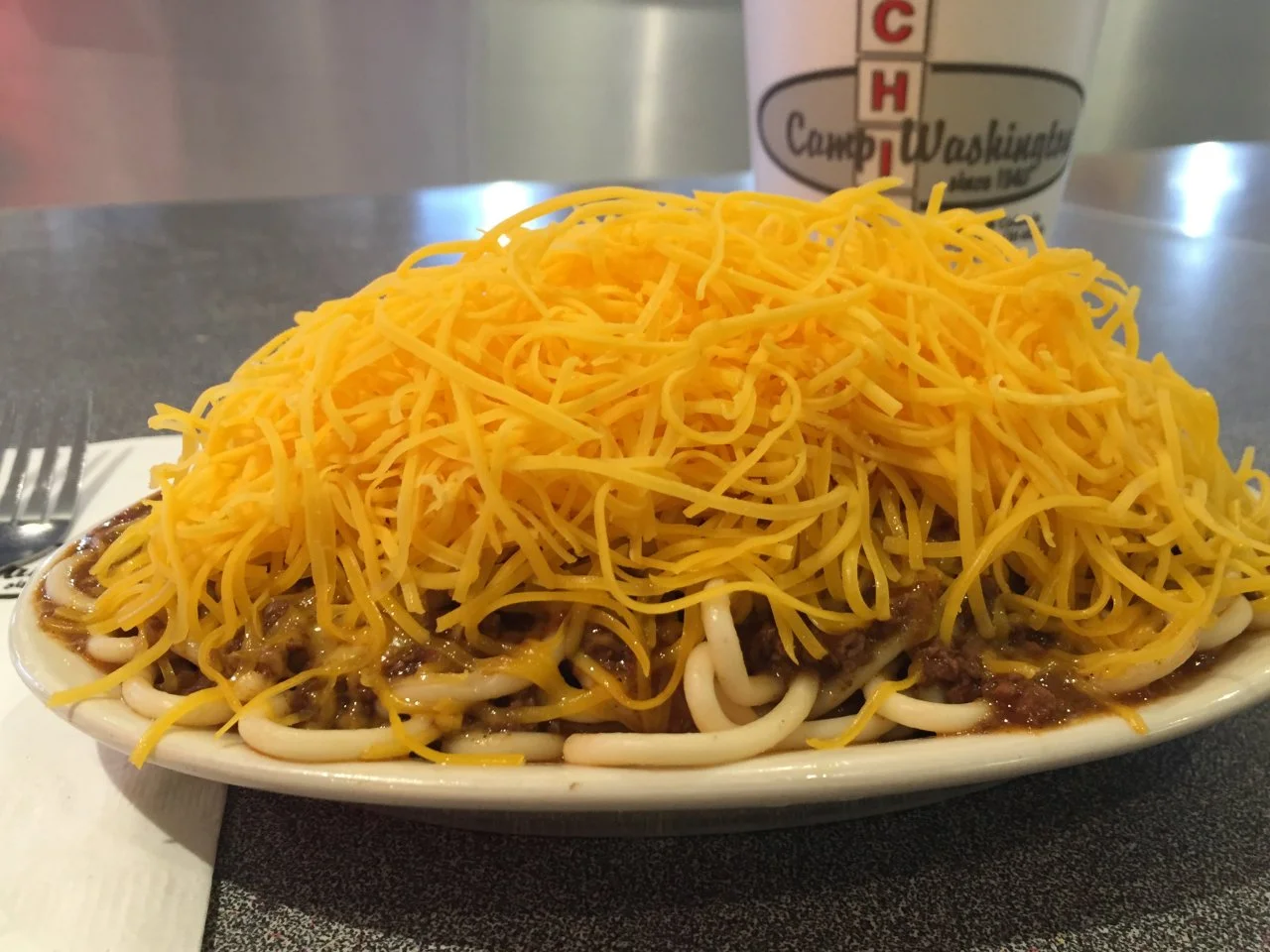
Perhaps no food item is as fiercely debated, yet universally recognized, as Cincinnati Chili. It’s not chili con carne as many outside the state know it; rather, it’s a Mediterranean-spiced meat sauce, served over spaghetti with various toppings (cheese, onions, beans) to create the famous “3-way,” “4-way,” or “5-way.” This unique serving style, combined with its distinct flavor profile, has made Cincinnati Chili an undeniable brand icon for the state, particularly for its southern region.
Brands like Skyline Chili and Gold Star Chili have perfected the art of marketing this regional specialty. They are not just restaurant chains; they are cultural institutions. Their consistent branding, from the distinct serving methods to the iconic blue and red logos, has cemented Cincinnati Chili’s place in the minds of Ohioans and intrigued visitors. These companies have successfully packaged a regional taste into a scalable business model, demonstrating how a unique food product can become a powerful corporate identity and a cornerstone of a city’s and state’s culinary brand. Their marketing strategies often lean into the “love it or hate it” nature of the dish, creating intrigue and conversation, which is a powerful form of organic brand promotion.
Buckeyes: Sweet Symbolism and Marketing Power
Simple yet profoundly symbolic, Buckeyes are a beloved Ohio confection. These peanut butter fudge balls dipped in chocolate, leaving a small circle of peanut butter exposed, perfectly mimic the appearance of the buckeye nut, the state tree’s seed. This direct visual link to Ohio’s official symbol imbues the candy with an unparalleled sense of place and state pride.
Buckeyes are more than just a sweet treat; they are a powerful marketing tool for Ohio. Often associated with Ohio State University (the “Buckeyes”), they represent a potent combination of academic pride, athletic spirit, and regional identity. Local bakeries, candy shops, and even major grocery chains leverage the Buckeye brand, selling these candies year-round, particularly during football season. They are frequently given as gifts, served at events, and featured in tourism campaigns, showcasing how a simple, visually recognizable food item can become an effective emblem, unifying a state’s brand message across diverse platforms. The ease of replication combined with its strong cultural ties makes it a highly effective, low-cost branding asset.
Polish Boys: Cleveland’s Signature Sandwich
Moving north to Cleveland, the “Polish Boy” stands out as a gritty, authentic street food staple that contributes significantly to the city’s unique culinary brand. This hearty sandwich typically features a grilled kielbasa sausage nestled in a bun, generously topped with a layer of french fries, a dollop of coleslaw, and a slathering of barbecue sauce.
The Polish Boy embodies Cleveland’s working-class heritage and diverse ethnic influences. Its origin story, rooted in local diners and barbecue joints, speaks to an organic brand development – a dish created by the community, for the community, that eventually gained widespread recognition. Establishments like Seti’s Polish Boys or Hot Dog Wally’s have built their entire brand identity around this one iconic sandwich, demonstrating the power of specialization in carving out a niche. The Polish Boy doesn’t just offer a meal; it offers an authentic Cleveland experience, appealing to those seeking local flavor and a genuine connection to the city’s character. It’s a testament to how local, unpretentious food can become a hallmark of a city’s brand, celebrated for its authenticity and distinctiveness.
Akron’s Rubber City Hot Dogs and White Castle
While White Castle is a national chain today, its roots are deeply embedded in Ohio, with its first location opening in Wichita, Kansas, but its significant growth and long-standing presence in Ohio tying it to a regional brand narrative. Ohioans have a particular affinity for these small, square “sliders,” and their pervasive presence contributes to a certain casual dining brand identity.
Akron, known as the “Rubber City,” has its own hot dog culture, exemplified by the iconic Swensons Galley Boy. This double cheeseburger (not strictly a hot dog, but indicative of the region’s comfort food branding) with two distinct sauces, served from a drive-in carhop model, has cultivated a cult following and a strong local brand. These establishments, whether serving traditional hot dogs or unique burgers, build their micro-brands on nostalgia, consistent quality, and a unique service experience. They demonstrate how local culinary institutions, even with seemingly simple offerings, can develop robust brand loyalty and become embedded in the community’s collective identity, contributing to a broader state-level brand that values comfort, tradition, and community gathering.
Leveraging Local Flavors for Economic and Tourism Branding
Ohio’s culinary distinctions are not merely points of pride; they are strategic assets in the state’s economic and tourism branding efforts. By showcasing its unique food culture, Ohio strengthens its appeal as a destination and fosters a vibrant local economy.
Culinary Tourism and State Branding
The deliberate promotion of Ohio’s distinct food items is a potent strategy for attracting tourists. Food festivals celebrating everything from pierogies in Parma to tomatoes in Reynoldsburg, or craft beer in Columbus, serve as vital platforms for showcasing regional flavors. These events don’t just offer entertainment; they are immersive brand experiences that invite visitors to taste, learn, and connect with Ohio’s culture. Wineries in the Lake Erie region, apple orchards throughout the state, and vibrant farmers’ markets across urban and rural landscapes all play a role in this. Each offers a tangible encounter with Ohio’s agricultural bounty and culinary craftsmanship, reinforcing a positive image of the state as a destination rich in authentic experiences. By emphasizing the narrative behind the food – its origins, its preparation, and its cultural significance – Ohio creates a compelling brand story that resonates deeply with travelers seeking genuine local encounters.
Supporting Local Businesses and Crafting Authenticity
The local food movement is a powerful driver for reinforcing Ohio’s culinary brand. Small businesses, from artisan bakeries and craft breweries to family-owned restaurants, often build their entire brand identity around these traditional foods and local ingredients. Their commitment to authenticity, often passed down through generations, ensures the quality and integrity of Ohio’s food brand. The “buy local” ethos strengthens these enterprises, allowing them to thrive and continue producing the unique flavors that define the state. When consumers choose a locally made buckeye candy or dine at a classic Cincinnati chili parlor, they are not just purchasing a product; they are investing in the local economy and affirming the cultural narrative of Ohio. This symbiotic relationship between local producers and appreciative consumers is critical for maintaining the authenticity and enduring appeal of the state’s food brand.
Challenges and Opportunities in Branding Ohio’s Cuisine
While Ohio has established a strong foundation for its food brand, continuous strategic efforts are required to maintain relevance and capitalize on new opportunities.
Maintaining Authenticity vs. Innovation
One of the perpetual challenges in culinary branding is striking the right balance between preserving authenticity and embracing innovation. While the classic recipes for Cincinnati Chili or Buckeyes are core to Ohio’s brand, there’s also an opportunity for chefs and food entrepreneurs to reinterpret these traditions, introducing modern twists or new presentations. Brands must carefully navigate this, ensuring that any innovation enhances rather than dilutes the established brand identity. The origin stories and heritage behind these foods are invaluable brand assets, providing a narrative depth that appeals to consumers. Communicating these stories effectively, whether through packaging, marketing, or restaurant ambiance, is crucial for maintaining the emotional connection that underpins a strong food brand.

Marketing Ohio’s Diverse Palate
Beyond its well-known staples, Ohio boasts a diverse culinary landscape that offers further branding opportunities. The state’s burgeoning craft beer and distillery scene, its significant Amish country produce and baked goods, and its growing farm-to-table movement represent segments ripe for strategic branding. Identifying and promoting these emerging trends, alongside its established icons, can enrich Ohio’s overall food brand, showcasing its versatility and dynamism. The role of food media, local culinary influencers, and digital marketing is paramount in amplifying these diverse offerings. By strategically curating and promoting a broader range of its gastronomic assets, Ohio can cultivate a more comprehensive and compelling food brand that appeals to an even wider audience, cementing its reputation as a vibrant and delicious destination.
aViewFromTheCave is a participant in the Amazon Services LLC Associates Program, an affiliate advertising program designed to provide a means for sites to earn advertising fees by advertising and linking to Amazon.com. Amazon, the Amazon logo, AmazonSupply, and the AmazonSupply logo are trademarks of Amazon.com, Inc. or its affiliates. As an Amazon Associate we earn affiliate commissions from qualifying purchases.