
The traditional demarcation between fast food restaurants serving full meals and establishments dedicated solely to snacks has become increasingly blurred. In a dynamic consumer landscape driven by convenience, variety, and evolving eating habits, many leading fast food brands are strategically repositioning their offerings to capture a larger share of the “snack occasion” market. This isn’t merely about adding a few smaller items to a menu; it’s a fundamental shift in brand identity, marketing focus, and operational strategy to embrace versatility and meet consumers where their cravings lie, throughout the entire day.

The Evolving Landscape of Fast Food Branding
Historically, fast food establishments built their brands around core meal offerings: the burger and fries, the fried chicken bucket, the classic taco. However, modern consumer behavior points towards more frequent, smaller eating occasions rather than three rigid meals a day. This “snackification” trend, driven by busy lifestyles, a desire for instant gratification, and the cultural influence of grazing, has compelled fast food brands to rethink their foundational identity.
The lines between a “meal” and a “snack” are no longer clear-cut. A mini-sandwich, a small bowl, or even a specialized coffee drink can serve as a fulfilling snack for one person and a light meal for another. This ambiguity presents both a challenge and a significant opportunity for brand strategists. For fast food companies, embracing a snack-centric identity allows them to expand their relevance beyond traditional meal times, tapping into mid-morning, afternoon, and late-night demand. It’s about being present for those spontaneous cravings and quick energy boosts, transforming their brand perception from merely a meal provider to an all-day convenience hub.
Strategic Brand Repositioning: From Meals to Moments
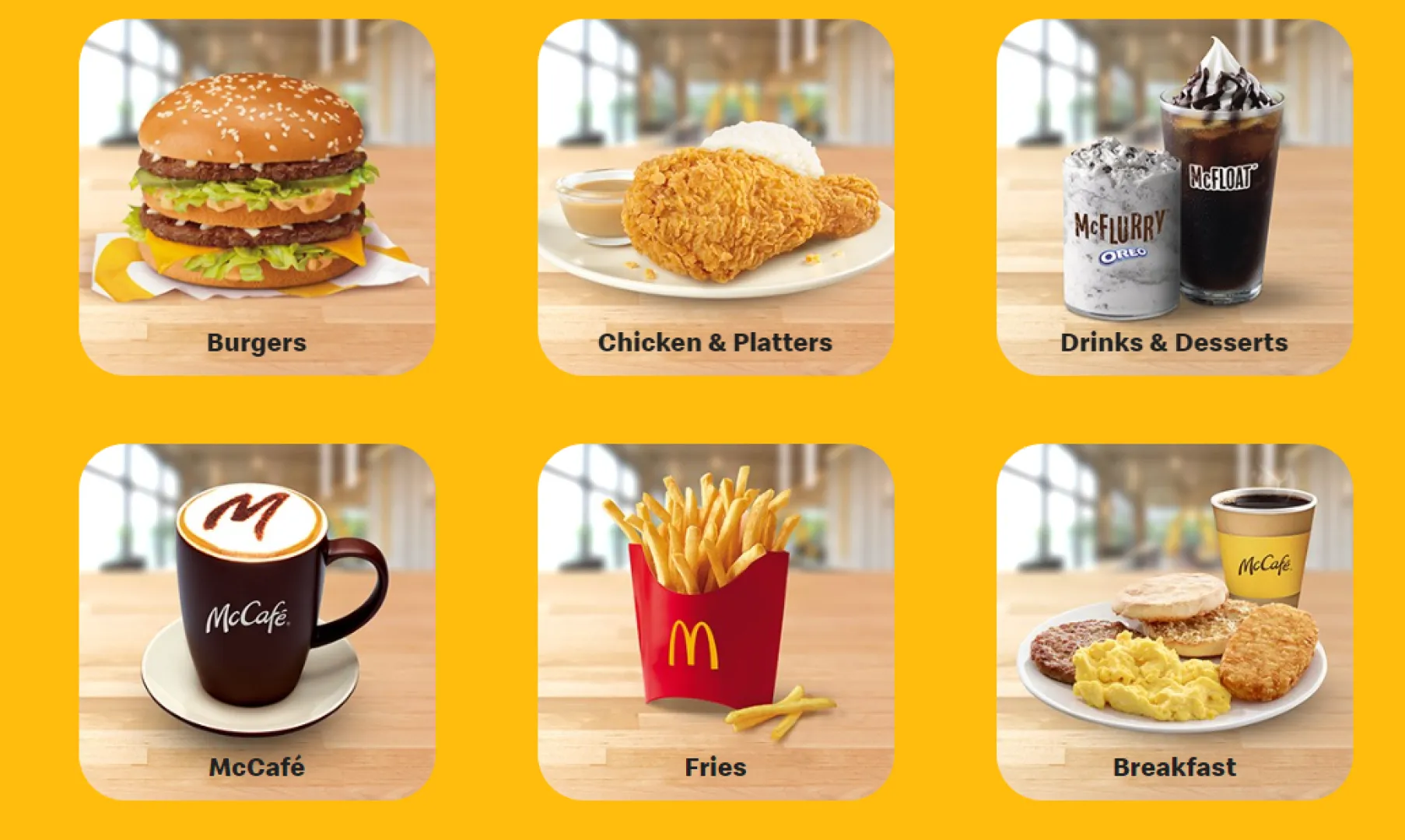
The shift to embracing snack moments requires deliberate brand repositioning. This involves more than just menu adjustments; it encompasses a holistic recalibration of a brand’s core messaging, advertising, store design, and even customer service approach. Brands like McDonald’s, traditionally synonymous with breakfast, lunch, and dinner, have made significant strides in this area. Their McCafé initiative, with its dedicated coffee and pastry offerings, carved out a distinct snack and beverage space within their larger brand, attracting customers specifically for these moments. Similarly, Starbucks, while primarily a coffee brand, has systematically expanded its food offerings, including sandwiches, wraps, and snack boxes, positioning itself not just for a morning caffeine fix but also for light meals and convenient snacks throughout the day. Taco Bell has masterfully leveraged its unique product offerings and late-night availability to become a go-to for “fourth meal” cravings and quick, indulgent snacks, cultivating a brand image that thrives on unconventional eating times. This strategic pivot allows these brands to expand their customer base, increase visit frequency, and ultimately grow their market share by capturing a broader spectrum of eating occasions.
Identifying Key Players in the “Snack Restaurant” Space
While nearly all fast food chains offer items that can be consumed as snacks, some have either built their foundational brand identity around snacking or have strategically evolved to emphasize this aspect significantly.
Coffee and Bakery Chains Leading the Charge
These establishments inherently lean into the snack category due to their core product offerings.
- Starbucks: While a global coffee giant, Starbucks’ success is built on offering a “third place” experience, often centered around a coffee and a pastry. Its extensive menu of baked goods, breakfast sandwiches, snack boxes, and increasingly diverse lunch options means it functions as a primary snack destination for millions. The brand’s consistent innovation in seasonal beverages also contributes to its snack-centric appeal.
- Dunkin’: Formerly Dunkin’ Donuts, the brand strategically dropped “Donuts” from its name to signal its broader appeal beyond just morning pastries. While donuts remain central, Dunkin’ has significantly expanded its coffee program, breakfast sandwiches, and grab-and-go snacks like munchkins and various wraps, firmly establishing itself as an all-day snack and beverage haven.
- Panera Bread: Often positioned as a healthier fast-casual option, Panera’s brand identity also encompasses a strong snack and light meal component. Their bakery items, including bagels, pastries, and cookies, alongside smaller soup and sandwich portions, are frequently purchased as snacks or lighter alternatives to full meals.
Dessert and Sweet Treat Specialists
These brands have always existed primarily in the snack and treat category, with their entire corporate identity revolving around indulgence.
- Dairy Queen: Synonymous with its iconic soft-serve ice cream and Blizzards, Dairy Queen’s brand is almost entirely built on being a dessert and treat destination. While it offers a limited “Grill & Chill” menu, its reputation and primary customer draw remain firmly rooted in its extensive snack and dessert offerings.
- Baskin-Robbins: As a dedicated ice cream chain, Baskin-Robbins exemplifies a pure snack restaurant. Its wide array of flavors, sundaes, and milkshakes cater exclusively to the treat and indulgence market, solidifying its brand as a dessert-first establishment.
- Crumbl Cookies / Insomnia Cookies: These newer, specialized chains have seen rapid growth by hyper-focusing on a single, indulgent snack: gourmet cookies, often served warm and delivered late into the night. Their entire brand strategy is built around convenience and the specific craving for a sweet treat.
Fast Food Giants Embracing Snackification
Even brands renowned for their full meals have aggressively adapted their brand strategy to include and promote snack occasions.
- McDonald’s: Beyond McCafé, McDonald’s fries are arguably the most iconic snack in fast food. Their Happy Meals, while designed for children, can also be seen as a mini-meal or snack option. The brand frequently offers snack-sized versions of popular items or new, innovative limited-time snack offerings to keep their menu dynamic and appealing throughout the day.
- Taco Bell: Taco Bell’s menu structure, often featuring smaller, customizable items at attractive price points, positions much of its offering as ideal for snacking or “fourth meals.” Items like the Doritos Locos Tacos, Crunchwraps, and various cheesy roll-ups are frequently consumed as add-ons, late-night indulgences, or quick bites rather than traditional, heavy meals. Their marketing often plays into this “live más”, spontaneous consumption ethos.
- Wendy’s: The Frosty and fries combo has long served as a classic snack pairing. Wendy’s frequently introduces smaller, customizable items and promotions that cater to snack occasions, diversifying their appeal beyond just their square patties.
- Burger King: Offerings like their Chicken Fries stand out as a prime example of a fast-food giant creating a distinct, highly marketable snack item that can be consumed on its own or as an accompaniment.
- KFC: While famous for its chicken buckets, KFC also offers snack-sized options like popcorn chicken, Famous Bowls (which can serve as a quick, compact meal or substantial snack), and various smaller sides, catering to those looking for a quick fried chicken fix without committing to a full meal.
The Brand Benefits of a Snack-Centric Identity
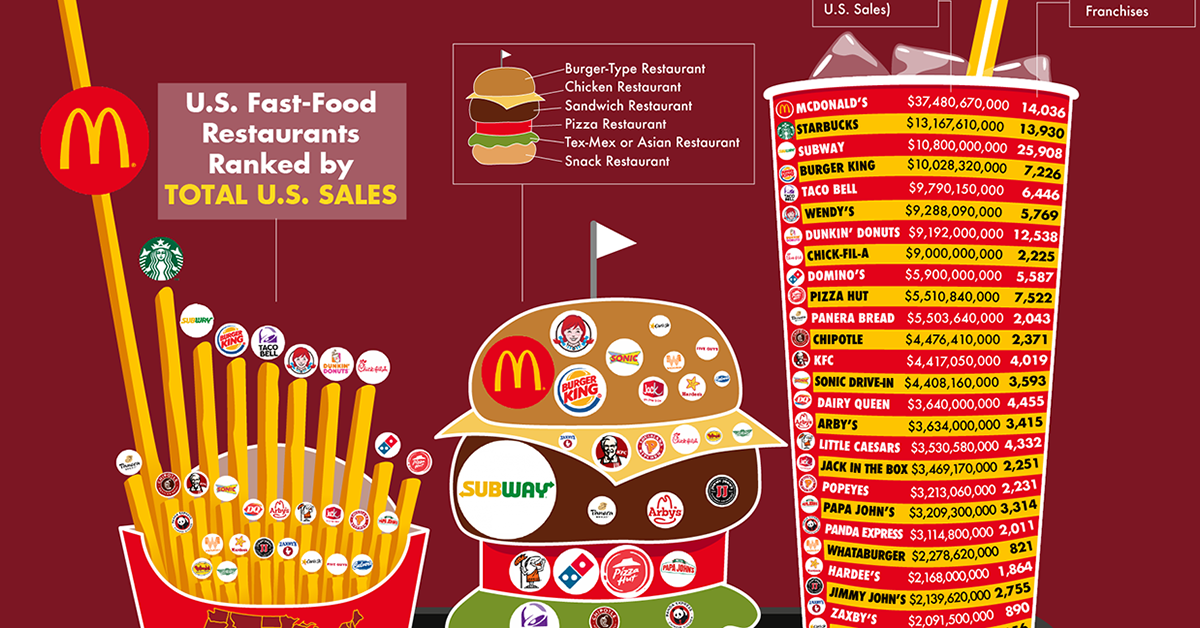
Embracing a snack-centric brand identity offers a multitude of strategic advantages for fast food operators, primarily revolving around expanding market reach and deepening customer engagement.
Expanding Customer Occasions
By positioning themselves as snack destinations, brands can tap into a wider range of consumption occasions beyond the traditional breakfast, lunch, and dinner dayparts. This includes mid-morning coffee breaks, afternoon slump pick-me-ups, post-school treats, and late-night cravings. This diversification allows brands to capture incremental revenue throughout the day, significantly increasing their total addressable market. Furthermore, smaller, lower-priced snack items often lead to impulse purchases, driving unplanned visits and boosting overall transaction volume.
Enhancing Brand Perception and Relevance
A brand that offers a versatile menu, catering to both meals and snacks, is often perceived as more modern, agile, and responsive to consumer needs. This flexibility makes the brand more relevant to a broader demographic, particularly younger consumers who are accustomed to grazing and personalized eating experiences. By continuously innovating with snack offerings, brands can maintain a fresh and exciting image, preventing stagnation and fostering a sense of discovery and novelty among their customer base.
Driving Loyalty Through Frequency
Snack purchases tend to be more frequent and often less of a considered decision than full meals. When a fast food restaurant successfully positions itself as a reliable source for quick, satisfying snacks, it encourages more frequent visits. This increased frequency can cultivate stronger brand loyalty, turning the restaurant into a habitual stop rather than an occasional indulgence. The lower price point of many snack items also lowers the barrier to entry, making it easier for consumers to justify repeat visits, ultimately strengthening their connection to the brand.
Marketing and Design Strategies for Snack-Focused Brands
The successful adoption of a snack-centric brand identity requires tailored marketing and design strategies that highlight convenience, variety, and the specific consumption moments.
Menu Innovation and Design
For brands aiming to dominate the snack market, menu innovation is paramount. This includes developing smaller portion sizes of existing popular items, creating entirely new snack-specific offerings (like mini-tacos or specialized fries), and crafting appealing combo deals that bundle a snack with a beverage. Visual merchandising and menu board design are crucial; snack items need to be prominently displayed, perhaps in dedicated “snack zones” or with eye-catching photography that emphasizes their grab-and-go appeal. Limited-Time Offers (LTOs) are particularly effective for snacks, generating excitement and urgency for new, innovative flavors or seasonal treats.
Digital Engagement and Convenience
In the snack space, convenience is king. Brands must leverage digital channels to make ordering and receiving snacks as frictionless as possible. Robust mobile app integration, allowing for quick reorders, personalized recommendations, and easy payment, is essential. Partnerships with third-party delivery services are also critical for capturing impulse snack orders, especially during off-peak hours or for at-home indulgence. Targeted digital advertising, focused on specific times of day or consumer needs (e.g., “afternoon pick-me-up,” “late-night craving”), can effectively drive snack traffic.
Store Layout and Ambiance
The physical environment also plays a role in reinforcing a snack-friendly brand. Store layouts might incorporate quicker service lanes for coffee and snacks, comfortable seating areas for short breaks, or self-service kiosks to speed up transactions. Brands like McDonald’s, with their McCafé sections, have successfully created distinct zones within their restaurants that cater specifically to the snack and beverage consumer, offering a slightly different ambiance and service flow. Drive-thru optimization remains critical, ensuring that snack orders are delivered with the same speed and efficiency as full meals.
The Future of Fast Food: A Brand Identity Defined by Versatility
The trajectory of the fast food industry clearly indicates that the distinction between a “meal restaurant” and a “snack restaurant” will continue to dissolve. Brands that thrive will be those that embrace versatility as a core tenet of their identity, seamlessly catering to a broad spectrum of eating occasions from morning to late night. The future success of fast food lies in its ability to be agile, consumer-centric, and innovative, offering flexible options that align with modern lifestyles. Ultimately, what defines a “snack restaurant” will become less about a singular category and more about an integrated strategy that allows every fast food brand to be a go-to for quick, satisfying moments throughout the day.
aViewFromTheCave is a participant in the Amazon Services LLC Associates Program, an affiliate advertising program designed to provide a means for sites to earn advertising fees by advertising and linking to Amazon.com. Amazon, the Amazon logo, AmazonSupply, and the AmazonSupply logo are trademarks of Amazon.com, Inc. or its affiliates. As an Amazon Associate we earn affiliate commissions from qualifying purchases.