
The Netherlands, often referred to as Holland, has long been a subject of international curiosity due to its unique and often progressive drug policies. While the phrase “legal drugs” might evoke a broad sense of permissiveness, the reality is a nuanced system of toleration (known as gedoogbeleid) primarily for cannabis, alongside strict prohibitions on other substances. For individuals, investors, and businesses, understanding the financial implications of this distinct regulatory environment is crucial for navigating its opportunities and risks. This exploration delves into the economic ecosystem fostered by Dutch drug policy, examining its impact on business finance, personal income, and investment strategies.
The Dutch ‘Gedoogbeleid’: A Unique Economic Model
At the heart of Holland’s approach is the gedoogbeleid, a toleration policy that distinguishes between soft drugs (like cannabis) and hard drugs. This policy means that certain activities, though technically illegal, are not prosecuted under specific conditions. This pragmatic stance has inadvertently created a unique financial model, particularly around the cannabis trade, which generates significant economic activity despite its inherent paradoxes.
Coffee Shops and the Cannabis Economy
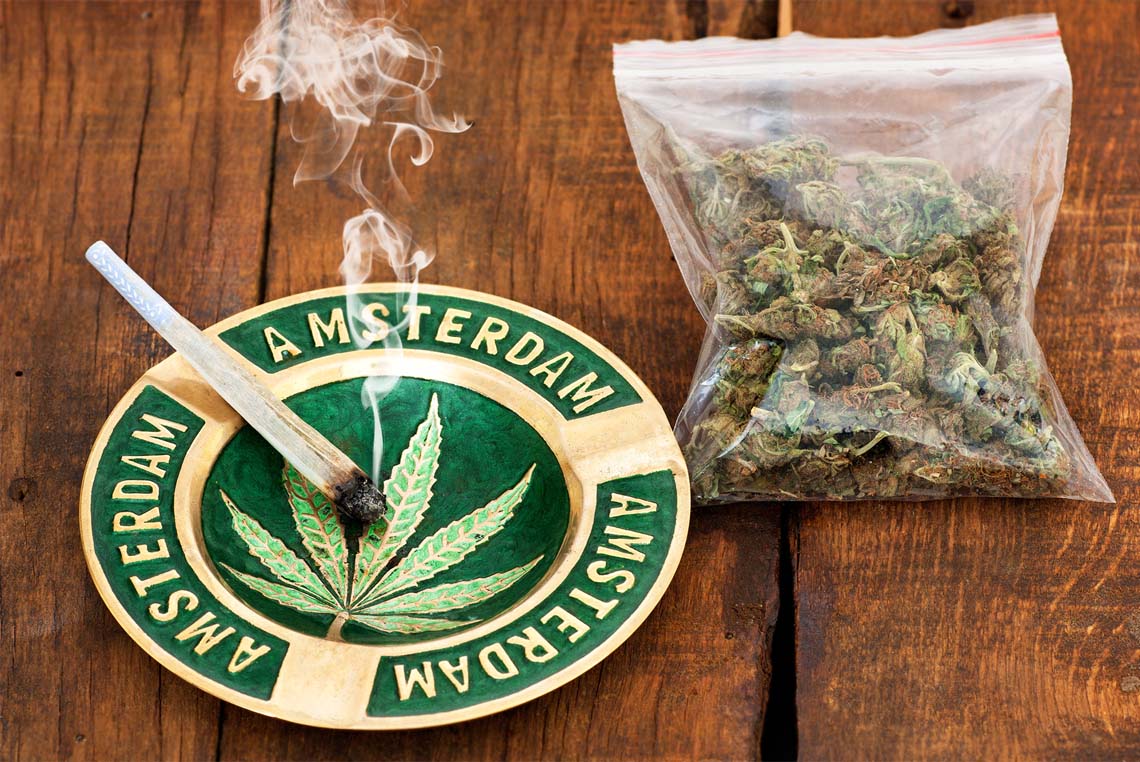
The most visible manifestation of the gedoogbeleid is the coffee shop. These establishments are permitted to sell small quantities of cannabis to adults under strict rules, including no sales to minors, no hard drugs, no advertising, no nuisance, and a limited stock of 500 grams. This model has cultivated a substantial cannabis economy. Directly, it supports thousands of jobs in retail, hospitality, and related services. Indirectly, it fuels tourism, drawing visitors specifically interested in experiencing this unique aspect of Dutch culture, thereby boosting local economies through accommodation, dining, and other recreational spending.
However, the financial complexity arises from a fundamental paradox: while the sale of cannabis is tolerated at the retail level, the cultivation and wholesale supply to coffee shops remain illegal. This “backdoor problem” creates an unregulated supply chain, often cash-intensive and challenging to integrate into conventional financial systems. Businesses operating in this grey area face higher risks, including potential seizure of assets and difficulties in accessing traditional banking services or investment capital.
Financial Oversight and Regulatory Challenges
Local municipalities play a critical role in the financial oversight of the cannabis economy. They issue permits, regulate operating hours, and enforce compliance, often collecting licensing fees that contribute to local government revenue. However, the illicit nature of the supply chain poses significant challenges for transparent financial reporting and tax collection. Many transactions within the wholesale cannabis sector remain untraceable, contributing to an informal economy that can be difficult to monitor for anti-money laundering (AML) purposes.
For traditional financial institutions, interacting with businesses involved in the tolerated cannabis trade is fraught with risk. Due to international banking regulations and varying national drug laws, banks often shy away from providing services to coffee shops, fearing reputational damage, regulatory penalties, or complicity in illicit activities. This forces many cannabis businesses to operate largely in cash, leading to security risks, difficulties in auditing, and limited access to credit or financial tools essential for growth. The lack of standardized financial infrastructure for this sector complicates business finance and investment.
Investing in the Tolerated Economy: Opportunities and Risks
The distinctive regulatory environment in Holland presents a complex landscape for investors and entrepreneurs. While opportunities exist within the tolerated drug economy, they are accompanied by significant legal and financial risks that demand careful consideration.
Business Finance for Coffee Shop Operators
Starting and running a coffee shop requires substantial capital investment. Beyond real estate or lease costs, operators must contend with inventory acquisition, staffing, security, and compliance with municipal regulations. Due to the aforementioned banking challenges, securing traditional loans from mainstream financial institutions is often impossible. This forces many entrepreneurs to rely on self-funding, private equity from high-net-worth individuals, or less conventional funding sources. Profit margins can be high due to strong demand, especially in tourist-heavy areas, but operational costs are also elevated by the security needs of cash-intensive businesses and the informal nature of the supply chain. Financial planning must account for these unique variables, including higher operational risks and limited access to conventional financial tools like credit lines or merchant services.
Ancillary Businesses and Indirect Investments
Beyond direct cannabis sales, Holland’s tolerated drug policy has fostered a vibrant ecosystem of ancillary businesses. These include companies selling cannabis paraphernalia (bongs, grinders, rolling papers), grow shops (selling equipment for legal home cultivation of non-THC plants, but often used for cannabis), specialized tourism services (e.g., cannabis-friendly tours or accommodations), and legal tech solutions designed to help coffee shops navigate complex regulations. These businesses operate on more stable financial ground as they deal with legal products or services, making them more attractive for investment.

The rise of online income opportunities is also notable. Entrepreneurs can generate revenue through affiliate marketing for cannabis-related products (legal accessories), creating educational content about Dutch policy, or developing apps that guide tourists through the coffee shop landscape. These digital ventures often face fewer financial hurdles than direct cannabis sales, as they can leverage conventional payment processors and advertising platforms.
The Evolving Landscape: Experimentation and Future Investment
The Dutch government is actively experimenting with a closed coffee shop chain initiative, where cannabis is legally grown and supplied to selected coffee shops in specific municipalities. This aims to eliminate the “backdoor problem” and bring the entire supply chain under regulation. If successful, this experiment could unlock significant investment opportunities in licensed cultivation, processing, and distribution. Such a shift would likely attract more traditional investors and financial institutions, as it would provide a clearer legal framework, reduce financial risks, and allow for transparent taxation and robust business finance practices. Companies involved in agricultural technology, supply chain management, and compliance solutions stand to benefit significantly from such a development.
Personal Finance Implications for Visitors and Residents
For individuals, whether short-term visitors or long-term residents, understanding the financial implications of Holland’s drug policies is essential for responsible budgeting, legal compliance, and identifying potential income streams.
Tourist Spending and Budgeting
Tourists visiting Holland often allocate a portion of their travel budget to experiencing the coffee shop culture. While prices for cannabis products are generally reasonable, regular consumption can add up. Visitors should also be aware of rules such as the maximum purchase limit (typically 5 grams per person per day) and the prohibition of public consumption outside designated areas to avoid fines. Budgeting for these activities, along with potential transportation and other recreational costs associated with them, is crucial. Moreover, it’s important to understand that hard drugs remain strictly illegal, and engaging with the black market carries significant legal and financial penalties, including arrests, fines, and potential travel complications.
Entrepreneurial Ventures and Side Hustles
For residents, the tolerated sector can present opportunities for side hustles or small entrepreneurial ventures. This might include specialized delivery services for legal cannabis accessories, offering guided tours focused on the cannabis culture (ensuring legality of all activities), or developing information platforms about Dutch drug policy. However, individuals must operate strictly within the legal boundaries to avoid financial penalties or legal repercussions. For example, direct involvement in the illegal supply chain of cannabis carries severe risks, including forfeiture of assets and substantial fines, which can have devastating personal finance consequences. Clarity on the legal aspects is paramount before embarking on any venture in this space.
Banking and Financial Prudence
Given the cash-heavy nature of parts of the tolerated economy, individuals engaging with this sector, especially as consumers or small business operators, need to practice financial prudence. Relying heavily on cash transactions can limit financial tracking and make budgeting more challenging. While banks in Holland are generally robust, individuals involved in businesses that touch the cannabis sector might find certain financial services restricted. It is always advisable to maintain clear records, keep personal and business finances separate, and consult financial advisors familiar with the nuances of Dutch regulations if considering any direct involvement.
Beyond Cannabis: Other Substances and Their Economic Footprint
While cannabis dominates discussions around Holland’s drug policies, other substances also exist within unique legal frameworks, each with its own economic ramifications.
The Regulated Market for ‘Smart Drugs’ and Psychedelics (Truffles)
Beyond cannabis, Holland permits the sale of ‘magic truffles’ (sclerotia containing psilocybin), which are legally distinct from ‘magic mushrooms’ (fungi) which were banned in 2008. These truffles are sold in specialized ‘smart shops’ alongside other legal psychoactive substances, herbal supplements, and self-enhancement products. This niche market contributes to tourism, particularly for those seeking psychedelic experiences, and creates a unique retail sector. Smart shops represent a distinct economic segment, operating with relatively clear legal guidelines, allowing for more transparent business finance practices and a greater likelihood of accessing mainstream financial tools compared to coffee shops. These businesses contribute to the local economy through sales, employment, and taxes.

The Black Market and its Financial Costs
It is crucial to differentiate the tolerated and regulated markets from the strictly illegal black market for hard drugs (e.g., cocaine, heroin, MDMA) and illicit cannabis cultivation. This black market has significant negative financial costs. Law enforcement agencies dedicate substantial resources to combating it, including funding for police operations, border control, and judicial processes. Furthermore, illegal drug use contributes to healthcare costs (addiction treatment, emergency services) and lost productivity, draining public finances. The existence of a robust, albeit problematic, regulated soft drug market is often argued by proponents to limit the financial power of organized crime, especially in the cannabis sector, by diverting consumers away from illicit sources. However, the “backdoor problem” for cannabis supply means that the black market still plays a role in that segment.
In conclusion, Holland’s approach to drugs creates a fascinating and complex financial landscape. From the unique business models of coffee shops and smart shops to the challenges of traditional banking and the potential for new investment in a regulated future, understanding the financial aspects of “what drugs are legal in Holland” is key for anyone looking to engage with or analyze this distinctive economic environment.
aViewFromTheCave is a participant in the Amazon Services LLC Associates Program, an affiliate advertising program designed to provide a means for sites to earn advertising fees by advertising and linking to Amazon.com. Amazon, the Amazon logo, AmazonSupply, and the AmazonSupply logo are trademarks of Amazon.com, Inc. or its affiliates. As an Amazon Associate we earn affiliate commissions from qualifying purchases.