
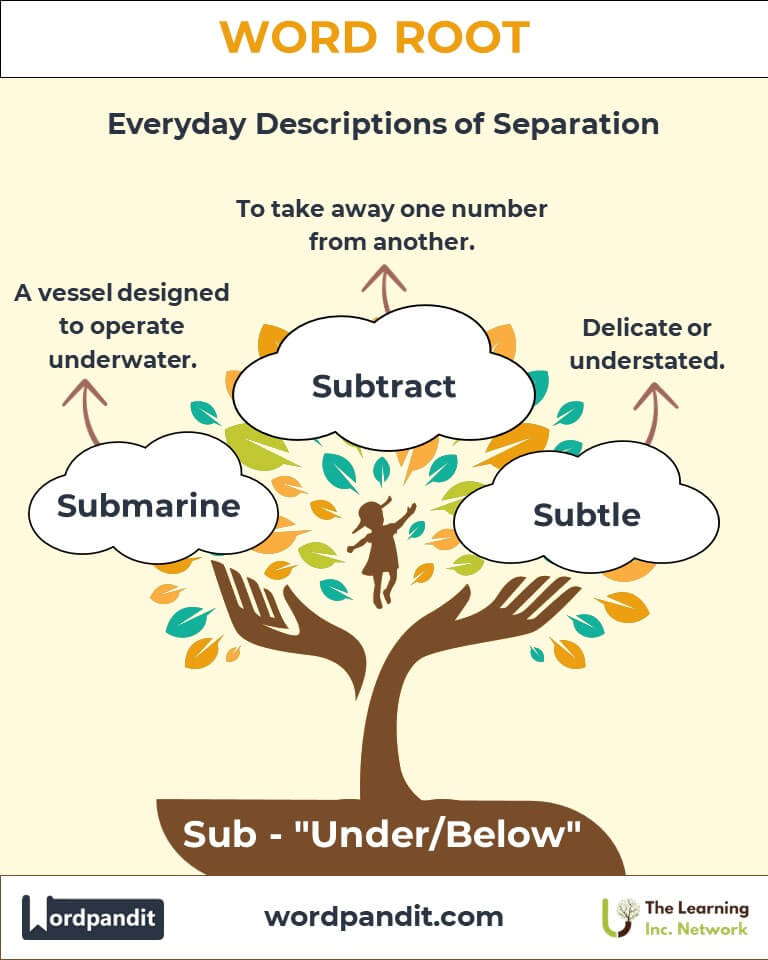
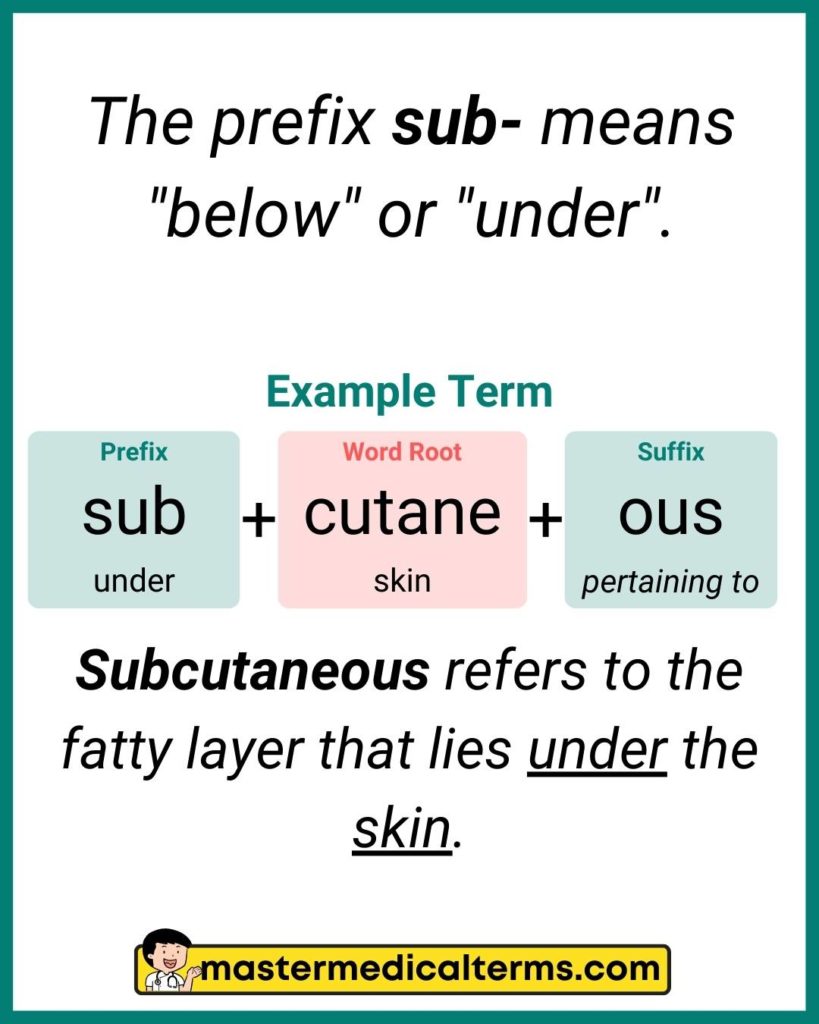
In the intricate landscape of technology, clarity and precision in nomenclature are paramount. The digital realm is built upon layers of complexity, hierarchical structures, and specialized components. Understanding the fundamental building blocks of its language, much like its code, is essential for truly grasping its architecture and functionality. Among the most pervasive and semantically rich prefixes encountered in technology is “sub-“. Derived from Latin, the root word “sub” fundamentally means “below,” “under,” “beneath,” “secondary,” or “subordinate.” In technology, this simple prefix carries immense weight, defining relationships, organizing systems, and delineating specialized functions across virtually every domain from networking to software development and user communities.
The Ubiquitous Prefix in Computing and Networks
The core meaning of “sub” — indicating a position beneath, a lesser status, or a component part of a larger whole — translates almost perfectly into the world of computing and networks. Technology thrives on modularity, hierarchy, and delegation. Systems are designed as compositions of smaller, manageable units, each serving a specific role within a grander architecture. The “sub-” prefix becomes an invaluable linguistic tool for reflecting these design principles, allowing engineers, developers, and users to intuitively understand the relationship between different elements. Its functional implications are profound, guiding the design of scalable systems, secure networks, and efficient software.
Subnets and Subdomains: Hierarchical Organization in Networks
The principle of “sub” is perhaps most clearly evident in network architecture, where it underpins concepts crucial for scalability, security, and manageability.
A subnet, short for sub-network, represents a logical division of an IP network. Instead of managing one vast, sprawling network, a larger network is segmented into smaller, more manageable parts. Each subnet can then operate more autonomously, communicating with other subnets through routers. This hierarchical organization, directly reflecting the “sub-” meaning of being “below” or “part of” a larger network, offers several critical advantages. It enhances network security by isolating traffic and limiting the scope of potential breaches. It improves network performance by reducing broadcast traffic and localizing communication. Furthermore, subnets make IP address management far more efficient, allowing administrators to allocate addresses in a structured and organized manner, preventing exhaustion and conflicts.
Similarly, subdomains apply this hierarchical principle to the Domain Name System (DNS). A subdomain is a domain that is part of a larger domain. For instance, in blog.example.com or support.example.com, “blog” and “support” are subdomains of the main domain “example.com”. These subdomains operate under the primary domain, serving distinct purposes while remaining associated with the parent. Companies frequently use subdomains to organize different sections of their website (e.g., a separate blog, an e-commerce store, a support portal), host different applications, or even target specific geographical regions. This modular approach allows for independent development, deployment, and management of these sections without affecting the main site, embodying the “secondary” or “subordinate” aspect of the “sub” prefix.
Subroutines and Subprocesses: Modular Software Design
In software engineering, the “sub” prefix is equally instrumental in defining modularity and execution flow, enabling the creation of complex applications from simpler, reusable components.
A subroutine (often simply called a function, procedure, or method in modern programming languages) is a sequence of program instructions that performs a specific task, packaged as a unit. These subroutines are designed to be called or invoked by a main program or another subroutine. The essence of “sub” here lies in its role as a “secondary” or “component” piece of logic that contributes to the larger program’s functionality. The benefits are manifold: subroutines promote code reusability (write once, use many times), improve program readability by breaking down complex tasks into smaller, understandable units, and simplify debugging by isolating potential issues to specific functions. Without the ability to create and call subroutines, software development would be an inefficient and unmanageable endeavor, akin to writing an entire novel as one continuous sentence.
A subprocess refers to a process that is created by another process, known as the parent process. In operating systems, a process is an instance of a computer program being executed. When a parent process spawns a subprocess, the subprocess runs independently, often performing a specific task that the parent process delegates. This concept is fundamental to multitasking and parallel processing. For example, a web server (parent process) might spawn multiple subprocesses to handle incoming client requests concurrently, ensuring responsiveness and scalability. The subprocess operates “under” the supervision and context of its parent, executing its designated task while the parent continues its own operations, beautifully illustrating the “subordinate” meaning of the prefix.
User Experience and Community Structure: Sub-Cultures of the Digital Age
Beyond the technical architecture, the “sub” prefix also shapes how users interact with digital platforms and how communities organize themselves online, reflecting smaller groups or access levels within larger ecosystems.
Subreddits: Niche Communities within a Giant Platform
Reddit, often dubbed “the front page of the internet,” is a prime example of how the “sub” prefix defines the very structure of user-generated content and communities. A subreddit is a specific online community and discussion forum on Reddit dedicated to a particular topic. For instance, r/technology focuses on technological news and discussions, while r/programming is for programming-related content. These subreddits operate as distinct, often self-moderated entities within the overarching Reddit platform. They embody the “sub” meaning by representing specialized communities that exist “under” or “within” the umbrella of the larger site, each with its own rules, culture, and content focus. This granular organization allows users to find and engage with highly niche interests, fostering vibrant discussions and content sharing that would be lost in a general, undifferentiated forum.
Subscriptions and Sub-Accounts: Access and Personalization
The “sub” prefix also extends into the realm of user access, service models, and personalized experiences, particularly in the context of recurring payments and shared resources.
While the etymology of subscription (from Latin subscribere “to write underneath, sign”) relates to signing one’s name to an agreement, in the modern tech context, it almost invariably implies access to a subset of services, features, or content for a recurring fee. Whether it’s a software-as-a-service (SaaS) platform, a streaming service, or an online publication, a subscription grants access to content or functionality that is “under” a paywall or a limited-access tier. Different subscription tiers often provide access to different “sub-sets” of features, reinforcing the idea of a partial or conditional access model.
Similarly, sub-accounts are a common feature in cloud services, online gaming platforms, and family plans. A sub-account is a secondary user profile or account that operates under a primary or master account. This allows for separate profiles, distinct permissions, or independent resource allocation, all managed by the main account holder. For example, a cloud administrator might create sub-accounts for different team members, each with limited access to specific resources or services within the main cloud subscription. This provides both security and organizational benefits, enabling shared access to resources while maintaining individual responsibility and control, perfectly capturing the “subordinate” or “secondary” nature of the “sub” prefix.
Security and Infrastructure: Underlying Layers of Protection and Service
The “sub” prefix also describes foundational elements that operate beneath the primary surface or application layers, often critical for the overall stability and security of technological systems.
Sub-layers and Sub-systems: Architectural Foundations
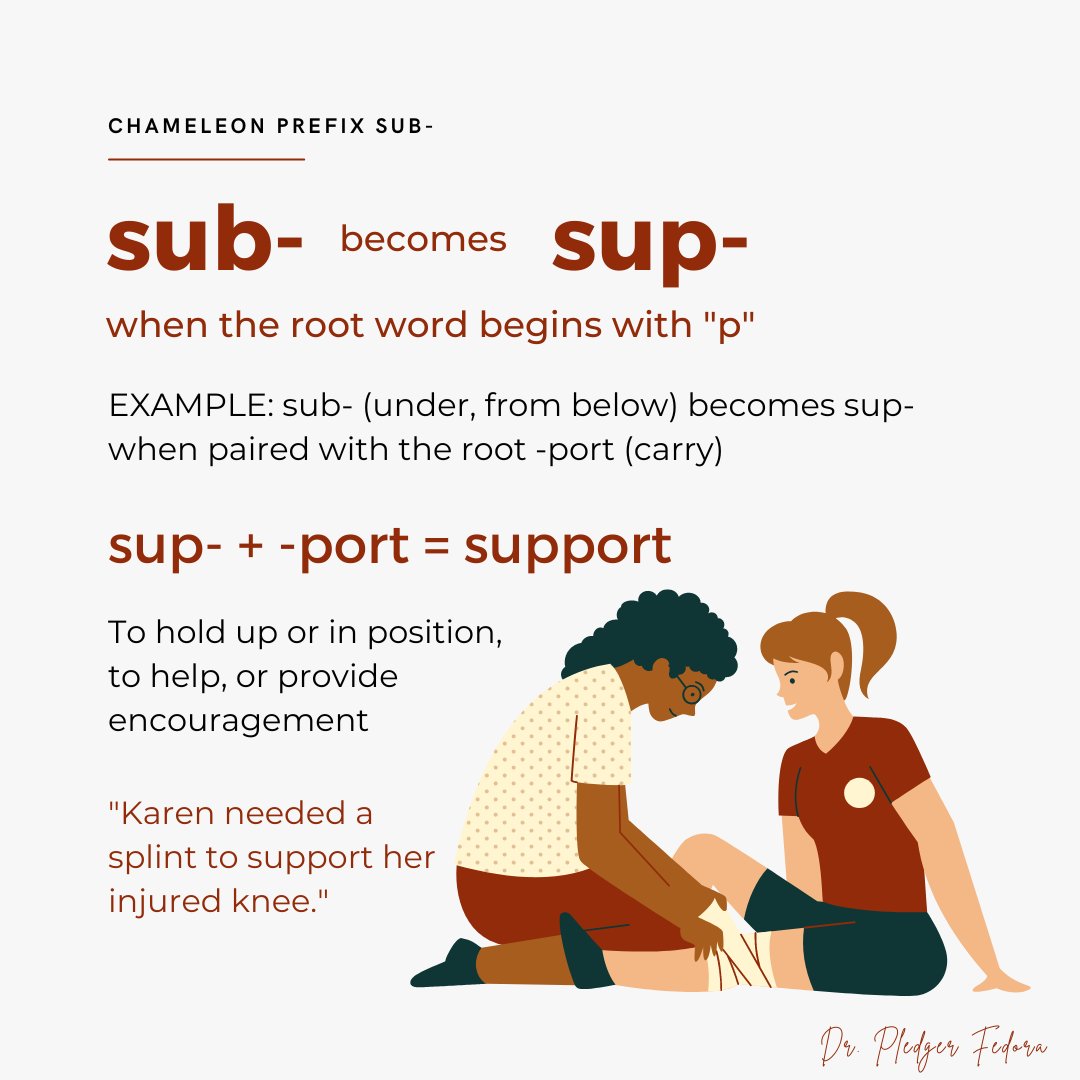
In complex technological architectures, systems are frequently broken down into distinct operational layers, some of which are described using “sub-“. A sub-layer refers to a specific, often specialized, functional division within a broader architectural layer. For instance, in network protocols like the OSI model, layers can be further subdivided into sub-layers to delineate specific functionalities or responsibilities more precisely. These sub-layers operate “below” or “within” the main layer, performing critical tasks that enable the higher-level functions. Understanding these sub-layers is vital for diagnostics, security analysis, and optimizing performance, as issues at a lower “sub” level can have ripple effects throughout the entire system.
A sub-system is a component of a larger system that typically has a well-defined interface and performs a specific function. For example, a computer might have a storage sub-system, a power management sub-system, or a graphics sub-system. These sub-systems are self-contained units that contribute to the overall functionality of the main system, often operating without direct user interaction but providing essential services “under” the hood. The integrity and performance of these “sub” components are absolutely critical; a failure in a power management sub-system, for instance, could render the entire device inoperable, even if the primary processing units are sound. This highlights how these subordinate components are indispensable to the functionality and stability of the whole.
The Semantic Power of ‘Sub-‘ in Innovation and Nomenclature
The consistent and widespread application of the “sub-” prefix throughout technology is not merely a linguistic accident; it reflects a deliberate and insightful approach to nomenclature that mirrors the very principles of system design. It conveys hierarchy, dependency, specialization, and modularity in a concise and universally understood manner.
Understanding “sub-” is more than just knowing a dictionary definition; it’s a key to unlocking a deeper comprehension of how technological systems are conceived, built, and organized. From breaking down vast networks into manageable subnets to segmenting user communities into specialized subreddits, the prefix consistently signifies a part of a greater whole, a subordinate element, or an underlying layer. Its semantic power allows for the creation of an intuitive language that helps professionals and users alike navigate the intricate, layered realities of the digital world. As technology continues to evolve, pushing the boundaries of complexity, the humble “sub-” prefix will undoubtedly remain a cornerstone of its descriptive language, guiding our understanding of its ever-expanding universe.
aViewFromTheCave is a participant in the Amazon Services LLC Associates Program, an affiliate advertising program designed to provide a means for sites to earn advertising fees by advertising and linking to Amazon.com. Amazon, the Amazon logo, AmazonSupply, and the AmazonSupply logo are trademarks of Amazon.com, Inc. or its affiliates. As an Amazon Associate we earn affiliate commissions from qualifying purchases.