
In the epic saga of Lord of the Rings, J.R.R. Tolkien introduces us to a seemingly simple gold band that quickly reveals itself as the most potent artifact in Middle-earth: the One Ring. While often analyzed through lenses of power, corruption, and moral choice, a deeper, less conventional examination reveals the Ring as a masterclass in sinister branding, corporate identity, and insidious marketing. It is not merely an item of magical power, but a meticulously crafted symbol designed for ultimate influence, control, and market dominance – a dark mirror reflecting the principles, and perversions, of brand strategy.

Sauron, the Dark Lord, engineered the Ring not just as a weapon, but as a central pillar of his empire’s identity, a tangible manifestation of his strategic goals. From its singular design to its overarching purpose, the Ring embodies a brand’s promise, its allure, and its devastating potential for market capture. Understanding what the Ring represents through this lens offers profound insights into the psychology of influence, the construction of pervasive identities, and the ultimate fragility of even the most powerful brands built on coercion.
The Ultimate Brand Promise: Power and Control
At the core of any successful brand lies a compelling promise. For the One Ring, this promise is absolute power and control, meticulously crafted to appeal to the deepest desires of its target audience: those susceptible to ambition, dominance, and the desire to shape their world. Sauron understood that true market saturation wasn’t just about force; it was about appealing to an innate yearning for influence.
The Allure of Absolute Influence: Sauron’s Marketing Prowess
Sauron’s initial marketing strategy for the Rings of Power was brilliant in its deception. By assisting the Elves in crafting their rings, he positioned himself as a benevolent partner, a master craftsman contributing to the betterment of Middle-earth. This Trojan horse approach allowed him to introduce a foundational technology, much like a tech giant offering a seemingly indispensable platform. The One Ring, crafted in secret, was the ultimate “upgrade,” a hidden master key designed to commandeer all other systems. Its marketing wasn’t through advertising but through demonstration and intrinsic appeal: wearing it granted immense power, albeit with a devastating hidden cost. This resonates with brands that promise transformative benefits, often obscuring the negative externalities or dependencies they create. The Ring offered invisibility, prolonged life, and heightened senses – immediate, tangible benefits that hooked users instantly. This instant gratification is a powerful marketing tool, overriding rational assessment.
Customer Loyalty: A Fatal Attraction
Once a user picked up the Ring, its “customer loyalty program” kicked in with terrifying efficacy. The Ring bonded with its wearer, subtly twisting their perceptions, reinforcing their desires, and making separation an agonizing prospect. This isn’t just loyalty; it’s addiction, a dark parody of brands that create such a compelling user experience that switching costs become unbearable. The Ring made its users feel more powerful, more alive, more themselves, even as it eroded their true identity. It infiltrated their thoughts, whispering promises and anxieties, constantly reinforcing its necessity. This level of psychological penetration is the dream of every brand marketer – to become indispensable, to shape consumer behavior at a subconscious level. The Ring achieved this by offering a direct, personal pathway to perceived greatness, transforming its user into an unwitting brand ambassador for Sauron’s ultimate vision.
Corporate Identity in Mordor: The Eye and the Ring
Every powerful entity, whether a kingdom or a corporation, requires a cohesive identity. Sauron’s empire in Mordor was defined by a ruthless, singular corporate identity, with the One Ring and the Eye as its intertwined primary symbols. This identity was about absolute dominion, visible and felt across all territories.
Visual & Symbolic Consistency: A Mark of Dominion
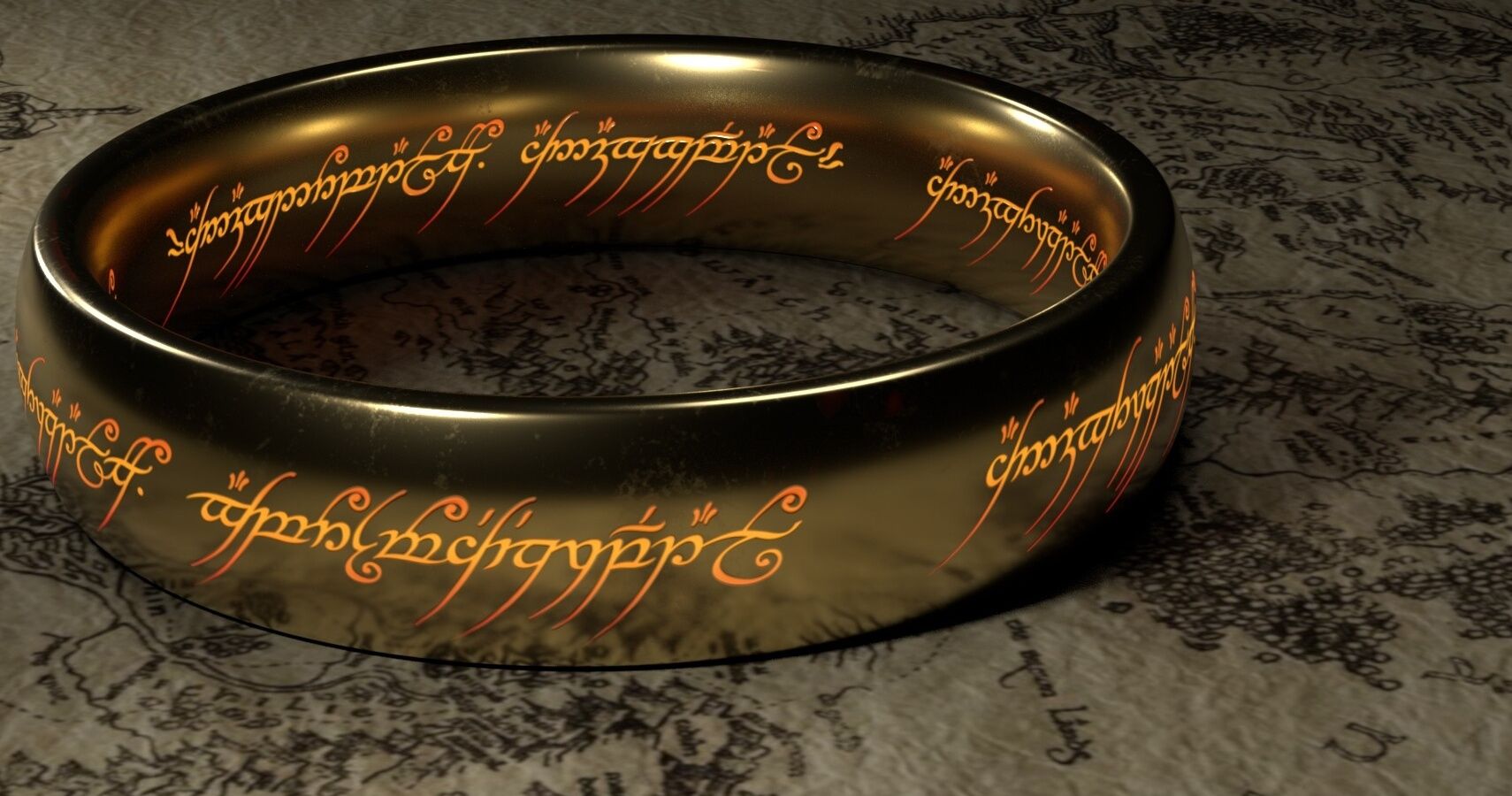
The Ring itself, though outwardly plain, possessed a potent symbolic weight. Its inscription, “One Ring to rule them all, One Ring to find them, One Ring to bring them all and in the darkness bind them,” is a terrifyingly effective brand motto. It succinctly articulates the brand’s purpose, its value proposition, and its ultimate goal. This slogan isn’t just text; it’s a declaration of market strategy, a mission statement etched into the very core of its being. Coupled with the iconic Eye of Sauron, perpetually watchful from the Dark Tower, the brand identity became omnipresent. The Eye represents the corporate headquarters, the central command, while the Ring is the distributed product, the mobile presence, the means by which the corporate will is enforced and experienced. Together, they formed an unmistakable, fear-inducing corporate identity, signaling absolute control and relentless pursuit of market share. This consistency across symbols, messaging, and operational presence ensured that Sauron’s brand was instantly recognizable and deeply impactful.
The Narrative of Domination: Storytelling and Lore

The strength of any brand is often amplified by its narrative. Sauron’s brand wasn’t just about a powerful item; it was built upon a meticulously crafted narrative of ultimate victory, an inevitable future where his will would prevail. The lore surrounding the Ring – its origins, its capabilities, and its connection to the Dark Lord – created a formidable brand story. This narrative wasn’t just for his followers; it was also a tool for psychological warfare against his enemies, sowing despair and demonstrating the futility of resistance. The very whisper of the Ring’s name carried the weight of this narrative, evoking images of ruin and subjugation. This is akin to powerful brands that build mythologies around their origins, their founders, or their innovative breakthroughs, using storytelling to create emotional resonance and establish perceived dominance. Sauron’s narrative aimed to make his brand not just powerful, but inevitable, cultivating a sense of preordained market leadership.
Brand Erosion and Resistance: The Fragility of Power
No brand, however dominant, is invulnerable. Even Sauron’s meticulously crafted empire and the insidious brand of the Ring faced challenges, illustrating that even absolute power can be eroded by negative user experience and ethical counter-branding.
User Experience and Negative Feedback: The Burden of Ownership
While the Ring offered immense power, its user experience was ultimately corrupting and destructive. It bestowed power, but at the cost of identity, morality, and eventually, sanity. From Gollum’s wretched existence to Boromir’s fatal temptation, the Ring’s long-term user feedback was overwhelmingly negative. Wearers became enslaved, tormented, and ultimately diminished. This is a critical lesson for brands: a compelling initial promise can only carry a faulty product so far. If the long-term user experience is detrimental, even the most addictive brand will eventually face rejection or destruction. The “cost” of the Ring’s benefits outweighed its perceived value, leading to its eventual downfall. The ultimate negative feedback was its destruction, an act driven by the unbearable burden it imposed, even on its most loyal “customers” like Gollum.
Counter-Branding and Ethical Resistance
The fellowship’s quest represents a powerful act of counter-branding. They sought not to wield the Ring for a benevolent cause (a mere rebranding), but to utterly destroy it, thereby dismantling Sauron’s core identity and erasing his primary brand asset. This wasn’t about competing in the same market; it was about disrupting the entire market structure. Figures like Gandalf and Galadriel understood that the Ring’s brand promise was inherently flawed and dangerous, regardless of who wielded it. Their strategy was ethical resistance, promoting a different narrative of courage, fellowship, and self-sacrifice over the Ring’s promise of individual power. This counter-brand message, though lacking a single tangible symbol as potent as the Ring, spread through acts of defiance, small victories, and enduring hope, eventually undermining the pervasive narrative of Sauron’s inevitable dominion. The “brand” of the free peoples of Middle-earth was built on decentralized values rather than a singular, controlling artifact.
Legacy and Impact: A Timeless Case Study
Despite its destruction, the Ring’s influence lingers, offering a potent case study in the long-term impact of a powerful, even malevolent, brand. Its legacy resonates not only within the fictional world but also as a cautionary tale for those who seek to build empires of influence.
The Brand’s Enduring Influence on Stakeholders
Even after its destruction, the memory and psychological scars left by the Ring persisted. Frodo and Bilbo, its longest-term “users,” bore permanent wounds, illustrating that even a “deactivated” brand can have lasting effects on its most invested stakeholders. The entire history of Middle-earth was shaped by its existence, a testament to its profound market penetration and strategic impact. This demonstrates that brand equity, whether positive or negative, can outlive the product itself, continuing to influence perceptions, narratives, and historical memory. The very act of recalling “the Ring” immediately conjures its inherent nature of temptation and corruption, a testament to its potent, if terrifying, brand identity.
Lessons in Manipulation and Control for Modern Branding
The One Ring, viewed through the lens of branding, offers chilling insights into the potential for manipulation and control inherent in powerful symbols. It teaches us that:
- A compelling promise, however insidious, can attract widespread adoption.
- Psychological resonance and perceived benefits create unbreakable customer loyalty.
- A consistent, pervasive corporate identity (visuals, slogans, narrative) establishes dominance.
- Ultimately, brands built on corruption, false promises, and negative user experience are inherently unsustainable and will face eventual rejection or destruction.
The Ring is a stark reminder that while branding is a tool for influence and connection, its power must be wielded with ethical responsibility. Sauron’s failure was not in his understanding of branding, but in his choice of what to brand, and how. The Ring represents the ultimate cautionary tale of a brand that promises everything and delivers only servitude, a masterclass in the destructive power of influence unchecked by morality.
aViewFromTheCave is a participant in the Amazon Services LLC Associates Program, an affiliate advertising program designed to provide a means for sites to earn advertising fees by advertising and linking to Amazon.com. Amazon, the Amazon logo, AmazonSupply, and the AmazonSupply logo are trademarks of Amazon.com, Inc. or its affiliates. As an Amazon Associate we earn affiliate commissions from qualifying purchases.