
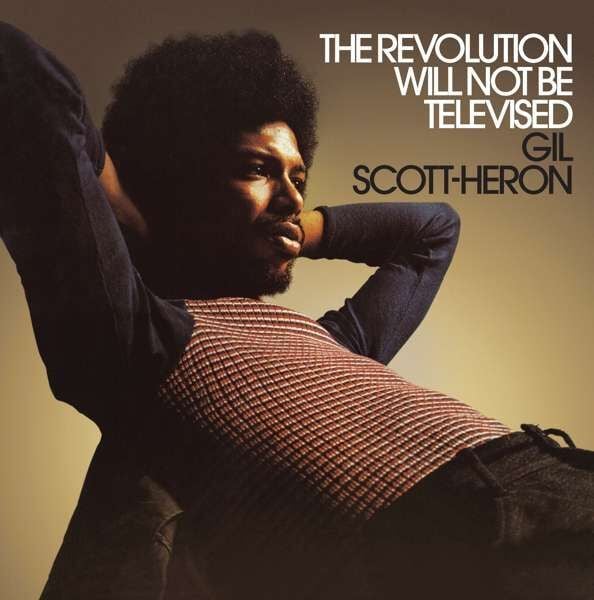
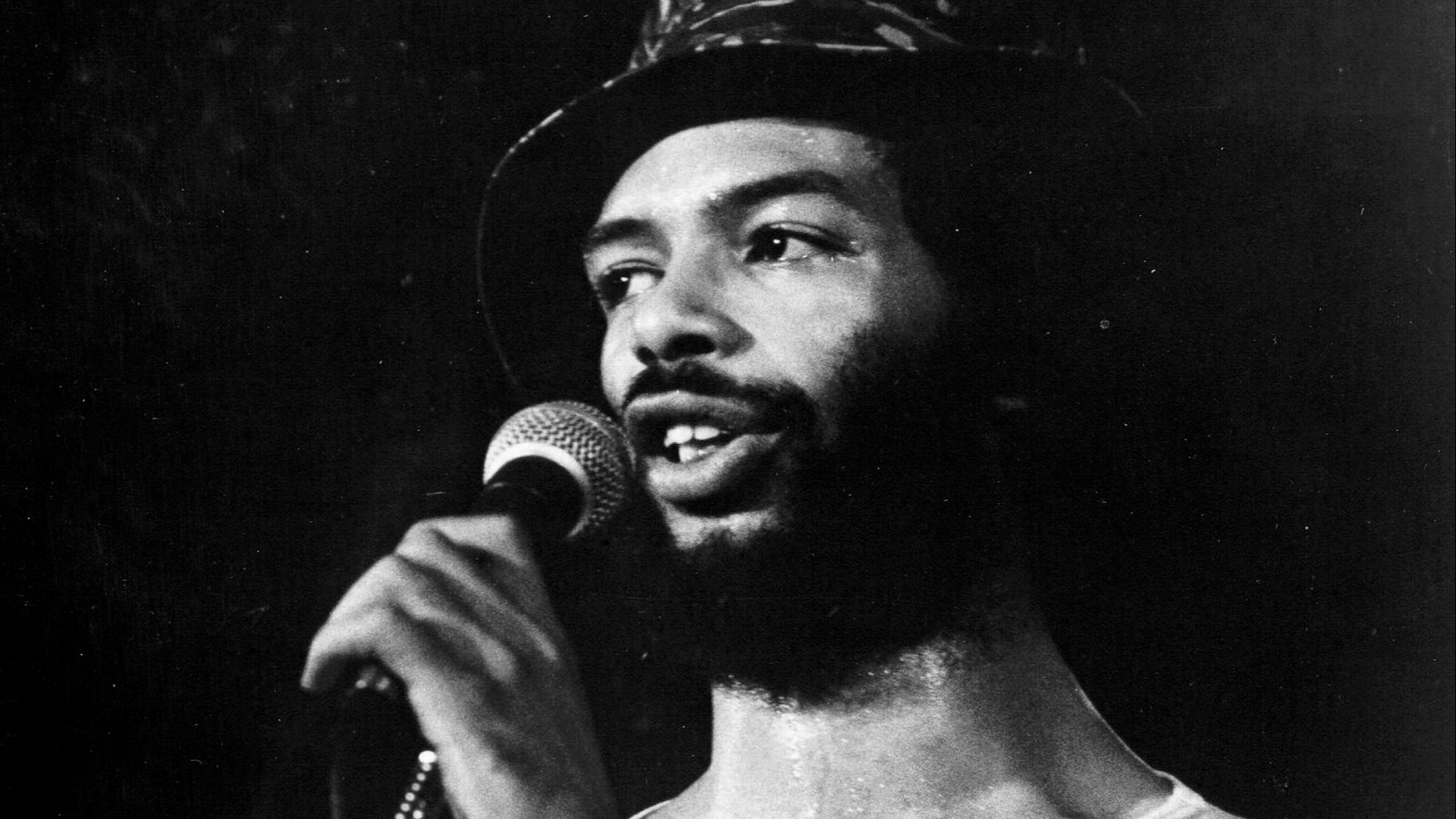
The iconic phrase, “The revolution will be televised,” originally penned by Gil Scott-Heron, once served as a stark counterpoint to the romanticized, unbroadcasted notion of revolution. It declared that true change would not be a secret, back-room affair but a public spectacle, seen and witnessed by all. In its original context, “televised” referred specifically to traditional broadcast television—a powerful, centralized medium capable of reaching mass audiences. Today, however, as we navigate an increasingly complex digital landscape, the meaning of this prophetic statement has undergone a profound transformation. The “television” of the 21st century is no longer a singular box in the living room; it is a sprawling, interconnected web of devices, platforms, and algorithms that have fundamentally reshaped how information is disseminated, how movements coalesce, and how technological paradigm shifts are perceived and adopted.
From Broadcast to Broadband: The Evolution of “Televised”
The fundamental shift lies in the decentralization and diversification of broadcast channels. The monochromatic world of network television, with its gatekeepers and controlled narratives, has given way to a vibrant, multi-spectral universe powered by broadband internet. This transition isn’t merely about more screens; it’s about a paradigm shift in media consumption and creation.
The Rise of Digital Platforms as the New “Television”
Modern “televising” encompasses an almost infinite array of digital platforms. Social media giants like Twitter (now X), Facebook, Instagram, and TikTok have become instantaneous news feeds and organizing hubs. YouTube, Twitch, and countless other streaming services allow anyone with a smartphone to become a broadcaster, commentator, or documentarian. This democratization of the means of production and distribution has profound implications. A viral video can spark global outrage or ignite a cultural trend overnight. A live stream from a protest or a tech conference can reach millions in real-time, bypassing traditional media filters. This instantaneous, global reach ensures that any significant event—be it a political uprising, a viral social justice campaign, or the unveiling of a groundbreaking AI model—is immediately “televised” to a global audience, often before traditional news outlets can even begin to report on it. The speed and ubiquity of these digital platforms mean that the revolution, whether social or technological, is not just televised; it is live-streamed, shared, retweeted, and remixed into a continuous, interactive narrative.
Personalization and Algorithmic Amplification
Unlike the one-to-many model of traditional television, digital platforms employ sophisticated algorithms that personalize content delivery. While this can foster echo chambers, it also means that specific “revolutions” or innovative tech trends can find highly engaged audiences more efficiently. A niche tech community can rally around a new open-source project or a groundbreaking scientific discovery, amplifying its reach within relevant circles. Conversely, these algorithms can also amplify dissent and revolutionary sentiment, pushing content that resonates deeply with specific demographics, potentially accelerating social movements. The “televising” is thus not uniform but tailored, creating a mosaic of interconnected but distinct narratives, each with its own audience and impact.
Citizen Journalists and Amplified Voices: Decentralizing the Narrative
Perhaps the most significant impact of digital technology on the concept of “the revolution will be televised” is the empowerment of the individual. The barrier to entry for content creation and distribution has plummeted, transforming passive viewers into active participants and primary sources of information.
Smartphones as Mobile Broadcast Studios
Every smartphone has become a mobile broadcast studio, capable of capturing high-definition video, taking high-quality photographs, and instantly uploading them to global platforms. This capability has given rise to the phenomenon of citizen journalism, where ordinary individuals on the ground become the primary documentarians of events, often in real-time. From documenting human rights abuses to showcasing groundbreaking community projects or demonstrating new tech innovations, these citizen broadcasters provide raw, unfiltered perspectives that can circumvent state censorship or corporate media agendas. The “televising” is no longer controlled by a few powerful entities but is a collective, distributed effort, reflecting a multitude of viewpoints. This raw footage often forms the backbone of traditional news reports, signifying a fundamental shift in the media landscape.
The Power of Networks and Hashtags
Social media networks facilitate the rapid aggregation and dissemination of these individual contributions. Hashtags act as digital rallying cries, organizing vast amounts of disparate content around a common theme, event, or cause. A single tweet or post, when amplified through a network of engaged users, can quickly gain global traction, drawing attention to issues that might otherwise remain unseen. This networked amplification ensures that revolutionary ideas, whether social or technological, can achieve critical mass rapidly, bypassing traditional gatekeepers and directly engaging public consciousness. The success of open-source movements, for example, heavily relies on such networked amplification to spread awareness, attract contributors, and foster adoption.
AI, Deepfakes, and the Battle for Truth: The Double-Edged Sword
While technology has democratized broadcasting, it has also introduced unprecedented challenges to the veracity of what is “televised.” The same tools that empower citizen journalists can be weaponized to manipulate public perception and sow discord.
The Rise of Synthesized Media
Artificial intelligence, particularly in areas like generative adversarial networks (GANs) and large language models, has made it possible to create highly realistic synthetic media—deepfakes, voice clones, and AI-generated narratives—that are virtually indistinguishable from authentic content. This capability poses a significant threat to the integrity of “televised” events. In an era where a revolution might depend on the rapid spread of verifiable information, the ability to fabricate convincing audio-visual evidence can undermine trust, confuse the public, and even incite violence. A fabricated video of a political leader or a manipulated recording of a crucial event could severely derail a legitimate movement or sow widespread misinformation about a new technology’s implications.
Algorithmic Bias and Filter Bubbles
AI also plays a role in content curation and amplification, not always for the better. Algorithmic bias, often an unintended consequence of the data used to train AI models, can inadvertently suppress certain voices or promote others. Furthermore, the drive for engagement often leads to filter bubbles and echo chambers, where individuals are primarily exposed to information that confirms their existing beliefs. This can make it challenging for revolutionary ideas (or counter-arguments) to penetrate diverse audiences, fragmenting the “televised” revolution into isolated, self-reinforcing narratives, making broad consensus difficult to achieve. The challenge is not just what is broadcast, but who sees it and how they interpret it within their algorithmic silos.
The Need for Digital Literacy and Verification Tools
In response, there’s a growing “counter-revolution” in digital forensics and verification technologies. AI is being deployed to detect deepfakes, blockchain is explored for content authentication, and digital literacy initiatives aim to equip individuals with the skills to critically evaluate information. The future of “the revolution will be televised” hinges not just on the ability to broadcast, but on the collective capacity to discern truth from deception in a hyper-connected, AI-infused media landscape. The revolution will be televised, but verifying its authenticity becomes a critical, ongoing challenge.
The Metaverse and Immersive Revolutions: Beyond the Screen
Looking ahead, the next evolution of “televising” the revolution moves beyond flat screens into immersive, spatial computing environments—the metaverse. This frontier promises to redefine presence, participation, and perception in ways that were once purely science fiction.
Virtual Spaces for Assembly and Advocacy
The metaverse offers persistent, interconnected virtual worlds where individuals can interact, assemble, and organize as avatars. Imagine a global protest occurring simultaneously in dozens of virtual spaces, accessible to anyone with a VR headset or even a smartphone. This extends the concept of “televised” from passive viewing to active, embodied participation. Movements could stage virtual sit-ins, hold rallies, or create immersive educational experiences about their cause or a new technology, transcending geographical boundaries and physical limitations. A major tech launch, instead of being a mere keynote, could become an interactive, multi-sensory experience within a virtual environment, allowing users to “test drive” products or explore concepts in 3D.
NFTs, DAOs, and Decentralized Governance
Within the metaverse and broader Web3 ecosystem, non-fungible tokens (NFTs) and decentralized autonomous organizations (DAOs) are creating new models of ownership, community, and governance. NFTs can represent not just digital art, but also membership, voting rights, or proof of participation in a “revolution”—whether a social movement or a new protocol. DAOs allow for collective decision-making, offering a new form of decentralized organization that can power bottom-up “revolutions” in finance, art, or social activism. This means the revolution isn’t just televised; it’s owned, governed, and experienced within new digital paradigms, shifting power dynamics and enabling new forms of collective action and technological innovation.
Digital Security and Resistance: Protecting the Revolution’s Pulse
As revolutions become increasingly digital, so too do the vulnerabilities. The mechanisms that enable widespread broadcasting also create targets for surveillance, censorship, and cyberattacks. Protecting the “televised” revolution necessitates a parallel focus on digital security and resilience.
Encryption and Anonymity for Activists
For social and political movements, end-to-end encryption and tools for anonymity (like VPNs and Tor) are vital to protect organizers and participants from state surveillance and repression. Secure communication channels ensure that plans can be made and information shared without compromise. The ability to “televise” without fear of retribution is paramount for legitimate revolutionary efforts. Similarly, securing intellectual property and privacy in the tech space ensures that innovation can flourish without undue infringement or data exploitation.

Resilience Against Cyberattacks and Censorship
Revolutionary movements, as well as disruptive tech companies, are often targets of denial-of-service (DDoS) attacks, hacking, and state-sponsored censorship. Ensuring the resilience of digital infrastructure—from encrypted messaging apps to decentralized web hosting—is critical to maintaining the flow of information and the momentum of the movement. Technologies like blockchain, with its decentralized and immutable ledger, offer potential solutions for resisting censorship and ensuring the integrity of data and communication, promising that once something is “televised” onto the chain, it remains available.
In essence, “the revolution will be televised” in the digital age means that change—be it societal upheaval or a technological paradigm shift—will unfold across a myriad of interconnected screens, amplified by algorithms, documented by millions, and increasingly experienced within immersive virtual spaces. It demands not just an understanding of broadcasting, but a critical engagement with the tools, ethics, and security implications of our hyper-connected world. The revolution is no longer just on TV; it is the digital network itself, constantly broadcasting its evolving narrative.
aViewFromTheCave is a participant in the Amazon Services LLC Associates Program, an affiliate advertising program designed to provide a means for sites to earn advertising fees by advertising and linking to Amazon.com. Amazon, the Amazon logo, AmazonSupply, and the AmazonSupply logo are trademarks of Amazon.com, Inc. or its affiliates. As an Amazon Associate we earn affiliate commissions from qualifying purchases.