
The Etymology of Power and Peace: Unpacking “Vlad”
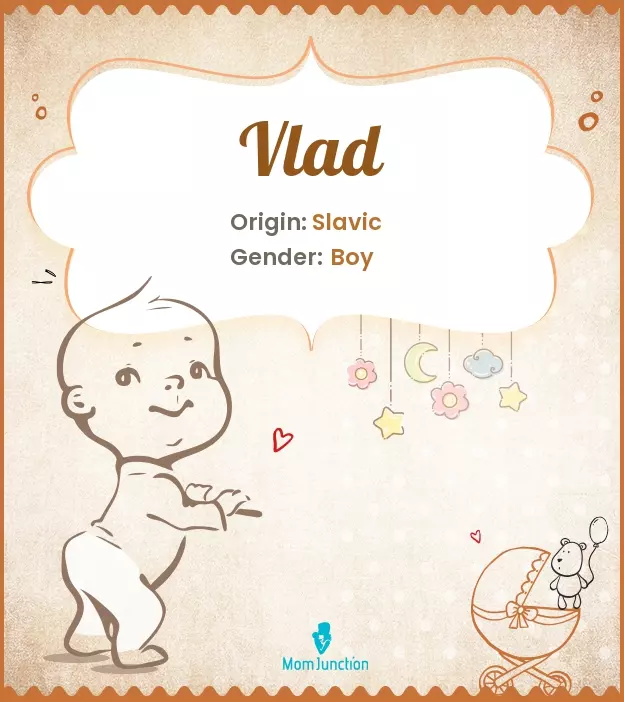
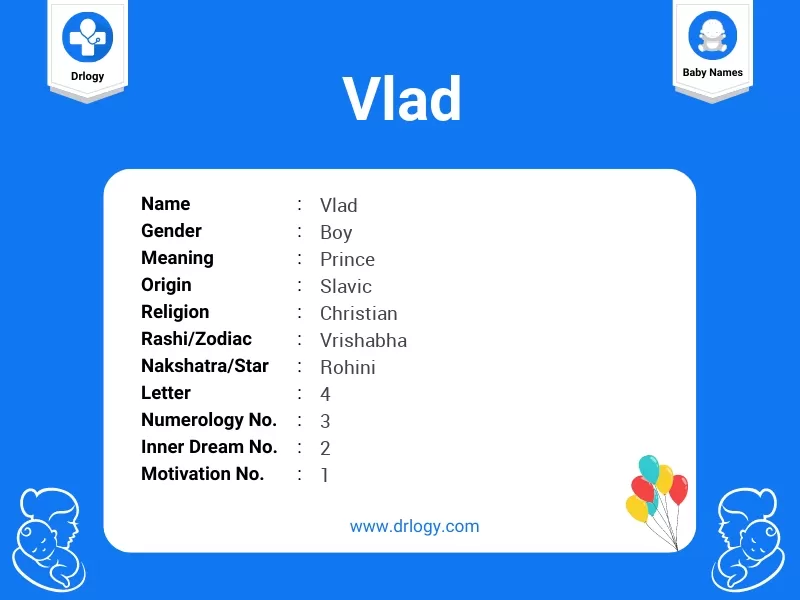
The name Vlad, a seemingly simple moniker, carries a rich historical and linguistic tapestry that profoundly influences its perception in the realm of branding. Originating from Slavic roots, “Vlad” is not merely a name but a truncation of longer, more complex names like Vladislav or Vladimir. Its core etymological components offer a fascinating duality: the Old Slavic element vlad- or volod- signifying “to rule,” “power,” or “to possess,” combined with elements like slav (“glory, fame”) or mir (“peace, world”). This foundational meaning inherently imbues the name with connotations of leadership, authority, and control, often tempered by an underlying sense of order or tranquility. For personal and corporate branding, this deep-seated meaning immediately positions any individual or entity bearing the name within a framework of command and influence.
Roots in Slavic Leadership
The direct translation of “vlad” to “to rule” or “power” makes it a potent linguistic asset. In many cultures, names are not just identifiers but carry destiny or inherent characteristics. For those named Vlad, or for brands choosing to incorporate this name, there is an immediate, albeit subconscious, association with governance and mastery. This can be a significant advantage in sectors where leadership, reliability, and robust performance are paramount. Consider a technology startup, a financial consultancy, or a security firm: a name rooted in “power” can subtly communicate an organization’s mission and competence from the outset. It suggests a brand that takes charge, delivers results, and operates with a clear, authoritative vision.
A Legacy of Rulers
Beyond its direct meaning, “Vlad” is intrinsically linked to a historical legacy of rulers and figures of authority across Eastern Europe. From the Grand Princes of Kievan Rus’ to various dukes and noblemen, the name has been a common thread among those who wielded significant power. This historical resonance provides an added layer of gravitas and tradition. In brand strategy, drawing upon such historical depth can lend an air of timelessness and established authority. It suggests a brand that is not fleeting but built on enduring principles, perhaps even an inheritance of wisdom and strategic thinking. This historical weight, however, also introduces complexities, as certain historical figures bearing the name have left an indelible, and often controversial, mark on collective memory, which branding efforts must carefully navigate.
The Shadow and the Crown: Historical Branding Challenges
While the etymological roots of “Vlad” evoke leadership and power, the name’s most famous historical association presents a unique branding challenge: Vlad III Dracula, commonly known as Vlad the Impaler. His reputation as a fierce, ruthless, and often terrifying ruler casts a long shadow, creating powerful, often polarizing, perceptions. For any individual or brand named Vlad, understanding and strategically addressing this historical baggage is critical for effective brand management.
The Enduring Image of Vlad the Impaler
Vlad the Impaler is inextricably linked to the gothic horror figure Dracula, thanks to Bram Stoker’s novel. This association conjures images of darkness, cruelty, bloodlust, and fear. While his historical reign was complex, involving effective military strategies against Ottoman expansion, the popular imagination largely fixates on his brutal methods. In a branding context, this means that the name “Vlad” can immediately trigger strong, often negative, emotional responses in some audiences. A brand or personal identity must either confront this perception directly, distance itself from it, or, in rare, highly specific instances, subvert it for artistic or niche appeal. Ignoring it is not an option, as subconscious biases can significantly impact audience reception and trust.
Navigating Cultural Perceptions
The impact of “Vlad the Impaler” is not uniform globally. While strong in Western cultures heavily influenced by Stoker’s Dracula, the perception might differ in Eastern European countries where Vlad III is sometimes viewed as a national hero who defended his homeland. This cultural variance necessitates a nuanced approach to branding. A brand operating internationally must conduct thorough market research to understand local perceptions of the name. For example, a “Vlad” brand in Romania might leverage nationalist pride and strength, while the same brand in the UK or US would likely need to emphasize transparency, integrity, and warmth to counteract prevailing stereotypes. This highlights the importance of cultural intelligence in developing a brand identity that resonates positively across diverse audiences.
Personal Branding in the Digital Age: Leveraging Your Name
For individuals named Vlad, particularly those in public-facing roles such as entrepreneurs, executives, or public figures, personal branding becomes an intentional act of defining their narrative against a backdrop of historical and popular culture associations. The goal is to harness the name’s inherent strength while skillfully managing its potential drawbacks.
Crafting a Narrative of Strength and Authority
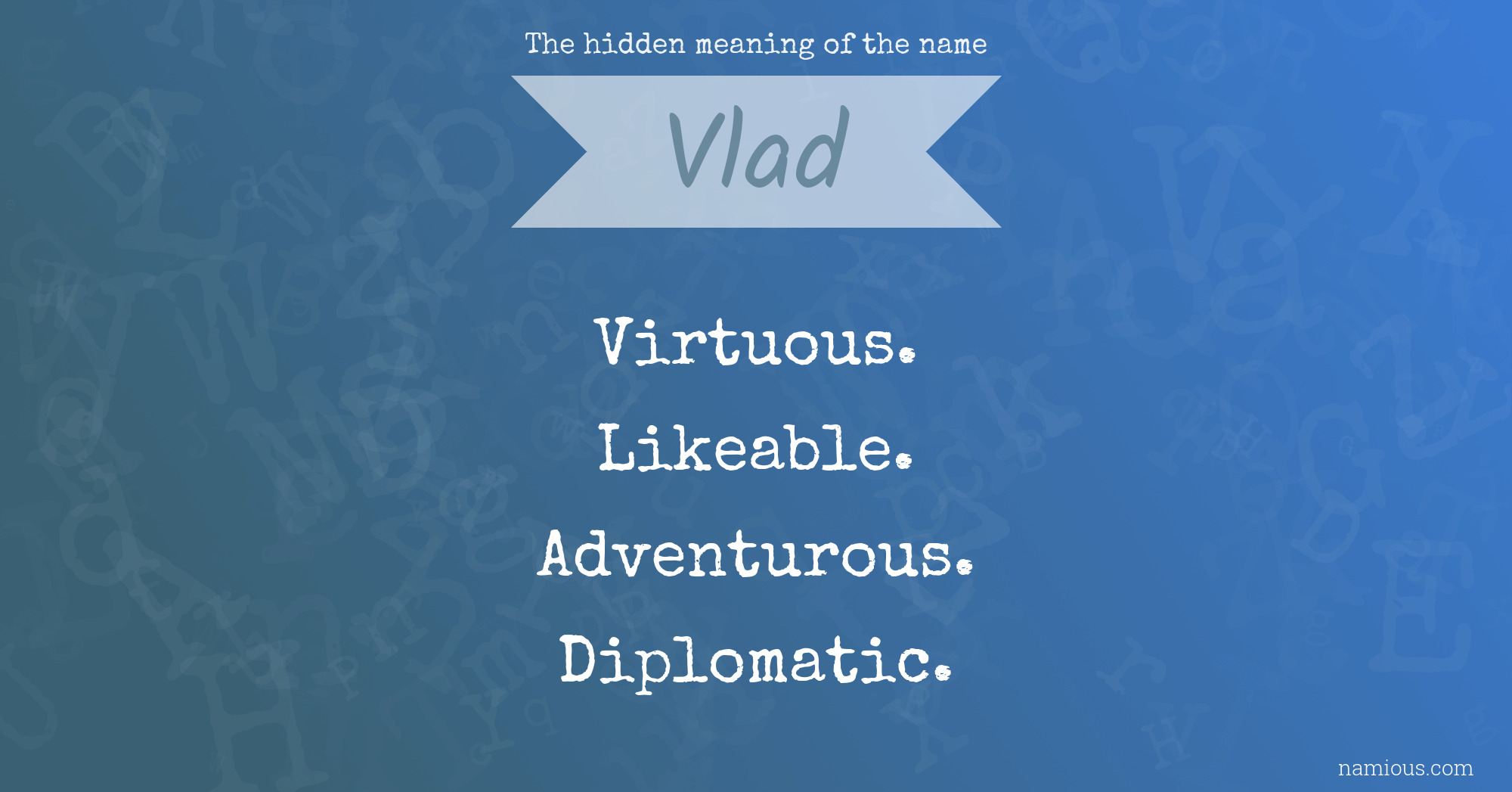
The inherent meaning of “Vlad” — “to rule” or “power” — can be a formidable asset in personal branding. Individuals can consciously embody and communicate qualities of leadership, decisiveness, and strategic vision. This can be reinforced through professional achievements, thought leadership content, and a confident, authoritative communication style. For example, a “Vlad” in a tech leadership role might emphasize their ability to command complex projects, drive innovation, and lead teams effectively. Their personal brand can lean into the strength and gravitas suggested by their name, positioning them as a go-to expert who can take charge and deliver results. The challenge is to present this strength not as dominance, but as dependable leadership that inspires confidence and trust.
Mitigating Negative Connotations Through Authenticity
Given the “Dracula” association, Vlads must be particularly deliberate about showcasing their authentic selves. Transparency, warmth, and an approachable demeanor can effectively counterbalance any perceived harshness or darkness. Storytelling becomes a powerful tool: sharing personal values, vulnerabilities, and genuine passion for their work can humanize the name. Engaging in community initiatives, demonstrating ethical practices, and fostering positive relationships can build a reputation that actively disproves any negative stereotypes. For instance, a Vlad might be exceptionally charitable, a mentor to young professionals, or known for their collaborative leadership style, all of which subtly but powerfully redefine the perception of their name through their actions. Authenticity, coupled with consistent positive behavior, is the ultimate antidote to historical baggage.
The Art of Recontextualization
Another effective personal branding strategy is recontextualization. This involves consciously shifting the frame of reference for the name. Humor can be a powerful tool here; a Vlad might playfully acknowledge the “Dracula” jokes in a light-hearted way to disarm and connect with audiences. Alternatively, they might emphasize the name’s other, lesser-known positive historical figures, or focus intensely on their modern identity and achievements, making the historical figure irrelevant to their current persona. Developing a unique visual identity that is modern, bright, and welcoming can also visually counter any antiquated or dark associations. By actively shaping the narrative, a Vlad can transform a potential obstacle into a distinctive brand element, making their name memorable for their unique positive qualities rather than historical shadows.
Corporate Identity and Market Perception: A Name’s Business Impact
When “Vlad” is part of a corporate identity, whether as a founder’s name for a startup, a product name, or a brand moniker, its inherent meanings and cultural associations carry significant weight. Strategic considerations are paramount to ensure the name contributes positively to market perception and brand equity.
Naming Products and Services with Strategic Foresight
Choosing “Vlad” for a product or service name requires careful consideration of the target audience and the industry. In sectors where strength, security, or a commanding presence is valued – such as cybersecurity, heavy machinery, or financial instruments – a “Vlad” product name could reinforce these attributes. For example, “VladGuard Security Solutions” might evoke an image of impenetrable protection. However, in industries where warmth, softness, or approachability are key, such as childcare, hospitality, or consumer goods focused on comfort, the name could be incongruous or even off-putting. “Vlad’s Bakery” might struggle more than “Vlad’s Steel Manufacturing.” The context of the offering is crucial: the brand must align the name’s inherent connotations with the product’s benefits and the desired customer experience.
Visual and Verbal Branding: Aligning Aesthetics with Meaning
For corporate identities incorporating “Vlad,” visual and verbal branding elements become critical tools for shaping perception. The logo design, color palette, typography, and marketing language must work in concert to either reinforce desired aspects of the name or mitigate undesirable ones. If a brand wants to emphasize “Vlad’s” leadership and power, sharp lines, bold fonts, and strong, perhaps darker, color schemes might be appropriate. Conversely, to soften the name, rounder fonts, brighter colors, and an overall approachable aesthetic can be employed. Messaging should be carefully crafted to highlight values that align with the brand’s mission, such as innovation, reliability, or customer focus, thereby subtly redirecting any preconceptions about the name towards positive brand attributes.
Global Brand Implications
The global nature of business today means that any brand incorporating “Vlad” must consider its international resonance. As discussed, perceptions of Vlad the Impaler vary significantly across cultures. A brand campaign that might be celebrated in Eastern Europe for its historical strength could be met with apprehension or even fear in Western markets. This necessitates comprehensive cultural due diligence. Brands might opt for different branding strategies or even different product names for various geographic markets. Alternatively, a global brand might invest heavily in marketing that universally redefines “Vlad” through positive associations unique to their brand, perhaps emphasizing the “peace” aspect of Vladimir or the “glory” of Vladislav, rather than the “ruling” aspect of Vlad itself. This strategic adaptability is key to building a resilient global brand identity.
Strategic Brand Development: From Etymology to Equity
Ultimately, the name “Vlad” offers a compelling case study in strategic brand development. Its journey from ancient etymology to modern brand equity demonstrates the intricate interplay between linguistic meaning, historical context, cultural perception, and deliberate marketing efforts. Crafting a successful brand identity around such a name requires more than just understanding its literal definition; it demands a deep comprehension of its psychological and social reverberations.
Building Resonance Through Story
Every powerful brand has a compelling story, and for a brand or individual named Vlad, the narrative potential is immense. Instead of shying away from the name’s history, a strategic brand can selectively integrate elements that reinforce desired traits. For example, a tech company named Vlad might craft a story around pioneering innovation and fierce determination in overcoming technical challenges, drawing parallels with the historical figure’s strategic prowess while avoiding his brutality. The narrative can emphasize resilience, strategic thinking, and the pursuit of mastery—qualities inherent in the name’s meaning. By controlling and shaping this narrative, brands can build resonance that goes beyond superficial recognition, forging deeper connections with their audience based on shared values and an intriguing backstory.
The Uniqueness Factor
Despite its historical notoriety, “Vlad” remains a relatively distinct name in many commercial contexts, particularly outside specific regions. This uniqueness can be a significant advantage in brand differentiation. In a crowded marketplace where generic names often blend, a brand with “Vlad” in its identity possesses an immediate memorability. This distinctiveness, when paired with a clear, positive brand message and a consistently high-quality offering, can cut through noise and capture attention. The challenge, and the opportunity, lies in transforming that initial distinctiveness, which might carry preconceived notions, into a uniquely strong and reputable brand equity through intentional strategy and unwavering commitment to positive brand experiences. It’s about leveraging the name’s inherent power not to dominate, but to lead with integrity and make a lasting, positive impression.
aViewFromTheCave is a participant in the Amazon Services LLC Associates Program, an affiliate advertising program designed to provide a means for sites to earn advertising fees by advertising and linking to Amazon.com. Amazon, the Amazon logo, AmazonSupply, and the AmazonSupply logo are trademarks of Amazon.com, Inc. or its affiliates. As an Amazon Associate we earn affiliate commissions from qualifying purchases.