
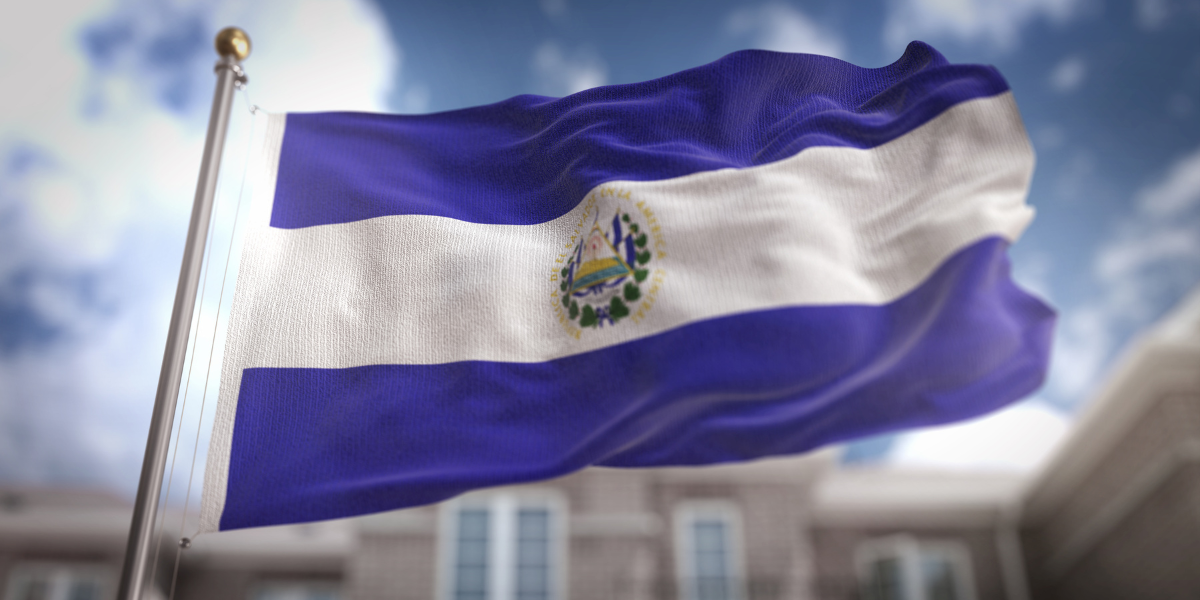
The flag of El Salvador is far more than a mere piece of cloth; it serves as the nation’s most potent visual brand identity, a carefully crafted emblem that encapsulates its history, aspirations, and core values. In the realm of national branding, a flag functions as a country’s primary logo, instantly communicating its essence to both its citizens and the global community. Understanding the elements of the Salvadoran flag—its colors, symbols, and underlying philosophy—is key to grasping the multifaceted “brand story” El Salvador presents to the world.
The Azure and White: A Canvas of National Identity
From a brand design perspective, the flag’s dominant colors—azure blue and white—are foundational elements that convey immediate meaning and establish a distinct visual identity. These colors are not arbitrary; they are deeply rooted in regional history and philosophical ideals, shaping El Salvador’s brand narrative.

The Significance of Azure Blue
The two horizontal azure blue stripes that frame the central white stripe are a direct inheritance from the flag of the Federal Republic of Central America. This choice of color carries significant brand implications, reflecting continuity and shared heritage.
- Oceanic Borders and Horizon: The blue is often interpreted as representing the two oceans (the Pacific and Atlantic, via the Caribbean Sea) that border Central America, symbolizing El Salvador’s geographic position and its connection to the wider world. In a branding context, this speaks to interconnectedness, potential for trade, and an outward-looking national character.
- Sky and Ideals: Beyond geography, azure blue traditionally symbolizes the sky, evoking notions of clarity, truth, justice, and peace. These are aspirational brand values that a nation seeks to project, suggesting a commitment to high ideals and a just society. For El Salvador, it reinforces a brand promise of integrity and tranquility.
The Purity of White
Nestled between the two azure stripes, the central white band acts as a visual anchor, providing contrast and emphasizing core brand attributes of the nation.
- Peace and Unity: White universally represents peace, purity, and unity. For a nation with a complex history, the prominence of white in its flag is a powerful brand statement, signaling a desire for harmony and an end to internal conflict. It’s a declaration of collective aspiration towards national cohesion.
- Neutrality and Virtue: In a branding sense, white often signifies a clean slate, transparency, and a foundation upon which positive virtues can be built. It underscores El Salvador’s commitment to virtuous governance and a peaceful coexistence among its people.
Together, the azure and white create a balanced and memorable color palette that is distinctly Salvadoran, yet reflective of broader Central American identity. This strategic use of color ensures brand recognition and communicates fundamental national principles at a glance.
The Coat of Arms: Emblems of Sovereignty and Aspiration
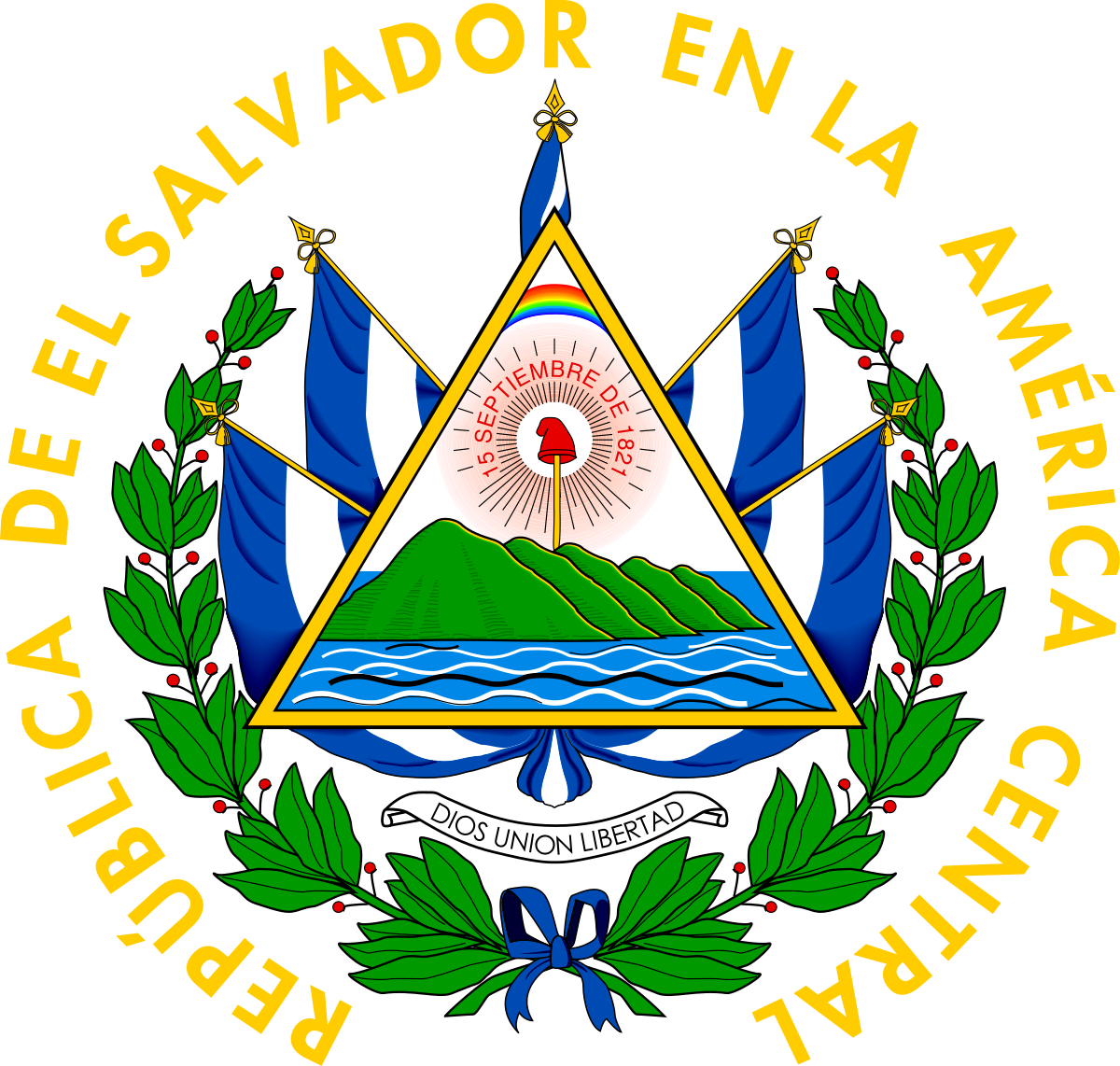
At the heart of the white stripe lies El Salvador’s national coat of arms, an intricate and highly symbolic emblem that functions as the nation’s detailed logo or corporate seal. Every element within this central device is a deliberate design choice, conveying layers of meaning that articulate the country’s sovereign identity, historical journey, and future aspirations.
The Equilateral Triangle: Equality and Liberty
The central element of the coat of arms is an equilateral triangle, a symbol steeped in Masonic tradition and revolutionary ideals, inherited from the United Provinces of Central America.
- Three Powers: It represents the three branches of government: legislative, executive, and judicial, symbolizing a balanced and democratic brand structure. This projects an image of a well-ordered and just society.
- Equality and Freedom: The equilateral nature signifies equality before the law and the inherent freedom of its citizens. In branding terms, this emphasizes El Salvador’s commitment to democratic values and human rights as cornerstones of its national character.
Five Volcanoes and Two Oceans: Geographic Identity
Within the triangle, five volcanoes rise from the sea, an iconic representation of El Salvador’s geography and its Central American heritage.
- Brotherhood of Nations: The five volcanoes symbolize the five original member states of the United Provinces of Central America, signifying a historical bond and a spirit of regional brotherhood. This speaks to a brand that values collaboration and shared destiny.
- Coastal Nation: The volcanoes emerging from two oceans reinforce El Salvador’s status as a maritime nation, connecting its identity to both its natural landscape and its strategic location. It suggests resilience, strength, and a deep connection to its physical environment.
The Phrygian Cap: Liberty’s Beacon
Above the volcanoes, a radiant sun illuminates a red Phrygian cap on a staff. This symbol, also known as a liberty cap, is a powerful and globally recognized emblem of freedom.
- Emancipation and Self-Determination: The Phrygian cap harks back to Roman antiquity, where it was worn by freed slaves, and became a prominent symbol of liberty during the French Revolution. Its inclusion in El Salvador’s coat of arms loudly declares the nation’s hard-won independence and its enduring commitment to self-determination. It is a brand statement of autonomy and liberation.
- Enlightenment and Hope: The cap is encircled by rays of light, symbolizing enlightenment and hope for the future. This adds an optimistic dimension to the national brand, suggesting progress and a bright horizon.
The Date and Motto: Historical Foundation and Guiding Principle
Below the volcanoes, the date “15 DE SEPTIEMBRE DE 1821” is inscribed, commemorating Central America’s independence from Spain. This date is a pivotal part of the nation’s historical brand narrative.
- Founding Moment: Marking the precise moment of national birth, this date serves as a constant reminder of the country’s origins and its foundational commitment to independence. It grounds the national brand in a specific historical context.
- “DIOS, UNIÓN, LIBERTAD”: Surrounding the triangle is the national motto: “DIOS, UNIÓN, LIBERTAD” (God, Union, Liberty). These three words are the core values of the Salvadoran brand, acting as a concise mission statement.
- Dios (God): Reflects the nation’s historical religious influence and moral compass.
- Unión (Union): Emphasizes solidarity, national unity, and collective purpose.
- Libertad (Liberty): Reaffirms the nation’s commitment to freedom and independence.
These elements combine to form a complex yet cohesive “logo” that communicates El Salvador’s sovereignty, its struggle for freedom, its geographic identity, and its guiding moral and political principles.
Historical Evolution: Branding Through Time
The current design of the Salvadoran flag, adopted in 1912 and reaffirmed in 1972, is itself a testament to the evolution of national branding. Its design principles are largely a return to the original flag of the Federal Republic of Central America, showcasing a deliberate effort to re-embrace a foundational identity after periods of deviation.
Reversion to Central American Roots
Between 1865 and 1912, El Salvador used a flag with alternating blue and white stripes and a different coat of arms, influenced by the United States flag. The decision to revert to the azure and white horizontal stripes and the original Central American coat of arms in 1912 was a strategic branding move.
- Reasserting Regional Identity: This change marked a conscious re-identification with Central American unity and a historical legacy of federation. It emphasized El Salvador’s brand as part of a larger regional identity, rather than an isolated entity.
- Consistency and Heritage: By returning to the earlier design, El Salvador re-established a strong brand heritage, demonstrating a commitment to its historical values and an enduring connection to its past. This provides a sense of continuity and authenticity to the national brand.
Symbol of Enduring Values
The reaffirmation of this flag in 1972 underscores its timeless appeal and its continued relevance in representing the nation’s core brand values. It signifies that the principles of unity, liberty, and a connection to its Central American roots remain paramount, transcending different political eras. The flag, therefore, acts as a consistent brand asset, projecting stability and an unwavering commitment to its foundational ideals.
Beyond Symbolism: The Flag as a Unifying Brand Asset
As with any powerful brand symbol, the flag of El Salvador extends beyond its literal design to foster emotional connection, national pride, and global recognition. It functions as a dynamic asset in the nation’s internal and external branding efforts.
Fostering National Pride and Unity
Internally, the flag is a powerful tool for civic education and national cohesion. It’s displayed in schools, government buildings, and homes, serving as a constant visual reminder of shared identity and collective purpose.
- Emotional Resonance: For Salvadorans, the flag evokes a deep sense of belonging, pride in their heritage, and a shared vision for the future. This emotional connection is critical for any successful brand, creating loyal “consumers” of the national identity.
- Common Ground: In times of national celebration or challenge, the flag becomes a rallying point, transcending political divides and uniting citizens under a common emblem. It’s a testament to its effectiveness as a unifying brand element.
Global Recognition and Diplomatic Presence
Externally, the flag of El Salvador is the nation’s visual ambassador on the global stage. It represents the country in international forums, sporting events, and diplomatic missions.
- Instant Identification: Its unique design ensures instant recognition, distinguishing El Salvador from other nations. This is vital for establishing a clear and memorable brand identity in a crowded international landscape.
- Projecting National Image: The flag communicates the values and aspirations discussed earlier (peace, liberty, unity) to a global audience, contributing to El Salvador’s overall international image and reputation. It serves as a visual shorthand for the nation’s brand promise.
In essence, the flag of El Salvador is a masterclass in national branding. Its deliberate choice of colors, the intricate symbolism of its coat of arms, and its historical evolution all contribute to a powerful and cohesive identity that resonates deeply with its people and articulates its essence to the world. It is a testament to how design, history, and aspiration converge to create an enduring and meaningful national brand.
aViewFromTheCave is a participant in the Amazon Services LLC Associates Program, an affiliate advertising program designed to provide a means for sites to earn advertising fees by advertising and linking to Amazon.com. Amazon, the Amazon logo, AmazonSupply, and the AmazonSupply logo are trademarks of Amazon.com, Inc. or its affiliates. As an Amazon Associate we earn affiliate commissions from qualifying purchases.