
In the intricate world of visual communication, a flag is far more than a piece of fabric; it is a potent symbol, a condensed narrative, and a visceral representation of identity. The particular combination of a black flag with a blue stripe, while seemingly simple, carries significant weight and distinct meanings, predominantly within the realm of brand identity, community representation, and shared values. Understanding its implications requires a dive into the psychology of color, the dynamics of design, and the specific contexts in which such a symbol has been adopted.

The Anatomy of Identity: Decoding Flag Symbolism
Every flag is a carefully curated visual brand, designed to evoke emotion, signify affiliation, and communicate a message at a glance. The choice of colors, the arrangement of elements, and the overall composition are all strategic decisions that contribute to its overarching “brand story.” When we encounter a black flag with a blue stripe, our minds immediately begin to process these visual cues, drawing upon collective understanding and learned associations.
Color Psychology in Branding and Flags
Colors are fundamental building blocks of visual identity, each carrying a unique set of psychological associations that transcend cultural boundaries, albeit with nuances.
- Black: In branding, black is often associated with power, sophistication, authority, mystery, and formality. It can also signify seriousness, strength, and a lack of compromise. In the context of flags, black frequently represents solemnity, a memorial, a protest, or a sense of defiance against established norms. It can denote a state of mourning, a symbol of anarchism, or the ultimate backdrop for a more vibrant message. Its starkness ensures that any superimposed color stands out with emphatic clarity.
- Blue: Blue is widely perceived as a color of trust, loyalty, stability, wisdom, and truth. In brand strategy, it’s often used by institutions aiming to convey reliability and professionalism. On flags, blue typically symbolizes justice, perseverance, vigilance, and the elements of water (oceans, rivers) or sky. It can represent peace, unity, or the steadfast nature of a group’s principles.
When black forms the primary field and blue appears as a stripe, the dominant message often leverages black’s gravitas and authority, with blue introducing elements of truth, loyalty, or support. The contrast isn’t just aesthetic; it’s semantic, creating a visual tension that underscores the flag’s purpose.
Stripe Dynamics: Movement, Division, and Unity
Stripes, as a design element, are inherently dynamic. They can suggest movement, delineate boundaries, or symbolize unity through their parallel arrangement. A single stripe, especially on a monochromatic field, draws the eye and focuses attention.
In the case of a black flag with a blue stripe, the stripe acts as a distinct element that breaks the monolithic black. It can represent a specific focus or a core principle that stands out against a broader backdrop. The thickness, placement (horizontal, vertical, diagonal), and specific hue of the blue stripe all contribute to the nuance of its brand message. Is it a thin line representing a delicate balance, or a bold band signifying an unwavering commitment? These design choices are critical in shaping the intended meaning and impact of the flag as a brand identity.
The “Black Flag with a Blue Stripe”: Unpacking Specific Meanings
While flag designs can be reappropriated, the black flag with a blue stripe has gained prominent recognition through specific movements and communities, each leveraging its visual branding to convey distinct messages.
Law Enforcement and Support Symbolism
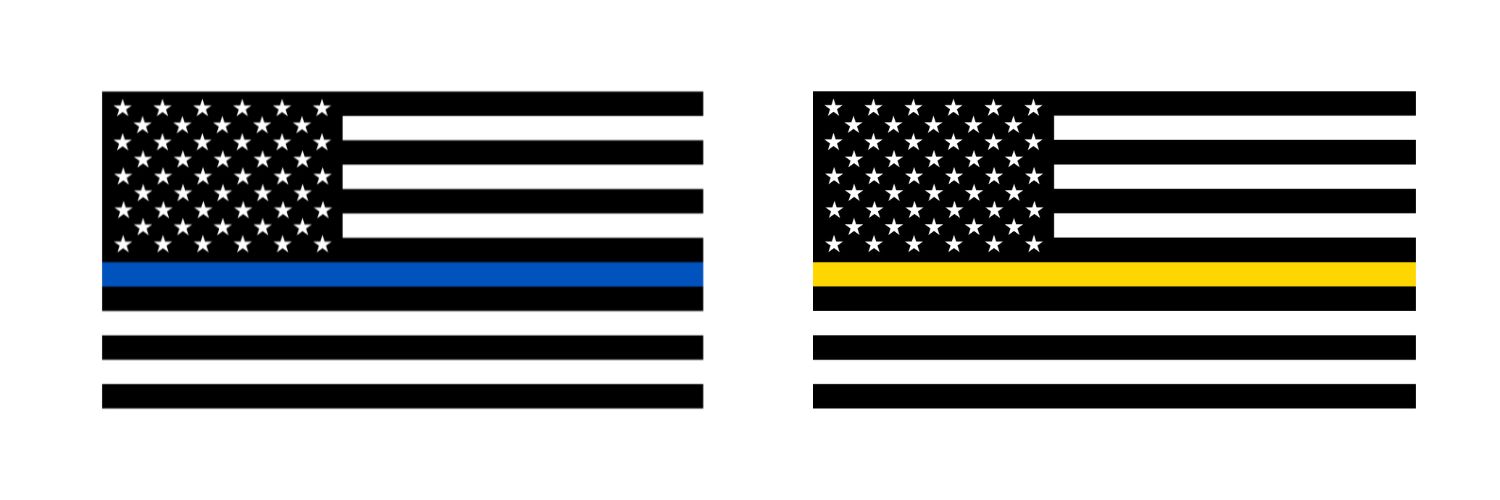
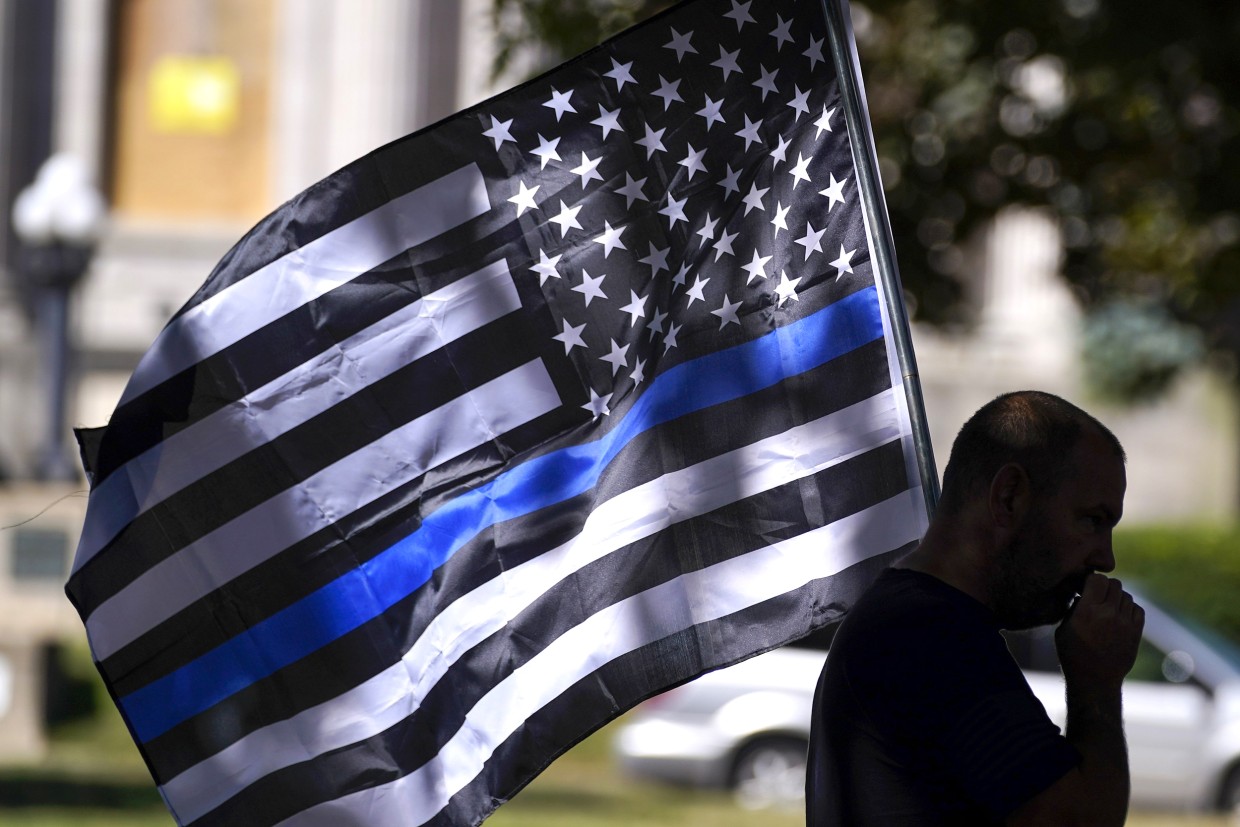
Perhaps the most widely recognized interpretation of a black flag with a single blue stripe is its association with law enforcement and support for police officers. This symbol, often referred to as the “Thin Blue Line” flag, typically features a stark black background with a single, horizontal blue stripe running across its center.
- The “Thin Blue Line”: The blue stripe represents the boundary between order and chaos, law enforcement acting as the “thin blue line” that protects society from crime and disorder. The black background can signify the solemnity of the duty, the dangers faced by officers, or a memorial for those who have fallen in the line of duty. This flag serves as a powerful brand identifier for the law enforcement community and its supporters, conveying solidarity, respect, and remembrance. Its visual simplicity makes it memorable and impactful, communicating a clear and emotive message of support and vigilance. The brand strategy here is to create an immediate, recognizable symbol that unifies a diverse group under a common cause, evoking a strong emotional response and sense of belonging.
Commemorative and Awareness Contexts
Beyond law enforcement, variations of the black flag with a blue stripe have been adopted for other commemorative or awareness purposes, sometimes with different stripe placements or additional elements, but always leveraging the core brand principles of solemnity (black) and a specific focus (blue).
- Mourning and Remembrance: In some contexts, a black flag with any colored stripe might be used to signify mourning or remembrance for a particular group or event, with the blue stripe potentially representing specific virtues like loyalty or sacrifice associated with the deceased or the cause. The black provides the gravitas of loss, while the blue offers a glimmer of hope, remembrance, or an enduring principle. This design strategy effectively communicates a brand message that is both somber and purposeful.
- Advocacy for Specific Causes: Certain advocacy groups, particularly those focused on human rights or specific social justice issues, might adopt such a flag. The black could represent the struggle, oppression, or critical nature of their cause, with the blue stripe symbolizing justice, truth, or the protective element they seek to establish. The deliberate use of contrast highlights the severity of the issue and the clarity of their objective.
Subcultural and Counter-Culture Expressions
Historically, black flags have often been associated with anarchism and counter-cultural movements, signifying a rejection of established authority or a desire for radical change. When a blue stripe is introduced, it can modify this underlying message, often by adding a specific ideological brand.
- Rejection with Purpose: If adopted by a subculture, the black field might retain its anti-establishment connotations, but the blue stripe could then brand a specific ideal or principle that the group does uphold, such as personal freedom (often associated with blue in some contexts), intellectual pursuit, or community solidarity. It transforms a general rejection into a principled stand, turning a symbol of defiance into a brand statement with a specific value proposition. This demonstrates how even in counter-culture, distinct visual branding is crucial for identity formation and communication.
Beyond the Fabric: The Digital and Social Impact of Symbolic Flags
In the modern era, the meaning of flags like the black flag with a blue stripe extends far beyond physical banners. Their digital replication and dissemination amplify their brand message and impact significantly.
Online Communities and Digital Brand Alliances
Digital platforms provide fertile ground for symbols like the Thin Blue Line flag to proliferate and solidify online communities. Profile pictures, cover photos, and shared memes featuring this flag become instant identifiers for individuals aligned with its message. This digital presence reinforces its brand identity, creating a virtual gathering space for supporters and a clear signal of affiliation. The ease of sharing and adopting such symbols digitally means that brand messages can spread virally, building powerful, unified online presences for various causes and groups.
The Power of Visual Metaphor in Marketing
From a branding and marketing perspective, the black flag with a blue stripe is a masterclass in visual metaphor. It encapsulates complex ideas—support, sacrifice, justice, protection—into a single, easily digestible image. Marketers and brand strategists can learn from this efficacy. The flag doesn’t just represent; it evokes. It builds an emotional connection with its audience, creating a sense of shared purpose and belonging. This emotional resonance is a cornerstone of effective brand building, allowing a symbol to transcend its literal meaning and become a powerful cultural touchstone. The ability to create such a potent visual identity is invaluable for any brand seeking to establish deep connections with its target audience.
Crafting Your Own Identity: Lessons from the Blue-Striped Black Flag
The enduring recognition and potent meaning of the black flag with a blue stripe offer valuable lessons for anyone involved in brand strategy, corporate identity, or personal branding.
Consistency in Visual Communication
The meaning of the black flag with a blue stripe has been solidified through consistent use and clear association. For any brand, maintaining a consistent visual identity—be it a logo, color scheme, or indeed, a flag—is paramount. Inconsistency dilutes meaning and weakens recognition. The uniform design and repeated deployment of the Thin Blue Line flag, for example, have etched its meaning into public consciousness, making it an unmistakable brand signal.
Authenticity and Resonance
The power of this flag stems from its authentic connection to the experiences and values of its primary audience. It speaks directly to their sense of duty, community, and remembrance. Effective branding is always rooted in authenticity, reflecting genuine values and resonating deeply with the target audience. A brand that feels contrived or inauthentic will struggle to build the same emotional loyalty and recognition.
Evolution vs. Core Message
While symbols can evolve in meaning or be adopted by new groups, their core message often remains rooted in their initial context. Understanding this balance is crucial. A brand must be adaptable to new platforms and audiences, but its core values and identity must remain steadfast. The black flag with a blue stripe may appear in various contexts, but its fundamental brand message of solidarity and specific focus remains potent, demonstrating the enduring power of a well-crafted visual identity.
Ultimately, the black flag with the blue stripe is a compelling example of how design, color, and context converge to create a powerful and enduring brand identity. It serves as a stark reminder that in the world of symbols, simplicity often yields the most profound and resonant meanings.
aViewFromTheCave is a participant in the Amazon Services LLC Associates Program, an affiliate advertising program designed to provide a means for sites to earn advertising fees by advertising and linking to Amazon.com. Amazon, the Amazon logo, AmazonSupply, and the AmazonSupply logo are trademarks of Amazon.com, Inc. or its affiliates. As an Amazon Associate we earn affiliate commissions from qualifying purchases.