
In the realm of branding, design, and marketing, the concept of “space” extends far beyond mere emptiness or the physical dimensions of an artwork. It is a powerful, often overlooked, foundational element that dictates perception, influences emotion, and sculpts the very identity of a brand. Understanding space in art, from a branding perspective, means dissecting its strategic use in visual communication to craft compelling narratives, guide user experience, and forge memorable corporate identities. It’s about the deliberate arrangement of elements and the deliberate absence of them, creating a dynamic interplay that defines how a brand is seen, felt, and remembered.
The Fundamental Role of Space in Visual Branding
Space in visual branding is not a passive backdrop but an active participant in communication. It defines relationships between elements, establishes visual hierarchy, and contributes significantly to the overall aesthetic and impact of any brand asset. From a minimalist logo to a sprawling website layout, the thoughtful application of space can articulate sophistication, efficiency, or even playfulness.
Positive and Negative Space: The Yin and Yang of Identity
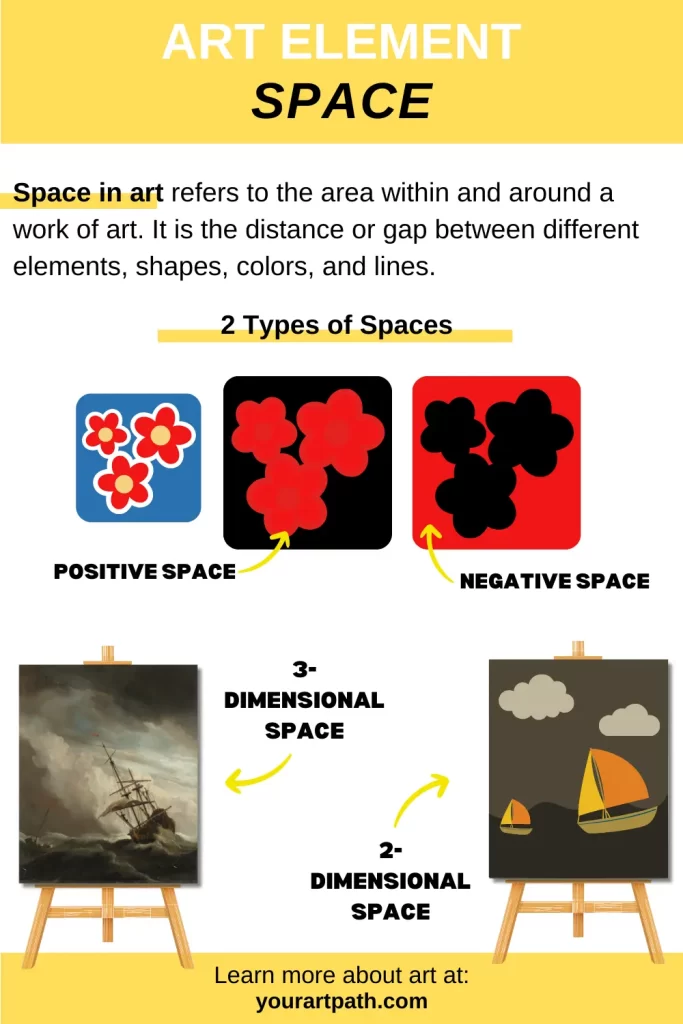
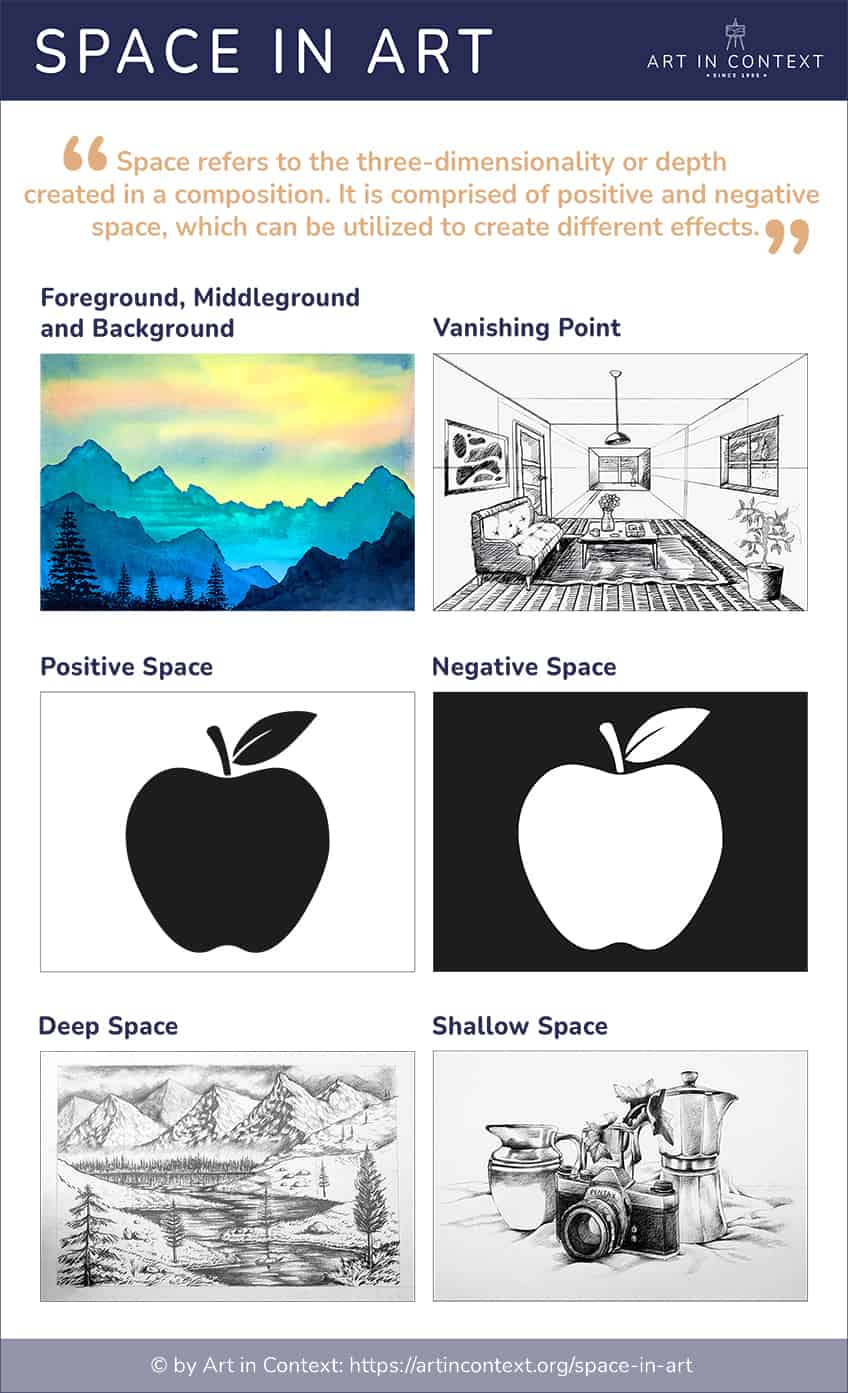
At its core, space in design is often discussed in terms of positive and negative space. Positive space refers to the actual subject matter or the elements that are “filled” – the logo mark, the text, the product image. Negative space, conversely, is the empty area surrounding and between these positive elements. This isn’t just empty canvas; it’s a critical component that shapes and defines the positive forms, creating balance, clarity, and often, secondary meanings or hidden messages.
For brands, the masterful manipulation of negative space can elevate a logo from a simple graphic to an iconic symbol. Consider classic examples where negative space reveals a secondary image or cleverly reinforces a brand’s core message without explicit depiction. This dual function enhances memorability, encourages deeper engagement, and signals a sophisticated design sensibility. A brand that effectively uses negative space often appears more refined and intelligent, fostering a perception of quality and attention to detail that can be a significant competitive differentiator. It allows brand assets to breathe, preventing visual clutter and ensuring that key messages stand out rather than getting lost in a cacophony of information.
Guiding the Eye: Hierarchy and Focus
Beyond defining forms, space is an indispensable tool for establishing visual hierarchy and directing the viewer’s gaze. In any marketing collateral, be it a webpage, an advertisement, or a brochure, designers strategically use space to emphasize certain elements over others. Larger amounts of negative space around a particular call to action, a key headline, or a product image can instantly draw the eye and communicate its importance. This deliberate use of isolation through space creates focus, ensuring that the brand’s most critical message or visual element receives immediate attention.
Conversely, tightly packed elements or insufficient space can lead to visual fatigue and confusion, diluting the brand’s message. When elements are too close, they compete for attention, making it difficult for the audience to discern what is most important. Effective spatial arrangement provides a clear path for information processing, guiding the audience effortlessly through the brand’s narrative and ensuring that key takeaways are absorbed efficiently. This intentional guidance is crucial for converting attention into action, a primary goal of all branding and marketing efforts.
Space as a Strategic Communication Tool
The way a brand utilizes space is a direct reflection of its strategic communication objectives. It’s a non-verbal language that speaks volumes about a brand’s values, personality, and its relationship with its audience. From the expansive feel of luxury brands to the compact efficiency of tech startups, spatial choices are deliberate and impactful.
Conveying Brand Personality and Emotion
Space is profoundly instrumental in conveying brand personality and evoking specific emotional responses. A brand embracing minimalism, for instance, often employs generous amounts of negative space to project an image of sophistication, clarity, exclusivity, and calm. This is frequently seen in high-end fashion, luxury automotive, or premium tech brands, where the absence of clutter suggests quality, refinement, and a curated experience. The spaciousness implies room to breathe, a sense of control, and an unhurried elegance.
On the other hand, brands targeting a youthful, energetic, or community-focused audience might use space more dynamically, with overlapping elements, vibrant colors, and less conventional layouts. This can convey excitement, approachability, and a bustling sense of innovation. The deliberate choice in how space is managed speaks directly to the brand’s ethos and helps to attract and resonate with its target demographic. The emotional connection fostered by these spatial cues is often subconscious yet incredibly powerful in shaping brand affinity.
Crafting Visual Narratives
Every brand tells a story, and space is a crucial element in crafting that visual narrative. The arrangement of images, text blocks, and interactive elements on a webpage or in an advertisement creates a flow that guides the audience through the brand’s message. Space can define chapters, create pauses, or build suspense within a visual story.
For example, a marketing campaign showcasing a product might use ample space around the product itself to highlight its features and benefits, followed by a section with slightly less space, perhaps for testimonials, leading finally to a call to action presented with its own clear, unencumbered space. This sequential use of space builds a narrative arc, moving the audience from introduction to engagement to conversion. In corporate identity materials, such as annual reports or presentations, consistent spatial design ensures that the brand’s story is told cohesively and professionally, reinforcing its credibility and authority.
Spatial Dynamics Across Brand Touchpoints
The principles of space are not confined to static logos or print ads; they are dynamically applied across every customer touchpoint, influencing both aesthetic appeal and functional efficacy. Consistency in spatial application across these diverse mediums reinforces brand recognition and solidifies identity.
Digital Interfaces and User Experience
In digital branding, particularly within web design and mobile applications, space is paramount for user experience (UX) and overall usability. Sufficient “whitespace” or “padding” around elements like buttons, text fields, and navigation menus prevents visual confusion and makes interfaces intuitive and easy to use. Without adequate space, interfaces become cramped and frustrating, leading to higher bounce rates and a negative brand perception.
Effective use of space in digital interfaces enhances readability, separates content blocks, and creates a logical flow for user interaction. It guides users through complex information, simplifies decision-making, and contributes to a frictionless journey, which directly impacts customer satisfaction and brand loyalty. The strategic allocation of space ensures that critical interactive elements are discoverable and actionable, directly supporting the brand’s digital marketing objectives and enhancing its online presence.
Packaging, Print, and Environmental Design
Beyond the digital realm, space remains a critical design consideration for physical brand assets. Product packaging, for instance, uses space to convey luxury, eco-friendliness, or practicality. A minimalist package with generous negative space might suggest a high-end, exclusive product, while a densely packed design could imply value or an abundance of features. The unboxing experience itself is heavily influenced by the spatial arrangement of the product and its accompanying materials within the package.
Similarly, in print advertising, brochures, and environmental design (such as retail store layouts or exhibition booths), space dictates how visitors navigate, interact, and perceive the brand. Well-designed retail spaces use pathways and clear zones to guide customers and create comfortable shopping experiences, while an artfully arranged exhibition booth utilizes space to highlight key messages and encourage engagement without feeling overwhelming. In all these physical manifestations, the understanding and application of space are fundamental to creating a cohesive, impactful, and memorable brand experience.
The Economic Impact of Effective Spatial Design
While often viewed through an aesthetic lens, the strategic deployment of space in branding has tangible economic benefits. It directly influences how a brand is perceived, its recall rate, and ultimately, its commercial success. Brands that master spatial design often achieve stronger market positions and more robust customer relationships.
Enhancing Recognition and Recall
A brand identity that leverages space effectively is inherently more recognizable and memorable. Clean, well-structured visual assets are easier for the human brain to process and retain. Logos that utilize clever negative space, advertising layouts that present information clearly, and digital interfaces that are intuitively navigable all contribute to a positive brand experience that sticks in the mind.
This enhanced recognition directly impacts marketing effectiveness. When consumers can easily identify and recall a brand, advertising spend yields greater returns, and word-of-mouth marketing becomes more potent. A brand that is visually distinct and clear due to its intelligent use of space stands out in a crowded marketplace, capturing attention and fostering lasting impressions crucial for long-term brand equity.

Building Trust and Perceived Value
Finally, the deliberate and consistent application of space in brand design builds trust and elevates perceived value. A cluttered, disorganized visual presence can subconsciously communicate a lack of professionalism, reliability, or quality. Conversely, a brand that presents itself with clarity, balance, and thoughtful arrangement through effective spatial design signals attention to detail, competence, and a commitment to quality.
This perception of professionalism and care translates directly into perceived value. Consumers are often willing to pay a premium for brands that exude sophistication, reliability, and ease of use—qualities significantly reinforced by intelligent spatial design. By creating a visually harmonious and user-friendly experience across all touchpoints, brands can cultivate a strong sense of trust and authority, establishing themselves as leaders in their respective markets and securing their economic viability. Thus, understanding “what space in art means” for a brand is not merely an artistic pursuit but a strategic imperative for market differentiation and sustained success.
aViewFromTheCave is a participant in the Amazon Services LLC Associates Program, an affiliate advertising program designed to provide a means for sites to earn advertising fees by advertising and linking to Amazon.com. Amazon, the Amazon logo, AmazonSupply, and the AmazonSupply logo are trademarks of Amazon.com, Inc. or its affiliates. As an Amazon Associate we earn affiliate commissions from qualifying purchases.