
In the bustling digital storefronts of today’s marketplaces, sellers often encounter a seemingly innocuous alphanumeric code: the SKU. While it might appear as just another technical detail, understanding “what does SKU mean on marketplace” is not merely about deciphering an acronym; it’s about unlocking a crucial lever for financial success, streamlined operations, and sustained profitability in the competitive world of online commerce. A Stock Keeping Unit (SKU) is, at its core, a unique identifier for a specific product or service that a business sells. However, its implications extend far beyond simple identification, directly influencing a seller’s bottom line and operational efficiency on any e-commerce platform.

The Financial Imperative of SKUs in E-commerce
For any business operating on a marketplace, whether a small independent seller or a large enterprise, managing inventory is inextricably linked to managing finances. SKUs are the backbone of effective inventory management, translating directly into financial health. Neglecting their strategic implementation can lead to significant monetary losses, while mastering them can pave the way for substantial online income growth.
Beyond Simple Identification: A Monetary Tool
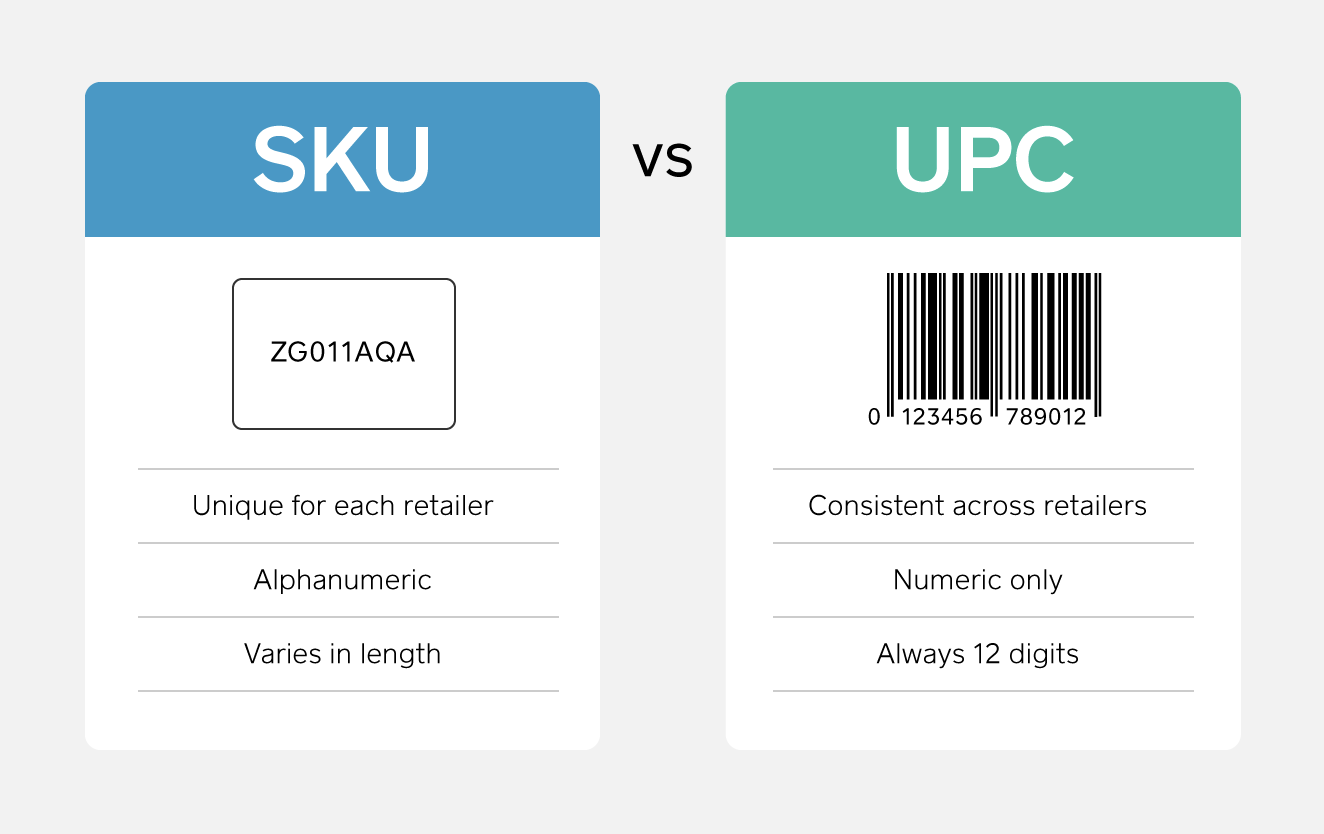
An SKU is more than just a barcode number; it’s a unique code generated by the seller that contains a wealth of information about a product, helping to differentiate it from all other items in inventory. Typically, SKUs are alphanumeric and include details like product type, size, color, brand, and even storage location. For example, “APPL-IPH15-BLU-128GB-ST1” might represent an Apple iPhone 15, Blue, 128GB, stored in warehouse bin ST1. This level of detail isn’t just for organization; it’s for precision in financial tracking.
From a financial perspective, each SKU represents a distinct asset that needs to be tracked through its entire lifecycle – from procurement to sale. This tracking allows businesses to:
- Accurately assess the cost of goods sold (COGS) for individual items.
- Monitor inventory turnover rates, identifying slow-moving items that tie up capital.
- Allocate marketing spend more effectively by understanding which specific product variations are performing best.
- Identify opportunities for price adjustments based on demand for particular SKUs.
Without a robust SKU system, a marketplace seller is essentially flying blind, unable to make informed financial decisions about purchasing, pricing, or promotions, thereby leaving significant money on the table or incurring unnecessary costs.
The Cost of Inefficient Inventory Management
The absence or poor implementation of an SKU system is a direct precursor to financial inefficiencies and losses. Consider the monetary implications of:
- Overstocking: Holding too much inventory for specific items means capital is tied up in goods that aren’t selling, leading to storage costs, potential obsolescence, and reduced cash flow. Without specific SKUs, identifying which items are overstocked becomes a herculean task.
- Understocking/Stockouts: Conversely, running out of popular items due to inadequate tracking through SKUs leads to missed sales opportunities and revenue loss. Customers will simply buy from a competitor, impacting online income directly.
- Manual Error and Discrepancies: Relying on manual counts or generic product names increases the likelihood of human error in inventory records. These discrepancies translate to financial inaccuracies, making tax reporting, profit calculations, and financial forecasting unreliable.
- Returns and Exchanges: Without clear SKUs, processing returns and exchanges becomes more complex and time-consuming, adding operational costs and potentially frustrating customers, which can lead to reputational damage and lost future sales.
Each of these issues erodes profit margins and hinders a business’s ability to generate sustainable online income. A well-designed SKU system mitigates these risks, directly contributing to a healthier financial outlook.
How SKUs Drive Profitability and Operational Efficiency
The strategic deployment of SKUs goes hand-in-hand with enhanced profitability and operational efficiency, two critical pillars of success for any marketplace seller. By providing granular data, SKUs empower sellers to make data-driven financial decisions that optimize every facet of their business.
Streamlining Sales Tracking and Analytics
SKUs are fundamental to accurate sales tracking. Each sale on a marketplace is recorded against a specific SKU, allowing sellers to:
- Analyze sales performance at a granular level: Identify which specific product variations (e.g., a red t-shirt in size large vs. a blue t-shirt in size small) are top sellers and which are underperforming. This insight is invaluable for reordering, promotional planning, and future product development, all with direct financial implications.
- Calculate profitability per product variation: By assigning costs to specific SKUs, businesses can precisely determine the gross profit margin for each item sold, guiding pricing strategies and allowing them to focus on high-margin products.
- Forecast demand with greater accuracy: Historical sales data, organized by SKU, enables more precise forecasting, reducing the risk of overstocking or understocking and optimizing cash flow by aligning purchasing with anticipated sales.
These analytical capabilities translate directly into better financial management, ensuring resources are allocated where they yield the highest return.
Optimizing Inventory Costs and Cash Flow
Effective SKU management is a cornerstone of optimizing inventory costs and maintaining healthy cash flow. By understanding exactly what is in stock, where it is, and how quickly it sells, businesses can:
- Minimize holding costs: Reducing excess inventory of specific SKUs frees up capital that can be reinvested or used for other operational needs. This prevents money from being tied up in depreciating assets.
- Prevent stockouts and maximize sales: By tracking individual SKUs, businesses can set reorder points and automate purchasing, ensuring popular items are always in stock and maximizing online income potential without unnecessary delays.
- Reduce shrinkage and loss: Precise SKU tracking makes it easier to identify and investigate discrepancies between recorded inventory and physical counts, helping to prevent financial losses due to theft, damage, or administrative errors.
- Improve supplier relationships and negotiation: Accurate SKU-based demand forecasting allows for better planning with suppliers, potentially leading to bulk discounts or more favorable payment terms, directly impacting procurement costs.
Enhancing Customer Satisfaction and Preventing Revenue Loss
While seemingly an internal tool, robust SKU management has a tangible impact on the customer experience, which indirectly affects a seller’s financial health.
- Accurate Order Fulfillment: When inventory is precisely tracked by SKU, the chances of sending the wrong item to a customer are drastically reduced. This prevents costly returns, exchanges, and customer service issues that drain resources and damage reputation.
- Reduced Cancellations due to Stockouts: Customers expect what they order to be available. Accurate SKU-based inventory prevents orders from being placed for out-of-stock items, avoiding frustrating cancellations that lead to lost sales and potential negative reviews.
- Improved Efficiency in Returns: For items that are returned, SKUs facilitate quick and accurate processing, ensuring the correct refund or exchange is issued promptly, maintaining customer trust and reducing administrative overhead.
By providing a seamless and reliable purchasing experience, sellers foster customer loyalty, encourage repeat business, and safeguard their online income stream against the financial setbacks of poor service.
Implementing Effective SKU Strategies for Financial Growth
Translating the theoretical benefits of SKUs into tangible financial growth requires a systematic approach to their creation and management. Marketplace sellers must proactively design, implement, and maintain a robust SKU system that integrates seamlessly with their financial objectives.
Crafting a Logical SKU System
The effectiveness of an SKU system hinges on its logic and consistency. A well-designed SKU should be:
- Unique: Every product variation must have its own distinct SKU.
- Informative: It should convey key product characteristics at a glance (e.g., brand, model, size, color).
- Concise: While informative, SKUs should not be overly long or complex, to minimize entry errors.
- Consistent: Establish clear rules for SKU generation and stick to them across all products and platforms.
For example, a marketplace seller dealing in apparel might use a structure like: [BRAND]-[CATEGORY]-[STYLE]-[SIZE]-[COLOR]. A specific item could be LEV-JEAN-501-32W34L-INDIGO. This system makes it easy to quickly identify items, track their sales, and manage inventory, all contributing to better financial oversight. Avoid using manufacturer barcodes (UPC/EAN) as SKUs, as these are external identifiers and do not offer the same internal organizational benefits or flexibility.
Leveraging Marketplace Tools and Integrations
Most major marketplaces and e-commerce platforms offer built-in tools for SKU management. Sellers should maximize these functionalities:
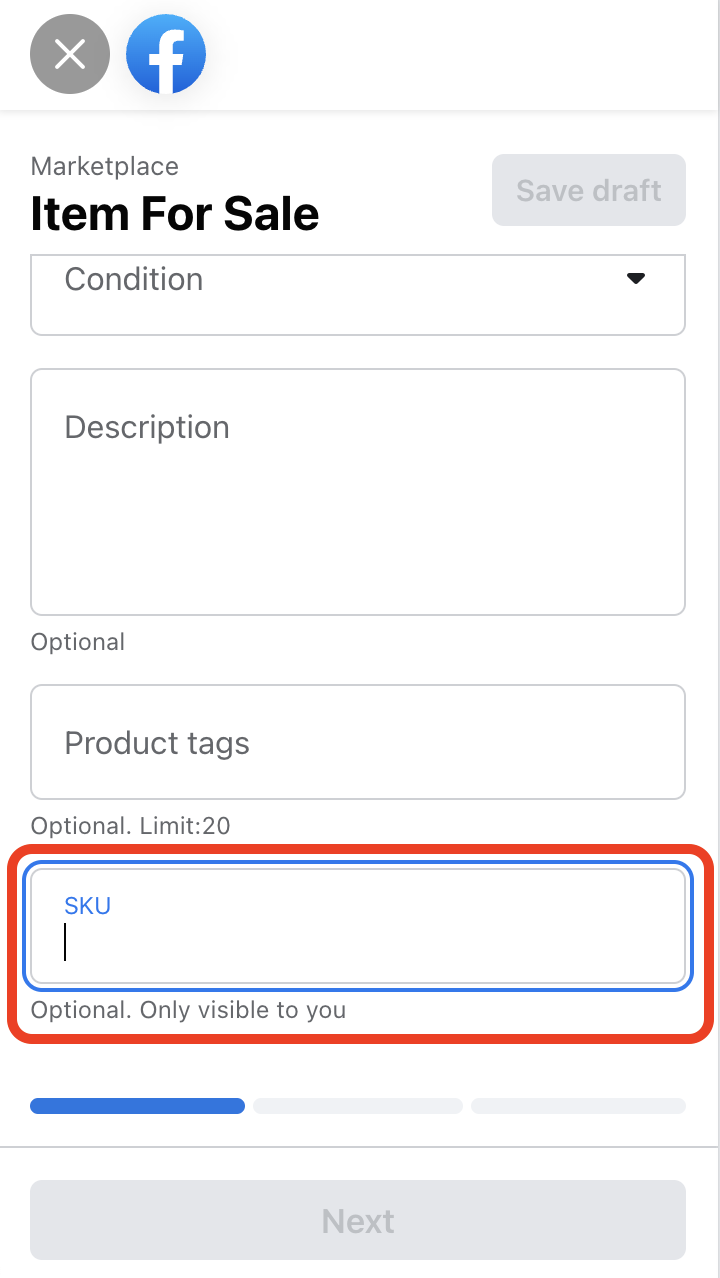
- Product Listings: Ensure every product listing has a correctly assigned SKU.
- Inventory Management Features: Utilize platform features for tracking stock levels, setting reorder points, and automating inventory updates.
- Reporting and Analytics: Extract SKU-level sales data from marketplace reports to inform financial decisions.
- Third-Party Integrations: For sellers managing multiple channels or a large product catalog, consider integrating with dedicated inventory management software. These tools often offer advanced features for multi-channel SKU synchronization, automated purchasing, and comprehensive financial reporting, streamlining operations and ensuring accurate financial records across all sales points.
Investing in the right tools can significantly reduce manual effort, minimize errors, and provide a clearer financial picture of operations.
Regular Audits and Performance Analysis
An SKU system is not a set-it-and-forget-it solution. To continuously drive financial growth, regular audits and performance analysis are crucial:
- Periodic Inventory Audits: Physically verify inventory against SKU records to catch discrepancies and ensure accuracy. This directly impacts asset valuation and financial reporting.
- SKU Performance Review: Regularly analyze sales data by SKU to identify top performers, slow-moving items, and products approaching obsolescence. Use this information to inform purchasing decisions, pricing adjustments, and promotional strategies that directly impact online income.
- System Refinement: As a business evolves, so too might its product catalog and operational needs. Be prepared to refine your SKU system, adding new categories or modifying existing structures to maintain its effectiveness and ensure it continues to support optimal financial management.
By understanding and strategically leveraging SKUs, marketplace sellers transform a simple product code into a powerful financial instrument. It moves beyond mere logistics to become a critical component of business finance, inventory valuation, sales forecasting, and ultimately, a driver of sustained online income and profitability in the dynamic world of e-commerce.
aViewFromTheCave is a participant in the Amazon Services LLC Associates Program, an affiliate advertising program designed to provide a means for sites to earn advertising fees by advertising and linking to Amazon.com. Amazon, the Amazon logo, AmazonSupply, and the AmazonSupply logo are trademarks of Amazon.com, Inc. or its affiliates. As an Amazon Associate we earn affiliate commissions from qualifying purchases.