
The question “what does skipjack tuna taste like?” delves beyond a simple culinary inquiry; it uncovers a fundamental aspect that shapes the branding, market positioning, and corporate identity of countless food businesses globally. The intrinsic flavor profile of skipjack tuna is not merely a gastronomic detail but a crucial data point informing strategic decisions for producers, marketers, and retailers. Understanding its taste—characterized by distinct notes and textures—is the bedrock upon which successful branding strategies for canned tuna, frozen fillets, and even pet food products are built.
The Intrinsic Flavor Profile and Its Branding Implications
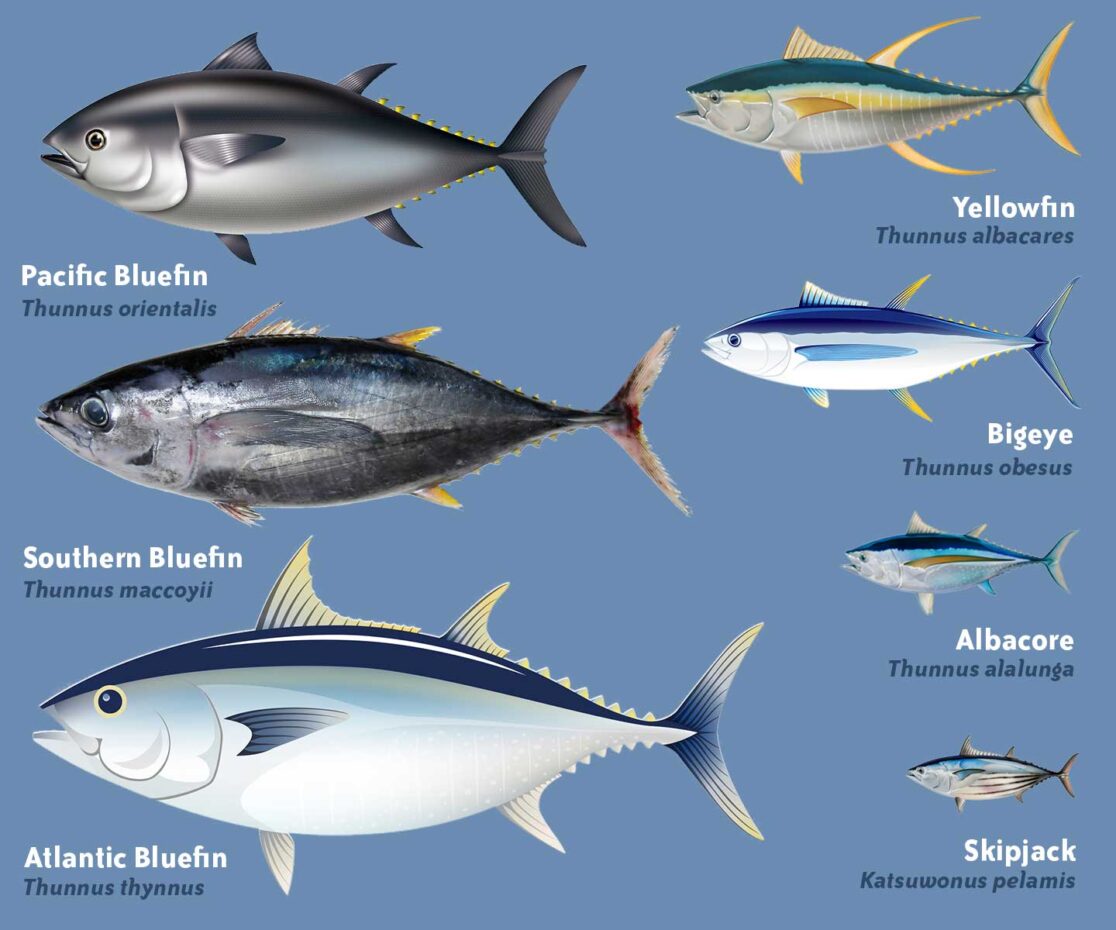
Skipjack tuna, often referred to as ‘light tuna,’ possesses a flavor profile that is notably different from its larger, more premium cousins like albacore or yellowfin. This distinction is paramount when it comes to branding and segmenting the market. Its taste is not an accidental attribute but a consistent characteristic that influences consumer perception and dictates how brands position their skipjack-based products.
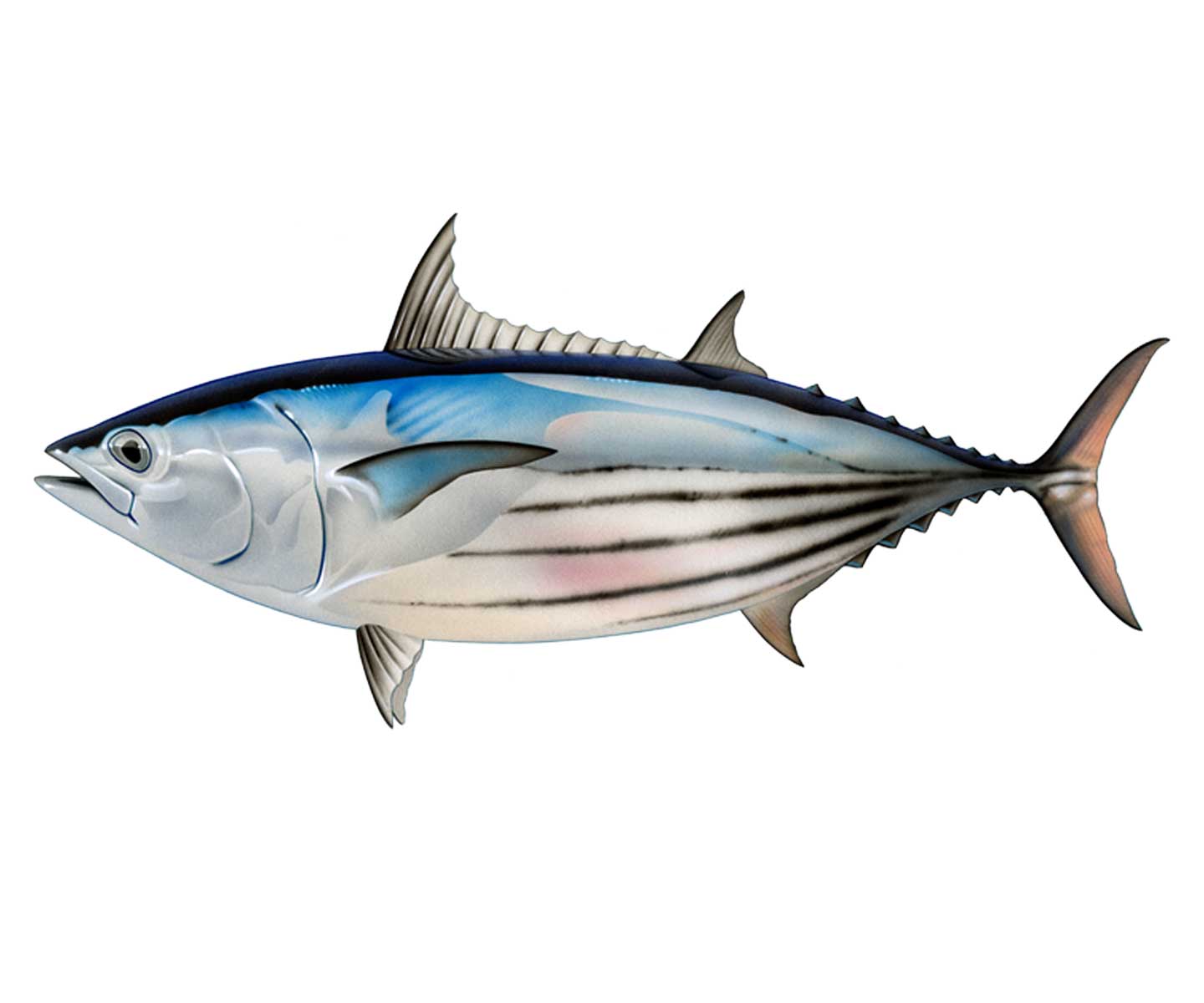
Decoding the Taste: Mildness, Oiliness, and Umami
At its core, skipjack tuna offers a mild, yet robust, fish flavor. It’s less delicate than albacore but not as intensely meaty or fatty as some yellowfin cuts. This characteristic mildness makes it an incredibly versatile canvas for culinary applications, a key selling point for brand strategists. The flavor often carries a slightly higher oil content than some other tuna varieties, which contributes to a distinctive richness and a less dry texture, especially when canned. This oiliness, while sometimes leading to a more “fishy” perception if not handled correctly, can also be leveraged as a positive attribute, implying succulence and flavor depth in branding efforts.
Beyond basic fishiness, skipjack exhibits a pronounced umami character. This savory depth is a natural flavor enhancer, allowing it to integrate seamlessly into a wide range of recipes from sandwiches and salads to pasta dishes and casseroles. For brands, highlighting this inherent umami can elevate the product from a mere protein source to a flavor-rich ingredient, appealing to consumers seeking both convenience and culinary quality. The consistent presence of this umami profile across different skipjack harvests and processing methods provides a reliable taste foundation for brands to promise and deliver, fostering consumer trust.
Texture and Mouthfeel: A Foundation for Market Positioning
The texture of skipjack tuna is another critical component informing its branding. Typically, skipjack has a firmer, flakier texture compared to the more steak-like consistency of some other tuna types. When canned, it often breaks apart more easily, making it ideal for dishes where a shredded or crumbled texture is desired. This textural quality is a direct driver of its primary market positioning: the everyday, versatile tuna.
Brands specifically lean into this flakiness. Packaging often shows images of tuna salad or sandwiches, where this texture is beneficial. The mouthfeel is generally moist due to its oil content, which prevents it from feeling dry despite its flakiness. A brand focusing on skipjack can highlight its “easy-to-mix” or “perfect-for-salads” attributes, directly capitalizing on its inherent texture. Conversely, a brand might choose to minimize this aspect if they aim for a more premium, steak-like presentation, perhaps by sourcing specific cuts or employing different processing techniques, demonstrating how taste and texture directly inform distinct brand narratives.
Crafting Brand Identity Around Skipjack’s Taste
The taste profile of skipjack tuna is not just a descriptive element; it is an active ingredient in constructing an effective brand identity. For many companies, skipjack is a core product, and its characteristic taste becomes synonymous with their brand promise, whether that promise is affordability, versatility, or sustainable sourcing.
From Commodity to Culinary Canvas: Branding Canned Tuna
Skipjack tuna’s taste, particularly its mildness and flakiness, has made it the cornerstone of the canned tuna industry. For decades, brands have successfully positioned canned skipjack as an accessible, affordable, and shelf-stable protein source. The branding challenge here is often to elevate it beyond a mere commodity. Brands achieve this by focusing on attributes linked to its taste: its ability to absorb flavors, its quick preparation time, and its role as a healthy meal component.
Modern branding strategies for skipjack tuna move beyond just convenience. Companies now often highlight how their processing methods preserve the “natural taste” or enhance the “freshness” of the skipjack, even in a canned format. This involves communicating details about brine composition (water, oil, or spring water), sustainable fishing practices, or specific preparation methods (e.g., “dolphin-safe,” “hand-packed”). These elements subtly reinforce a positive taste perception, suggesting a higher quality product derived from careful handling of the inherent skipjack flavor. By emphasizing these aspects, brands transform a mass-market product into one with perceived value and care, directly influenced by how its taste is managed and presented.
Value Proposition: How Taste Dictates Brand Segmentation
The taste profile of skipjack also directly dictates its value proposition and market segmentation. Its affordability, partly due to its abundance and efficient canning process, positions it as a value-oriented protein source. Brands that target budget-conscious consumers often emphasize skipjack’s taste as “family-friendly” or “a pantry staple,” leveraging its broad appeal and versatility.
However, the taste can also be used to create niche segments. Some brands might offer skipjack tuna “in olive oil” to enhance richness and combat any perceived dryness, aiming for a slightly more gourmet segment. Others might brand it specifically for pet food, where the robust fishy flavor is a desirable trait. In each case, the underlying taste of skipjack is manipulated, enhanced, or highlighted through branding to appeal to specific consumer groups with distinct needs and preferences. A brand might choose to promote the “clean” taste of skipjack packed in water for health-conscious individuals, while another emphasizes the “savory” taste of skipjack in oil for gourmands. This strategic differentiation, based on the inherent taste characteristics, is central to effective brand segmentation and market penetration.
Marketing the Flavor: Communicating Taste in Brand Narratives
Effective branding of skipjack tuna requires more than just knowing its taste; it demands communicating that taste compellingly to consumers. Marketing strategies translate the sensory experience of skipjack into narratives that resonate with target audiences, building anticipation and loyalty.
Visual Cues and Packaging: Setting Taste Expectations
Packaging plays an enormous role in communicating the taste of skipjack tuna before a consumer even opens the can. Brands use specific visual cues to set taste expectations. For instance, packaging featuring vibrant, fresh-looking salads suggests a light, refreshing taste experience. Images of hearty sandwiches or casseroles, on the other hand, imply a more substantial and satisfying flavor. The color palette of the packaging can also subtly influence perception: cool blues and whites might suggest freshness, while warmer reds and yellows could evoke richness or zest.
Furthermore, descriptors on the packaging are critical. Terms like “delicate,” “flaky,” “savory,” or “mild” directly describe the taste profile, guiding consumer choice. Brands also leverage ingredient transparency, listing where the fish was caught, how it was processed, and what it’s packed in. For example, “wild caught” implies a natural, unadulterated taste, while “packed in spring water” suggests a cleaner flavor. These seemingly minor details are powerful branding tools, manipulating how consumers expect skipjack tuna to taste and aligning with the brand’s overall promise.
Digital Storytelling: Engaging Consumers with Skipjack’s Versatility
In the digital age, marketing the taste of skipjack tuna extends to engaging storytelling. Brands use social media, recipe blogs, and video content to showcase the versatility and flavor potential of skipjack. Instead of just stating “it tastes good,” brands demonstrate how it tastes good in various culinary contexts. Recipe ideas, cooking tutorials, and user-generated content become powerful tools to highlight its mildness as an adaptable base, its umami as a flavor booster, or its flakiness as a desirable texture in dishes.
For example, a brand might share videos of a chef preparing a quick skipjack pasta sauce, emphasizing how the tuna’s flavor complements herbs and tomatoes, or a blogger might demonstrate how to transform canned skipjack into gourmet fish cakes, accentuating its texture. This approach moves beyond passive description to active demonstration, allowing consumers to visualize and anticipate the taste experience. By building a rich digital narrative around its taste, brands create communities and foster loyalty, ensuring that “what skipjack tuna tastes like” is a consistently positive and desirable experience.
Taste Consistency: A Pillar of Brand Trust and Loyalty
Ultimately, a brand’s long-term success hinges on its ability to consistently deliver on the taste promise it makes. For skipjack tuna, maintaining a predictable flavor profile across batches is not just a quality control issue; it is a fundamental pillar of brand trust and consumer loyalty.
Supply Chain Integrity and Flavor Preservation
The journey from ocean to can significantly impacts skipjack tuna’s final taste. Brands committed to taste consistency invest heavily in robust supply chain integrity. This includes working with reputable fishing operations that employ best practices for handling and chilling fish immediately after catch, minimizing degradation that could affect flavor. Rapid processing, controlled canning temperatures, and careful selection of packing liquids (water, oil, or broth) are all meticulously managed to preserve the inherent taste of skipjack.
Any deviation in this process can alter the taste, leading to consumer disappointment and erosion of brand trust. Therefore, brands often highlight their commitment to quality control and sustainable sourcing, implicitly assuring consumers of a consistent, high-quality flavor experience. This transparency about their supply chain is a branding play, communicating that the brand meticulously cares for the product, thereby safeguarding the taste that consumers have come to expect and rely upon.
Recipe Integration: Reinforcing Brand Experience Through Application
The ultimate test of a skipjack tuna brand’s taste promise lies in its performance in real-world culinary applications. Brands actively provide recipe suggestions and culinary inspiration, knowing that positive cooking and eating experiences reinforce their brand’s appeal. When consumers successfully incorporate skipjack tuna into their meals and find the taste to be exactly as expected—versatile, savory, and satisfying—it solidifies their trust in the brand.
This reinforcement creates a virtuous cycle: consistent taste builds trust, trust encourages repeat purchases, and repeat purchases strengthen brand loyalty. A brand that understands “what does skipjack tuna taste like” and successfully manages that taste from ocean to plate, consistently delivers a product that fulfills its marketing promises. It is this unwavering consistency in taste that transforms a simple food item into a cherished, reliable component of a consumer’s pantry, embodying the very essence of a strong and enduring brand.
aViewFromTheCave is a participant in the Amazon Services LLC Associates Program, an affiliate advertising program designed to provide a means for sites to earn advertising fees by advertising and linking to Amazon.com. Amazon, the Amazon logo, AmazonSupply, and the AmazonSupply logo are trademarks of Amazon.com, Inc. or its affiliates. As an Amazon Associate we earn affiliate commissions from qualifying purchases.