
The phrase “single origin coffee” has become a ubiquitous term in the specialty coffee industry, frequently appearing on bags, cafe menus, and in marketing materials. Far from being a mere descriptor, it represents a profound branding and marketing strategy that significantly shapes how coffee is sourced, presented, and perceived by consumers. Understanding single origin coffee means delving into its precise definition, its strategic role in brand differentiation, and its pervasive influence on corporate identity and consumer engagement within the global coffee market.
More Than Just Beans: Defining Single Origin in the Coffee Landscape
At its core, “single origin” refers to coffee beans that can be traced back to a specific geographic location. This designation is a cornerstone of branding in the specialty coffee world, signaling purity, transparency, and a unique flavor profile to the discerning consumer.
The Genesis of a Designation: Tracing the Origin
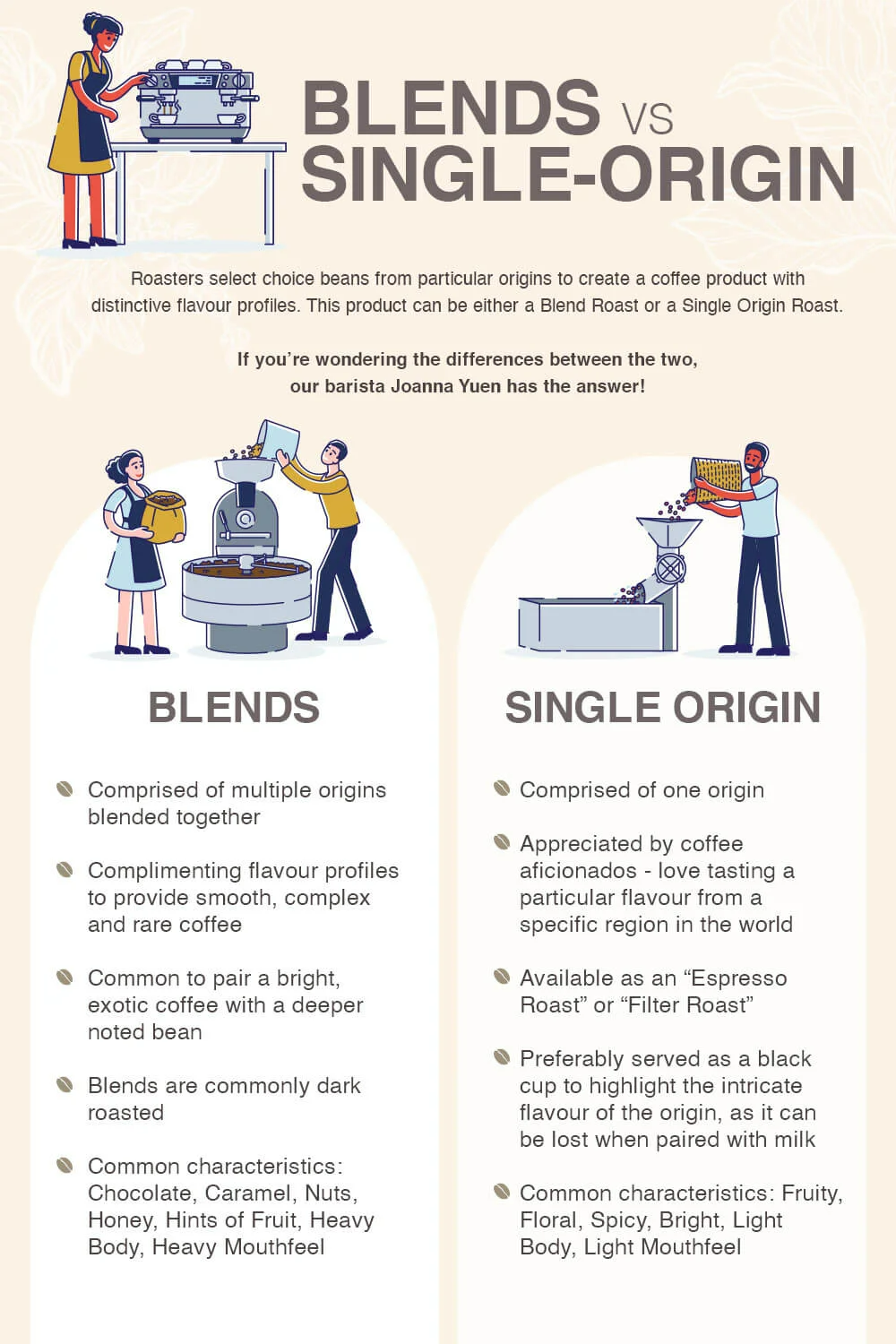
The precision of “single origin” can vary, but its fundamental premise is traceability. Unlike traditional coffee blends, which often combine beans from multiple countries or regions to achieve a consistent flavor profile, single origin coffees highlight the unique characteristics of a specific place. This geographic specificity can range from a single country (e.g., “Colombian coffee”) to a particular region within that country (e.g., “Antioquia, Colombia”), a specific farm or estate (e.g., “Finca La Esmeralda, Panama”), or even a single lot or varietal grown on that farm. The more precise the origin, the stronger the narrative and the clearer the brand promise of uniqueness.
This granular traceability offers a distinct advantage in branding. By narrowing the geographic scope, roasters can showcase the distinct environmental factors—terroir, altitude, soil composition, and climate—that contribute to a coffee’s unique attributes. This level of detail transforms a commodity into a crafted product, allowing brands to tell a compelling story about the coffee’s journey from seed to cup. It’s a deliberate choice to move away from the generalized “coffee” brand towards a specific, identifiable product with its own heritage.
Purity and Transparency: The Core Brand Promise
The brand promise inherent in single origin coffee revolves around two key pillars: purity and transparency. Purity implies an unadulterated flavor profile that accurately reflects its origin, untouched by blending with other coffees that might dilute or alter its intrinsic characteristics. For roasters, this means allowing the coffee’s natural qualities to shine, which is a significant part of their brand’s philosophy and craftsmanship.
Transparency, on the other hand, is about revealing the source and often the journey of the beans. This resonates strongly with modern consumers who increasingly value ethical sourcing, sustainability, and a clear understanding of where their products come from. A brand that offers single origin coffee implicitly communicates a commitment to these values. They are not just selling coffee; they are selling a story of origin, effort, and care. This transparency builds trust and fosters a deeper connection between the brand and its customers, moving beyond a simple transactional relationship to one built on shared values and authenticity. It allows brands to leverage the narrative of the farmer, the unique microclimate, or the specific processing method as powerful marketing tools.
The Strategic Branding Power of Single Origin
Beyond its definition, single origin coffee serves as a potent strategic tool for branding, allowing companies to carve out distinct identities, create compelling narratives, and build robust perceptions of quality and trust.
Differentiating in a Saturated Market
In an increasingly crowded coffee market, differentiation is paramount. Single origin coffee provides a powerful mechanism for brands to stand out. By focusing on specific origins, roasters can offer a rotating selection of unique flavor profiles, positioning themselves as curators of exceptional and rare coffees. This strategy moves a brand beyond competing solely on price or convenience, enabling it to engage a discerning consumer segment willing to pay a premium for novelty, quality, and an authentic experience.
For a new coffee brand, specializing in single origin offerings can immediately establish a niche identity as an expert and connoisseur. For established brands, it can reinvigorate their image, demonstrating an ongoing commitment to quality and innovation. This focus helps avoid commodity traps by elevating coffee to an experience, each cup a journey to a specific place, creating a unique selling proposition that is hard for mass-market blends to replicate. The brand’s identity becomes synonymous with exploration and discovery, attracting a loyal customer base eager to try the next unique offering.
Crafting a Narrative: The Story Behind the Cup
Perhaps one of the most compelling aspects of single origin coffee from a branding perspective is its inherent storytelling potential. Each single origin coffee comes with a unique narrative—the story of the land, the farmers, the processing methods, and the specific conditions that contribute to its distinctive taste. Brands can leverage these stories to connect with consumers on an emotional level, transforming a simple beverage into an experience imbued with heritage and human effort.
Marketing campaigns can highlight the dedication of a specific farming family in Ethiopia, the meticulous hand-picking process in a high-altitude Colombian farm, or the innovative drying techniques used in a micro-lot in Panama. This narrative crafting is a powerful branding exercise, building a deeper understanding and appreciation for the product. It allows brands to communicate values like sustainability, fair trade, and community support, aligning their corporate identity with ethical consumerism. By providing context and humanizing the product, brands can foster a strong emotional bond, enhancing brand loyalty and perceived value. The story becomes as important as the taste itself, creating a multi-sensory and intellectual brand experience.
Quality Perception and Consumer Trust
The label “single origin” has become synonymous with higher quality in the minds of many consumers. This perception is actively cultivated through branding and marketing efforts. The implication is that a coffee traceable to a single, specific source has undergone more careful cultivation, processing, and selection than a generic blend. This perceived attention to detail naturally elevates the product’s standing.
Furthermore, single origin branding implicitly fosters consumer trust through its emphasis on traceability. When a brand can pinpoint the exact farm or region, it demonstrates a level of accountability and transparency that builds confidence. This trust is crucial for building a lasting relationship with customers. Brands can further reinforce this by educating consumers about the nuances of origin, varietals, and processing methods, positioning themselves as authoritative and knowledgeable sources. This educational approach serves as a powerful marketing tool, empowering consumers and solidifying the brand’s reputation as a reliable purveyor of exceptional coffee. This commitment to education and transparency contributes significantly to a brand’s overall corporate identity as a leader in quality and integrity.
Marketing Single Origin Coffee: Challenges and Opportunities
While single origin coffee offers immense branding advantages, its effective marketing also presents unique challenges and opportunities that require strategic thinking in communication, supply chain management, and visual identity.
Educating the Consumer: From Niche to Mainstream Appeal
One of the primary marketing challenges for single origin coffee is translating its inherent complexity into accessible and appealing messaging for a broader audience. While connoisseurs appreciate detailed information about varietals and processing, many consumers might find it overwhelming. Brands must find creative ways to educate without alienating. This can involve crafting engaging in-store experiences, developing intuitive packaging designs that highlight key flavor notes and origin stories, and creating digital content (blogs, social media, videos) that demystifies the coffee journey.
The opportunity lies in transforming the educational process into an engaging discovery for the consumer. By explaining the “why” behind the higher price point—the labor, the rarity, the unique terroir—brands can justify the premium and demonstrate value. Marketing materials should focus on the sensory experience, using evocative language to describe tasting notes and aromas, making the exotic feel approachable. Successful brands use education not just to inform, but to inspire curiosity and build an appreciation for the craftsmanship behind each cup, moving single origin coffee from a niche interest to a more widely appreciated premium offering.
Supply Chain Nuances and Brand Consistency
The very specificity that gives single origin coffee its branding power also creates supply chain complexities. Single origin lots are often smaller, seasonal, and subject to environmental factors, meaning that a particular coffee may only be available for a limited time. This presents a challenge for maintaining brand consistency, as a roaster cannot offer the same exact single origin coffee year-round.
Brands must leverage this challenge as an opportunity. By embracing the seasonality and rotating their single origin offerings, brands can cultivate an image of constant freshness, innovation, and expertise in sourcing. This creates a sense of urgency and excitement among consumers, encouraging repeat purchases to try the “next” limited edition. Marketing communications should proactively manage expectations regarding availability and highlight the unique opportunity each seasonal offering presents. Furthermore, ethical sourcing practices—ensuring fair compensation and sustainable practices at the origin—become crucial brand pillars, reinforcing the brand’s integrity and appeal to ethically conscious consumers. This dynamic approach to product offering becomes part of the brand’s innovative and dynamic corporate identity.
Packaging and Visual Identity: The First Impression
For single origin coffee, packaging and visual identity are paramount, serving as the consumer’s first tangible interaction with the brand and the product’s story. The design must convey origin, quality, and the unique narrative contained within. Brands often employ sophisticated design elements, including custom illustrations, maps, and specific color palettes that evoke the coffee’s terroir and cultural heritage. Typography choices can range from rustic to minimalist, each communicating a different aspect of the brand’s personality and the coffee’s profile.
Consistent visual identity across various single origin offerings is essential, even as the specific details change. While each bag highlights a different origin, the overarching brand identity (logo, brand colors, stylistic elements) must remain cohesive, reinforcing brand recognition and trust. Effective packaging communicates the brand’s commitment to quality, its passion for storytelling, and its dedication to transparent sourcing, all before the first sip. It acts as a silent salesperson, conveying the brand’s values and positioning it distinctively on the shelf.
Beyond the Brew: The Impact on Coffee Roasters and Retailers
The embrace of single origin coffee profoundly impacts the operational and branding strategies of roasters and retailers, shaping their identity, market position, and customer experience.
Shaping a Roaster’s Identity
For coffee roasters, their selection and presentation of single origin coffees are central to shaping their corporate identity. A roaster might choose to specialize in coffees from a particular continent, focus on specific processing methods, or curate a selection known for extreme rarity. This specialization allows them to build a reputation as experts in a particular niche, attracting a dedicated clientele who share their passion.
The act of sourcing and roasting single origins requires significant expertise, from developing relationships with growers to precisely profiling each unique bean. Brands that excel in this area build a reputation for meticulous craftsmanship and an unyielding commitment to quality. Their brand narrative becomes one of exploration, discovery, and an uncompromising pursuit of exceptional flavor. This also allows them to differentiate from larger, more commercial roasters who may focus more on blends for consistency and volume, positioning the single origin roaster as an artisanal, quality-driven brand.
Enhancing the Cafe Experience
Retail cafes that feature single origin coffees can significantly enhance their customer experience, transforming a simple coffee purchase into an educational and sensory journey. Baristas, trained in the nuances of each single origin, become brand ambassadors, capable of engaging customers with stories of origin, flavor profiles, and ideal brewing methods. This level of informed service elevates the cafe experience beyond mere transaction, fostering customer loyalty and a sense of belonging within a community of coffee enthusiasts.
Menu design and presentation also play a crucial role. Clearly labeling single origin offerings with their origin, tasting notes, and a brief story encourages customers to explore and discover new favorites. Cafes can offer flights of single origin coffees, allowing customers to compare and contrast, further deepening their appreciation and engagement. This creates a “discovery” experience, positioning the cafe not just as a place to get coffee, but as a destination for sensory exploration and learning. By carefully curating their single origin offerings and empowering their staff to share their knowledge, cafes build a strong brand identity as purveyors of fine, unique coffees, creating a distinct competitive advantage.
aViewFromTheCave is a participant in the Amazon Services LLC Associates Program, an affiliate advertising program designed to provide a means for sites to earn advertising fees by advertising and linking to Amazon.com. Amazon, the Amazon logo, AmazonSupply, and the AmazonSupply logo are trademarks of Amazon.com, Inc. or its affiliates. As an Amazon Associate we earn affiliate commissions from qualifying purchases.