
Pollock’s Taste Profile: A Driver of Economic Value
At its core, understanding what pollock fish tastes like offers a critical lens into its economic significance across global markets. Far from being a mere culinary curiosity, pollock’s mild, flaky, and somewhat delicate flavor profile is the bedrock of its commercial success, influencing everything from consumer purchasing habits to multinational seafood investment strategies. Its taste isn’t just about enjoyment; it’s about market adaptability, cost-effectiveness, and the financial bottom line for countless businesses and households worldwide.
The Mild Palate and Its Market Adaptability
Pollock possesses a distinctly mild taste, characterized by a clean, almost sweet undertone that is rarely “fishy” in the way some oilier species can be. This neutrality is not a weakness but its greatest financial strength. Unlike strong-flavored fish that cater to niche palates, pollock’s subtle taste makes it an incredibly versatile canvas for culinary applications. For food manufacturers and the quick-service restaurant industry, this adaptability translates directly into significant cost savings and broader market appeal.
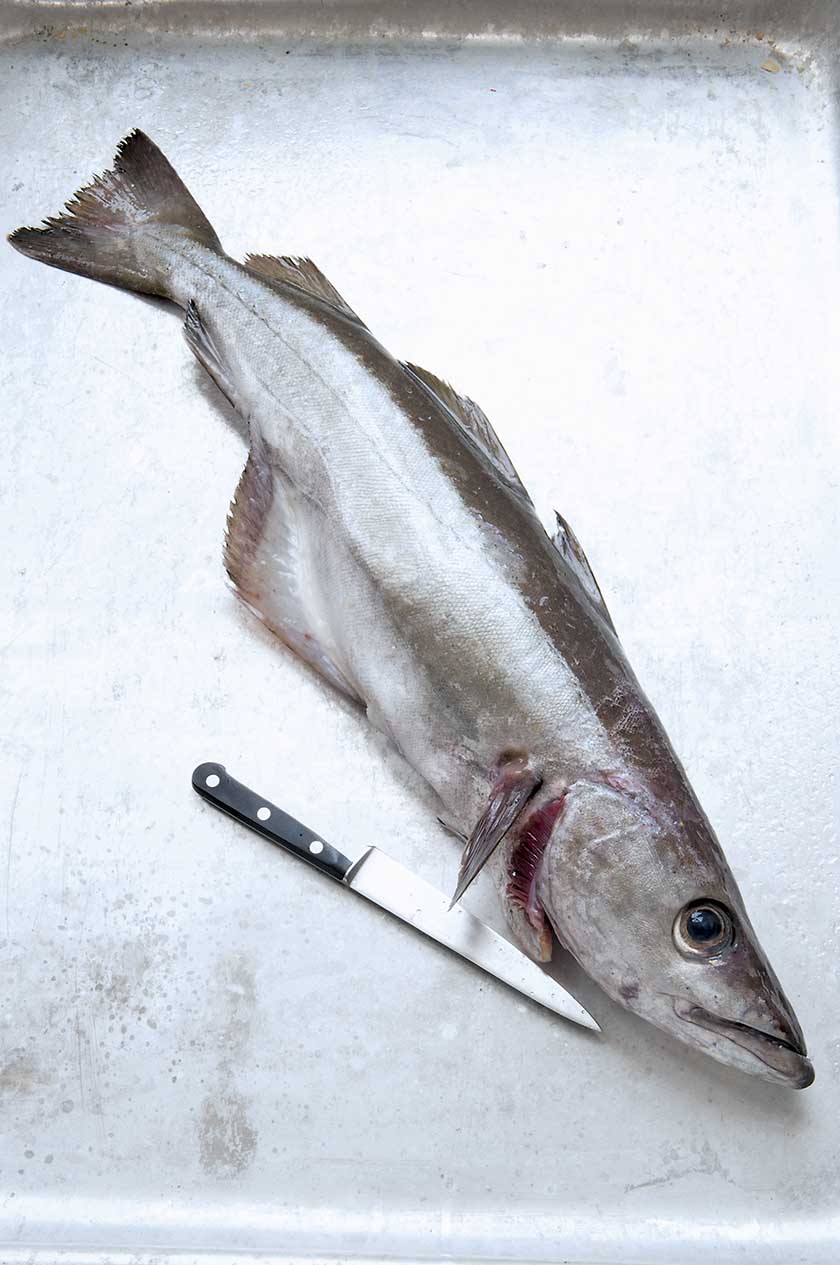
Consider the economics: a fish that can be seasoned and prepared in countless ways—fried, baked, grilled, steamed, or flaked into salads—requires less specialized handling or marketing efforts to mask an undesirable natural flavor. This allows for economies of scale in processing and distribution. For consumers, particularly those with families or diverse dietary preferences, pollock’s mildness reduces the risk of rejection, making it a “safe” and thus financially sensible purchase for consistent meal planning. It reduces food waste at home and ensures predictable demand for businesses.
Texture and Culinary Versatility: Enhancing Financial Utility
Beyond taste, pollock’s texture plays a crucial role in its economic viability. When cooked, its flesh is firm yet tender, flaking easily into large, succulent pieces. This desirable texture contributes to its wide array of product forms, further solidifying its financial utility. Pollock is the primary ingredient in many value-added products that populate supermarket freezers globally, including fish sticks, fish fillets for sandwiches, and often, imitation crab meat (surimi).
The ability to process pollock into various forms efficiently and cost-effectively means that businesses can maximize the yield from each catch, reducing waste and increasing revenue. For example, the transformation of pollock into surimi is a testament to its versatility, creating a entirely new market segment. This process extends the shelf life, diversifies product offerings, and taps into different consumer needs and price points, all contributing to the financial health of the seafood industry. The consistent texture also ensures a reliable product for large-scale food service operations, where consistency is paramount for brand reputation and customer satisfaction—both directly impacting financial performance.
The Financial Appeal of Pollock: Budgeting and Market Dynamics
Pollock’s unassuming taste profile and cooperative texture elevate it from a simple marine creature to a financially strategic asset. Its role in personal finance, global trade, and the long-term sustainability of the seafood sector is profound, driven largely by its foundational characteristics.
A Staple for the Cost-Conscious Consumer
From a personal finance perspective, pollock stands out as an exceptionally budget-friendly source of lean protein. Its affordability, especially when compared to premium white fish like cod or halibut, makes it a go-to choice for consumers looking to maximize nutritional value without overspending. For families on a tight budget, pollock offers a consistent, healthy, and palatable option that aligns with smart grocery shopping strategies. This positions pollock as a resilient commodity, less susceptible to luxury market fluctuations and more tied to the stable demand of everyday household economics.
Its pervasive presence in frozen food aisles also speaks to its cost-effectiveness in processing and distribution, allowing retailers to offer it at competitive prices. This accessibility democratizes seafood consumption, making it a financially viable option for a broader demographic, thereby securing its enduring market presence.
Global Commodity and Industry Impact
On a larger scale, pollock is a global commodity, with massive fisheries in the North Pacific (Alaska pollock) supporting a multi-billion dollar industry. Its consistent taste and texture are critical factors in maintaining its high-volume production and facilitating complex international trade agreements. Businesses involved in catching, processing, and distributing pollock rely on its predictable characteristics to manage inventory, forecast demand, and establish stable pricing mechanisms.
The mild taste, allowing for diverse culinary applications, means that pollock can transcend cultural food preferences, serving markets from North America to Asia. This broad market acceptance provides financial stability for the fishing industry, attracting investment in sustainable harvesting technologies and processing infrastructure. Fluctuations in pollock stock or taste perception could have widespread financial ripple effects across the entire seafood supply chain, underscoring how deeply its sensory qualities are intertwined with global economics.
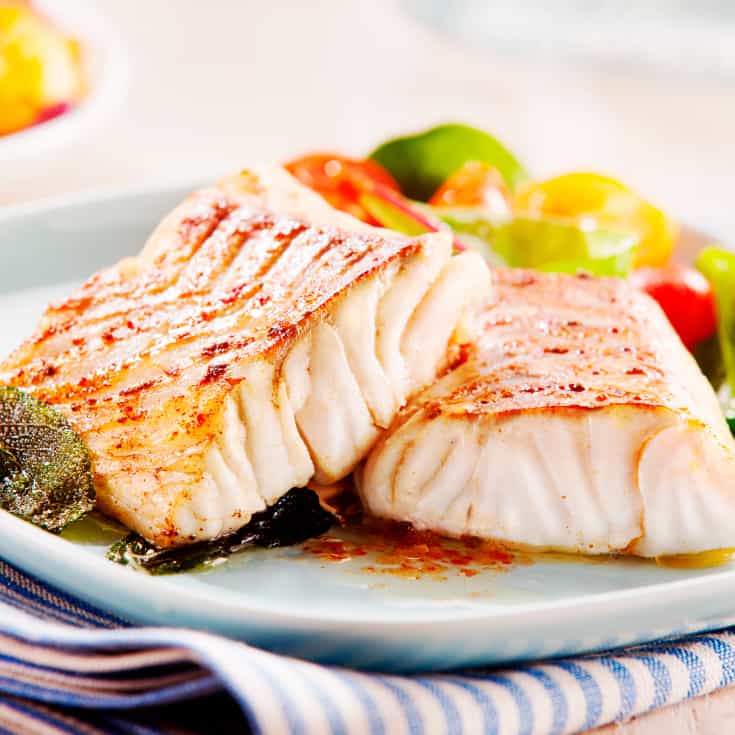
Sustainability and Long-Term Value
The sustainability of pollock fisheries, particularly the well-managed Alaska pollock fishery, directly contributes to its long-term financial value. Consumers and institutional buyers are increasingly factoring environmental responsibility into their purchasing decisions. A certified sustainable fishery ensures a consistent supply for the future, mitigating supply chain risks and offering predictability for financial planning.
From an investment standpoint, companies engaged in sustainable pollock harvesting operations are often viewed as more stable and responsible, potentially attracting ethical investors. The ability to guarantee a consistent, high-quality product, backed by robust environmental stewardship, minimizes future price volatility and enhances brand reputation, both of which are critical for sustained financial growth and market leadership in the competitive food industry.
Pollock in the Investment Landscape: Beyond the Plate
For investors and financial analysts, pollock is not just a fish; it’s an economic indicator and a vital component of the food and commodities sector. Its distinct characteristics, primarily taste and versatility, dictate its role in diverse investment strategies and market trend analyses.
Seafood Sector Investment
Companies that operate in the pollock fishery—from harvesting and processing to distribution and retail—represent significant investment opportunities. The stable demand for pollock, driven by its palatable taste and affordability, underpins the consistent revenue streams of these businesses. Investors look at factors like catch quotas, processing capabilities, and market share of pollock-based products as indicators of financial health and growth potential within the seafood sector. Understanding consumer preference for mild-tasting, versatile fish like pollock is key to evaluating the long-term viability and profitability of these enterprises. The consistent demand allows for predictable cash flows, making it an attractive segment for both private and public equity investors.
Market Trends and Future Outlook
The future financial outlook for pollock is closely tied to evolving consumer tastes, health trends, and sustainability demands. As global populations grow and seek affordable protein sources, pollock’s mild taste and health benefits (high in lean protein, low in fat) position it favorably. Investment analysts closely monitor these trends, along with innovations in processing technology that can further enhance pollock’s marketability or reduce production costs. For instance, the development of new ways to utilize pollock by-products can open new revenue streams, increasing the overall financial efficiency of the industry. The ability of pollock to adapt to new culinary trends (e.g., in poke bowls, fish tacos) extends its market relevance and future investment potential.
Risk Management and Diversification
In the broader context of commodity trading and business finance, pollock’s consistent demand and relatively stable pricing (compared to more volatile commodities) can play a role in risk management and portfolio diversification. For food companies, including pollock in their product lines can hedge against price fluctuations in other, more expensive protein sources. For commodity traders, understanding the supply-demand dynamics driven by pollock’s consumer appeal is crucial for making informed decisions. The financial stability offered by a product with such broad acceptance and versatility helps businesses manage operational risks and allows for more predictable long-term financial planning.
Maximizing Value: Smart Choices with Pollock
Ultimately, understanding what pollock fish tastes like translates directly into actionable financial insights for both consumers and businesses. Leveraging its unique attributes intelligently can lead to significant economic benefits.
Consumer Financial Literacy
For consumers, knowing that pollock offers a mild, versatile, and affordable protein source empowers them to make financially savvy grocery choices. Integrating pollock into weekly meal plans can significantly reduce food budgets without compromising on nutrition or taste satisfaction. Utilizing its mild flavor to experiment with various seasonings and cooking methods maximizes its value, transforming a simple, inexpensive ingredient into diverse and exciting meals, effectively stretching household finances further. Smart financial planning often starts with intelligent purchasing, and pollock presents a clear opportunity here.
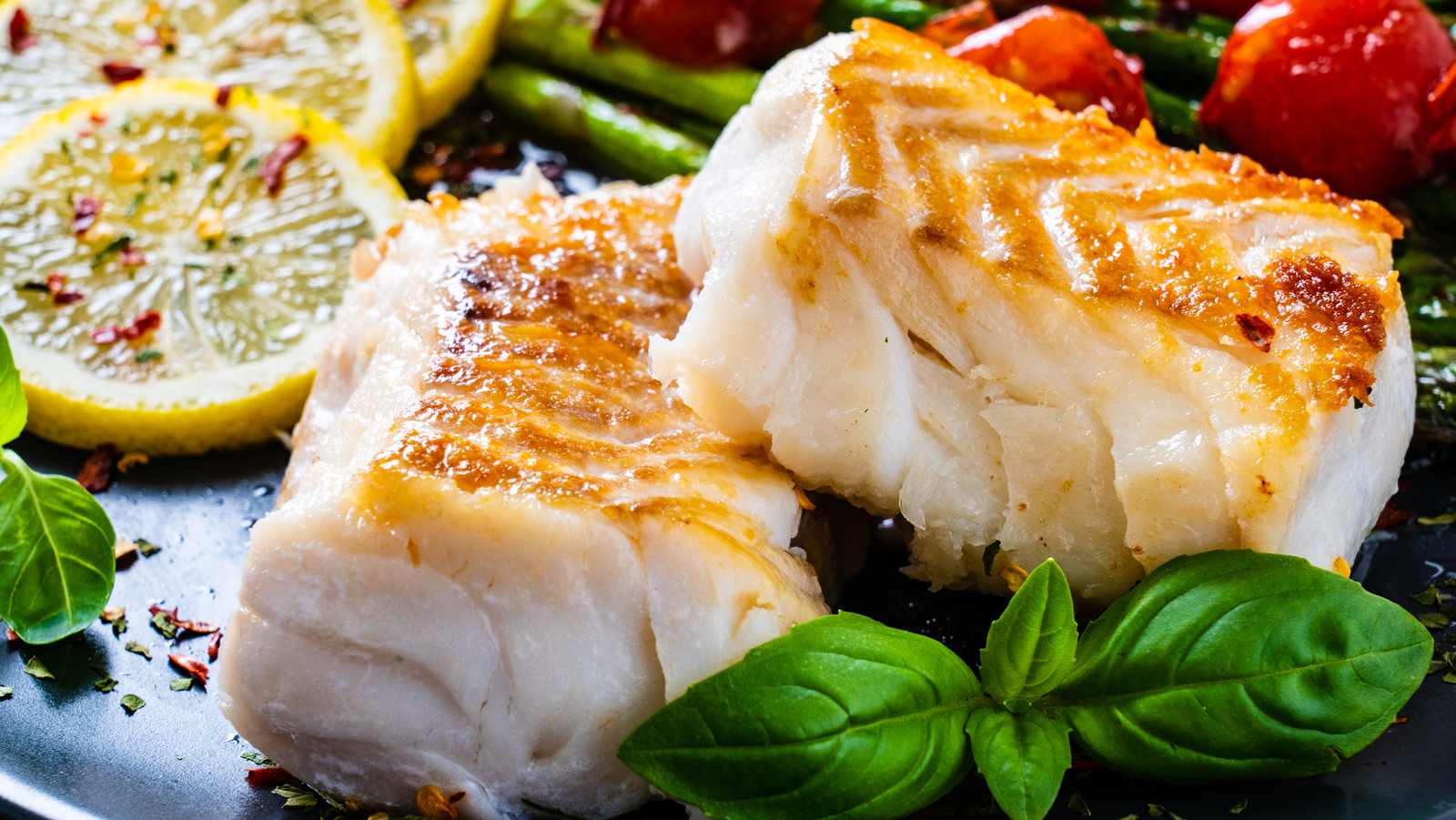
Business Strategy: Leveraging Pollock’s Taste and Cost-Effectiveness
For businesses, pollock’s taste and texture are foundational to strategic product development and market penetration. Food service companies can leverage its mildness to create a wide range of universally appealing dishes. Processors can capitalize on its texture to produce consistent, high-quality value-added products. By understanding and marketing these inherent qualities, businesses can optimize their supply chains, manage costs effectively, and cater to broad market segments, from fast food to specialty retailers. This deep understanding of pollock’s sensory attributes is not just about culinary arts; it’s about informed financial decision-making that drives revenue and builds sustainable competitive advantages in the global seafood market.
aViewFromTheCave is a participant in the Amazon Services LLC Associates Program, an affiliate advertising program designed to provide a means for sites to earn advertising fees by advertising and linking to Amazon.com. Amazon, the Amazon logo, AmazonSupply, and the AmazonSupply logo are trademarks of Amazon.com, Inc. or its affiliates. As an Amazon Associate we earn affiliate commissions from qualifying purchases.