
The quintessential peppercorn sauce, a culinary classic, offers far more than a simple condiment; it presents a complex sensory experience that profoundly influences brand perception, product differentiation, and consumer loyalty in the food industry. For restaurants crafting signature dishes or food brands developing premium ready-to-use offerings, understanding and mastering the nuanced taste profile of peppercorn sauce is paramount to establishing a distinct and memorable culinary identity.
The Sensory Architecture of a Signature Flavor Profile: Defining Brand Identity Through Taste
At its core, the taste of peppercorn sauce is a sophisticated interplay of heat, aromatic depth, savory umami, and often, a creamy richness. It’s this intricate balance that brands leverage to communicate quality, tradition, or innovative flair. Deconstructing this flavor profile reveals the building blocks of a potent brand message.
The Core Components: Heat, Aromatic Depth, and Savory Umami
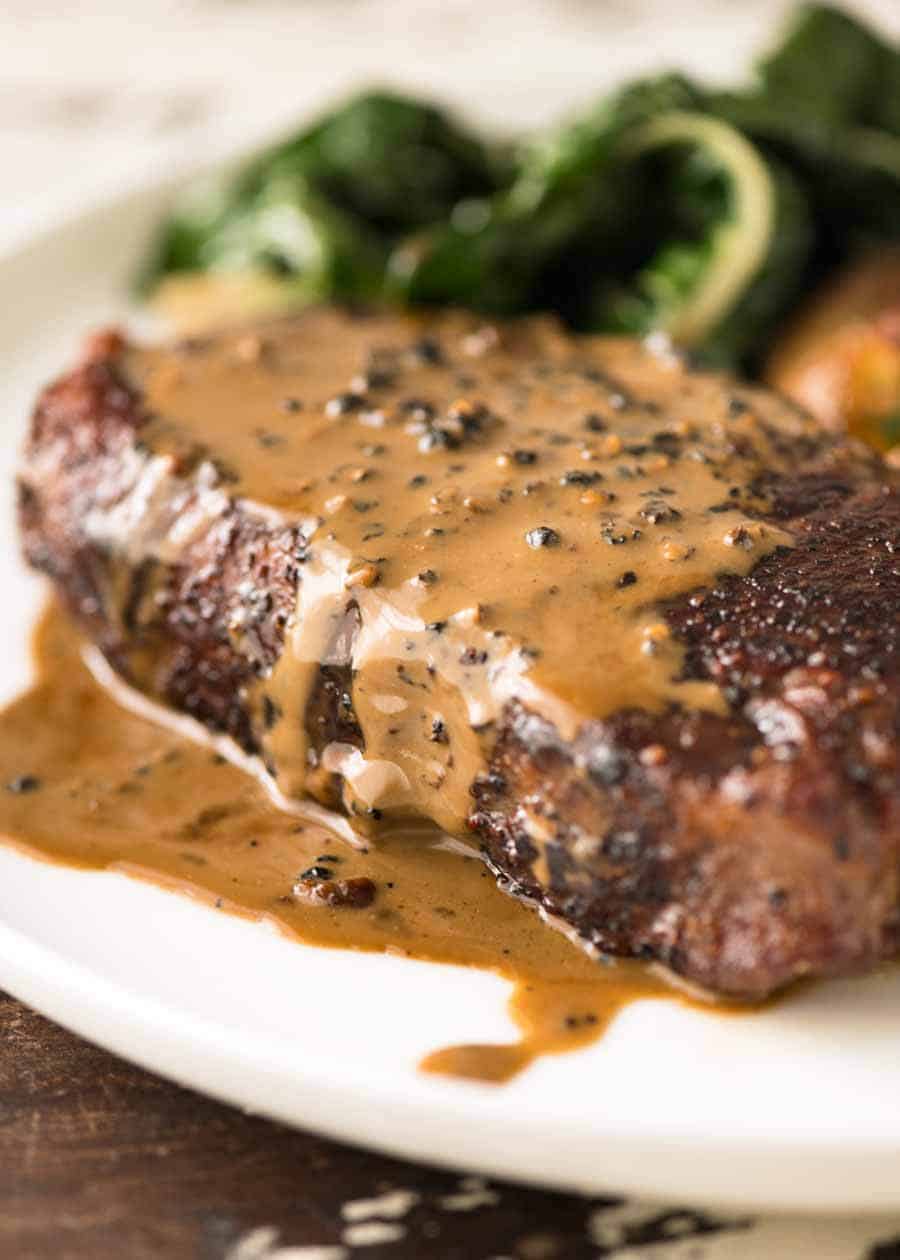
The most prominent characteristic of peppercorn sauce is its distinctive warmth, derived primarily from freshly cracked black peppercorns. This isn’t merely a generalized spiciness; it’s a specific, invigorating heat that tingles the palate, often described as pungent, woody, and slightly floral. The intensity of this heat can vary significantly, serving as a key differentiator. A high-end steakhouse might opt for a bold, assertive pepper kick to complement rich cuts of meat, signaling a robust and sophisticated dining experience. Conversely, a family-friendly brand might tone down the heat, aiming for a broader appeal and a comforting, approachable profile.
Beyond the initial heat, peppercorn sauce offers a deep aromatic complexity. This often comes from a base of sautéed shallots or onions, garlic, and frequently a reduction of brandy or cognac, which introduces caramelized notes and a subtle sweetness. These aromatics meld with the pepper to create a fragrant bouquet that tantalizes before the first bite. The choice of spirits, the depth of caramelization, and the precise timing of their integration are all subtle cues that contribute to a brand’s perceived level of craftsmanship and culinary expertise.
Finally, the savory umami backbone is critical. This typically originates from a rich stock (beef or veal being common) and often cream or demi-glace. This foundation provides body and depth, grounding the peppercorn’s sharpness and the aromatics’ complexity. The quality and concentration of the stock, alongside the richness of the dairy component, directly impact the sauce’s perceived luxury and indulgence. A thinner, less robust sauce might signal a more casual, everyday brand, while a deeply concentrated, velvety sauce speaks to premium ingredients and meticulous preparation, reinforcing a high-end brand’s promise.
Texture as a Brand Touchpoint: Smooth, Velvety, or Robust?
Taste is inextricably linked with texture, and for peppercorn sauce, its mouthfeel is a crucial element of its brand identity. A truly exceptional peppercorn sauce typically boasts a velvety, smooth consistency, allowing it to coat the palate luxuriously. This is often achieved through careful reduction and the emulsification of fats. Yet, the presence of coarsely crushed peppercorns adds a contrasting, pleasant grittiness and visual appeal, reminding the diner of its core ingredient and enhancing the sensory experience.
Brands must consciously decide on their desired texture. A smooth, refined sauce suggests elegance and sophistication, ideal for fine dining establishments. A slightly thicker, more rustic sauce with visible pepper flecks might communicate homemade goodness and hearty comfort, fitting for a casual bistro or a gourmet food brand emphasizing traditional methods. This textural choice is not arbitrary; it’s a deliberate design decision that aligns with the brand’s overarching narrative and target consumer expectations.
Strategic Differentiation: Leveraging Peppercorn Sauce in Culinary Branding
In a competitive market, where culinary offerings can often appear similar, a distinctive peppercorn sauce can serve as a powerful differentiator. Brands that meticulously craft their version of this classic sauce can carve out a unique niche and foster strong customer loyalty.
Crafting a Unique Selling Proposition (USP)
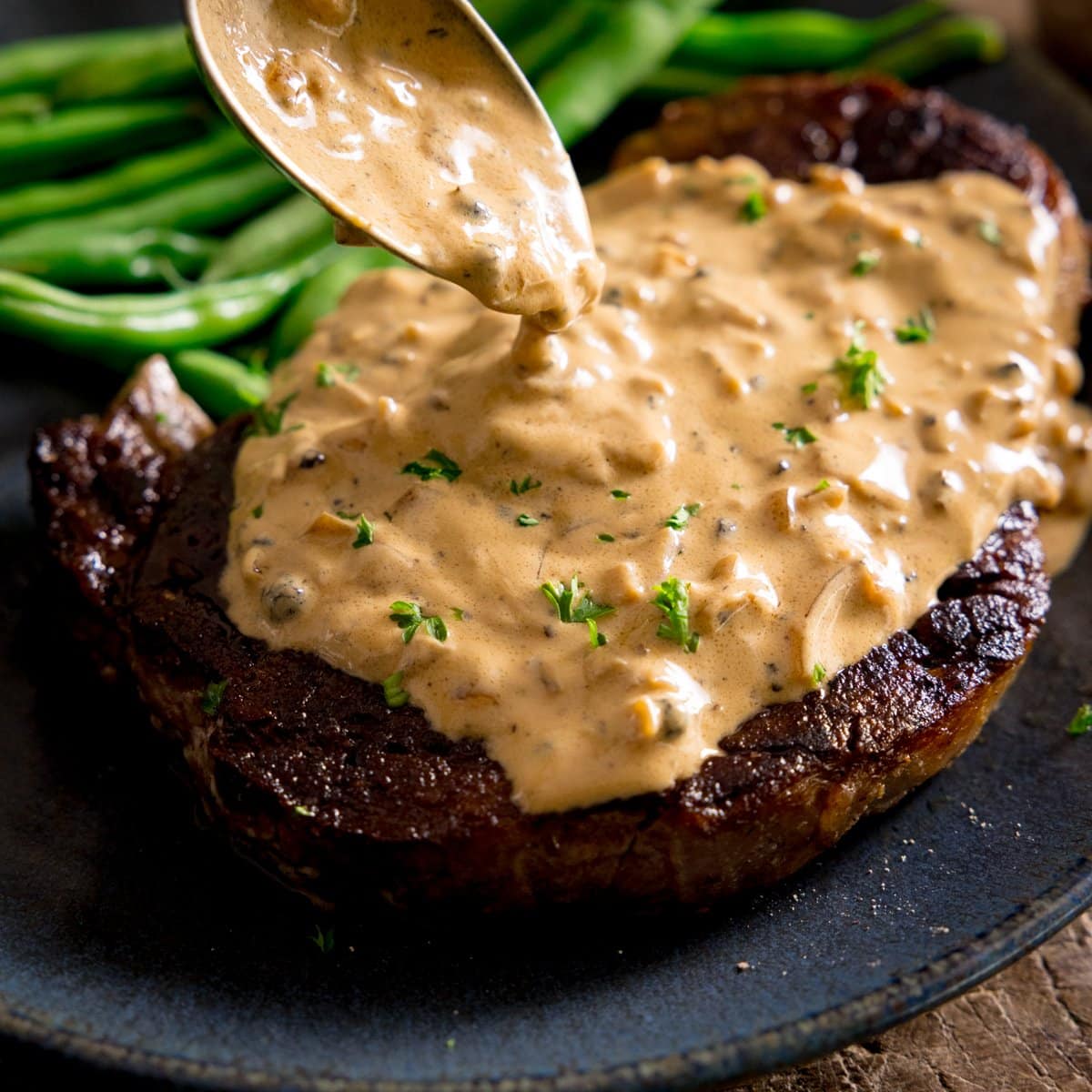
A brand’s peppercorn sauce can become its unique selling proposition (USP). Perhaps it’s a secret blend of exotic peppers, a unique aging process for its base stock, or an unexpected infusion of herbs like thyme or rosemary. For instance, a brand might promote its sauce as “Tuscan Peppercorn Sauce” by incorporating specific regional ingredients or techniques, instantly distinguishing it from generic offerings. This specific twist creates a narrative around the product, inviting consumers to explore a particular culinary journey that only that brand can offer. This strategy moves beyond merely tasting good; it establishes a story and an identity that resonates with consumers seeking authenticity or novelty.
Consistency and Quality: The Foundation of Brand Trust
For any food brand, consistency in taste and quality is non-negotiable, particularly for a signature item like peppercorn sauce. A customer expecting a certain level of flavor and texture must receive it every single time. Inconsistency erodes trust and damages brand reputation faster than almost any other factor.
Brands invest heavily in quality control, standard operating procedures, and sourcing premium ingredients to ensure that every batch of sauce delivers on its promise. This unwavering commitment to excellence is a powerful, albeit often unseen, aspect of brand building. It signals reliability and integrity, crucial attributes that consumers value and are willing to pay a premium for. For a restaurant, a consistently perfect peppercorn sauce encourages repeat visits; for a retail product, it ensures repurchase.
Communicating Taste: Marketing the Peppercorn Sauce Experience
Effectively conveying the intricate taste profile of peppercorn sauce is a marketing challenge that, when mastered, can significantly elevate a brand’s appeal. It’s about translating a sensory experience into compelling language and imagery.
Evocative Language in Menu Descriptions and Product Packaging
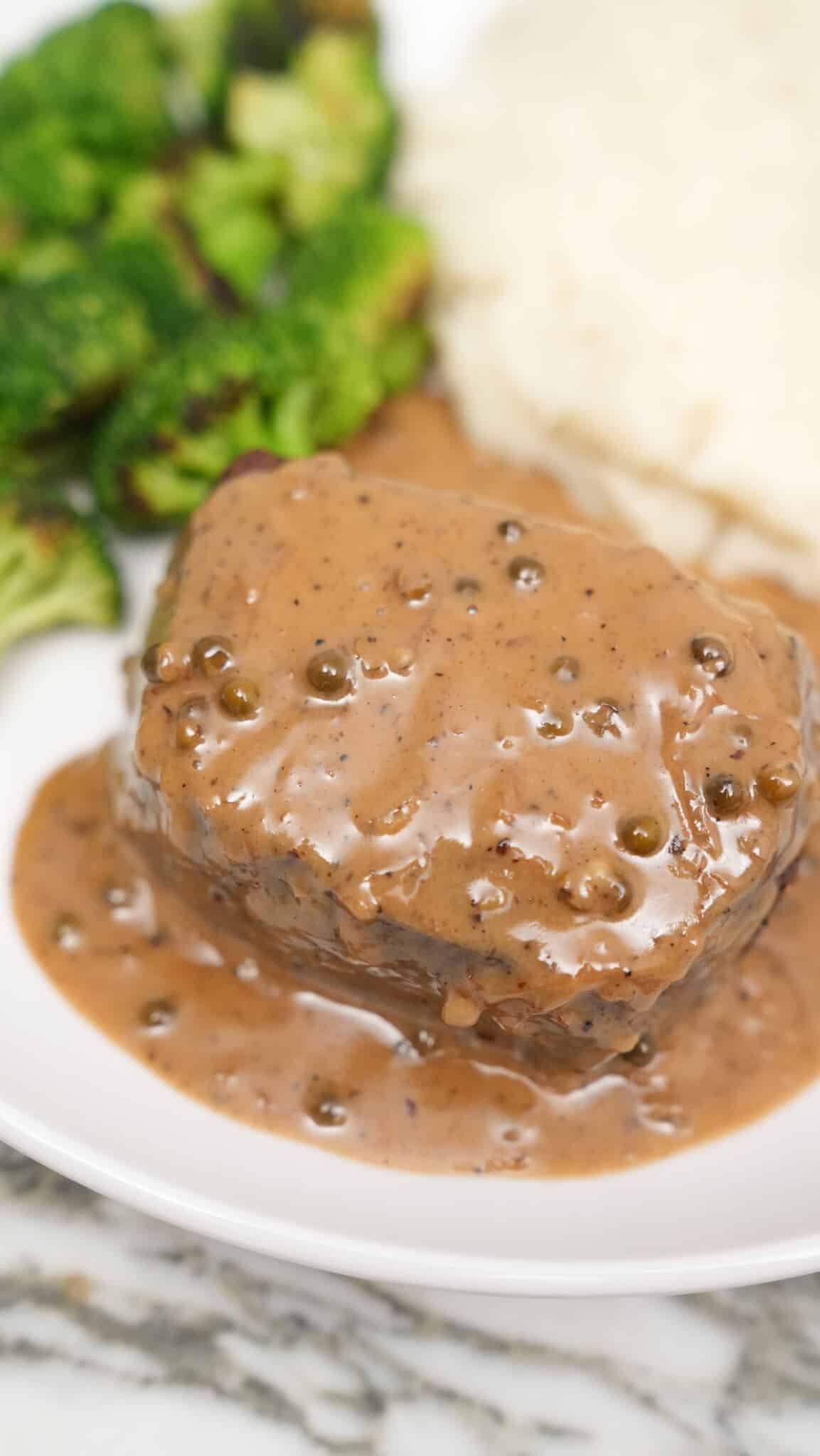
The words used to describe peppercorn sauce on a menu or product label are critical marketing tools. Instead of simply “peppercorn sauce,” a brand might use phrases like “velvety green peppercorn reduction with a whisper of cognac,” or “robust black peppercorn jus, slow-simmered with aromatic shallots.” This evocative language doesn’t just describe; it creates anticipation, paints a vivid mental picture, and hints at the sophistication and care involved in its creation. It informs the customer about the sensory journey they are about to embark on, setting expectations aligned with the brand’s position. Packaging, too, plays a vital role, with design elements, color palettes, and imagery chosen to reinforce the sauce’s flavor profile and brand positioning—be it rustic, gourmet, or classic.
Digital Storytelling and Sensory Marketing
In the digital age, brands leverage visual and auditory storytelling to communicate taste. High-quality food photography and videography showcasing the sauce being poured over a succulent steak, or simmering gently, can trigger cravings and build desire. Brands might share behind-the-scenes content detailing the artisanal process of crafting their sauce, emphasizing fresh ingredients, skilled chefs, and traditional methods. Influencer collaborations, where food bloggers or chefs articulate their experience of the sauce’s taste, provide authentic testimonials that resonate with a wider audience. This sensory marketing approach transcends mere information, aiming to engage consumers on an emotional level before they even taste the product.
Consumer Perception and Brand Loyalty: The Enduring Appeal of a Classic
The true test of a brand’s peppercorn sauce lies in its ability to captivate consumers and foster lasting loyalty. Its enduring appeal is rooted in a blend of nostalgia, comfort, and adaptability.
Nostalgia, Comfort, and Modern Interpretations
Peppercorn sauce often evokes a sense of comfort and familiarity, conjuring images of classic steak dinners or celebratory meals. For many, it represents a benchmark of culinary tradition. Brands can tap into this nostalgia, positioning their sauce as an authentic, time-honored classic. Simultaneously, there’s room for modern interpretations. A brand might introduce a “smoked peppercorn sauce” or a “Sichuan peppercorn fusion” to cater to adventurous palates and showcase innovation while respecting the essence of the original. This delicate balance of tradition and innovation allows brands to remain relevant across generations and evolving culinary trends.
Adapting to Evolving Palates While Maintaining Core Brand Values
The culinary landscape is dynamic, with consumer preferences constantly shifting towards healthier options, global flavors, or plant-based alternatives. Brands with a signature peppercorn sauce must consider how to adapt without diluting their core offering. This could involve offering a lighter version with reduced cream, exploring plant-based alternatives for the base, or incorporating ethically sourced, sustainable ingredients to appeal to environmentally conscious consumers. The key is to evolve thoughtfully, ensuring that any modifications enhance the brand’s values and cater to new segments while retaining the unmistakable taste profile that defines their peppercorn sauce and, by extension, their brand. The taste of peppercorn sauce, therefore, is not merely a flavor; it is a meticulously crafted brand statement, a promise of quality, and a cornerstone of a brand’s identity in the competitive food market.
aViewFromTheCave is a participant in the Amazon Services LLC Associates Program, an affiliate advertising program designed to provide a means for sites to earn advertising fees by advertising and linking to Amazon.com. Amazon, the Amazon logo, AmazonSupply, and the AmazonSupply logo are trademarks of Amazon.com, Inc. or its affiliates. As an Amazon Associate we earn affiliate commissions from qualifying purchases.