
Peppercorn, the ubiquitous spice found on dining tables worldwide, holds a far more intricate and economically significant story than its simple appearance suggests. Far from a mere seasoning, its origins are deeply rooted in a global supply chain that has shaped economies, ignited trade wars, and continues to influence agricultural practices, commodity markets, and investment strategies across continents. Understanding where peppercorn comes from is not just a botanical inquiry; it’s an exploration into the heart of global business finance, supply chain management, and the intricate economics of a multi-billion dollar commodity.
The Global Spice Trade’s Cornerstone: Origins and Economic Roots
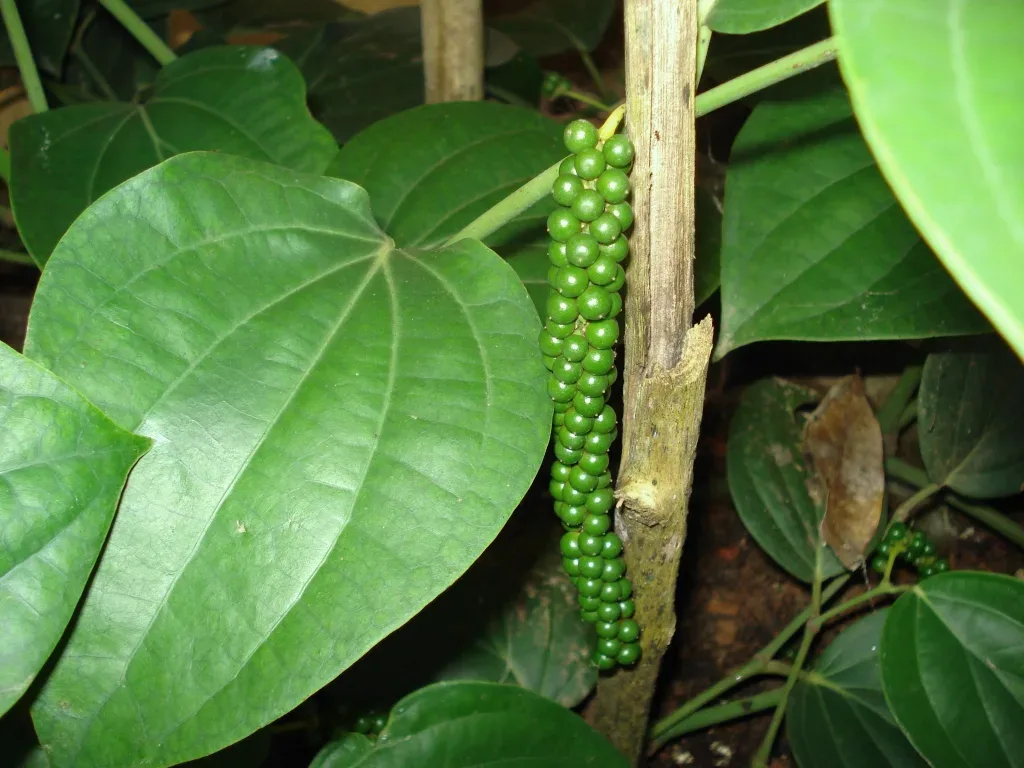
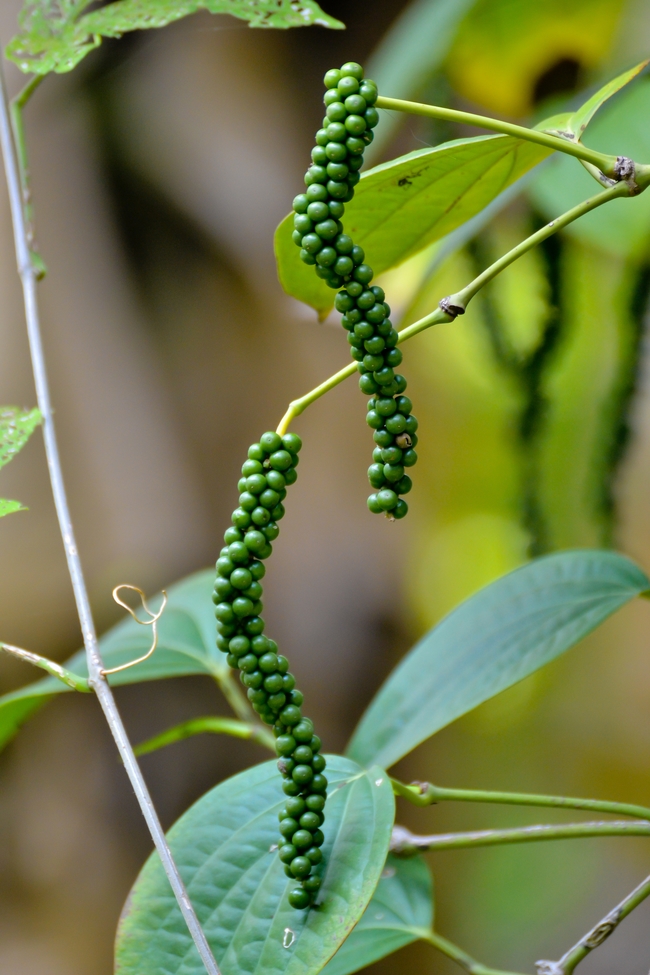
The journey of peppercorn begins in the lush, tropical climates of Southeast Asia, specifically the Malabar Coast of India, where Piper nigrum, the flowering vine that yields peppercorns, is indigenous. For millennia, this region has been the primary crucible for black pepper, a spice so valuable it was once used as currency, a ransom, and a symbol of wealth. Its economic impact reverberated through ancient empires and catalyzed the Age of Exploration, as European powers vied for direct access to its source, bypassing lucrative Arab and Venetian intermediaries. This historical context underscores pepper’s enduring role as a cornerstone commodity, shaping trade routes and international relations for centuries.
Geographical Concentration and Supply Dynamics
Today, while India remains a significant producer, Vietnam has emerged as the world’s largest exporter of black pepper, accounting for a substantial share of global supply. Other key producers include Brazil, Indonesia, Sri Lanka, and Malaysia. This geographical concentration makes the global peppercorn market highly sensitive to regional agricultural conditions, political stability, and economic policies within these producing nations. A drought in Vietnam, for instance, can send ripple effects through global commodity markets, impacting prices for consumers and profit margins for businesses involved in food processing, distribution, and retail. The interplay of concentrated supply and global demand creates a dynamic market ripe for both opportunity and volatility, demanding careful financial oversight from stakeholders.
Historical Significance in Global Commerce
The quest for pepper was a driving force behind the establishment of global trade networks. The ancient spice routes, the Silk Road, and later, the maritime routes pioneered by Vasco da Gama, were all, in part, motivated by the desire to control the lucrative pepper trade. This historical dominance instilled pepper with an economic legacy that continues today. Its price fluctuations, though no longer directly funding naval expeditions, still reflect the complex interplay of agricultural output, geopolitical factors, and speculative market behavior, making it a fascinating subject for those engaged in commodity finance and international trade analysis.
Cultivation to Commodity: The Business of Black Pepper
The transformation of a flowering vine into a global commodity involves a sophisticated agricultural and industrial process, each stage of which carries significant economic implications. From the smallholder farmer to the international distributor, numerous financial decisions and investments are made to bring peppercorn to market.
Farming Economics and Farmer Livelihoods
At the grassroots, peppercorn cultivation is often a labor-intensive endeavor, primarily undertaken by smallholder farmers. Their livelihoods are directly tied to the global price of pepper. Investment in land, saplings, trellises, fertilizers, and labor constitutes a substantial upfront cost, often financed through local credit systems or government subsidies. The yield per acre, quality of the harvest, and the prevailing market price at the time of sale dictate the farmer’s profitability. Fluctuations in these variables can lead to periods of immense prosperity or severe hardship, underscoring the need for risk management strategies in agricultural finance and sustainable development initiatives that support farming communities.
Processing, Quality, and Market Value
Once harvested, peppercorns undergo various processing stages to become the black, white, green, or red pepper varieties consumers know. Black pepper, for instance, is produced by sun-drying the unripe drupes, allowing them to shrivel and blacken. White pepper is made by soaking and fermenting ripe peppercorns to remove the outer skin. Each method requires specific processing techniques, labor, and infrastructure, adding to the final cost and influencing market value. Quality control, including moisture content, volatile oil levels, and purity, is paramount, as it directly impacts grading and pricing in international markets. Businesses investing in pepper processing must navigate these complexities, ensuring adherence to global food safety standards and efficient operations to maintain competitiveness and profitability.
Supply Chain Complexity and Price Volatility
The journey of peppercorn from farm to consumer is a multi-tiered supply chain, characterized by numerous intermediaries, logistical challenges, and inherent price volatility. This complexity presents both opportunities for profit and significant financial risks for businesses at every stage.

Intermediaries, Logistics, and Global Distribution
After harvesting and initial processing, peppercorns typically pass through a network of local aggregators, regional traders, and international exporters. Each intermediary adds value through sorting, cleaning, grading, packaging, and transportation. Logistics, including warehousing, shipping, and customs clearance, represent a substantial cost component. For a commodity like pepper, which is shipped across oceans, freight costs, insurance, and currency exchange rates play a critical role in determining landed costs. Large corporations in the food industry, importing vast quantities of pepper, must master these logistical intricacies to secure a consistent supply at competitive prices, often engaging in long-term contracts or hedging strategies to mitigate risk.
Factors Influencing Peppercorn Prices
Peppercorn prices are notoriously volatile, influenced by a confluence of factors:
- Supply Shocks: Weather events (droughts, excessive rain), plant diseases, or political instability in major producing countries can severely impact harvests, leading to price surges.
- Demand Shifts: Changes in global consumption patterns, growth in the food service industry, or emerging market demand can drive prices up or down.
- Currency Fluctuations: As an internationally traded commodity, pepper prices are sensitive to the strength of the U.S. dollar and local currencies of producing nations.
- Speculative Trading: Commodity futures markets allow investors to speculate on future pepper prices, which can amplify volatility, creating opportunities for sophisticated financial players but posing risks for physical traders.
- Inventory Levels: Global stock levels held by major traders and processors significantly influence market sentiment and price stability.
Businesses involved in the peppercorn trade must constantly monitor these variables, employing sophisticated market analysis and risk management tools to navigate the unpredictable landscape of commodity pricing.
Investing in Spices: Beyond the Shaker
While individual consumers interact with peppercorn as a finished product, savvy investors and businesses view it as a compelling commodity with unique investment characteristics. Its role in global food consumption makes it a staple, but its agricultural origins and complex supply chain offer distinct avenues for financial engagement.
Commodity Markets and Futures Trading
For institutional investors and hedge funds, peppercorn, like other agricultural products, can be accessed through commodity futures contracts. These financial instruments allow investors to bet on the future price of pepper without physically owning the spice. This provides a way to diversify portfolios, hedge against inflation, or speculate on market trends. However, commodity trading is inherently risky, requiring deep market knowledge and a tolerance for significant price swings. Understanding the underlying supply and demand fundamentals, geopolitical risks, and meteorological patterns is crucial for informed investment decisions in pepper futures.
Ethical Sourcing and Sustainable Investments
Beyond pure financial speculation, the peppercorn market is also attracting interest from impact investors and businesses focused on ethical sourcing and sustainability. Investing in sustainable pepper farming initiatives, fair trade cooperatives, or supply chain transparency technologies can yield both financial returns and positive social and environmental impacts. Consumers, increasingly aware of product origins, are willing to pay a premium for ethically sourced pepper, creating a market advantage for companies that prioritize responsible practices. This growing trend highlights how financial success in the pepper industry can align with broader environmental, social, and governance (ESG) objectives, offering a new dimension to commodity investment.
The Future of Peppercorn: Economic Trends and Challenges
The global peppercorn industry faces a dynamic future, shaped by environmental changes, evolving consumer preferences, and geopolitical shifts. These factors will continue to influence production, trade, and investment strategies.
Climate Change and Agricultural Risk
Climate change poses a significant threat to peppercorn cultivation. Erratic weather patterns, increased frequency of droughts and floods, and rising temperatures can devastate crops, reduce yields, and introduce new pests and diseases. This adds an additional layer of risk to agricultural investments and necessitates the development of climate-resilient farming practices. Financial institutions and governments are increasingly exploring insurance schemes and adaptive agricultural technologies to mitigate these climate-related risks, safeguarding farmer livelihoods and global supply.
Emerging Markets and Demand Shifts
While traditional markets continue to consume significant amounts of pepper, emerging economies are driving new demand. As disposable incomes rise in regions like Asia and Africa, so too does the consumption of processed foods and spices. Additionally, health and wellness trends are influencing demand for organic, specialty, or single-origin pepper varieties, commanding premium prices. Businesses that can adapt to these evolving consumer preferences and effectively penetrate new markets will be best positioned for sustained growth and profitability in the ever-spicy world of peppercorn finance.
aViewFromTheCave is a participant in the Amazon Services LLC Associates Program, an affiliate advertising program designed to provide a means for sites to earn advertising fees by advertising and linking to Amazon.com. Amazon, the Amazon logo, AmazonSupply, and the AmazonSupply logo are trademarks of Amazon.com, Inc. or its affiliates. As an Amazon Associate we earn affiliate commissions from qualifying purchases.