
Understanding the term “paperback” on Amazon is more than just a definitional exercise; it’s a critical component for anyone engaging with the platform from a financial perspective, whether as a buyer managing personal finances or a seller generating online income. On Amazon, “paperback” refers to a physical book bound with a flexible paper cover, distinct from hardcovers (sturdy board covers) or digital formats like Kindle ebooks. However, grasping this basic definition merely scratches the surface of its financial implications, which touch upon pricing, shipping, resale value, and various income streams. For buyers, it’s about making astute purchasing decisions. For sellers, it’s about optimizing profit margins, managing inventory, and navigating the complexities of e-commerce.

Understanding Paperback for Informed Consumer Spending
For the savvy consumer, choosing a paperback version of a book on Amazon isn’t just a matter of preference; it’s a strategic financial decision that impacts budgeting, long-term value, and overall purchasing power. The price difference between various formats can be substantial, influencing how much one spends on their reading habits.
Cost Comparison: Paperback Versus Other Formats
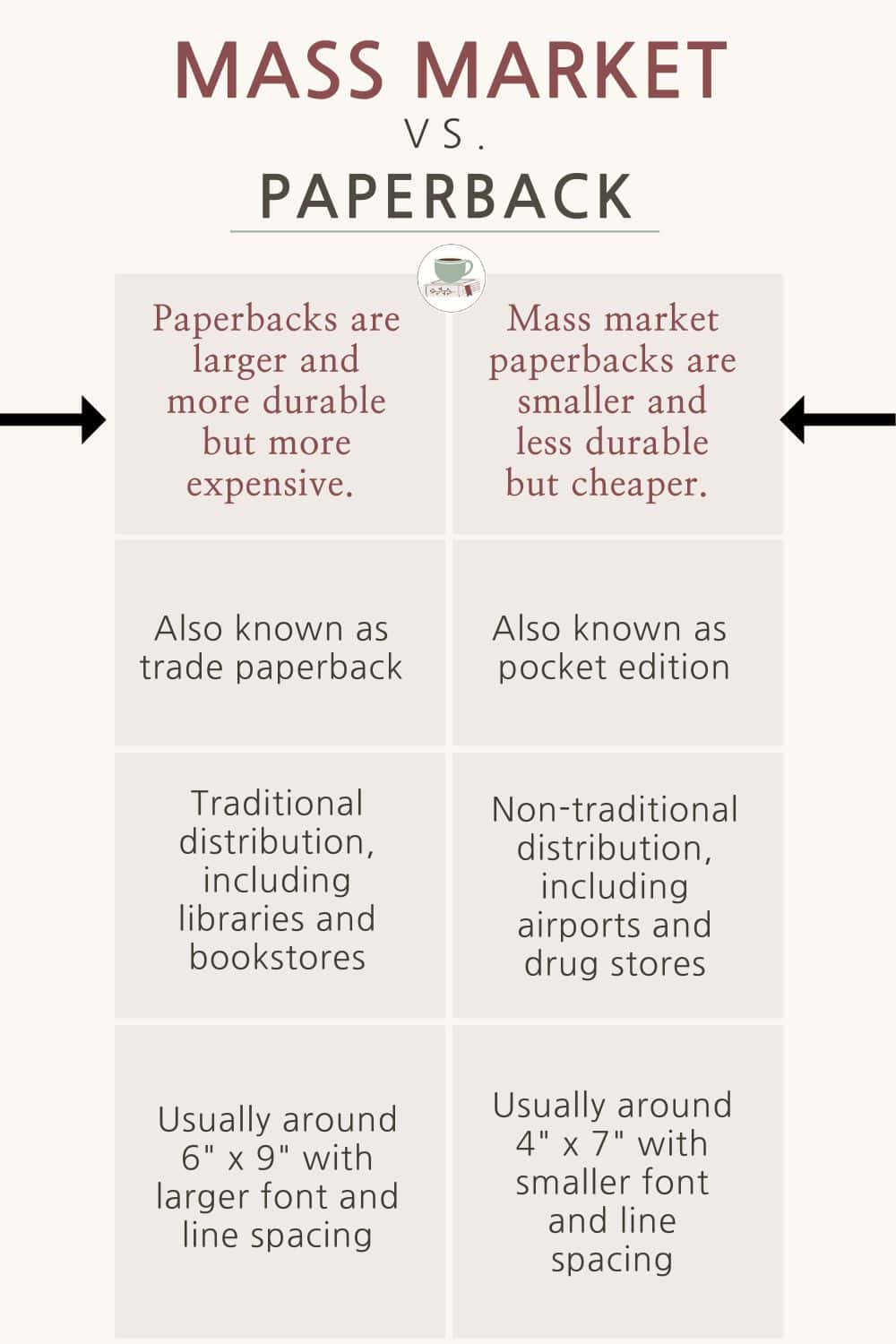
Typically, paperbacks represent a middle-ground in terms of cost. They are almost always more affordable than their hardcover counterparts, which often carry a premium due to their more durable construction and earlier release dates. For instance, a new release might debut as a hardcover for $28.00, while its paperback edition, released months later, might retail for $16.00. This significant price differential allows consumers to acquire the same literary content at a lower entry point, freeing up funds for other purchases or savings.
However, paperbacks are generally more expensive than their digital equivalents, such as Kindle ebooks. An ebook might cost $9.99, while the paperback is $14.99. The decision here involves weighing the convenience and instant accessibility of a digital file against the tangible experience and potential future value of a physical book. For readers on a strict budget, opting for ebooks can maximize the number of titles they acquire for a given expenditure. The trade-off is often the inability to resell or share a digital copy, which paperbacks allow.
Audiobooks, another popular format, often command a price point comparable to, or sometimes exceeding, hardcovers, particularly for new releases or titles offered through subscription services. Understanding these price tiers is fundamental for personal finance management related to book consumption. By consciously choosing paperbacks, consumers can often enjoy a physical product without the premium of a hardcover, balancing cost with tangibility.
Longevity, Durability, and Resale Value
While hardcovers are built for durability and longevity, paperbacks, by their nature, are more prone to wear and tear. Their flexible covers can crease, pages can dog-ear, and spines can crack with repeated reading. This affects their potential resale value. A well-preserved paperback can still fetch a decent price on secondary markets (including Amazon’s own used marketplace), but a heavily used one will see its value diminish significantly.
From a financial perspective, considering a book’s potential resale value is a smart move. For high-demand titles or classics, a paperback might still retain a portion of its original value, making it a temporary asset rather than a sunk cost. Conversely, for books unlikely to be reread or resold, the lower initial cost of a paperback makes more financial sense than investing in a hardcover that won’t recoup its premium. Buyers should assess their intent: Is this a keeper, a one-time read, or something they might want to pass on? This assessment directly informs the format choice and its financial prudence.
Shipping Costs and Budgeting Considerations
When purchasing physical books like paperbacks from Amazon, shipping costs are an often-overlooked financial factor. While Amazon Prime members enjoy free two-day shipping on eligible items, non-Prime members incur shipping fees, which can quickly add up, especially for multiple books or expedited delivery. These costs directly inflate the overall expenditure on a paperback, potentially eroding the savings gained by choosing it over a hardcover.
For budget-conscious shoppers, consolidating purchases to meet free shipping thresholds or opting for slower, free shipping methods can be financially advantageous. International shipping introduces even higher costs and potential customs duties, making the total price of a paperback significantly different from its listed value. Budgeting for books purchased online must include these additional charges to ensure an accurate understanding of the total financial outlay. For sellers, these are direct costs that must be accounted for in pricing strategies, which we will explore further.
The Paperback as an Asset: Online Income and Side Hustles
For entrepreneurs, aspiring booksellers, or individuals looking to generate online income, paperbacks represent a significant opportunity on Amazon. The vast market for used and new paperbacks creates avenues for side hustles and even full-fledged businesses. Successfully navigating this space requires a keen understanding of inventory, pricing, and profit margins.
Sourcing and Inventory Management for Profit
The core of a paperback selling side hustle lies in strategic sourcing. This involves identifying undervalued books that can be acquired cheaply and sold for a profit on Amazon. Common sourcing channels include thrift stores, library sales, garage sales, estate sales, and even online liquidation auctions. The key is to assess the book’s condition, demand (often checked via Amazon’s sales rank), and potential selling price against the acquisition cost.
Effective inventory management is crucial for profitability. This isn’t just about storage; it’s about minimizing holding costs, tracking stock levels, and ensuring that high-demand paperbacks are readily available. Financial success depends on a quick turnover of inventory to free up capital for new acquisitions. Mismanaging inventory, such as holding onto slow-moving titles, ties up capital and reduces overall ROI. Sellers often use inventory management software or spreadsheets to track purchase prices, sales prices, and associated fees to calculate net profit per unit.
Pricing Strategies for Maximizing Return on Investment (ROI)
Pricing paperbacks on Amazon is an art and a science, directly impacting financial returns. Sellers must consider several factors: the book’s condition (new, used-like new, good, acceptable), current competitive listings, historical sales data, and the book’s unique value (e.g., first edition, signed copy, rare title). Underpricing leads to lost profits, while overpricing leads to slow sales and increased holding costs.
Dynamic pricing, where sellers adjust prices based on market fluctuations and competitor activity, is often employed. Tools are available that help automate this process, but the underlying financial principle is to find the sweet spot that ensures a quick sale at the highest possible profit margin. Calculating the net profit for each paperback involves subtracting the acquisition cost, Amazon seller fees (referral fees, closing fees), and shipping costs (if fulfilled by merchant) from the selling price. A solid pricing strategy prioritizes a healthy ROI on each book sold, contributing directly to the seller’s online income goals.
Navigating Amazon’s Fees for Paperback Sales
Amazon’s fee structure is a critical financial consideration for any bookseller. For every paperback sold, Amazon charges a referral fee (a percentage of the selling price, typically 15% for books) and a variable closing fee. If using Fulfillment by Amazon (FBA), additional fees apply for storage, pick-and-pack services, and shipping to the customer. These fees can significantly impact the net profit.
Understanding these costs upfront is non-negotiable for financial viability. Many sellers use a “profit calculator” that inputs the potential selling price, purchase cost, and weight (for FBA shipping estimates) to derive a realistic net profit. This pre-analysis helps determine which paperbacks are financially worthwhile to source and sell. Ignoring or miscalculating Amazon’s fees is a common pitfall that can turn a seemingly profitable transaction into a loss. Therefore, meticulous financial planning around Amazon’s fee structure is paramount for any paperback selling venture.
Business Finance Perspectives: Selling Paperbacks at Scale
Moving beyond a side hustle, selling paperbacks can evolve into a significant business, requiring a more sophisticated understanding of business finance principles, inventory investment, and operational efficiency. The financial implications grow with scale, demanding careful strategic planning.
Fulfillment by Amazon (FBA) vs. Merchant (FBM) – Financial Implications
Choosing between FBA and Fulfillment by Merchant (FBM) carries distinct financial implications for paperback sellers. FBA involves sending inventory to Amazon’s fulfillment centers, where Amazon handles storage, packing, shipping, and customer service. This frees up the seller’s time and allows for faster shipping (often Prime eligible), potentially boosting sales. However, FBA comes with storage fees, fulfillment fees per unit, and often inbound shipping costs to Amazon. These can eat into profit margins, especially for slow-moving or oversized paperbacks.
FBM, conversely, means the seller retains control over inventory, packing, and shipping directly to the customer. This avoids FBA fees but requires the seller to manage logistics, customer service, and bear all shipping costs directly. For low-volume or niche paperbacks, FBM can be more profitable as it avoids FBA’s fixed storage costs. However, it requires significant time investment and potentially less competitive shipping rates compared to Amazon’s network. The financial decision between FBA and FBM for paperbacks hinges on sales volume, inventory turnover rates, labor costs, and desired profit margins. A hybrid approach, using FBA for fast-moving titles and FBM for long-tail inventory, is often the most financially optimized strategy.
Market Analysis and Niche Identification
Successful paperback businesses invest heavily in market analysis to identify profitable niches and anticipate demand trends. This involves tracking genre popularity, author performance, seasonal buying patterns (e.g., textbooks for back-to-school), and the lifespan of various editions. Financially, identifying niches with less competition but steady demand allows for higher profit margins and more predictable revenue streams.
For example, specializing in collectible paperbacks, academic texts, or out-of-print fiction can yield higher average selling prices and better ROI than competing in saturated markets like popular bestsellers. Financial models built on historical sales data, sales velocity, and competitor pricing enable businesses to make data-driven decisions on where to allocate capital for inventory acquisition, maximizing the potential for financial growth and mitigating risks associated with overstocking undesirable titles.
Scaling Operations and Inventory Investment
Scaling a paperback business requires significant capital investment in inventory. As sales grow, so does the need for more diverse and larger quantities of books. This necessitates careful cash flow management, balancing reinvestment into inventory with operational expenses and profit extraction. A robust financial plan is essential for managing working capital, forecasting inventory needs, and securing financing if necessary.
Scalability also impacts operational costs. Automated sourcing tools, bulk purchasing discounts, and streamlined packaging processes can reduce per-unit costs, improving overall profitability. From a business finance perspective, every operational efficiency gain directly contributes to a healthier bottom line. Investing in infrastructure, whether it’s more storage space, better inventory management software, or additional labor, must be justified by projected increases in revenue and profit. The goal is to grow the business sustainably, ensuring that expansion doesn’t outstrip capital resources or lead to unsustainable debt.
Self-Publishing Paperbacks: A Direct Path to Revenue
For authors, “paperback” on Amazon also signifies a direct path to online income through self-publishing. Amazon’s Kindle Direct Publishing (KDP) platform allows authors to easily create and sell paperback versions of their books, turning their intellectual property into a tangible financial asset.
Production Costs and Royalties
Self-publishing a paperback on KDP involves direct production costs. While there’s no upfront fee to list a book, the printing costs per unit are deducted from the sale price. These costs depend on the page count, ink type (black and white vs. color), and paper type. Authors must carefully calculate these costs to determine their potential royalty per sale. KDP offers a royalty rate for paperbacks, typically 60% of the list price minus printing costs.
Authors need to price their paperbacks competitively while ensuring a healthy royalty. A lower price might drive more sales but yield less per unit, while a higher price offers more per unit but could deter buyers. Financial planning for self-published authors involves forecasting sales volumes at different price points, understanding the break-even point, and optimizing pricing for maximum net income. These calculations are fundamental for turning writing into a sustainable income stream.

Marketing Investment and Sales Potential
While Amazon provides the platform, the financial success of a self-published paperback largely hinges on the author’s marketing efforts. Investing in advertising (e.g., Amazon Ads, social media campaigns), professional cover design, and editing services are crucial expenses that directly impact a book’s visibility and sales potential. These are often upfront financial investments that can significantly boost long-term revenue.
The sales potential of a paperback is directly linked to its discoverability and perceived value. A well-marketed paperback can generate consistent passive income for an author, building a long-term asset. Conversely, a poorly marketed book, despite its quality, may languish, representing a lost opportunity for revenue. Authors must view marketing as an essential financial investment, not an optional expense, to unlock the full income-generating potential of their paperbacks on Amazon.
aViewFromTheCave is a participant in the Amazon Services LLC Associates Program, an affiliate advertising program designed to provide a means for sites to earn advertising fees by advertising and linking to Amazon.com. Amazon, the Amazon logo, AmazonSupply, and the AmazonSupply logo are trademarks of Amazon.com, Inc. or its affiliates. As an Amazon Associate we earn affiliate commissions from qualifying purchases.