
Redefining the Student: Financial Realities Beyond the Traditional Path
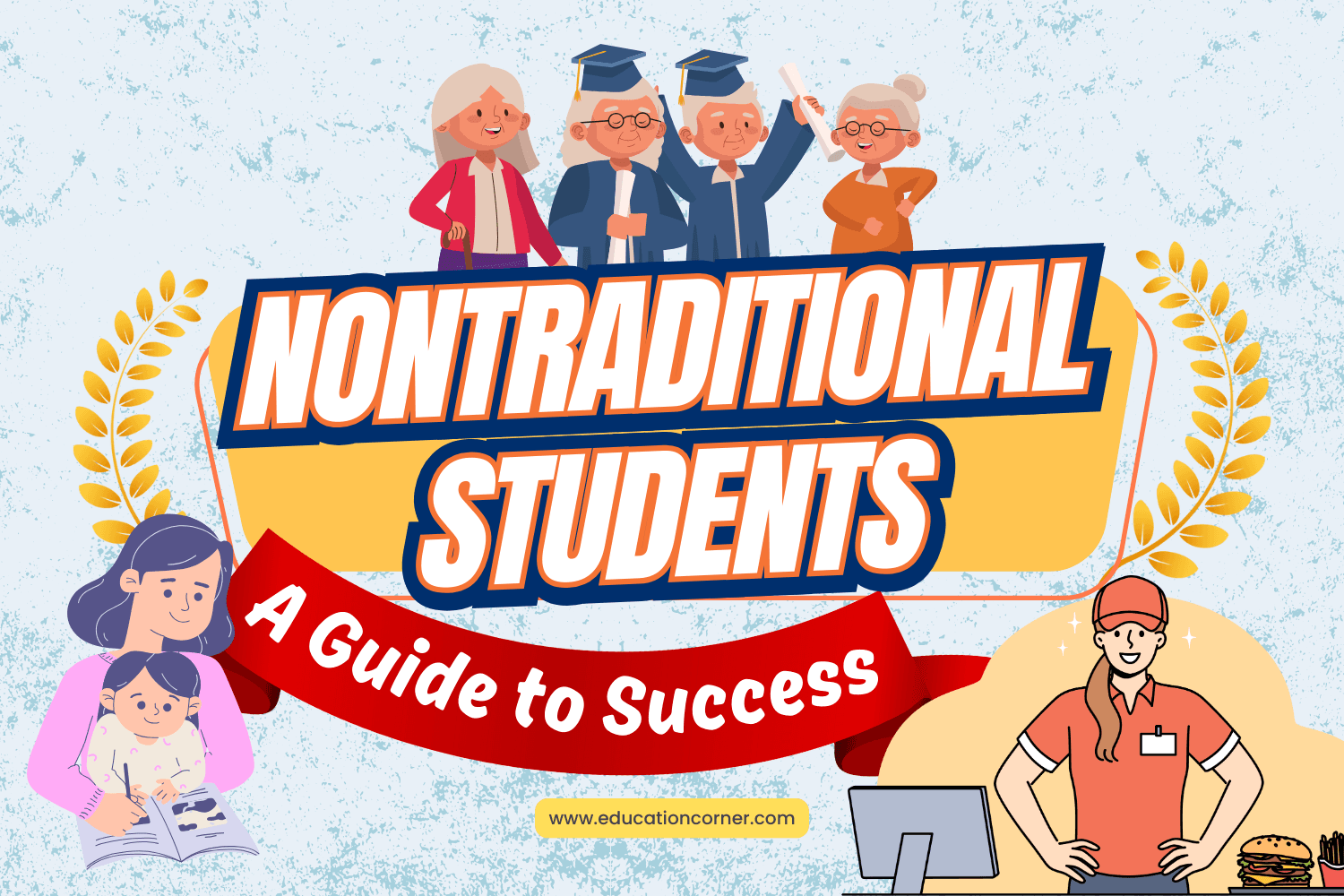
The term “non-traditional student” has evolved significantly, moving beyond a simple age demographic to encompass a broader spectrum of learners whose educational journeys deviate from the archetypal 18-to-22-year-old, full-time undergraduate experience. While definitions vary, common characteristics include being 24 years or older, attending part-time, being financially independent, having one or more dependents, being a single parent, or having delayed enrollment after high school. However, what truly defines the non-traditional student from a financial perspective are the unique monetary considerations, challenges, and strategic investments that underpin their pursuit of education. These individuals are often making a calculated financial decision, weighing opportunity costs against potential returns in a way that differs fundamentally from their younger counterparts. For them, education is not just an experience; it’s a critical investment in human capital, directly impacting their current financial stability and future earning potential.

The Evolving Demographics of Higher Education: A Financial Lens
The rising prominence of non-traditional students reflects a dynamic shift in the higher education landscape, driven by economic necessity, career transitions, and the lifelong learning imperative. Many non-traditional students are already deeply embedded in financial responsibilities: supporting families, managing mortgages, servicing existing debts, or navigating career plates. Their decision to return to or enter higher education is rarely made lightly; it’s typically a strategic move to enhance their financial standing, adapt to a changing job market, or achieve a long-held personal financial goal. This demographic includes working adults seeking promotions, stay-at-home parents re-entering the workforce, individuals pursuing mid-career changes, and those simply looking to upskill to remain competitive. Each of these scenarios carries distinct financial implications, from the loss of income during study periods to the direct costs of tuition and materials, all while balancing existing financial commitments. Understanding these underlying financial motivations is key to grasping the essence of the non-traditional student experience.
A Strategic Investment in Human Capital
For the non-traditional student, education is almost invariably viewed as a strategic investment. Unlike the traditional student who might be exploring interests, the non-traditional learner often has a clear objective: increased earning potential, career advancement, or the acquisition of specific skills leading to a better financial future. This perspective necessitates a rigorous cost-benefit analysis. The “cost” extends far beyond tuition; it includes foregone wages, childcare expenses, transportation, and the opportunity cost of time spent studying instead of working or generating income through other means. The “benefit” is measured in tangible financial terms: a higher salary, improved job security, access to new career paths, or the ability to launch a more profitable business venture. This deliberate financial calculation influences every decision, from the choice of degree program and institution to the pace of study and the methods of financing. Their educational journey is a direct bet on themselves, with the hope of a significant financial return on investment (ROI).
Navigating Funding: Financial Aid Strategies for the Non-Traditional Learner
Securing adequate funding is often the primary hurdle for non-traditional students, whose financial profiles are typically more complex than those of traditional undergraduates. They may have assets, dependents, or existing debt that impacts their eligibility for various aid programs. Therefore, a proactive and informed approach to financial aid is crucial. It requires understanding not just what aid is available, but how their specific financial circumstances can be strategically presented to maximize support.
Unlocking Federal and State Aid
The Free Application for Federal Student Aid (FAFSA) remains the gateway to federal grants, work-study programs, and federal student loans. For non-traditional students, understanding how their income, marital status, and number of dependents (if applicable) are assessed is vital. Financially independent non-traditional students often fare better in need-based aid calculations compared to traditional dependent students. However, if they have significant assets or a higher current income, their Expected Family Contribution (EFC) might reduce grant eligibility. It’s imperative to accurately report all financial information and to be aware of any state-specific aid programs, many of which mirror federal eligibility criteria but might offer additional opportunities for residents returning to school or pursuing specific high-demand fields.
Employer Tuition Assistance and Reimbursement Programs
One of the most underutilized financial resources for non-traditional students already in the workforce is employer tuition assistance or reimbursement. Many companies, recognizing the value of an educated workforce, offer programs that cover a significant portion, or even all, of tuition costs. This benefit is essentially tax-free up to a certain amount (currently $5,250 per year in the U.S. under Section 127 of the IRS code), making it an extremely attractive option. Students should thoroughly research their employer’s policies, understand any stipulations (such as minimum grades, program relevance to the job, or post-graduation employment commitments), and leverage this direct financial support whenever possible. It represents a direct financial saving and an investment from their employer into their professional development.
Scholarships Tailored for Diverse Backgrounds
Beyond general aid, a vast landscape of scholarships exists specifically targeting non-traditional students. These can be based on age, parental status, specific career aspirations (e.g., nursing, teaching, tech), ethnic background, or even community involvement. There are scholarships for women returning to school, single parents, veterans, or individuals pursuing a second career. Actively searching for and applying to these niche scholarships can significantly reduce the financial burden of education. Websites dedicated to scholarship searches, university financial aid offices, and professional organizations often list such opportunities. The key is persistence and tailoring applications to highlight the unique life experiences and financial needs that define the non-traditional learner.
Budgeting and Financial Management: Balancing Life, Work, and Education
The financial tightrope walk is a defining characteristic of the non-traditional student experience. Juggling existing financial commitments with new educational expenses and potentially reduced income demands sophisticated budgeting and rigorous financial discipline. This isn’t merely about tracking spending; it’s about strategic resource allocation and often, sacrifice.
The Double Burden: Income vs. Educational Expenses
Many non-traditional students face the unique challenge of simultaneously maintaining an income to cover living expenses (mortgage, rent, utilities, food, family care) while incurring educational costs and often reducing work hours to accommodate studies. This “double burden” necessitates meticulous financial planning. Strategies include creating a detailed budget that accounts for all fixed and variable expenses, identifying areas for cost reduction, and potentially increasing income through side hustles or part-time work that aligns with study schedules. For those who choose to reduce or pause employment, careful savings planning prior to enrollment is crucial to bridge income gaps. The goal is to minimize financial stress and allow sufficient focus on academic pursuits.

Smart Budgeting for Variable Income and Expenses
Non-traditional students often contend with more complex financial situations, including variable income (from freelance work or hourly wages), fluctuating childcare costs, and diverse household budgets. Traditional budgeting methods may need adaptation. Techniques such as zero-based budgeting, where every dollar is allocated a specific purpose, or using budgeting apps that can track multiple accounts and categories, can be invaluable. It’s important to build an emergency fund, even if small, to absorb unexpected expenses without derailing financial plans or resorting to high-interest debt. Regularly reviewing and adjusting the budget ensures it remains responsive to changing financial realities and educational demands.
Minimizing Debt: Strategic Loan Repayment and Avoidance
While student loans can be a necessary evil for many, non-traditional students often approach them with a greater awareness of their long-term financial implications, given existing debt loads (e.g., mortgages, car loans). The emphasis is on borrowing only what is absolutely necessary, understanding interest rates, and planning for repayment even before graduation. Exploring federal loan options first, which often offer more flexible repayment plans and borrower protections, is advisable. Private loans should be a last resort due to generally higher interest rates and fewer consumer safeguards. Strategic choices about course load, working while studying, and seeking out non-loan aid can significantly reduce the amount of debt accumulated, thereby improving post-graduation financial health.
The ROI of Non-Traditional Education: Career Advancement and Financial Upside
The ultimate justification for the substantial financial and personal investment made by non-traditional students is the expectation of a significant return on investment. This ROI manifests in tangible financial benefits, from increased earning potential to enhanced career stability and new opportunities for wealth creation.
Enhancing Earning Potential: A Direct Financial Outcome
One of the most direct and compelling financial outcomes for non-traditional students is the enhancement of their earning potential. A degree, certification, or specialized training often qualifies them for higher-paying positions, promotions within their current field, or entry into lucrative new industries. For many, the educational journey is specifically undertaken to bridge a skill gap, meet industry demands, or acquire credentials necessary for a salary bump. Studies consistently show a correlation between higher education levels and increased lifetime earnings. For the non-traditional student, this isn’t an abstract statistic; it’s the direct financial payoff they are working towards, enabling them to improve their quality of life, provide for their families, and achieve greater financial security.
Entrepreneurship and Side Hustles: Leveraging New Skills for Income Generation
Beyond traditional employment, non-traditional education can empower individuals to explore entrepreneurship or develop profitable side hustles. Acquiring new business acumen, technical skills, or professional certifications can provide the foundation for launching a startup, freelancing, or turning a hobby into a revenue stream. Many non-traditional students are driven by a desire for greater autonomy and financial independence, and their education provides the tools and confidence to create their own income opportunities. This can range from developing a consulting business based on newly acquired expertise to building an e-commerce venture or offering specialized services. The educational investment becomes a catalyst for diversifying income streams and building personal financial resilience.
Long-Term Financial Planning: Retirement, Savings, and Wealth Building
The financial benefits of non-traditional education extend far into the future, impacting long-term financial planning goals such as retirement savings, homeownership, and overall wealth accumulation. Increased income post-graduation allows for greater contributions to retirement accounts (401(k)s, IRAs), faster debt repayment (including any student loans), and the ability to build a more robust investment portfolio. For individuals who started later in their careers, this boost in earning power can be crucial for catching up on retirement savings. The stability and higher income associated with an advanced education or new career path can also make significant financial milestones, like buying a home or funding children’s education, more attainable. Education, from this perspective, is not merely an expense but a strategic move to accelerate progress towards comprehensive financial well-being.
Financial Tools and Resources for the Modern Learner
Navigating the financial complexities of being a non-traditional student is made easier with access to appropriate tools and resources. Leveraging these can streamline budgeting, identify savings opportunities, and provide expert guidance.
Online Financial Planning Platforms and Budgeting Apps
Modern technology offers a wealth of online financial planning platforms and budgeting apps designed to help individuals manage their money effectively. Tools like Mint, YNAB (You Need A Budget), Personal Capital, or Simplifi can help non-traditional students track expenses, monitor income, create budgets, and even set financial goals. Many of these platforms offer robust features for managing multiple accounts, categorizing transactions, and visualizing spending patterns, which is particularly beneficial for those with complex financial lives involving multiple income sources or dependents.
Free Educational Resources on Personal Finance
A multitude of free educational resources are available online to enhance financial literacy. Websites from reputable financial institutions, government agencies (like the Consumer Financial Protection Bureau), and non-profit organizations offer articles, guides, courses, and webinars on topics such as debt management, investing basics, budgeting best practices, and understanding student loans. These resources can empower non-traditional students to make more informed financial decisions throughout their educational journey and beyond, helping them master the intricacies of personal finance.
Connecting with Financial Advisors Specializing in Educational Planning
For those with particularly complex financial situations, seeking guidance from a qualified financial advisor can be an invaluable investment. Some advisors specialize in educational planning or work with clients undergoing significant life transitions, such as returning to school. They can help with optimizing financial aid strategies, managing investment portfolios to cover educational costs, structuring debt repayment plans, and integrating educational expenses into a broader long-term financial plan. A professional perspective can provide clarity, identify overlooked opportunities, and ensure that the educational investment aligns perfectly with overarching financial goals.
aViewFromTheCave is a participant in the Amazon Services LLC Associates Program, an affiliate advertising program designed to provide a means for sites to earn advertising fees by advertising and linking to Amazon.com. Amazon, the Amazon logo, AmazonSupply, and the AmazonSupply logo are trademarks of Amazon.com, Inc. or its affiliates. As an Amazon Associate we earn affiliate commissions from qualifying purchases.