
The National Drug Code (NDC) is far more than just a string of numbers in the pharmaceutical world; it is a critical identifier that underpins the entire financial infrastructure of pharmacy operations. For any entity dealing with the procurement, dispensing, billing, or reimbursement of medications, understanding the NDC is fundamental to ensuring financial solvency, regulatory compliance, and efficient business management. In the intricate ecosystem of pharmacy business finance, the NDC acts as a universal Rosetta Stone, translating drug products into actionable data for financial transactions, inventory valuation, and strategic decision-making.
The National Drug Code: A Cornerstone of Pharmacy Business Finance
At its core, the NDC is a unique, 10-digit or 11-digit, three-segment numeric identifier assigned by the Food and Drug Administration (FDA) to all human drug products marketed in the United States. Its primary purpose is to provide a standardized method for identifying drugs, but its financial implications for pharmacies are vast and pervasive, touching every aspect from cash flow to long-term profitability.
Decoding the NDC: Structure and Significance
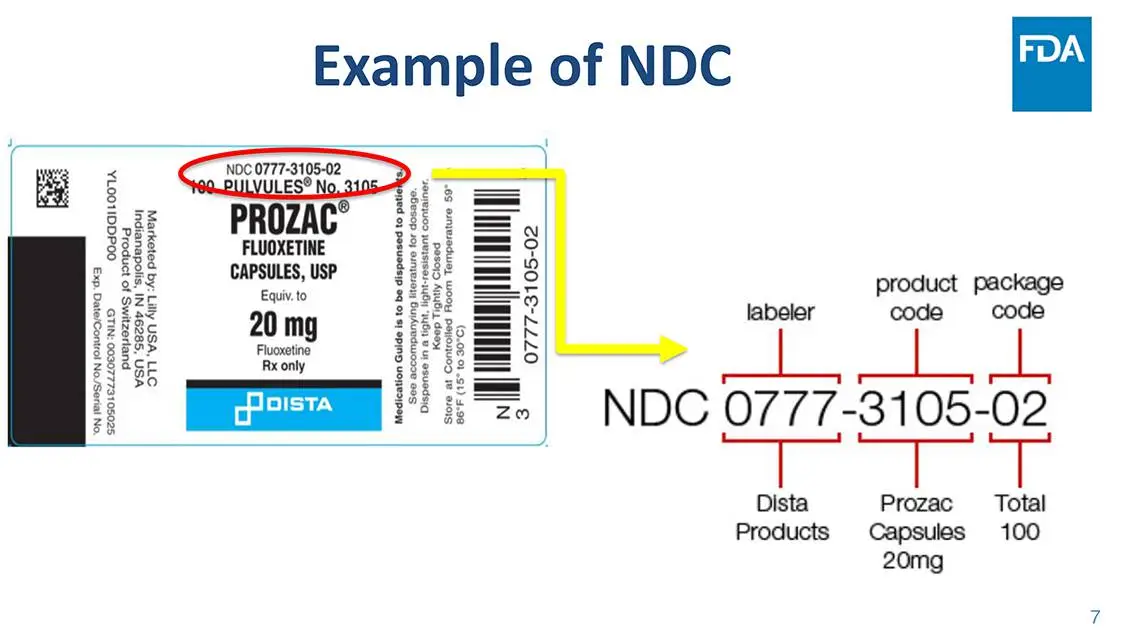
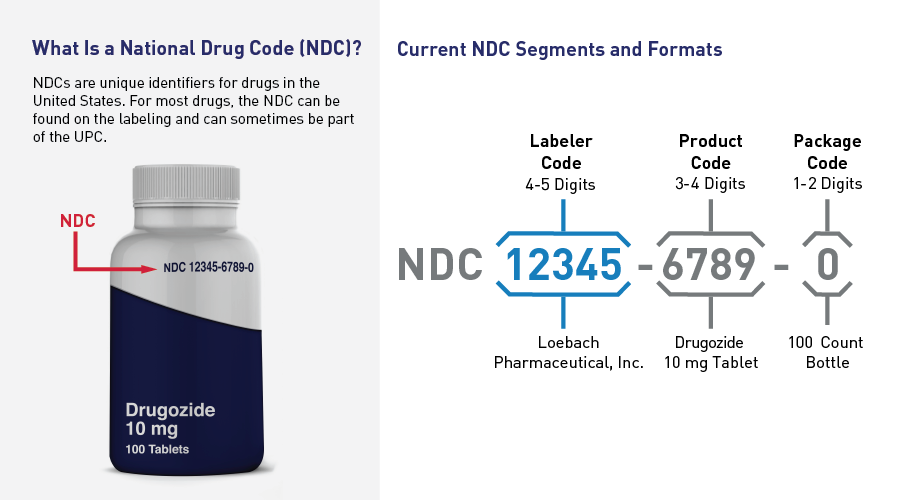
Each segment of the NDC holds specific information vital for financial tracking and regulatory compliance. The first segment, typically 4 or 5 digits, identifies the labeler (manufacturer, repacker, or distributor). The second segment, 3 or 4 digits, identifies the specific drug product (active ingredients, dosage form, strength). The third and final segment, 1 or 2 digits, identifies the package size and type. For example, an NDC like 12345-678-09 would represent a specific manufacturer, a specific drug, and a specific package.
This standardized identification system is indispensable for financial operations. It allows for accurate differentiation between various strengths, dosage forms, and package sizes of what might seem like the same drug, each carrying a unique cost and reimbursement rate. Without this precise distinction, pharmacies would face immense challenges in inventory costing, billing accuracy, and navigating the complexities of drug pricing agreements.
NDC’s Crucial Role in Billing, Reimbursement, and Revenue Cycle Management
Perhaps the most direct financial impact of the NDC is its central role in the billing and reimbursement processes that drive a pharmacy’s revenue. Every claim submitted to an insurance payer or government program relies on the correct NDC to identify the dispensed medication, determine its eligibility for coverage, and calculate the appropriate reimbursement amount.
Streamlining Claims Processing and Payer Compliance
An incorrect or missing NDC on a claim form is a primary reason for claim rejection, leading to significant delays in reimbursement, increased administrative overhead for resubmission, and ultimately, a detrimental impact on a pharmacy’s cash flow. When claims are rejected, the pharmacy must invest time and resources to identify the error, correct it, and resubmit, effectively slowing down its revenue cycle. Consistent claim rejections due to NDC errors can tie up substantial working capital and strain financial resources.
Furthermore, adherence to payer-specific NDC requirements is paramount. Different insurance plans and Pharmacy Benefit Managers (PBMs) may have unique rules regarding NDC reporting, including format or additional qualifiers. Non-compliance can result in not just rejections but also potential audits and financial penalties, eroding profitability.
Navigating Government Programs (Medicare/Medicaid)
For pharmacies serving patients covered by government programs like Medicare Part D and Medicaid, the accurate use of NDCs takes on even greater financial importance. These programs often have complex reimbursement methodologies tied directly to specific NDCs, including average wholesale price (AWP), average manufacturer price (AMP), and maximum allowable cost (MAC) calculations. The correct NDC ensures that the pharmacy is reimbursed according to the established fee schedules and drug lists, preventing underpayment or audit flags that could lead to recoupments.
Medicaid drug rebate programs, for instance, are entirely dependent on accurate NDC reporting by manufacturers and subsequent use by pharmacies for drug utilization data. Errors here can have system-wide financial ramifications, affecting both the state’s ability to collect rebates and the pharmacy’s standing within the program.
Financial Control Through Inventory and Supply Chain Management
Beyond direct billing, the NDC is a fundamental tool for effective inventory management, which is a critical component of a pharmacy’s financial health. Efficient inventory control directly influences capital utilization, minimizes waste, and optimizes purchasing strategies.
Accurate Costing and Valuation
Every drug in a pharmacy’s inventory is typically tracked by its NDC. This allows for precise cost accounting, ensuring that the pharmacy can accurately determine the cost of goods sold (COGS) for each dispensed prescription. Knowing the exact COGS is essential for calculating gross profit margins per prescription and understanding the true profitability of various drugs. Without NDC-level detail, inventory valuation becomes an estimate, making financial reporting and performance analysis less reliable.
The NDC facilitates “first-in, first-out” (FIFO) or “last-in, first-out” (LIFO) inventory valuation methods for accounting purposes, which directly impact a pharmacy’s balance sheet and income statement. Proper NDC tracking ensures that financial statements accurately reflect the value of drug assets.
Mitigating Financial Risk: Recalls and Returns
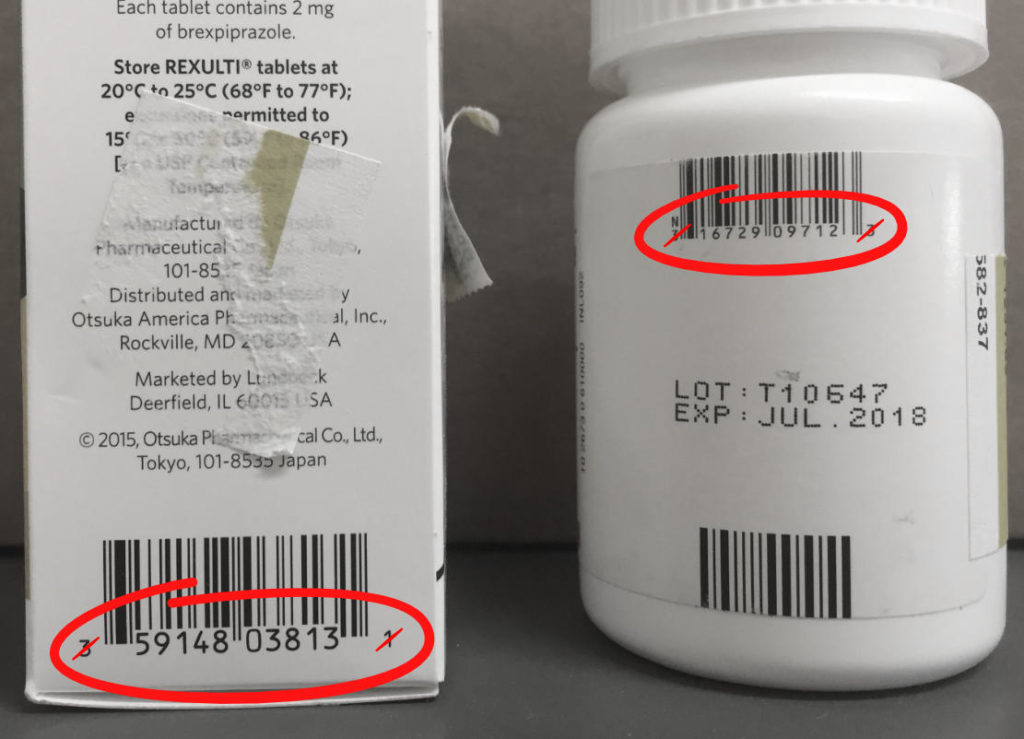
Drug recalls are a significant financial risk for pharmacies. When a specific lot of a drug is recalled, the NDC, often combined with lot numbers and expiration dates, is instrumental in quickly identifying and isolating the affected inventory. This rapid identification minimizes financial losses by allowing pharmacies to promptly return recalled products to the wholesaler or manufacturer for credit, reducing the amount of unsalable inventory on hand.
Similarly, managing returns of expired or damaged medications to wholesalers is streamlined by NDC data. Accurate NDC tracking ensures that the pharmacy receives appropriate credit for these returns, preventing unnecessary financial write-offs and optimizing the recovery of capital invested in inventory.
Compliance, Audits, and Avoiding Financial Penalties
The regulatory landscape of pharmacy is heavily reliant on the NDC. Adherence to NDC standards is not merely good practice; it is a legal and financial imperative, safeguarding the pharmacy from significant penalties.
Regulatory Adherence and Payer Audits
Pharmacies are frequently subjected to audits by state boards of pharmacy, federal agencies, and private payers. A significant component of these audits involves verifying that the drugs dispensed match the NDCs billed. Discrepancies can lead to accusations of fraud, waste, or abuse, resulting in severe financial penalties, including fines, suspension from payer networks, and forced recoupment of past reimbursements. The NDC provides the auditable trail necessary to prove the legitimacy of dispensing and billing practices, protecting the pharmacy’s financial integrity.
Impact on Drug Pricing, Rebates, and Contracts
Drug pricing is a complex dance involving manufacturers, wholesalers, and payers. NDCs are the linchpin in these agreements. Many purchasing contracts and rebate programs are structured around specific NDCs. Pharmacies often qualify for discounted pricing or manufacturer rebates based on the volume of specific NDCs purchased. Understanding and tracking NDCs allows pharmacies to leverage these contracts effectively, reducing their acquisition costs and enhancing profitability. Failure to track purchases by NDC can mean missing out on significant cost savings or rebate opportunities, directly impacting the pharmacy’s bottom line.
NDC as a Financial Tool for Strategic Decision-Making
Beyond day-to-day operations and compliance, NDC data serves as a powerful financial intelligence tool, enabling pharmacies to make informed strategic decisions that impact long-term growth and profitability.
Data Analysis for Profitability and Efficiency
Analyzing dispensing patterns by NDC can reveal trends in prescription volume, identify fast-moving vs. slow-moving inventory, and highlight the profitability of different drug categories. For example, a pharmacy can use NDC data to understand which specific drugs generate the highest revenue or profit margins, influencing purchasing decisions and formulary optimization.
This data also supports efficiency improvements. By understanding which NDCs are dispensed most frequently, pharmacies can optimize shelf placement, inventory levels, and even staffing to handle demand peaks. This data-driven approach minimizes carrying costs, reduces waste from expired medications, and ensures that capital is deployed effectively, ultimately contributing to a healthier financial outlook for the pharmacy. In essence, the NDC transforms from a mere identification code into a potent financial instrument, driving both operational efficiency and strategic business growth.
aViewFromTheCave is a participant in the Amazon Services LLC Associates Program, an affiliate advertising program designed to provide a means for sites to earn advertising fees by advertising and linking to Amazon.com. Amazon, the Amazon logo, AmazonSupply, and the AmazonSupply logo are trademarks of Amazon.com, Inc. or its affiliates. As an Amazon Associate we earn affiliate commissions from qualifying purchases.