
In the rapidly expanding plant-based food sector, the fundamental question “what does [ingredient] taste like?” transcends simple culinary curiosity. For brands, it becomes a critical strategic query, directly influencing product development, marketing narratives, and ultimately, market success. Mung beans, humble yet remarkably versatile legumes, have emerged as a cornerstone ingredient in many innovative plant-based products, from egg substitutes to meat analogues. Understanding and shaping the perception of their taste, both in their natural form and as a component in complex formulations, is a sophisticated branding challenge that requires careful strategy, design, and communication.

The Strategic Role of Taste in Plant-Based Branding
The journey of any food product from concept to consumer is inextricably linked to its sensory profile, with taste at the forefront. For plant-based brands, where often the goal is to replicate or innovate upon traditional animal-based foods, taste is not merely a feature; it’s the ultimate arbiter of acceptance and repeat purchase.
Beyond Ingredient: Taste as a Core Brand Differentiator
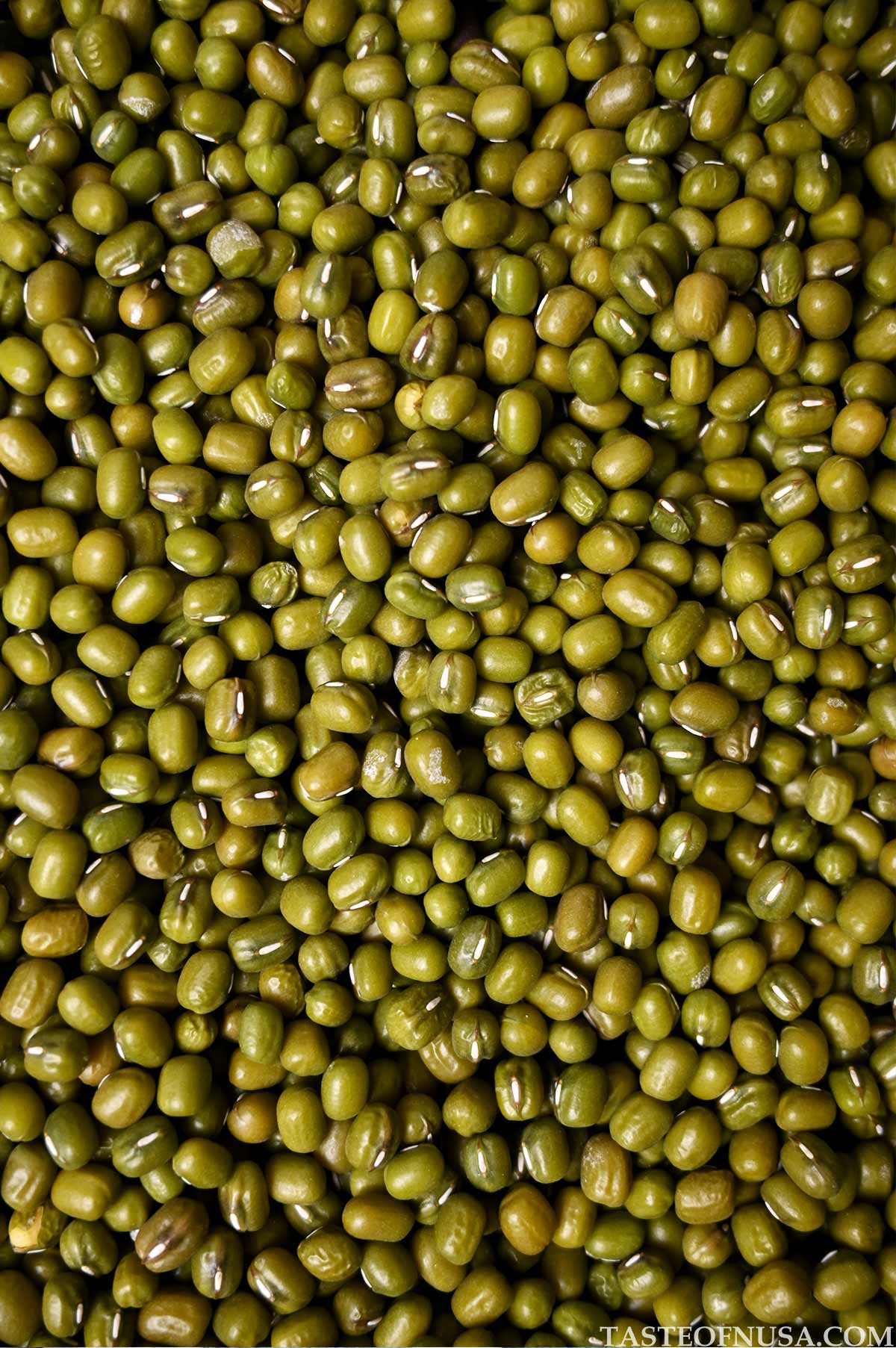
In a crowded market, where many brands might utilize similar core ingredients, how a product tastes becomes a powerful differentiator. For mung beans, which possess a subtly sweet, nutty, and slightly earthy flavor profile when cooked, the branding challenge lies in either celebrating these intrinsic qualities or skillfully modifying them to achieve a desired end-product taste.
Brands leveraging mung beans must decide: are they promoting the “mung bean-ness” of their product, emphasizing its natural origin and health benefits? Or are they transforming the mung bean into something entirely new, where its original taste is a blank canvas for innovative flavors and textures? Each approach demands a distinct branding strategy.
For instance, a brand creating a mung bean sprout salad might highlight its fresh, crisp texture and mild, slightly sweet flavor as a natural, wholesome experience. Conversely, a brand developing a plant-based egg might focus on the mung bean’s ability to mimic the savory, umami notes and characteristic texture of a scrambled egg, downplaying its legume origin in favor of a familiar, comforting experience. The strategic choice dictates everything from product naming to packaging design and advertising copy.
The Mung Bean’s Versatility: A Brand’s Canvas
The inherent versatility of the mung bean is a double-edged sword for branding. On one hand, it allows for incredible innovation; it can be sprouted, cooked whole, split, ground into flour, or processed into protein isolates. This adaptability means it can contribute to a vast array of tastes and textures. On the other hand, this broad application can dilute a clear brand identity if not managed carefully.
Brands must actively define the role of the mung bean in their product. Is it a hero ingredient, celebrated for its nutritional benefits and sustainable profile? Or is it a functional ingredient, silently contributing to texture, binding, or protein content, with the brand focus shifting to the overall sensory experience it helps create (e.g., “the juicy burger,” “the fluffy scramble”)?
Successful brands understand that the “taste” of mung bean is not monolithic. It’s a spectrum, malleable through processing, fermentation, seasoning, and blending. This allows for tailored brand messages: one brand might emphasize the “clean” and “mild” taste derived from mung beans for a health-conscious audience, while another highlights the “rich” and “savory” profile achieved through advanced formulation, targeting consumers seeking indulgence without compromise.
Communicating Taste: Bridging Perception and Reality
Beyond the lab and kitchen, the perceived taste of a product is largely shaped by marketing and communication. For plant-based foods, this involves carefully curated language, visuals, and sensory experiences designed to bridge the gap between an unfamiliar ingredient and a desired taste outcome.
Marketing Language: Evoking Flavor Without Direct Experience
Since consumers cannot taste a product before purchase (in most retail scenarios), brands rely heavily on language to build expectations and convey sensory attributes. When discussing a mung bean-based product, descriptive adjectives are crucial. Instead of merely stating “made with mung beans,” brands employ terms like “delicately sweet,” “mildly savory,” “earthy undertones,” “nutty richness,” or “light and refreshing.” These words aim to activate a consumer’s memory of similar tastes, creating a mental preview of the product experience.
For plant-based alternatives, the language often involves comparisons to familiar animal products. A mung bean egg might be described as “just like a real egg,” focusing on its “fluffy texture” and “savory flavor,” rather than the bean’s inherent taste. This “mimicry” language is a deliberate branding choice to reduce perceived risk and tap into existing taste preferences. However, a growing trend also sees brands embracing the unique taste of their plant-based ingredients, celebrating their inherent flavor profile rather than solely comparing them to animal counterparts. This shift reflects a maturing market and a growing consumer segment interested in novel taste experiences.
Visual & Experiential Branding: Supporting the Taste Narrative
Marketing taste extends beyond words. Packaging design, photography, and in-store displays play a significant role in setting taste expectations. For mung bean products, visuals might emphasize freshness, naturalness, or the vibrant colors associated with healthy eating. Product photography showing a perfectly scrambled “egg” or a succulent “patty” made from mung beans reassures consumers about the sensory experience.
Experiential marketing, such as in-store sampling or chef collaborations, provides a direct taste encounter, which is often the most powerful way to solidify brand perception. For mung bean-based products, these experiences are vital for overcoming skepticism and demonstrating the product’s taste credentials firsthand. A positive direct experience can swiftly convert a hesitant consumer into a loyal advocate, validating the brand’s promises about taste.
Navigating Consumer Expectations: The “Mimicry” Challenge
A significant branding challenge for many mung bean-based products, especially those aiming for mimicry (like egg or meat alternatives), is managing consumer expectations. If a brand promises an “egg-like” experience, the taste must deliver convincingly. Any discrepancy can lead to disappointment and damage brand reputation. This requires not only superior product formulation but also honest and precise marketing communication.
Brands must decide how closely they want to align with the original taste. Is it about perfect replication, or is it about creating a delicious new alternative that offers familiar qualities? The most successful brands often strike a balance, acknowledging the source ingredient while highlighting the innovative taste experience. For example, a mung bean-based “sausage” might lean into the spices and savory notes commonly associated with sausage, rather than trying to replicate the specific taste of pork. This reframes the expectation from “exact copy” to “delicious alternative,” which can be a more sustainable branding position.
Case Studies in Mung Bean Brand Success
Mung beans have found their way into several high-profile plant-based categories, demonstrating effective branding strategies around taste.
Egg Alternatives: Cracking the Code of Familiarity
Perhaps one of the most prominent uses of mung beans has been in plant-based egg alternatives. Brands like JUST Egg have built significant market share by leveraging the mung bean’s unique properties to create a product that closely mimics the taste, texture, and cooking functionality of scrambled eggs.
The branding here focuses heavily on familiarity and functionality. Messaging often highlights the “fluffy,” “savory,” and “versatile” qualities, directly appealing to consumers who miss the taste and experience of traditional eggs. The core of their strategy is to make the “taste” of mung bean disappear, replacing it with the universally recognized taste of scrambled eggs. Packaging and marketing visuals show appetizing scrambled “eggs” rather than the raw mung bean, reinforcing the desired taste outcome. This branding masterclass shows how an ingredient’s taste can be completely transformed and repositioned for a new market.
Meat Analogues: Texture and Umami from a Humble Bean
While soy and pea protein often dominate plant-based meat, mung bean is also making inroads, contributing to texture and sometimes acting as a protein binder. Brands exploring mung bean in meat analogues focus on its ability to contribute a mild base flavor that can be seasoned and manipulated to achieve savory, umami notes.
The branding narrative here often emphasizes the “juicy,” “meaty,” and “satisfying” taste experience. For example, some brands creating plant-based burgers might use mung bean protein to improve binding and give a more succulent texture, allowing the other flavor compounds (like beet juice for color or yeast extract for umami) to define the “meat” taste. The mung bean’s natural taste is largely masked, serving a functional role in achieving the desired sensory profile, allowing the brand to focus its taste messaging on the “meatiness” of the product.
Health & Wellness: Purity and Naturalness as a Taste Descriptor
Beyond mimicry, mung beans are also celebrated in products where their inherent taste and health benefits are the primary focus. For instance, in health-focused snacks, flours, or ready-to-eat meals, the branding strategy shifts to highlighting the “clean,” “natural,” “nutty,” or “mildly sweet” taste of the mung bean itself.
Here, the taste is framed as an authentic, unadulterated experience, appealing to consumers seeking whole, minimally processed foods. Packaging might feature images of the bean, emphasizing its plant-based origin and nutritional value. Brands in this niche leverage the positive associations with legumes—their fiber content, protein, and sustainability—to position the “mung bean taste” as inherently good for you and the planet. This demonstrates a complete reversal from the mimicry strategy, celebrating rather than transforming the bean’s natural flavor.
Future of Mung Bean in Branding: Innovation and Authenticity
The role of mung bean taste in branding is set to evolve further, driven by continued innovation, a push for transparency, and a growing appreciation for authentic plant-based flavors.
R&D’s Role in Elevating Taste Profiles
Ongoing research and development will continue to unlock new ways to process and formulate mung beans, enhancing their taste profile and functional attributes. This includes advanced fermentation techniques, novel extraction methods for protein isolates, and improved seasoning technologies. As these capabilities mature, brands will have even more precise control over the “taste” of their mung bean ingredients, allowing for more sophisticated and diverse product offerings. The ability to fine-tune flavor and texture will empower brands to create increasingly compelling taste experiences, whether that’s an even more convincing replicate or an entirely new, celebrated flavor.
Transparency and the “Clean Label” Trend
Consumers are increasingly demanding transparency about ingredients and sourcing. The “clean label” trend encourages brands to be upfront about what’s in their food. For mung bean products, this means that while brands will continue to transform and enhance its taste, they may also need to be more transparent about the mung bean’s presence and its contribution. This shifts branding towards educating consumers about the benefits of mung beans themselves, rather than merely using them as an invisible component. Brands can build trust by explaining why they chose mung beans and what unique qualities they bring.
Expanding Beyond Imitation: Celebrating the Mung Bean’s Intrinsic Qualities
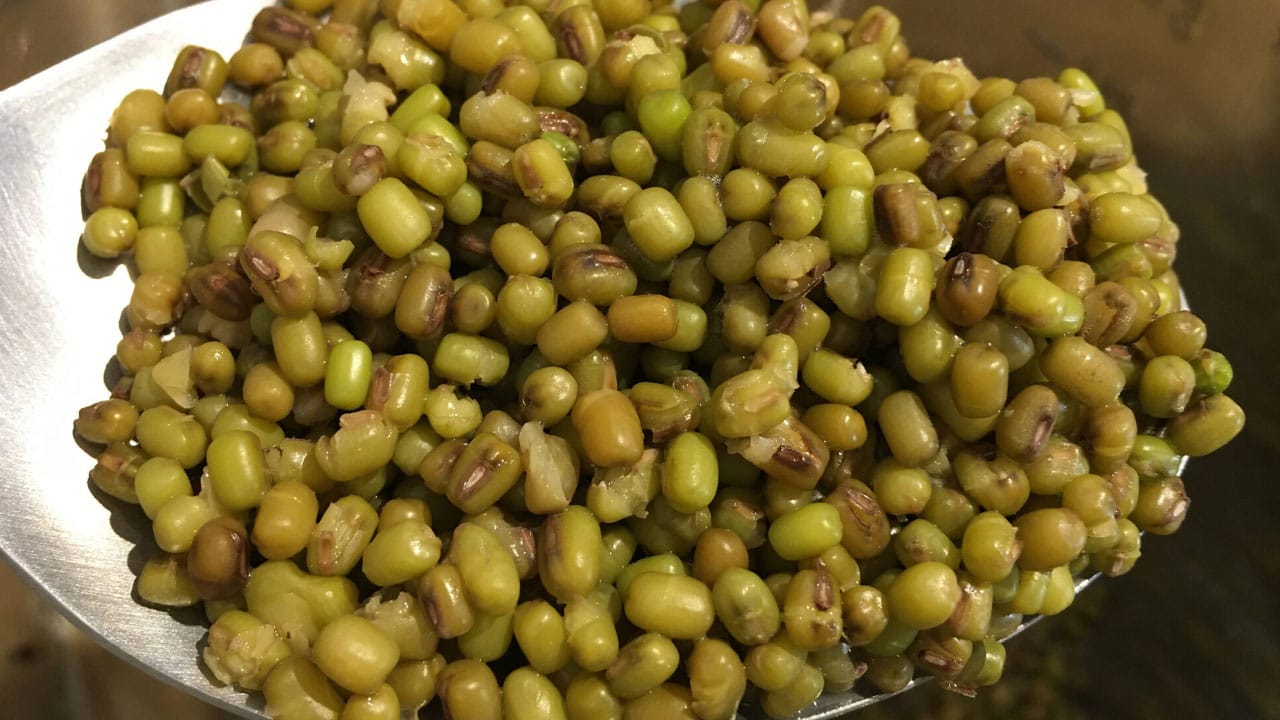
While mimicry will remain a significant segment, there’s a growing opportunity for brands to celebrate the mung bean for its own inherent taste and characteristics. As plant-based diets become more mainstream, consumers are becoming more open to novel flavors and ingredients. Brands that can authentically showcase the mild, earthy, or slightly sweet notes of mung beans in innovative dishes, snacks, or beverages, without feeling the need to compare them to animal products, will carve out a new niche. This authentic branding approach highlights the unique culinary potential of mung beans, inviting consumers to discover new taste experiences rather than simply substitute old ones. This is where the question “what does mung bean taste like?” truly shifts from a challenge of transformation to an opportunity for celebration and discovery.
aViewFromTheCave is a participant in the Amazon Services LLC Associates Program, an affiliate advertising program designed to provide a means for sites to earn advertising fees by advertising and linking to Amazon.com. Amazon, the Amazon logo, AmazonSupply, and the AmazonSupply logo are trademarks of Amazon.com, Inc. or its affiliates. As an Amazon Associate we earn affiliate commissions from qualifying purchases.