
The Culinary Economy of Mexican Christmas Feasts
The vibrant tapestry of Mexican Christmas celebrations, known as Navidad, is inextricably woven with a rich array of traditional dishes. Beyond the sensory delight, these culinary practices represent a significant economic engine, driving seasonal spending and influencing local economies across the nation. Families meticulously plan their festive menus, and this preparation initiates a cascade of financial transactions, from the bustling local mercados to specialized ingredient suppliers. The act of cooking traditional Christmas meals is not merely a cultural observance but a substantial annual financial outlay for millions of households, making it a critical component of household budgeting and national consumer spending patterns during the holiday season.
Seasonal Spending and Local Markets
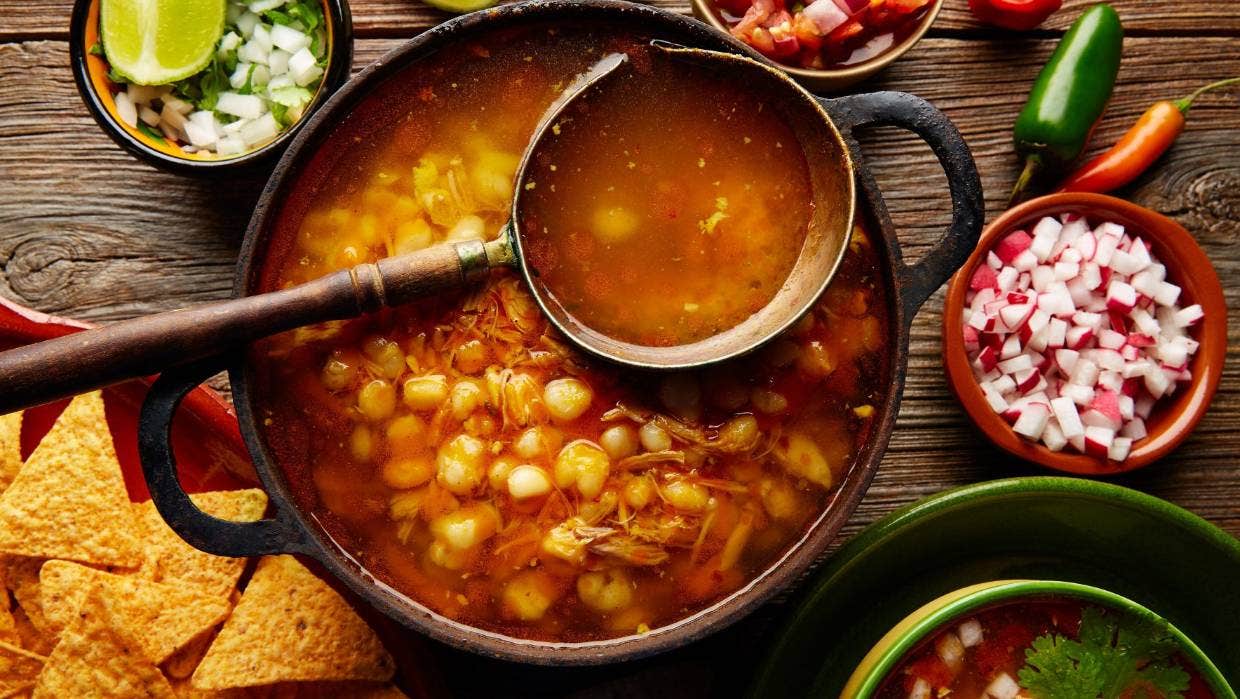
The weeks leading up to Christmas witness a predictable surge in demand for specific ingredients crucial to iconic Mexican holiday dishes. Staples like dried chilies for mole, pork for pozole and tamales, cod for bacalao a la Vizcaína, and various fruits and nuts for ponche navideño become hot commodities. This heightened demand translates directly into increased revenue for local farmers, butchers, and small-scale vendors. Mercados transform into epicenters of commerce, where families allocate significant portions of their holiday budgets. The aggregate effect of millions of families purchasing these specific items creates a powerful economic multiplier, supporting local agriculture, small businesses, and a vast network of distributors. For many vendors, the Christmas season represents their most profitable period, with sales spikes providing essential capital for year-round operations and investments.
The Cost of Tradition: Budgeting for Festive Ingredients
For the average Mexican household, preparing a traditional Christmas feast is a considerable financial undertaking that necessitates careful budgeting. The ingredients for dishes such as a large romeritos casserole, a generous batch of tamales, or the elaborate bacalao can easily represent a substantial percentage of a family’s monthly disposable income. Families often employ various financial strategies to manage these costs, from saving throughout the year to pooling resources among extended family members. Comparison shopping at different mercados or buying in bulk are common tactics to optimize spending. Moreover, the labor-intensive nature of many traditional dishes means that families often invest significant time, which, if calculated as an economic input, further underscores the true cost of these cherished traditions. Understanding these financial dynamics is crucial for grasping the economic weight of Christmas culinary heritage in Mexico.
Entrepreneurial Flavors: Side Hustles and Small Businesses
The demand for authentic Mexican Christmas cuisine also fuels a thriving informal and formal economy centered around food production. Many individuals and families leverage their culinary skills into lucrative side hustles or small businesses during the holiday season. This entrepreneurial spirit is particularly evident in the preparation of time-consuming and labor-intensive dishes that busy families may prefer to purchase ready-made or partially prepared. This sector not only provides supplementary income for countless households but also ensures the preservation and accessibility of traditional flavors for the wider community.
Home-Based Ventures: Tamales and Romeritos for Profit
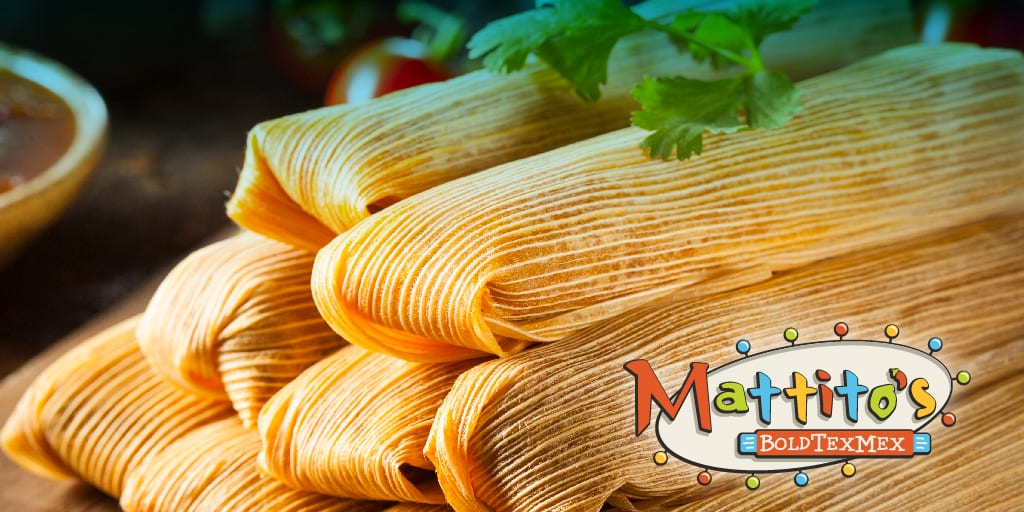
For many Mexican entrepreneurs, the Christmas season is prime time for home-based culinary ventures. The production of tamales, a staple for Christmas dinner or recalentado (leftovers), is a prime example. Making hundreds of tamales is a laborious process, from preparing the masa and fillings to wrapping and steaming. Individuals with a reputation for excellent tamales often take orders weeks in advance, turning their kitchens into temporary production hubs. Similarly, dishes like romeritos con mole y tortitas de camarón or ponche navideño are frequently prepared by home cooks for sale. These micro-enterprises operate on tight margins, often relying on word-of-mouth marketing and established community networks. They represent a significant informal economic activity, providing crucial income streams that can help families meet holiday expenses, save for future investments, or simply improve their quality of life. The capital investment for such ventures is often minimal, primarily involving ingredient costs and modest equipment, making them accessible entry points for aspiring food entrepreneurs.
Scaling Specialty Products: Beyond the Family Table

While many Christmas food businesses start small, some successfully scale their operations, transforming seasonal side hustles into more established small businesses. This involves not only increasing production capacity but also formalizing processes, potentially acquiring commercial kitchen space, and expanding distribution channels. For instance, a family known for its exceptional bacalao a la Vizcaína might transition from fulfilling individual orders to supplying local restaurants or catering larger holiday events. This scaling requires strategic financial planning, including investments in equipment, labor, and marketing. Access to micro-loans or small business credit can be critical for these ventures to grow beyond the home kitchen. These evolving businesses contribute more significantly to the formal economy through job creation and tax contributions, representing the maturation of entrepreneurial endeavors born from culinary heritage.
Online Income and the Digital Palate
The digital age has opened new avenues for monetizing traditional Mexican Christmas cuisine, extending its reach beyond local markets and physical storefronts. The internet provides platforms for individuals and businesses to generate online income through various content creation and e-commerce models, leveraging the global interest in authentic culinary experiences. This digital transformation allows for broader dissemination of culinary knowledge and products, creating new revenue streams from a historically localized tradition.
Monetizing Traditional Recipes: Blogs, Courses, and E-commerce
For those passionate about Mexican Christmas food, the internet offers a powerful tool for generating online income. Food blogs dedicated to authentic Mexican Christmas recipes, often adorned with compelling photography and cultural anecdotes, can earn revenue through advertising, affiliate marketing, or sponsored content. Beyond passive income, creators can develop and sell digital cookbooks, online cooking courses, or video tutorials demonstrating the intricate steps of preparing dishes like chiles en nogada or pozole rojo. These digital products cater to a global audience of food enthusiasts, home cooks, and culinary students eager to learn traditional techniques. Furthermore, e-commerce platforms enable small businesses to sell specialty ingredients, artisanal food products, or even pre-made components for traditional Christmas meals to a national or international market, bypassing geographical limitations and reaching niche customer segments. This digital expansion transforms culinary expertise into a valuable, marketable asset.
The Gig Economy: Delivering Authentic Christmas Flavors
The rise of the gig economy has also provided new financial opportunities around Mexican Christmas food. Food delivery apps and independent courier services allow individuals to offer their culinary creations to a wider local audience without the overhead of a physical restaurant. Home cooks can prepare traditional Christmas meals or components (e.g., a batch of tamales, a pot of mole) and list them on platforms, earning income based on demand and delivery fees. This model is particularly appealing for those seeking flexible work during the holiday season. Beyond prepared meals, the gig economy also supports the distribution of specialty ingredients or bespoke catering services for smaller holiday gatherings. For individuals seeking to supplement their income, this model offers a low-barrier entry point into the food service industry, transforming their home kitchens into revenue-generating hubs for traditional holiday fare.
Financial Resilience Through Culinary Heritage
Mexican Christmas food traditions are more than just a feast; they are an embodiment of cultural capital that fosters community bonds, preserves heritage, and, critically, contributes to financial resilience. The economic activities surrounding these traditions underscore their enduring value beyond mere consumption, illustrating how deeply interwoven culture and economics can be.
Preserving Tradition, Sustaining Livelihoods
The continuous practice of preparing and sharing traditional Mexican Christmas foods directly contributes to sustaining livelihoods. From the farmers who grow the specific produce to the artisans who create the cooking utensils, and the numerous home-based entrepreneurs, an entire ecosystem of economic activity thrives on these traditions. When families choose to cook traditional meals, they are, in essence, voting with their wallets to support this intricate network. This collective consumer behavior ensures the demand for specific ingredients and skills, thereby preserving ancestral agricultural practices, culinary techniques, and small-scale manufacturing. Investing in these traditions is a direct investment in the local economy and the financial well-being of countless individuals and families whose income depends on the continuation of these cultural practices.
Investing in Cultural Capital
Viewing Mexican Christmas culinary traditions through a financial lens reveals them as a form of cultural capital. This capital, accumulated over generations, provides tangible economic benefits. The authenticity and unique appeal of these dishes attract domestic and international tourism, stimulating local economies through increased spending on food, lodging, and related services. Furthermore, the knowledge and skills required to prepare these complex dishes represent a valuable asset, transferable across generations and convertible into income through culinary education, professional cooking, or entrepreneurial ventures. By actively participating in and supporting these traditions, individuals and communities are not only celebrating their heritage but also making an implicit investment in a culturally rich asset that continues to generate economic value and contribute to the financial health and stability of the nation.
aViewFromTheCave is a participant in the Amazon Services LLC Associates Program, an affiliate advertising program designed to provide a means for sites to earn advertising fees by advertising and linking to Amazon.com. Amazon, the Amazon logo, AmazonSupply, and the AmazonSupply logo are trademarks of Amazon.com, Inc. or its affiliates. As an Amazon Associate we earn affiliate commissions from qualifying purchases.