
The prefix “Mc” in a name carries a rich tapestry of historical, cultural, and personal significance that extends far beyond a mere identifier. For individuals and organizations alike, this seemingly simple two-letter addition can profoundly influence brand perception, evoke specific associations, and serve as a powerful differentiator in the complex landscape of personal and corporate identity. Understanding the multifaceted implications of “Mc” is crucial for anyone looking to strategically leverage their name as a branding asset.
The Historical and Cultural Roots of “Mc” Names
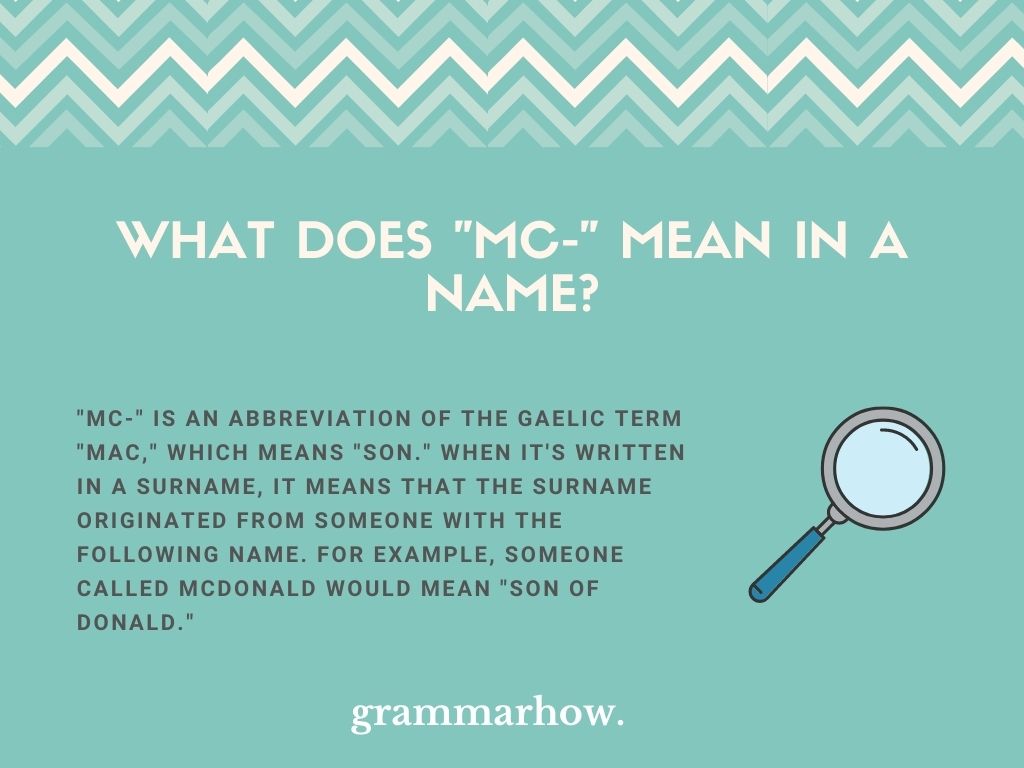
To truly grasp the branding potential of “Mc,” one must first delve into its origins. The prefix is deeply rooted in Gaelic linguistic tradition, primarily found in Scottish and Irish surnames. Its meaning directly translates to “son of,” indicating patrilineal descent.
Tracing Gaelic Heritage and Lineage
The widespread use of “Mc” (and its variations like “Mac”) dates back centuries, emerging as a practical system for identifying individuals by their paternal lineage. For instance, MacDonald literally means “son of Donald.” This naming convention was vital in clan societies, where identity, allegiance, and status were inextricably linked to family and ancestry. A name like McLeod immediately connected an individual to the powerful Clan MacLeod, signifying a shared history, territory, and set of values. This inherent link to heritage means that “Mc” names often carry an automatic association with deep roots, long-standing traditions, and a sense of continuity.
Geographical Distribution and Migratory Patterns
The prevalence of “Mc” names around the world is a testament to the extensive migrations of Scottish and Irish populations. While originating in the British Isles, these names are now ubiquitous in countries like the United States, Canada, Australia, and New Zealand, where large diasporic communities settled. This global distribution means that “Mc” names are recognized across diverse cultures, albeit sometimes with varying degrees of familiarity or specific connotations. For a brand, this widespread recognition can offer a baseline of familiarity, suggesting a universal appeal or at least a significant target demographic rooted in these cultural backgrounds. Conversely, understanding specific regional perceptions can inform nuanced branding strategies.
“Mc” as a Foundation for Personal Branding
For an individual, their name is often their most fundamental brand asset. When that name includes “Mc,” it comes pre-loaded with a set of implicit meanings that can be strategically harnessed for personal branding.
Connotations of Heritage, Family, and Authenticity
A “Mc” name often projects an immediate sense of heritage and authenticity. In a professional context, this can translate into perceptions of reliability, trustworthiness, and a grounded character. It suggests a person with roots, a history, and potentially a commitment to values passed down through generations. This can be particularly powerful in fields where trust and long-term relationships are paramount, such as finance, law, or consulting. By embracing their “Mc” name, individuals can subtly communicate a brand story of genuine origin and a connection to something larger than themselves.
Distinguishing Your Personal Brand in a Crowded Space
In today’s interconnected world, personal branding is essential for standing out. A unique name can be a significant advantage. While “Mc” names are common within certain demographics, the specific combination (e.g., McKeon vs. McDermott) can still offer a distinct identity. The inherent history associated with “Mc” can make a person’s name more memorable and intriguing than a generic one. It provides a natural conversational opener – “Oh, you’re a McGregor? Any connection to the clan?” – allowing for deeper engagement and an opportunity to weave personal heritage into one’s professional narrative. This distinction helps cut through the noise, leaving a lasting impression on potential clients, employers, or collaborators.
Leveraging Cultural Recognition for Professional Identity
Beyond simple memorability, the cultural recognition associated with “Mc” names can be a strategic asset. Depending on the industry and target audience, a “Mc” name might evoke positive stereotypes of resilience, wit, strong work ethic, or even a certain charming gravitas often attributed to Scottish and Irish cultures. Professionals in creative industries might leverage a “Mc” name to project an image of artistic integrity or storytelling prowess. In more traditional sectors, it might imply steadfastness and principled conduct. Consciously integrating these cultural nuances into one’s personal brand – through storytelling, visual cues, or professional ethos – can resonate deeply with specific audiences and create a stronger, more relatable professional identity.
Corporate Identity and “Mc”: From Founder’s Name to Global Brand
The impact of “Mc” extends to the corporate realm, where a founder’s name often becomes the cornerstone of a company’s identity. The most iconic example, McDonald’s, demonstrates how a “Mc” name can evolve from a family identifier to a universally recognized corporate brand.
Iconic Examples: McDonald’s and Beyond
McDonald’s is the quintessential case study. Starting as a restaurant founded by the McDonald brothers, the name itself became synonymous with fast food culture. The “Mc” prefix here, while initially signifying family ownership, now evokes efficiency, standardization, and global reach. Beyond fast food, numerous businesses bear “Mc” names, often reflecting their founders’ heritage: McMaster-Carr (industrial supplies), McConnell Dowell (construction), and various law firms or consultancies. These examples highlight how the “Mc” prefix can anchor a corporate brand to a sense of legacy, reliability, and established presence. The initial human connection provided by a surname can translate into a perception of a company built on enduring values.
Building Trust and Legacy Through Surnames
In corporate branding, names that incorporate a founder’s surname often convey a stronger sense of trust and legacy than invented names. The “Mc” suffix enhances this, suggesting a brand built on personal accountability, generational knowledge, and a commitment to quality that transcends short-term gains. It communicates that there’s a real person, or a family, behind the enterprise, fostering a more human connection with customers. This is particularly valuable for businesses seeking to emphasize craftsmanship, bespoke services, or a long-standing tradition of excellence. The name itself becomes a promise of continuity and a testament to the founding principles.
Navigating Modern Branding While Honoring Heritage
While the historical weight of a “Mc” name can be an asset, modern branding requires careful navigation. Companies must decide how much emphasis to place on the “Mc” heritage versus developing a contemporary brand image. For some, leaning into the Gaelic roots with related design elements or messaging can reinforce authenticity. For others, particularly global brands, the “Mc” might be subtly integrated, allowing the brand’s contemporary identity to shine while still benefiting from the underlying sense of legacy. The challenge lies in balancing the deep-rooted connotations of “Mc” with the need for a dynamic, forward-looking brand that appeals to diverse, modern audiences. This might involve strategic logo design, targeted marketing campaigns, and a clear brand narrative that bridges past and present.
Strategic Considerations for “Mc” Names in Marketing and Design
The strategic deployment of a “Mc” name in marketing and design involves more than just selecting a font. It requires a thoughtful approach to visual identity, tone of voice, and global perceptions.
Visual Identity and Logo Design
For a brand with a “Mc” name, visual identity can subtly enhance its message. Traditional crests, Celtic knots, or references to Scottish thistles or Irish shamrocks can be incorporated if the brand wishes to emphasize its heritage. However, a more minimalist approach might use a strong, classic typeface to convey timelessness and reliability without overt cultural symbols. The choice of colors can also play a role: deep greens and blues might nod to ancestral landscapes, while more modern palettes can keep the brand contemporary. The key is to ensure the visual elements align with the specific brand story being told, whether that story is about deep heritage or modern innovation built on a strong foundation.
Tone of Voice and Messaging
The tone of voice for a brand with a “Mc” name can range from traditional and authoritative to warm and personable, depending on the desired brand personality. Messaging can emphasize legacy, craftsmanship, reliability, or community. For instance, a “Mc” financial firm might use language that highlights trust, generational wealth, and prudent advice, while a “Mc” distillery might focus on heritage, natural ingredients, and the craft of distillation. The authenticity inherent in “Mc” names allows for genuine storytelling, making the brand narrative more compelling and relatable.
Global Perceptions and Cultural Sensitivity
While “Mc” names are widely recognized, their specific connotations can vary globally. In some regions, they might carry associations with certain stereotypes or historical contexts that need to be considered. Brands operating internationally must conduct thorough market research to ensure their “Mc” name resonates positively across diverse audiences. This might involve adapting marketing messages or even, in rare cases, employing regional sub-brands to navigate cultural sensitivities. The goal is to leverage the positive associations of “Mc” while being mindful of potential misinterpretations.
The Evolving Role of Surnames in Brand Storytelling
In an age where digital identities proliferate and brands strive for authenticity, the “Mc” surname continues to play a significant role in brand storytelling, connecting past, present, and future.
Connecting Generations Through a Name
A “Mc” name inherently connects a brand to its lineage, whether that’s a founding family or a cultural heritage. This allows for powerful storytelling that spans generations, emphasizing continuity, evolution, and enduring values. For family-owned businesses, the “Mc” name can be a living testament to a legacy, passed down and built upon, creating a compelling narrative of perseverance and dedication. This narrative can resonate deeply with consumers seeking brands with genuine stories and a commitment to their origins.
Authenticity in an Age of Digital Identities
In a digital world often characterized by anonymity and manufactured personas, a “Mc” surname can ground a brand in authenticity. It provides a tangible link to human origin, suggesting a brand that is real, trustworthy, and accountable. This authenticity is a highly sought-after commodity for consumers who are increasingly wary of superficial marketing. By leaning into the genuine roots signified by “Mc,” brands can build stronger, more credible relationships with their audience, fostering loyalty and trust.
Future-Proofing a Legacy Brand
While traditions are important, “Mc” brands must also look to the future. The strength of the surname lies in its ability to anchor a brand while allowing for innovation. A company can maintain its “Mc” name, signifying its heritage, while simultaneously embracing new technologies, modern designs, and evolving customer needs. This balance ensures that the brand remains relevant and resilient, capable of adapting to changing market landscapes without losing its foundational identity. The “Mc” name acts as both a reminder of where the brand comes from and a stable platform from which it can confidently launch into the future, ensuring its legacy endures.
aViewFromTheCave is a participant in the Amazon Services LLC Associates Program, an affiliate advertising program designed to provide a means for sites to earn advertising fees by advertising and linking to Amazon.com. Amazon, the Amazon logo, AmazonSupply, and the AmazonSupply logo are trademarks of Amazon.com, Inc. or its affiliates. As an Amazon Associate we earn affiliate commissions from qualifying purchases.