
The term “Magnum” in the context of firearms often evokes images of formidable power, enhanced performance, and a significant step up from standard cartridges. Far from being a mere marketing buzzword, “Magnum” signifies a specific class of ammunition and the firearms designed to handle it, characterized by increased propellant charge, higher pressures, greater velocity, and subsequently, superior energy delivery. Understanding what “Magnum” truly entails requires delving into the technical advancements in cartridge design, metallurgy, and ballistic engineering that have shaped modern weaponry.
The Core Definition: Power and Performance
At its heart, “Magnum” denotes an ammunition cartridge that is, by design, more powerful than its standard counterpart, or indeed, more powerful than typical cartridges of a similar bore diameter. This isn’t a nebulous concept but is quantifiable through specific ballistic metrics.
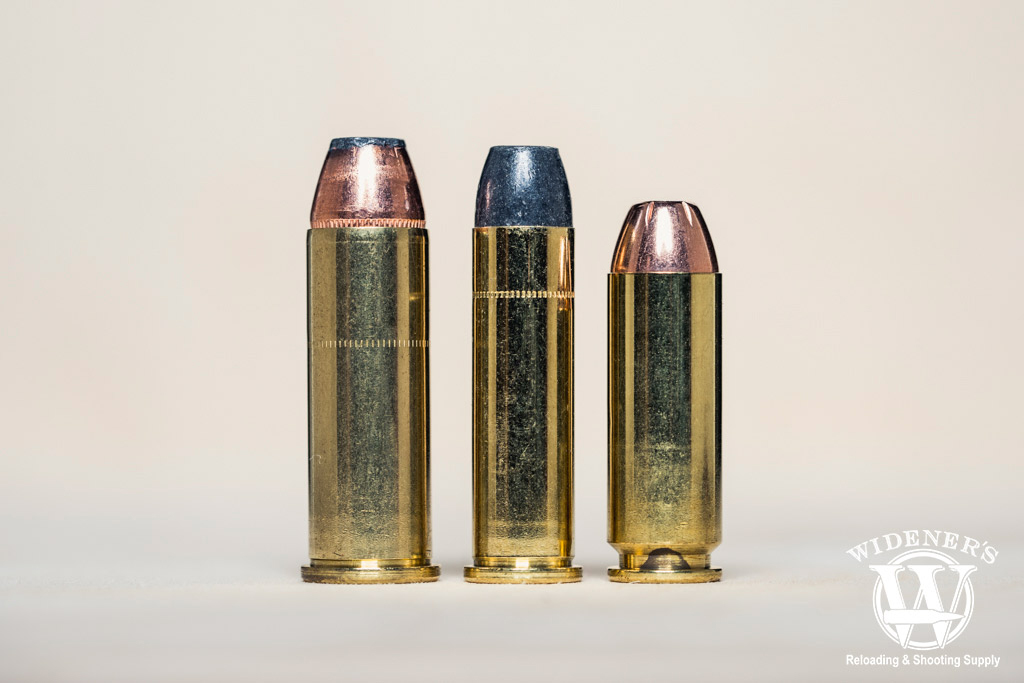
Beyond the Basic Cartridge
A Magnum cartridge is engineered to push a bullet at a significantly higher velocity than a non-Magnum round of the same caliber. This increased velocity translates directly into greater kinetic energy upon impact, a flatter trajectory over distance, and often, enhanced terminal performance. The “Magnum” designation is typically achieved by one or more methods:
- Increased Case Capacity: Magnum cartridges usually feature a longer or wider cartridge case than their standard predecessors, allowing for a greater volume of propellant powder.
- Higher Operating Pressures: The internal pressures generated within the chamber when a Magnum cartridge is fired are considerably higher than standard rounds. This necessitates stronger firearm components to safely contain these forces.
- Optimized Propellants: Modern Magnum cartridges often utilize advanced propellants that burn more efficiently and predictably under high-pressure conditions, maximizing energy transfer to the projectile.
Historical Context of “Magnum”
The concept isn’t new; it has evolved over more than a century. Early examples like the .357 Magnum, introduced in 1935, aimed to provide law enforcement with a handgun cartridge that could penetrate early automobile bodies, a capability lacking in the ubiquitous .38 Special. This cartridge was essentially an elongated .38 Special case, loaded with more powder, resulting in higher velocities and energy. This innovation set the precedent: take an existing caliber, enhance its power, and label it “Magnum.” Similar advancements followed in rifle cartridges, with iconic examples like the .300 Winchester Magnum offering hunters extended range and greater stopping power over standard .30-06 Springfield.
Key Ballistic Indicators
When evaluating a Magnum cartridge, several technical metrics stand out:
- Muzzle Velocity (fps): This measures the speed of the bullet as it exits the barrel. Magnum cartridges consistently post higher muzzle velocities.
- Muzzle Energy (ft-lbs): A crucial indicator of stopping power, muzzle energy is derived from the bullet’s mass and velocity. Magnum rounds deliver substantially higher muzzle energy, essential for hunting larger game or for specific tactical applications where barrier penetration is required.
- Pressure (psi): The internal chamber pressure generated by Magnum rounds is significantly elevated, often exceeding 50,000 psi for many rifle magnums and 35,000 psi for handgun magnums. This metric underscores the structural demands placed on the firearm.
- Trajectory: Due to higher velocities, Magnum bullets experience less drop over distance, resulting in a flatter trajectory which simplifies aiming at varied ranges.
Engineering and Design Implications for Firearms
The superior power of Magnum ammunition directly dictates significant engineering and design considerations for the firearms built to chamber them. A Magnum firearm is not merely a standard gun with a larger bore; it’s an intricately re-engineered system designed for safety, durability, and performance under extreme stresses.
Stronger Frames and Barrels
To safely contain the higher pressures generated by Magnum cartridges, firearms must be constructed from more robust materials and with reinforced designs.
- Materials: High-grade steel alloys, often heat-treated to enhance their tensile strength and hardness, are standard. For lightweight frames, advanced aerospace-grade aluminum alloys or even titanium are sometimes used, carefully chosen for their strength-to-weight ratio.
- Increased Wall Thickness: Barrels and cylinder walls (in revolvers) are typically thicker to withstand greater internal pressure. Receivers and frames are also dimensioned more generously to prevent stretching or failure.
- Locking Mechanisms: Rifle bolt lugs and receiver designs are strengthened to handle increased bolt thrust, the rearward force exerted by the cartridge case against the bolt face.
Recoil Management Technologies
The immutable law of physics dictates that for every action, there is an equal and opposite reaction. The powerful forward thrust of a Magnum bullet results in substantial recoil force exerted on the shooter. Firearms engineers employ various technologies to mitigate this:
- Weight Distribution: Heavier firearms inherently absorb more recoil energy. Magnum rifles and handguns are often designed with increased mass, particularly in the barrel and frame.
- Muzzle Brakes and Compensators: These barrel attachments redirect propellant gases to counteract muzzle rise and reduce felt recoil. They are highly effective but can increase muzzle blast and noise.
- Recoil Pads: Modern recoil pads made from advanced polymer composites and gels are integrated into rifle and shotgun stocks to absorb and dissipate recoil energy before it reaches the shooter’s shoulder.
- Gas-Operated Systems: In semi-automatic firearms, gas systems can be finely tuned to bleed off propellant gases, using some of that energy to cycle the action while simultaneously reducing recoil.
Ammunition Innovations
The cartridges themselves have seen technological leaps.
- Primer Technology: Magnum primers are designed to ignite larger charges of propellant more reliably and consistently, even under high-pressure conditions.
- Propellant Chemistry: Advances in smokeless powder formulations have yielded propellants that burn more progressively, generating high velocities without excessive peak pressures, thus enhancing safety and efficiency.
- Bullet Design: Magnum bullets are often engineered for specific performance parameters. For hunting, controlled expansion and deep penetration are critical, leading to sophisticated bullet designs with bonded cores, segmented jackets, or monolithic construction. For target shooting, extreme precision is prioritized, with finely balanced, aerodynamic projectiles.
Rifling and Twist Rates
The rifling inside a barrel imparts spin to the bullet, stabilizing it in flight. For high-velocity Magnum cartridges, the twist rate (the distance it takes for the rifling to complete one full revolution) is carefully selected to match the weight and length of the intended projectiles, ensuring optimal gyroscopic stability and accuracy at extended ranges.
The Spectrum of Magnum Cartridges
The “Magnum” family is vast and diverse, spanning nearly every firearm type and application, from compact revolvers to long-range precision rifles.
Pistol Calibers: From .357 to .500 S&W
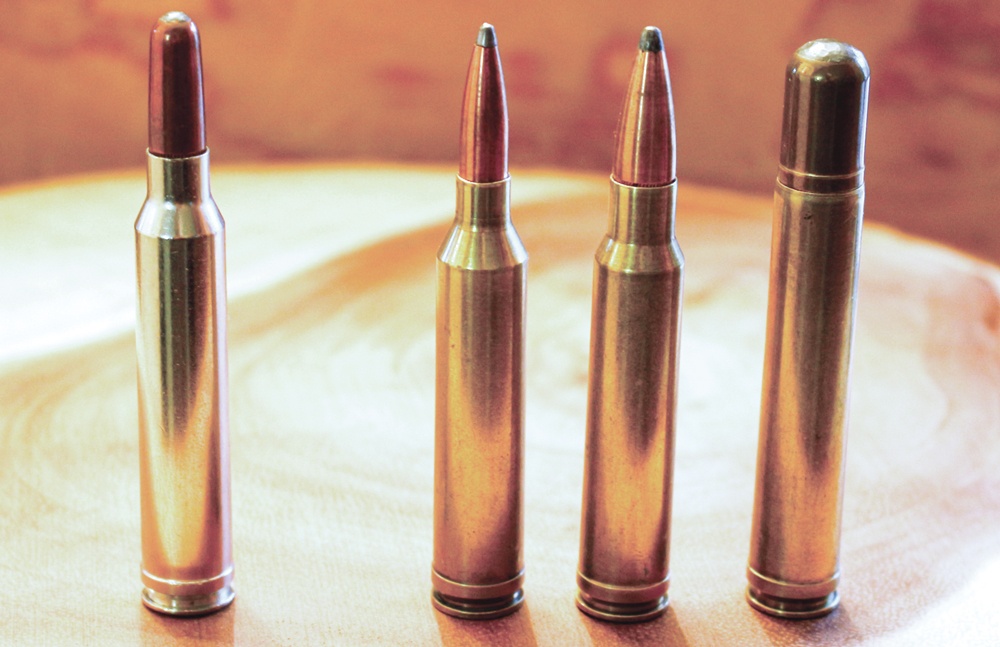
Handgun Magnums deliver significantly more punch than their standard counterparts, making them popular for self-defense, hunting, and metallic silhouette shooting.
- .357 Magnum: The pioneer, offering a significant power increase over the .38 Special, making it effective against human threats and for hunting small to medium game.
- .44 Magnum: Famous for its use in large-frame revolvers, it provides substantial power for big game hunting and is one of the most powerful production handgun cartridges.
- .50 AE (Action Express): Primarily known for its use in the Desert Eagle pistol, it’s a very large and powerful semi-automatic handgun cartridge.
- .460 S&W Magnum and .500 S&W Magnum: These represent the pinnacle of handgun power, primarily used for hunting very large dangerous game (like bears) or as “survival” firearms in wilderness areas. Their immense power comes with commensurately heavy recoil.
Rifle Calibers: Short Action vs. Long Action Magnums
Rifle Magnums are designed for maximum effective range and terminal performance, often employed in hunting, long-range competitive shooting, and military sniper roles.
- Short Action Magnums (e.g., .300 WSM, 6.5 PRC): These cartridges are designed to fit into shorter rifle actions, offering enhanced ballistic performance comparable to traditional long-action magnums, but in a more compact and often lighter rifle package. They capitalize on modern propellant technology and efficient case designs.
- Long Action Magnums (e.g., .300 Win Mag, .338 Lapua Mag, .375 H&H Mag): These are the workhorses for large game and extreme long-range shooting.
- .300 Winchester Magnum: A widely popular and versatile Magnum rifle cartridge, suitable for a vast range of North American and African game.
- .338 Lapua Magnum: Developed for military long-range snipers, it offers extreme precision and energy at distances exceeding 1,500 meters, capable of neutralizing armored targets.
- .375 H&H Magnum: A classic “dangerous game” cartridge, renowned for its reliability and stopping power against large, heavy-boned animals.
The Ultra-Magnums and Their Niche
Beyond these, there are “Ultra-Magnums” or “Super Magnums,” pushing the envelope even further. Cartridges like the .460 Weatherby Magnum or the various Remington Ultra Mag (RUM) cartridges are at the extreme end, requiring specialized, heavy-duty firearms and designed for the largest game animals or for dedicated extreme long-range shooting where every ounce of velocity and energy counts. Their recoil is substantial, and their application is often highly specialized.
Practical Considerations for Shooters and Users
While the allure of “Magnum” power is undeniable, there are practical trade-offs and considerations that users must weigh.
Recoil and Muzzle Blast
The most immediate and noticeable difference when shooting a Magnum firearm is the increased recoil and muzzle blast.
- Recoil: While some recoil can be managed through training and technique, excessive recoil can lead to flinching, reduced accuracy, and shooter fatigue. Recoil mitigation technologies help but cannot eliminate it entirely.
- Muzzle Blast: The greater volume of propellant gas exiting the barrel creates a significantly louder muzzle report and often a more pronounced flash. This necessitates robust hearing protection and awareness in shooting environments.
Cost of Ammunition and Wear on Firearms
Magnum ammunition typically costs more per round than standard cartridges due to larger cases, more expensive propellants, and often more sophisticated bullet designs. Furthermore, the increased pressures and stresses can accelerate wear and tear on firearm components, potentially leading to shorter service lives for barrels and other critical parts if not properly maintained.
Applications: Hunting, Target Shooting, Self-Defense
The choice of a Magnum round should align with its intended application:
- Hunting: Magnum cartridges excel in hunting due to their flatter trajectories and greater terminal energy, which translates to cleaner, more ethical kills on game, especially at longer ranges or for larger species.
- Target Shooting: For long-range precision shooting, the inherent velocity and flat trajectory of Magnum rifles can be an advantage, though the increased recoil can make sustained practice challenging.
- Self-Defense: While powerful, the significant recoil, muzzle flash, and over-penetration potential of some Magnum handgun rounds can make them less ideal for general self-defense in confined spaces compared to standard service calibers. However, for wilderness self-defense against dangerous animals, they are often preferred.
Legal and Ethical Aspects
The power of Magnum cartridges also brings legal and ethical considerations, particularly regarding their use in certain jurisdictions or for specific hunting activities. Responsible gun ownership and adherence to local regulations are paramount.
The Future of Magnum Cartridges and Firearm Technology
The evolution of Magnum cartridges and the firearms that chamber them is an ongoing testament to technological innovation. As material science, manufacturing techniques, and ballistic understanding advance, we can expect continued refinement.
Material Science Advances
Future Magnum firearms will likely incorporate even more advanced alloys and composite materials, offering greater strength-to-weight ratios. This could lead to lighter, yet stronger, firearms capable of handling even more potent cartridges, or conversely, making current Magnum platforms even more user-friendly.
Smart Ammunition and Ballistic Computers
While still in nascent stages for civilian use, military research into “smart” ammunition that can self-correct its trajectory or adjust its terminal performance could eventually trickle down into specialized Magnum applications, revolutionizing long-range precision. Integrated ballistic computers and advanced optics are already making it easier to leverage the long-range potential of Magnum rifles, and this integration will only deepen.
Noise Reduction and Recoil Mitigation Gadgets
As technology progresses, we might see more effective and compact recoil mitigation systems, perhaps using active dampening or more sophisticated recoil absorption materials. Similarly, advancements in suppressor technology could make Magnum firearms more hearing-safe without significantly impacting their ballistic performance.
In essence, “Magnum” in guns is a declaration of enhanced capability, born from the relentless pursuit of ballistic superiority through engineering ingenuity. It represents a commitment to pushing the boundaries of power, precision, and performance, continually redefining what a firearm and its ammunition can achieve.
aViewFromTheCave is a participant in the Amazon Services LLC Associates Program, an affiliate advertising program designed to provide a means for sites to earn advertising fees by advertising and linking to Amazon.com. Amazon, the Amazon logo, AmazonSupply, and the AmazonSupply logo are trademarks of Amazon.com, Inc. or its affiliates. As an Amazon Associate we earn affiliate commissions from qualifying purchases.