
For entrepreneurs eyeing the burgeoning market of organic soil amendments, understanding the precise visual characteristics of high-quality worm castings is not merely an academic exercise; it’s a fundamental business imperative. In a competitive landscape where product differentiation and customer satisfaction drive profitability, knowing what defines premium vermicompost visually is key to quality control, pricing strategy, and ultimately, market success. This isn’t just about appearance; it’s about the tangible indicators that translate into perceived value, efficacy, and repeat business for your vermicomposting venture.
The Visual Signature of Premium Vermicompost for Profit
The outward appearance of worm castings speaks volumes about their quality, maturity, and potential impact on plant health—factors that directly influence consumer demand and your product’s marketability. Recognizing these visual cues allows you to consistently deliver a superior product, justify premium pricing, and build a reputation for excellence in the organic gardening and agriculture sectors.

Color and Consistency: Indicators of Quality and Market Value
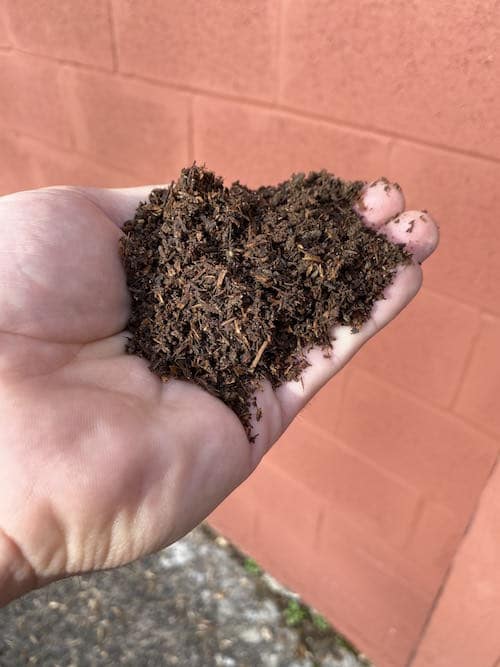
The most striking visual aspect of mature worm castings is their deep, rich color. High-quality vermicompost typically exhibits a dark brown to black hue, often reminiscent of finely ground coffee or rich, dark soil. This profound coloration is a direct result of the extensive decomposition of organic matter by earthworms and associated microorganisms. The darker the castings, generally, the more complete the decomposition and the higher the concentration of humic acids and beneficial microbial life.
From a business perspective, this color is paramount. It serves as an immediate visual signal of nutrient density and organic richness to potential buyers. Lighter-colored castings, often tan or reddish-brown, can indicate incomplete decomposition, a higher proportion of unprocessed bedding materials, or insufficient processing time. Such products might be perceived as less potent or “unfinished,” potentially diminishing their market value and your ability to charge a premium. Consistently producing uniformly dark castings is therefore a critical quality control measure that directly impacts your revenue and brand perception.
Beyond color, consistency is another vital visual and tactile indicator. Premium worm castings should be fine, uniform, and crumbly. They should not contain large chunks of undecomposed organic material, nor should they be overly clumpy or sticky. The ideal texture is granular yet soft, allowing for easy spreading and incorporation into soil mixes. This uniform consistency signifies thorough processing by the worms, indicating that the beneficial microbes and nutrients are evenly distributed. For customers, an even consistency ensures ease of use and consistent results across their applications, which fosters trust and encourages repeat purchases. Products that are lumpy, contain noticeable foreign debris, or are highly variable in texture suggest poor screening, inadequate composting conditions, or a lack of attention to quality, all of which can lead to customer dissatisfaction and negative reviews, impacting your bottom line.
Texture and Granularity: Meeting Customer Expectations and Application Needs
The tactile experience of worm castings, intrinsically linked to their visual texture, plays a significant role in customer satisfaction and product utility. High-grade worm castings should feel light and airy, yet substantial. When rubbed between the fingers, they should break down into a fine, almost powder-like consistency without feeling gritty or excessively sandy. This fine granularity is essential for several reasons pertinent to your business model.
Firstly, it ensures ease of application. Gardeners and farmers often apply worm castings as a top dressing, mixed into potting soil, or used to brew “compost tea.” A fine, consistent texture allows for seamless integration into various growing media and prevents clogging of application equipment, such as spreaders or tea brewers. Products that are too coarse or contain too many undigested fragments can be difficult to work with, leading to customer frustration and decreased perceived value.
Secondly, the granularity impacts the nutrient release rate and microbial activity. Finer particles offer a greater surface area for microbial colonization and nutrient exchange, maximizing the efficacy of the castings. From a marketing standpoint, emphasizing the “fine and rich” texture of your product can be a powerful selling point, highlighting its superior quality and immediate benefits to plant growth. Your ability to consistently deliver a product with this ideal texture directly supports your claims of potency and efficiency, building customer loyalty and driving sales through positive word-of-mouth.
Differentiating High-Quality Castings from Impurities and Poor Batches
Successful vermicomposting for profit requires meticulous attention to detail, not just in production but also in quality assurance. Visually distinguishing truly premium castings from those compromised by impurities or improper processing is vital for maintaining product integrity and protecting your brand.

The Smell Test: Beyond Sight for Business Assurance
While this section primarily focuses on visual cues, the olfactory assessment of worm castings is an invaluable, complementary tool for quality control in a commercial operation. Premium worm castings should possess a mild, earthy aroma—the quintessential smell of healthy soil after rain. This pleasant scent indicates a robust, aerobic decomposition process and a thriving microbial community. It signals freshness and vitality, which are highly desirable attributes for customers.
A sour, putrid, or ammonia-like smell, however, is a strong indicator of anaerobic conditions, excessive moisture, or the presence of undecomposed waste. This not only detracts from the product’s appeal but can also signify the presence of harmful pathogens or compounds that could damage plants. Selling castings with an off-putting odor will quickly lead to returns, negative reviews, and a damaged business reputation. Incorporating a “smell test” into your quality control protocol, alongside visual inspection, is crucial for ensuring that only market-ready, superior products reach your customers. This directly impacts customer satisfaction and your ability to maintain a positive brand image in the organic product market.
Moisture Content and Its Impact on Shelf Life and Transport
The moisture content of worm castings is a critical visual and tactile factor that profoundly affects product quality, shelf life, and logistical considerations for your business. Visually, castings that are too wet will appear darker, clump together excessively, and might even show signs of mold growth if stored improperly. They will feel heavy and squishy. Conversely, castings that are too dry will appear lighter, dusty, and may crumble into an overly fine powder, potentially indicating a loss of microbial viability.
The optimal moisture level for commercial worm castings is generally between 30-50%. At this range, castings retain their beneficial microbial life, prevent anaerobic conditions, and are easy to handle. From a business perspective:
- Shipping Costs: Excessive moisture significantly increases the weight of your product, directly translating to higher shipping costs. This can eat into your profit margins, especially for online sales or long-distance distribution.
- Shelf Life and Storage: Too much moisture can lead to anaerobic conditions, mold, and pathogen growth, drastically reducing shelf life and making the product unusable. Too little moisture can dry out beneficial microbes, rendering the castings less effective. Maintaining optimal moisture ensures product stability and longevity, minimizing waste and maximizing inventory value.
- Customer Experience: Customers expect a product that is ready to use and performs as advertised. Castings that are either too wet or too dry can be difficult to work with, potentially leading to dissatisfaction and complaints.
Developing a rigorous moisture content protocol and incorporating visual checks during packaging ensures that your product arrives in optimal condition, enhancing customer satisfaction and reinforcing your brand’s commitment to quality. This attention to detail directly impacts your operational efficiency and overall profitability.
Packaging and Presentation: Leveraging Appearance for Sales
The visual appeal of your worm castings extends beyond the product itself to its packaging. In a retail environment, whether online or physical, how your product is presented visually can significantly influence purchasing decisions. Clear packaging that allows customers to see the dark, rich texture of your castings can be a powerful selling point, instantly conveying quality and value.
Beyond transparency, the design of your packaging, including branding, labeling, and informative text, plays a crucial role. A professional, eco-friendly design that highlights the organic and beneficial nature of worm castings reinforces the product’s value proposition. High-resolution images on your website or e-commerce listings that accurately depict the fine, dark texture of your castings are also essential. Marketing materials should emphasize the visual attributes that signify quality, linking the dark color and crumbly texture to higher nutrient density and superior plant growth. By strategically leveraging the visual appeal of both the product and its packaging, you can enhance brand perception, attract new customers, and command a stronger market presence.
Scaling Your Vermicomposting Venture: Consistency is Key for Business Growth
As your vermicomposting business expands, maintaining visual consistency in your worm castings becomes increasingly critical. Large-scale operations demand standardized production processes that yield a uniform product across all batches. Inconsistent color, texture, or moisture content from one shipment to the next can erode customer trust and complicate your supply chain relationships.
Investing in robust quality control measures, including regular visual inspections at various stages of production and post-harvest screening, is paramount. This ensures that every bag of worm castings bearing your brand name meets the established visual benchmarks of premium quality. Establishing clear visual standards for your production team and providing consistent training on identifying optimal characteristics versus impurities will empower them to maintain high-quality outputs. Ultimately, the ability to consistently deliver visually appealing, high-quality worm castings across increasing volumes is not just about meeting expectations; it’s about building a scalable, reputable, and profitable business that stands out in the organic amendments market.
aViewFromTheCave is a participant in the Amazon Services LLC Associates Program, an affiliate advertising program designed to provide a means for sites to earn advertising fees by advertising and linking to Amazon.com. Amazon, the Amazon logo, AmazonSupply, and the AmazonSupply logo are trademarks of Amazon.com, Inc. or its affiliates. As an Amazon Associate we earn affiliate commissions from qualifying purchases.