
Understanding the dietary habits of wild chickens might seem like a topic for ornithologists or ecologists, but a deeper dive reveals significant economic implications for modern agriculture, sustainable business practices, personal finance, and even investment strategies. The natural foraging behaviors and diverse diets of these ancestral birds offer a blueprint for cost efficiency, premium market development, and environmental stewardship that directly translates into monetary value. By observing what wild chickens consume, we can uncover strategies to reduce expenses, create new revenue streams, and invest in practices that yield both financial and ecological returns.

The Foraging Blueprint: A Natural Cost-Benefit Analysis
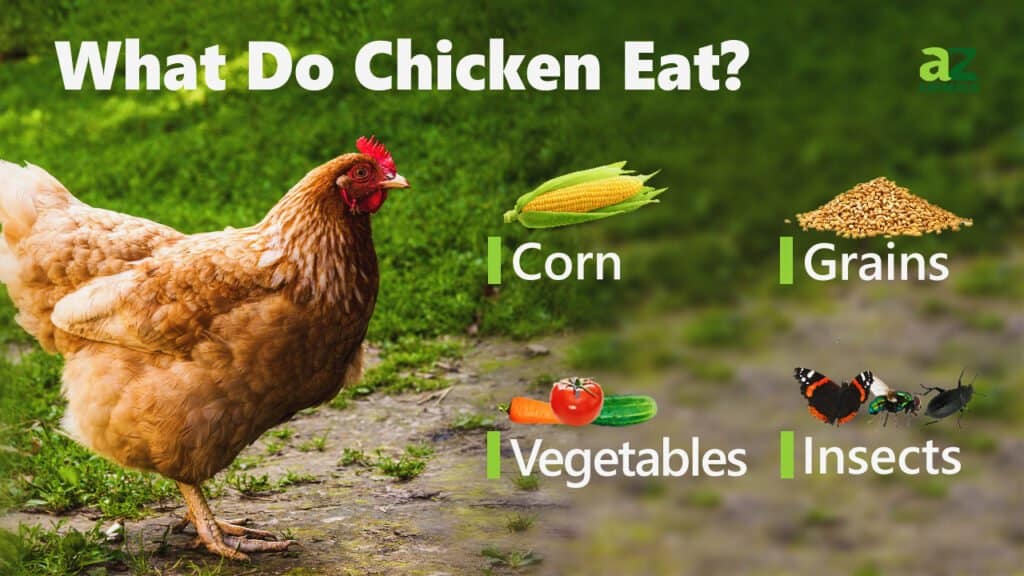
Wild chickens, particularly the Red Junglefowl (Gallus gallus) from which all domestic chickens descend, thrive on a remarkably varied diet dictated by their environment. This opportunistic foraging strategy is a masterclass in resource utilization, offering valuable lessons for anyone looking to optimize their poultry operations or invest in sustainable food systems. Each component of their diet—insects, seeds, grains, and greenery—represents a natural resource that, when understood, can be leveraged for financial benefit.
Insect Prowess: Natural Pest Control and Protein Sources
Insects form a substantial part of a wild chicken’s diet. Grasshoppers, beetles, ants, termites, and various larvae provide essential protein, amino acids, and fats crucial for their growth and energy. From an economic perspective, this natural inclination towards entomophagy (insect eating) presents a dual advantage. Firstly, wild chickens act as highly effective biological pest control agents. Farms that integrate free-ranging or semi-wild chicken populations can significantly reduce their reliance on expensive chemical pesticides, leading to substantial cost savings and a healthier, more marketable product. The investment in robust fencing and predator protection might be offset by reduced chemical expenditures and improved soil health.
Secondly, insects are an incredibly potent, naturally occurring protein source. Commercial chicken feeds often rely on costly soy and corn, which are subject to market fluctuations and environmental concerns. By encouraging natural insect foraging, farmers can decrease their expenditure on supplementary protein sources, directly impacting feed costs—often the largest operational expense for poultry farmers. Businesses could explore developing insect farms as a sustainable, cost-effective protein supplement for free-range poultry, tapping into a burgeoning market for eco-friendly animal feed.
Seed & Grain Discovery: Sustainable Feed Alternatives
Beyond insects, wild chickens are adept at finding and consuming a wide array of seeds, fallen grains, and fruits. They scratch through leaf litter and soil, uncovering hidden sustenance. This dietary component highlights the potential for reducing dependency on monoculture-derived commercial feeds. For small-scale farmers and homesteaders, understanding the types of seeds and grains prevalent in their local environment—and how to cultivate them sustainably—can lead to significant savings. Planting cover crops like clover, alfalfa, or even specific grain varieties known to attract insects and provide accessible seeds for foraging can transform a barren pasture into a self-sustaining food source for a flock.
From a business finance perspective, this knowledge informs decisions about land management and crop rotation. Investing in diverse plantings that naturally provide feed can increase the long-term productivity and resilience of a farm, reducing vulnerability to supply chain disruptions and volatile commodity prices. Companies focused on sustainable agriculture might develop seed mixes specifically designed for poultry foraging pastures, creating a niche market for eco-conscious farmers.
Greenery & Forbs: Micronutrients and Foraging Efficiency
Wild chickens also consume a variety of greens, leaves, forbs, and even roots. This roughage provides essential vitamins, minerals, and fiber, contributing to gut health and overall vitality. Economically, this signifies that a well-managed pasture rich in diverse plant life can serve as a comprehensive nutritional supplement, further minimizing the need for expensive synthetic additives in feed.
For commercial operations aiming for higher margins, integrating pasture management that encourages diverse plant growth can lead to healthier birds, reducing veterinary costs and improving meat or egg quality. Consumers are increasingly willing to pay a premium for products from animals raised in natural, forage-rich environments, perceiving them as more ethical and healthier. This direct link between a natural diet and market appeal underscores the financial value of understanding and mimicking wild foraging patterns.
From Wild Wisdom to Sustainable Poultry Businesses
The economic lessons from wild chicken diets extend far beyond individual cost savings; they form the bedrock for creating and sustaining profitable poultry businesses in a competitive market. Embracing wild-inspired practices can differentiate a brand, enhance operational efficiency, and tap into growing consumer demands.
Premium Market Opportunities: The “Wild-Inspired” Niche
The contemporary consumer market shows a clear preference for products that are natural, ethically sourced, and sustainable. Chickens raised with access to diverse foraging environments—mimicking the natural diet of their wild ancestors—can command premium prices. Terms like “pasture-raised,” “free-range,” and “foraged-fed” resonate strongly with consumers who associate these practices with higher welfare standards, superior nutritional content, and better taste.
Businesses can build compelling brand narratives around these principles. Marketing campaigns can highlight the natural diet, the health benefits derived from varied foraging, and the environmental sustainability of their farming methods. This isn’t just about selling a product; it’s about selling a story and a promise of quality that aligns with consumer values. The financial return comes from higher per-unit prices and increased market share within affluent or health-conscious demographics. Case studies of successful “beyond organic” poultry farms consistently demonstrate that investing in natural foraging environments yields significant financial dividends through premium pricing and strong brand loyalty.
Operational Efficiency: Reduced Inputs, Higher Margins
Beyond increased revenue from premium pricing, mimicking wild diets contributes directly to operational efficiency and improved profit margins. As discussed, reducing reliance on expensive commercial feed through active foraging can drastically lower input costs. Healthier birds, sustained by a varied natural diet, tend to have stronger immune systems, leading to lower veterinary bills and reduced mortality rates. This directly translates into higher net profits.
Furthermore, integrating chickens into regenerative agriculture systems—where they contribute to pest control, weed management, and soil fertilization through their scratching and droppings—creates a virtuous cycle. The chickens benefit from the diverse foraging, and the land benefits from their presence, potentially reducing the need for mechanical tillage, chemical fertilizers, and herbicides. This symbiotic relationship can lower overall farm operating costs, making the entire business more financially viable and resilient. Financial models for such integrated systems often show superior long-term profitability compared to conventional methods.
Brand Storytelling & Consumer Appeal
In today’s crowded market, a strong brand story is invaluable. Companies that genuinely integrate practices inspired by wild chicken diets have a powerful narrative to share. This narrative can be about animal welfare, environmental stewardship, the superior quality of their products, or a return to traditional, natural farming methods. This authenticity builds trust and loyalty among consumers, fostering a resilient customer base less susceptible to price wars.
Effective marketing leveraging this “wild-inspired” branding can include farm tours, educational content about chicken biology and foraging, and transparent communication about their farming practices. This direct engagement not only sells products but also builds a community around the brand, providing long-term financial stability and growth potential.
Investing in Natural Avian Practices: Beyond the Coop
The economic implications of wild chicken diets extend into investment opportunities, driving innovation in agritech, niche product development, and the valuation of ecosystem services. For investors, understanding these trends can highlight profitable ventures in sustainable food systems.
Agritech and Sustainable Farming Investments
As the demand for naturally raised poultry grows, so does the need for technologies and services that support these practices. This creates investment opportunities in agritech companies developing solutions for:
- Pasture Management Software: Tools for optimizing forage growth, rotation, and chicken integration.
- Automated Foraging Systems: Innovative solutions that encourage natural behavior while managing flock health and safety.
- Insect Protein Production: Companies scaling up sustainable insect farming for animal feed.
- Biodiversity Enhancement Tools: Technologies that help farmers measure and improve biodiversity on their lands, which directly impacts foraging potential.
Investors can look for startups and established companies pioneering these solutions, as they are positioned to capitalize on the shift towards sustainable, “wild-inspired” farming models.
Niche Product Development: Feeds, Supplements, and Consulting
The insight into what wild chickens eat can spur the development of new, specialized products. This includes:
- “Wild-Mimicking” Feed Mixes: Commercial feeds designed to supplement natural foraging with ingredients mirroring wild diets, appealing to premium market segments.
- Natural Foraging Supplements: Products that enhance gut health or provide specific micronutrients that might be less available in certain foraging environments.
- Consulting Services: Experts who advise farmers on how to transform their land into effective foraging grounds, implement rotational grazing, and integrate wild-inspired chicken management practices.
These niche markets, driven by informed consumer and producer demand, offer significant potential for entrepreneurial ventures and targeted investment.
Ecosystem Services: The Economic Value of Biodiversity
Finally, understanding the role of wild chickens in their ecosystems allows us to value the broader economic benefits of biodiversity. By consuming insects, spreading seeds, and aerating soil, wild chickens perform valuable ecosystem services. Investing in conservation efforts that protect natural habitats and promote biodiversity can, indirectly, support more resilient and productive agricultural systems in the long run. Valuing these services can lead to new financial models, such as carbon credits for regenerative farms or biodiversity impact bonds, where the financial returns are tied to ecological improvements, many of which benefit foraging animals like chickens.
Personal Finance Benefits for the Backyard Enthusiast
For individuals, the lessons from wild chicken diets offer practical ways to save money and even generate side income, transforming a hobby into a financially savvy endeavor.
Reducing Household Expenses: The Self-Sustaining Flock
For backyard chicken keepers, adopting “wild-inspired” practices means significantly reducing feed costs. By providing ample space for foraging, planting chicken-friendly vegetation (like clover, dandelions, and various herbs), and managing compost heaps, enthusiasts can supplement their flock’s diet naturally. This not only cuts down on expensive commercial feed purchases but also results in healthier, happier birds and potentially more nutritious eggs. Over time, the cumulative savings can be substantial, making backyard chickens a more economically viable addition to the household.

Generating Side Income: Eggs and More
A well-managed flock raised on a varied, natural diet can produce high-quality eggs or even meat that commands a premium from local buyers. Eggs from “pasture-raised” or “foraged” chickens are often sought after for their rich flavor, vibrant yolks, and perceived health benefits. By selling surplus eggs at farmers’ markets, to neighbors, or through local co-ops, backyard enthusiasts can generate a steady stream of side income. Furthermore, healthy birds, naturally sustained, may require fewer interventions, making the process more enjoyable and less financially draining, thus maximizing the profit potential from these small-scale ventures.
In conclusion, the seemingly simple question “what do wild chickens eat” unlocks a wealth of economic insights. From informing strategies for cost reduction and market differentiation in commercial agriculture to identifying lucrative investment opportunities and practical personal finance benefits, the natural diet of wild chickens serves as a powerful reminder of nature’s inherent economic efficiency. By integrating these ancient lessons into modern financial and business strategies, we can cultivate more sustainable, profitable, and resilient food systems for the future.
aViewFromTheCave is a participant in the Amazon Services LLC Associates Program, an affiliate advertising program designed to provide a means for sites to earn advertising fees by advertising and linking to Amazon.com. Amazon, the Amazon logo, AmazonSupply, and the AmazonSupply logo are trademarks of Amazon.com, Inc. or its affiliates. As an Amazon Associate we earn affiliate commissions from qualifying purchases.