
Understanding the tell-tale signs of rat burrows is far more than a matter of mere curiosity; it’s a critical first line of defense in protecting significant financial investments, whether they be your home, business, or rental property. An undetected rat infestation can quickly morph from a minor nuisance into a catastrophic financial drain, impacting property values, structural integrity, inventory, health, and reputation. Recognizing these subterranean networks early can save thousands, if not tens of thousands, in remediation, repairs, and lost income. This guide delves into the visual characteristics of rat burrows, framing them within the broader context of asset protection and financial risk mitigation.

The Financial Imperative of Early Pest Detection
The presence of rats is a direct threat to capital. From the moment these rodents establish a foothold, they begin to compromise the very assets they inhabit. Early detection, spearheaded by the identification of their burrows, is paramount to safeguarding your financial well-being.
Protecting Your Investment: Home and Business Value
For homeowners, a rat infestation can significantly diminish property value. Disclosure laws in many regions necessitate reporting pest problems during a sale, potentially deterring buyers or forcing a reduced asking price. Beyond the immediate transaction, the stigma of a past infestation can linger, affecting marketability. For businesses, particularly those in hospitality, food service, or retail, a rodent problem can lead to immediate closure, irreparable damage to brand reputation, and a substantial loss of revenue. The cost of regaining customer trust and rebuilding a damaged brand can far exceed the direct costs of extermination. Identifying burrows swiftly allows for a targeted response that minimizes these long-term financial repercussions.
Avoiding Escalating Costs: Extermination and Repairs
The longer an infestation goes unnoticed, the more entrenched and widespread it becomes. A small, contained problem that might require a single professional intervention can escalate into a multi-stage extermination process involving extensive trapping, baiting, and structural modifications. Each additional stage translates directly into higher costs. Furthermore, rats are notorious for the damage they inflict. They chew through electrical wiring, posing fire hazards and necessitating expensive electrical repairs. They contaminate insulation, requiring costly replacement. They gnaw on pipes, leading to leaks and water damage. These repair costs, combined with the escalating extermination fees, can quickly spiral into an unmanageable financial burden if burrows are not identified and acted upon promptly.
Health Risks and Medical Expenses
While often overlooked in purely financial assessments, the health risks posed by rats have direct economic consequences. Rats are vectors for numerous diseases, including Hantavirus, Leptospirosis, and Salmonellosis. Exposure to these pathogens can lead to severe illness, requiring medical treatment, hospitalization, and time away from work. For businesses, a public health incident linked to an infestation can result in legal liabilities, fines, and further damage to brand image, all carrying significant financial penalties. Proactive identification of burrows helps prevent these health crises, thereby avoiding associated medical expenses and potential legal fees.
Identifying Rat Burrows: Key Visual Indicators
Knowing exactly what to look for when identifying rat burrows is crucial for timely intervention. These aren’t just random holes in the ground; they exhibit specific characteristics that can betray an active infestation.
Location, Location, Location: Where to Find Them
Rat burrows are typically found in secluded, undisturbed areas that offer protection and proximity to food and water sources. Outdoors, look along foundations of buildings, under concrete slabs, beneath dense vegetation, alongside retaining walls, and in compost piles. They favor areas where digging is relatively easy, such as loose soil or overgrown garden beds. Indoors, while less common for active burrowing into the ground, rats may burrow into insulation within walls, attics, or crawl spaces, creating tunnels and nests. Inspect basements, utility rooms, and areas near food storage or waste bins. The proximity to shelter, food, and water is always a primary determinant of burrow location.
Entry Points and Tunnel Characteristics
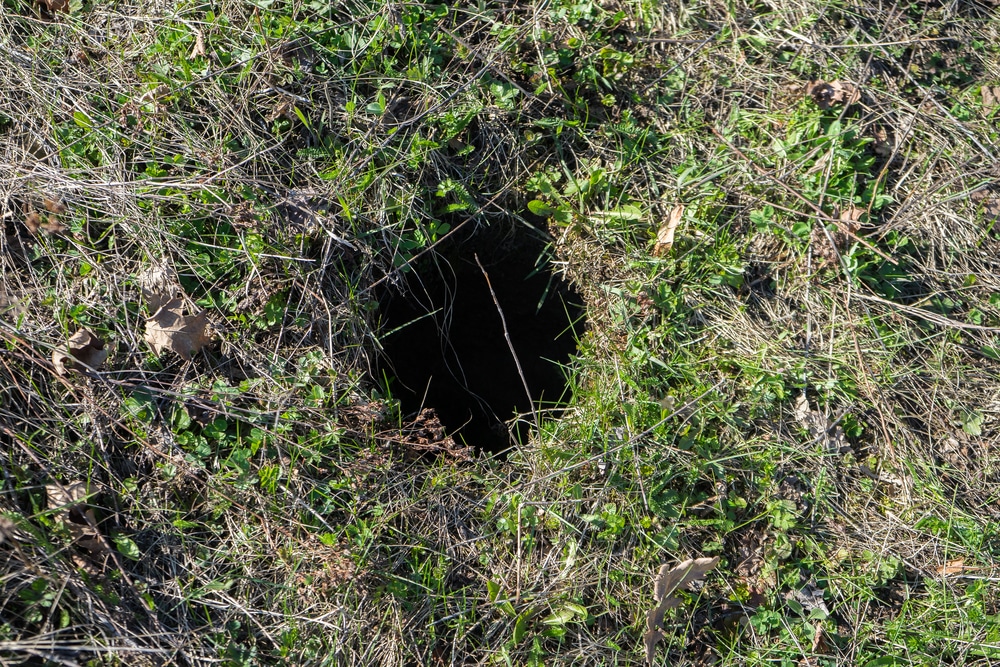
A typical rat burrow entrance is a circular or oval-shaped hole, approximately 2 to 4 inches in diameter (5 to 10 cm), large enough for a mature rat to pass through comfortably. The edges of active burrows often appear smooth and compacted due to the frequent passage of rats, sometimes even shiny from the oil and dirt on their fur. You might also notice a “worn” path leading to and from the burrow entrance, where vegetation has been trampled or soil compacted.
Unlike a gopher hole, which often has a distinct mound of fresh dirt around it, rat burrows are typically less conspicuous. However, some burrow systems, especially those created by Norway rats (also known as brown rats), can involve complex networks of tunnels beneath the surface, with multiple entry and exit points. These systems can extend several feet in length and depth, providing shelter for entire colonies. Active burrows might also have fresh soil excavated around the entrance if they are newly dug or being expanded.
Beyond the Hole: Associated Signs of Infestation
While the burrow itself is the primary indicator, its presence is often accompanied by other signs that confirm an active rat problem, reinforcing the need for financial intervention.

- Droppings: Small, dark, pellet-like droppings, often found near burrow entrances, along pathways, or near food sources. Fresh droppings indicate recent activity.
- Gnaw Marks: Rats constantly gnaw to keep their teeth sharp and to access food or nesting materials. Look for gnaw marks on wood, plastic pipes, electrical wiring, and food packaging. These marks signify potential damage that will eventually require financial outlay for repairs.
- Runways/Grease Marks: Rats tend to follow established routes, leaving behind dark, greasy smudges on walls and along baseboards from the oil and dirt on their bodies. These runways indicate consistent activity and potential entry points.
- Nests: Indoors, rats construct nests from shredded paper, fabric, and other soft materials in secluded spots like attics, wall voids, or cluttered storage areas. The presence of nests suggests a breeding population, escalating the financial problem.
- Sounds: Scratching, scurrying, or gnawing noises coming from walls, ceilings, or attics, particularly at night, are strong indicators of an active rodent population.
- Odors: A stale, musky odor, especially in enclosed areas, can signify a large or long-standing infestation, resulting from rat urine and droppings. This odor can permeate materials, requiring professional cleaning and replacement, adding to the financial burden.
The Economic Fallout of Untreated Infestations
Allowing a rat infestation to persist unchecked is akin to watching your assets depreciate or accrue significant liabilities. The long-term economic consequences far outweigh the immediate costs of professional pest control.
Property Damage: Structural Integrity and Utilities
Rats are incessant chewers. Their powerful incisors can inflict substantial damage on building materials. They chew through wooden beams, potentially compromising structural integrity over time. They target PVC pipes, leading to leaks, water damage, and costly plumbing repairs. The most dangerous and financially impactful damage often involves electrical wiring. Rats gnawing on wires can strip insulation, creating short circuits, power outages, and a severe fire risk. The cost of rewiring an entire section of a property, let alone addressing fire damage, can be astronomical.
Inventory Loss and Business Interruption
For businesses, especially those dealing with food, textiles, or goods stored in warehouses, rats pose a direct threat to inventory. Contamination by urine, feces, or physical damage from gnawing renders products unsalable, leading to direct financial losses. Beyond product destruction, an infestation can force a business to temporarily close for fumigation and extensive cleaning. This interruption translates into lost sales, lost productivity, and potential penalties for failing to meet supply chain commitments. The cumulative financial impact can be devastating for small and medium-sized enterprises.
Reputational Harm and Legal Ramifications (for Businesses)
Perhaps the most insidious long-term financial cost for businesses is reputational damage. News of a rat infestation, particularly in customer-facing establishments like restaurants or hotels, can spread rapidly through social media and local news, severely eroding public trust. Rebuilding a damaged reputation is an arduous and expensive process, often requiring extensive public relations campaigns and marketing efforts. Furthermore, health code violations due to rodent activity can lead to hefty fines, legal action from customers, and even permanent closure, representing a complete financial write-off of the business.
Proactive Measures and Smart Investment in Prevention
Recognizing burrows is the first step, but a financially savvy approach requires proactive prevention and strategic investment in pest management to mitigate future risks.
Sealing Entry Points: A Cost-Effective First Step
The most cost-effective preventative measure is also often the simplest: exclusion. Sealing all potential entry points into a structure prevents rats from establishing internal harborage. This involves inspecting foundations for cracks, ensuring all pipes and utility lines entering the building are sealed with rodent-proof materials (like steel wool or concrete), repairing broken screens, and ensuring doors and windows seal tightly. Investing a small amount of time and materials in sealing these gaps is a minimal financial outlay compared to the cost of treating an established infestation.
Regular Inspections: Minimizing Long-Term Expenses
Scheduled, routine inspections of your property, both inside and out, are a wise financial habit. By regularly checking for signs of rodent activity—burrows, droppings, gnaw marks—you can catch potential problems when they are small and manageable. This proactive vigilance allows for swift intervention, avoiding the exponential increase in costs associated with large, entrenched infestations. Consider these inspections as a form of “preventative maintenance” for your property’s financial health, similar to checking your car’s oil or tuning up your HVAC system.
Professional Pest Management: When to Call the Experts (and Why It’s a Wise Financial Decision)
While DIY methods can address very minor, early-stage problems, a confirmed rat burrow system or widespread signs of infestation warrant immediate professional intervention. Attempting to manage a significant rat problem without expert knowledge often leads to prolonged infestations, ineffective treatments, and ultimately, greater financial expenditure.
Professional pest control technicians possess the expertise, specialized tools, and knowledge of rodent behavior to accurately assess the extent of the problem, identify all entry points, and implement a targeted, effective eradication strategy. They can also advise on long-term prevention. Viewing professional pest management as an investment rather than an expense is crucial. It’s an investment in protecting your property’s value, safeguarding your health, preventing costly repairs, and ensuring business continuity. The upfront cost of professional services pales in comparison to the potential financial devastation of an unchecked rodent problem.
Insurance Considerations: What’s Covered, What’s Not
It’s important to understand the financial safety nets, or lack thereof, when it comes to pest damage. Most standard homeowner’s insurance policies do not cover damage caused by rodents, insects, or other pests. This is typically viewed as a preventable maintenance issue. This means that if rats chew through your wiring or contaminate your insulation, the significant repair costs will likely come directly out of your pocket. Some commercial policies might offer limited coverage for pest-related business interruption, but this is rare and usually requires specific riders. This reality further underscores the financial importance of early burrow identification and proactive pest management—because prevention is the only true “insurance” against these substantial, uncovered expenses.
aViewFromTheCave is a participant in the Amazon Services LLC Associates Program, an affiliate advertising program designed to provide a means for sites to earn advertising fees by advertising and linking to Amazon.com. Amazon, the Amazon logo, AmazonSupply, and the AmazonSupply logo are trademarks of Amazon.com, Inc. or its affiliates. As an Amazon Associate we earn affiliate commissions from qualifying purchases.