
The practice of “cutting” illicit substances, particularly cocaine, is a pervasive and foundational business strategy within the global illicit drug trade. Far from being a random act, it represents a calculated financial maneuver aimed at maximizing profit margins, expanding volume, and influencing market dynamics across complex, clandestine supply chains. This process is less about the chemical properties of the drug itself and more about the economic principles applied to a high-demand, high-value commodity operating outside legal frameworks. Understanding what substances are used to adulterate cocaine provides a unique lens into the financial ingenuity and risk management inherent in illicit business finance.
The Financial Imperative: Maximizing Volume and Value
At its core, cutting cocaine is a direct response to a fundamental business challenge: how to increase revenue and profit from a finite, expensive, and high-risk product. The primary objective is to stretch a smaller quantity of pure cocaine into a larger volume of saleable product, thereby multiplying potential earnings per unit of original material. This isn’t merely about adding weight; it’s a sophisticated play on perceived value, market demand, and the willingness of consumers to pay for a product of variable purity.
Supply Chain Dynamics and Profit Margins
The cutting process typically occurs at various stages within the illicit supply chain, with each handler adding their own ‘cut’ to enhance their share of the profit. Raw cocaine, originating from production zones, undergoes initial processing and transport, during which it may be diluted to increase volume for bulk distribution. As it moves down the chain—from international traffickers to national distributors, regional wholesalers, and finally to street-level dealers—further adulteration takes place. Each transaction layer introduces an opportunity for the seller to increase their profit margin by reducing the actual drug content while maintaining an appearance of quality.
This multi-stage adulteration allows for exponential profit growth. A kilogram of pure cocaine purchased at wholesale price can, through successive dilutions, be turned into several kilograms of street-level product. The cumulative profit generated from these additional “units” far outweighs the cost of the cutting agents, which are often cheap, readily available, and easily sourced. The economics are clear: lower purity means higher volume, and higher volume means greater overall revenue, even if the price per gram of the final product is lower.
Risk-Reward Calculations in Adulteration
The decision to cut cocaine, and with what, is a finely tuned risk-reward calculation for illicit entrepreneurs. The reward is obvious: increased profits. However, there are inherent risks. Over-dilution can lead to customer dissatisfaction, loss of reputation, or even violent disputes within the criminal hierarchy. Too little purity can alienate a consumer base accustomed to a certain level of potency, irrespective of its actual chemical makeup.
Furthermore, the choice of cutting agent introduces its own set of financial and operational risks. Some agents are more expensive but less detectable; others are cheap but may alter the product’s appearance or texture too significantly. The ideal cutting agent offers maximum financial benefit with minimal impact on perceived quality, allowing the seller to maintain a competitive edge without jeopardizing their illicit “brand” or attracting unwanted scrutiny. This intricate balance underscores the entrepreneurial thinking applied to managing financial risk in a black market.
Common Diluents and Their Economic Roles
The substances used to cut cocaine are strategically chosen based on their cost-effectiveness, availability, physical properties, and, crucially, their ability to mimic or enhance the perceived effects of cocaine. These agents serve distinct economic roles in the adulteration process.
Bulking Agents: Cheap Volume Expansion
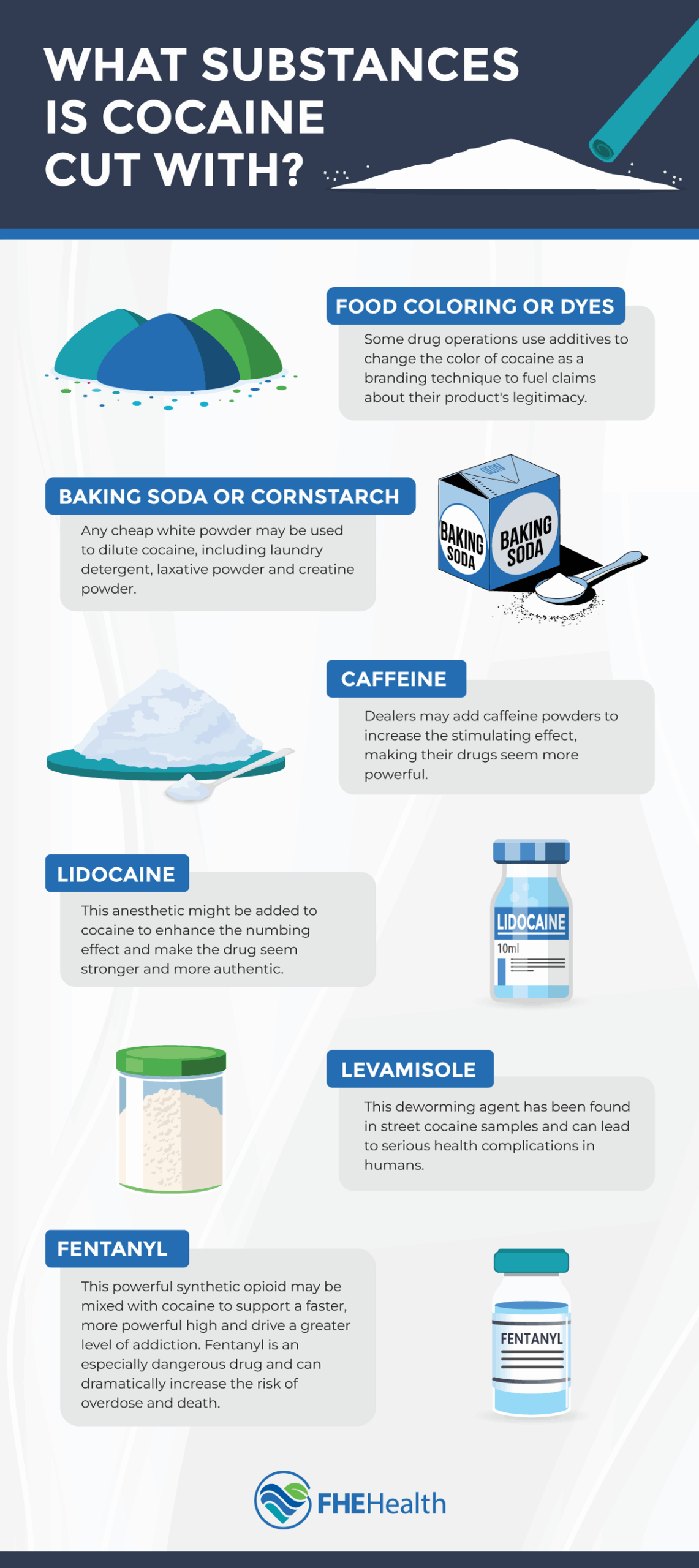
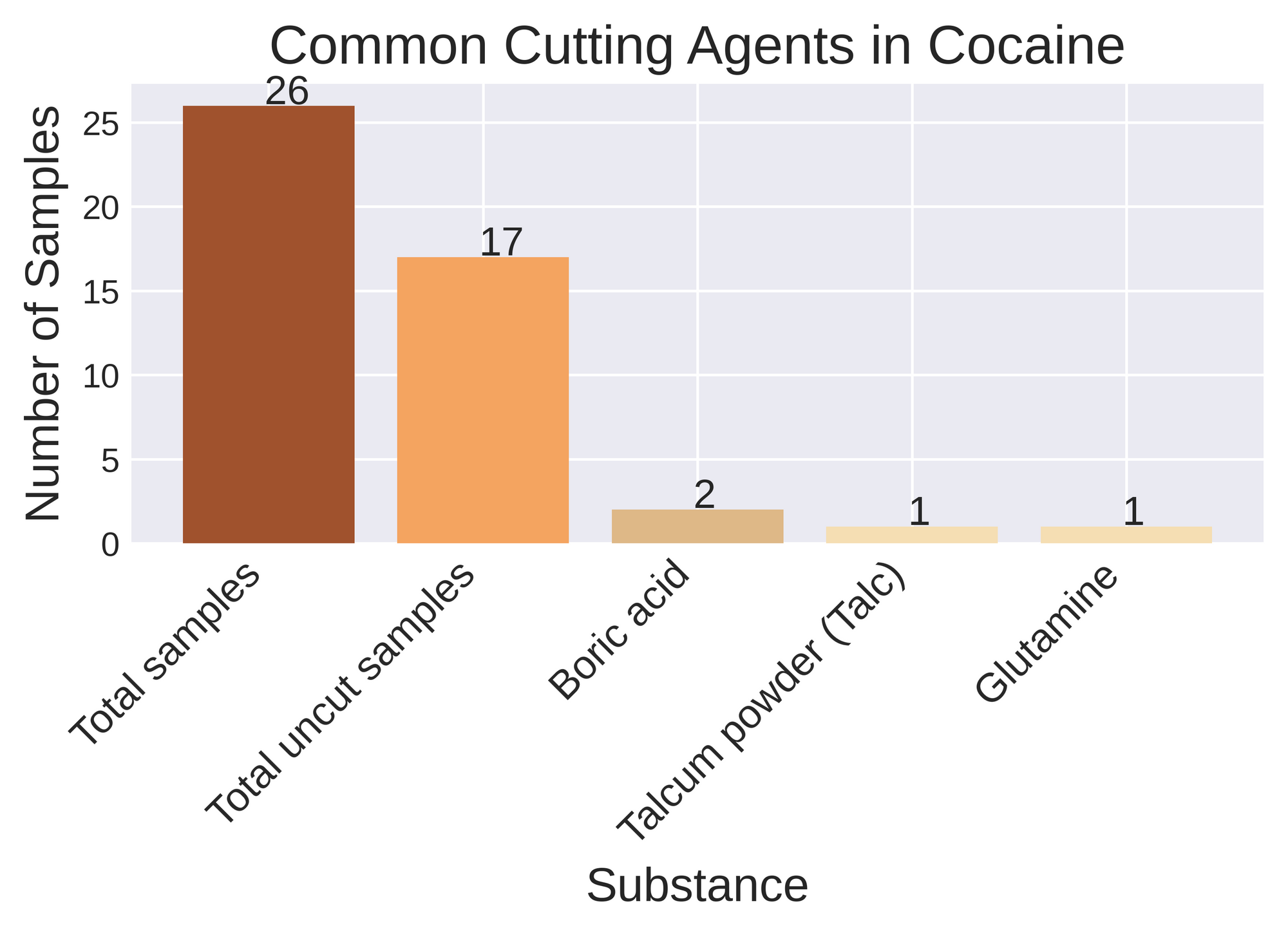
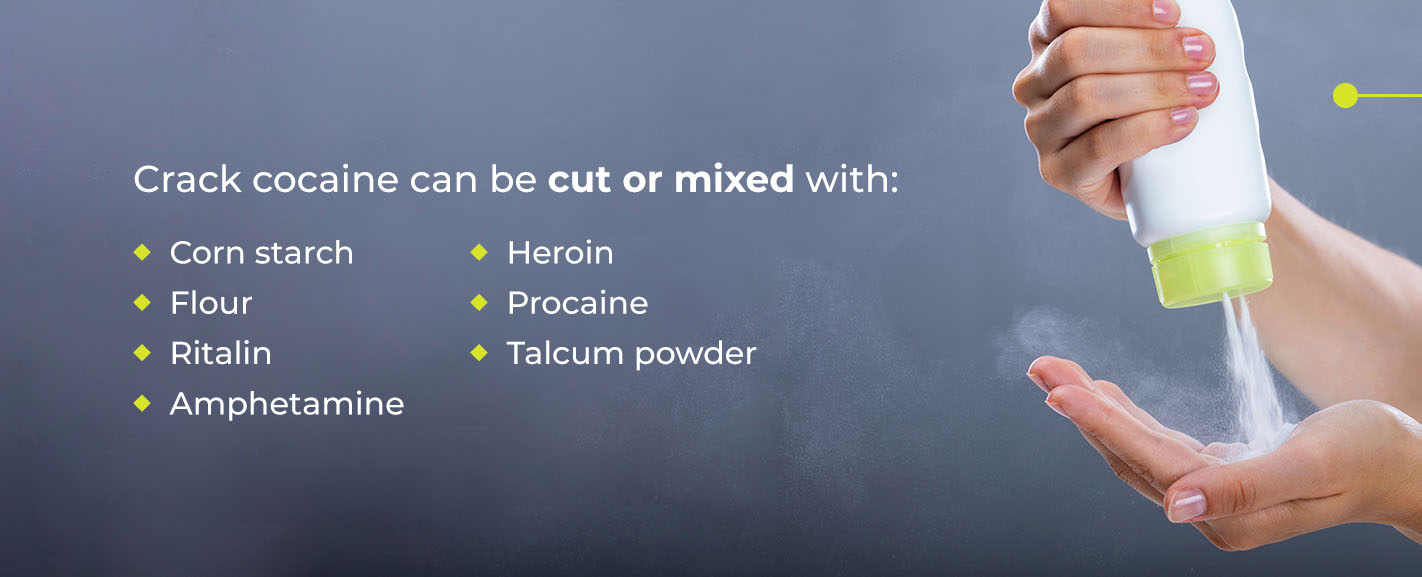
The most straightforward economic use of cutting agents is simply to add volume and weight. These “bulking agents” are typically inexpensive, inert substances that physically expand the quantity of product without necessarily altering its pharmacological effects. Examples include lactose, mannitol, inositol, sucrose, and various starches. Their primary financial benefit is their low cost relative to cocaine, allowing for substantial profit margins. A kilogram of cocaine can be stretched to two, three, or even more kilograms of mixed product using these agents, transforming a single expensive unit into multiple, lower-purity, yet highly profitable units. The slight reduction in per-gram price for the consumer is more than offset by the massive increase in total sales volume for the distributor.
Active Adulterants: Mimicking Potency for Market Perception
Beyond simple bulking, illicit enterprises employ “active adulterants” to manipulate the perceived potency of the diluted product. These substances often have stimulant effects themselves, thereby creating an illusion of strength even when the cocaine content is significantly reduced. Common examples include caffeine, lidocaine, phenacetin, and levamisole.
The economic rationale behind using active adulterants is clever:
- Maintaining Consumer Loyalty: By creating a product that still delivers a “kick,” even if not purely from cocaine, sellers can retain customers who might otherwise switch to a competitor offering a purer product. This builds a form of brand loyalty in an unregulated market.
- Price Justification: The perceived potency allows sellers to command a higher price per gram for a heavily diluted product than they could with a purely inert bulking agent. It’s a psychological pricing strategy where the “effect” justifies the cost, rather than the purity.
- Competitive Edge: In a market where purity varies wildly, a product that consistently delivers a noticeable effect, regardless of its true composition, can gain market share against competitors offering weaker, less engaging alternatives.
The inclusion of active adulterants reflects a strategic investment. While these agents may be slightly more expensive than inert fillers, their ability to maintain market perception and customer satisfaction often translates into higher long-term sales and stronger profitability.
Multi-Layered Adulteration: Sophistication for Enhanced Gains
The most sophisticated illicit operations often employ a multi-layered adulteration strategy, combining both bulking agents and active adulterants. This approach maximizes financial gain by simultaneously expanding volume and maintaining perceived potency. For example, a batch of cocaine might be initially cut with a cheap filler like mannitol, and then a smaller proportion of an active stimulant like caffeine or procaine might be added to give the final product an immediate “kick.”
This layered strategy allows for even greater profit accumulation. It leverages the cost-effectiveness of inert fillers while mitigating the risk of consumer dissatisfaction through the strategic use of active compounds. It’s a highly optimized financial engineering process within the illicit trade, designed to extract maximum value from every gram of initial product.
Market Impact and Consumer Perception
In the absence of regulatory bodies and quality control, illicit markets develop their own mechanisms for managing consumer perception and maintaining stability. The cutting of cocaine plays a crucial role in these dynamics, influencing not only financial returns but also the perceived “brand” reputation of distributors.
Maintaining “Brand” Reputation in a Black Market
Despite their illicit nature, drug distributors operate with a rudimentary form of “brand” management. A dealer or network known for consistently supplying a product that delivers a certain effect, even if heavily cut, can build a loyal customer base. The cutting process, therefore, becomes a tool for maintaining this illicit brand. If a particular combination of cocaine and adulterants consistently provides a desired experience (however diluted), it helps establish reliability in an otherwise chaotic market. Dealers strategically select cutting agents to ensure a repeatable customer experience, which is vital for sustained sales and long-term profitability. This mirrors legitimate business efforts to ensure product consistency to protect brand equity.
The Cost of Deception: Managing Customer Expectations
While adulteration aims to maximize profit, it also involves managing the “cost of deception.” Over-diluting or using easily detectable cutting agents can lead to financial repercussions, such as loss of customers, lower prices for future sales, or even violence. Savvy illicit entrepreneurs understand that there’s a delicate balance between maximizing volume and maintaining enough quality to keep customers coming back. The goal is to maximize profit per unit while minimizing the risk of alienating the customer base. This means constantly monitoring market feedback, adjusting adulteration ratios, and even changing cutting agents based on availability, cost, and consumer trends – a form of agile financial and product management.
The Broader Economic Implications of Illicit Supply Chains
The practice of cutting cocaine is not an isolated phenomenon but rather an integral part of a vast, complex illicit economic system. The financial strategies employed in adulteration have ripple effects across this entire ecosystem, influencing capital flows, money laundering efforts, and the broader underground economy.
Capital Flow and Laundering Challenges
The immense profits generated from cutting and distributing cocaine create enormous challenges for money laundering. The sheer volume of illicit cash generated necessitates sophisticated mechanisms to integrate it into the legitimate financial system. The extra profits derived from adulteration only exacerbate this issue, increasing the capital that needs to be “cleaned.” This drives demand for complex financial instruments, shell corporations, and international transfers, further fueling a parallel economy designed to obscure the origins of wealth. Financial institutions globally grapple with detecting and disrupting these flows, underscoring the deep connection between the micro-level profit strategy of cutting and the macro-level challenges of financial crime.
Economic Ecosystems Sustained by Illicit Trade
Beyond the immediate profits for traffickers, the illicit drug trade, bolstered by practices like cutting, sustains entire economic ecosystems. This includes not only the individuals directly involved in production and distribution but also those who provide auxiliary services: transportation, security, chemical suppliers, and money launderers. The demand for cheap cutting agents, for instance, can inadvertently create micro-economies around their sourcing and distribution, sometimes even linking into legitimate industries. This highlights how the financial engineering of drug adulteration plays a critical role in underpinning significant portions of the global black economy, demonstrating a perverse yet powerful application of basic financial principles within a clandestine context. The practice of cutting, viewed through a financial lens, reveals itself as a cornerstone of profitability and market manipulation in a multi-billion-dollar shadow industry.
aViewFromTheCave is a participant in the Amazon Services LLC Associates Program, an affiliate advertising program designed to provide a means for sites to earn advertising fees by advertising and linking to Amazon.com. Amazon, the Amazon logo, AmazonSupply, and the AmazonSupply logo are trademarks of Amazon.com, Inc. or its affiliates. As an Amazon Associate we earn affiliate commissions from qualifying purchases.