
The olive tree, with its gnarled trunk and silvery-green leaves, is far more than just a botanical marvel; it is a profound repository of human history, culture, and enduring symbolism. For brands seeking to imbue their identity with depth, resilience, and universal appeal, understanding what the olive tree represents offers a rich tapestry of archetypes and narratives. Its pervasive presence across millennia and diverse civilizations has cemented its status as a potent symbol, capable of conveying a spectrum of values that resonate deeply with audiences worldwide. Leveraging these established meanings strategically can significantly enhance a brand’s emotional connection, perceived authenticity, and distinct market positioning.

A Tapestry of Enduring Meanings: The Olive Tree’s Global Symbolism
The longevity of the olive tree, some specimens living for thousands of years, mirrors the endurance of its symbolic power. Across ancient myths, religious texts, and modern narratives, its imagery consistently evokes a core set of meanings that are universally understood and respected. For a brand, tapping into these established associations provides immediate access to a rich lexicon of values, bypassing the need to build them from scratch.
Peace and Reconciliation
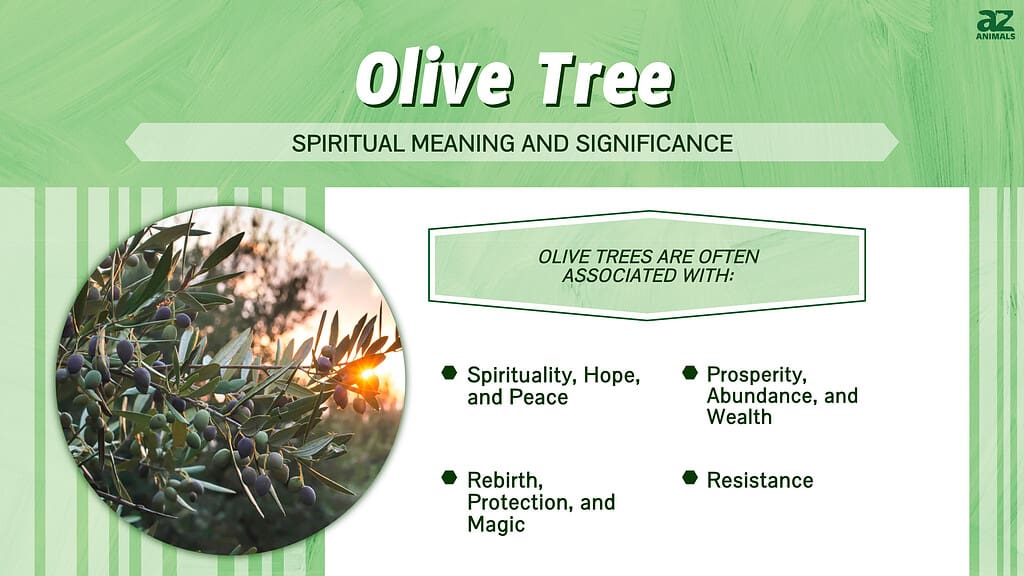
Perhaps the most widely recognized symbol of the olive tree is peace. The dove returning to Noah’s Ark with an olive branch in its beak is an iconic image of hope, new beginnings, and the end of conflict. In ancient Greece, the olive branch was offered to vanquished enemies as a sign of peace. For brands, this represents an opportunity to align with values of harmony, cooperation, and tranquility. A brand seeking to foster community, resolve customer pain points with elegant solutions, or offer a sense of calm and balance can strategically incorporate this aspect of olive tree symbolism into its messaging and corporate ethos. It speaks to a desire for unity and a gentle, non-aggressive approach to interaction, both internally and externally.
Longevity, Resilience, and Wisdom
The olive tree’s ability to thrive in harsh, rocky soil and withstand droughts speaks volumes about its resilience. Its ancient age, with some trees dating back thousands of years, makes it a living testament to longevity and endurance. This aspect is invaluable for brands aiming to project stability, timelessness, and lasting value. Companies in financial services, heritage luxury goods, or those offering durable, high-quality products can leverage this symbolism to assure customers of their reliability and enduring commitment. The wisdom associated with age and experience also comes into play, suggesting a brand that is thoughtful, well-established, and wise in its offerings, capable of guiding its customers through complex decisions with informed expertise.
Prosperity, Health, and Purity
Beyond its symbolic branches, the olive fruit itself, and the oil derived from it, signify prosperity, abundance, and health. Olive oil has been a staple food, medicine, and cosmetic for millennia, revered for its life-giving properties and purity. This connection to health and natural goodness makes the olive tree an ideal symbol for brands in the food and beverage industry, wellness, beauty, and organic product sectors. It suggests a commitment to natural ingredients, health benefits, and a lifestyle of well-being. Furthermore, the golden liquid of olive oil has historically been a sign of wealth and blessing, conveying a sense of richness and quality that can elevate a brand’s perceived value and premium status.
Heritage and Authenticity
The deep roots of the olive tree in Mediterranean cultures tie it intrinsically to themes of heritage, tradition, and authenticity. It evokes images of ancient landscapes, family legacies, and timeless craftsmanship. For brands that pride themselves on their origins, artisanal processes, or a rich historical narrative, the olive tree serves as a powerful emblem. It communicates a connection to the past, a respect for traditional methods, and a commitment to genuine, unadulterated quality. This symbolism helps to differentiate brands in a crowded market by highlighting their unique story and the authentic roots of their products or services, fostering trust and a sense of shared legacy with their audience.
Translating Ancient Symbolism into Modern Brand Identity
Understanding the intrinsic meanings of the olive tree is only the first step. The true art lies in strategically translating these ancient symbols into a cohesive and compelling modern brand identity that resonates with contemporary consumers. This involves a deliberate process of aligning brand values, narratives, and visual cues with the olive tree’s rich legacy.
Defining Core Brand Values Through Olive Tree Attributes
A brand’s core values are the bedrock of its identity. By identifying which aspects of olive tree symbolism best align with these values, a brand can articulate its mission and vision with greater clarity and emotional depth. For instance, a tech company focused on sustainable solutions might emphasize the olive tree’s resilience and longevity, positioning itself as a enduring partner for a greener future. A luxury skincare brand might draw upon its association with purity and health, promising natural efficacy and timeless beauty. This alignment ensures that every facet of the brand’s existence, from product development to customer service, reflects a consistent and deeply rooted philosophy.
Crafting a Cohesive Brand Narrative
The olive tree provides a powerful narrative framework. Brands can weave its symbolism into their origin stories, product descriptions, and marketing campaigns to create a compelling and memorable brand narrative. This narrative can speak to the brand’s journey, its commitment to overcoming challenges (resilience), its dedication to customer well-being (health), or its role in fostering community (peace). A brand selling handcrafted goods, for example, could tell a story of dedication to traditional methods, much like the generational care given to olive groves, emphasizing heritage and authenticity. A well-crafted narrative builds an emotional bridge with the audience, making the brand more relatable, trustworthy, and inspiring.
Visual and Experiential Branding: The Olive Tree Motif
The visual representation of the olive tree, from its distinctive leaves to its fruit, offers versatile design elements that can be integrated into a brand’s aesthetic. Beyond visuals, the symbolism can also inform the overall customer experience, creating a holistic brand presence.
Logo Design and Visual Language
The olive tree motif is highly adaptable for logo design and broader visual language. A minimalist rendering of an olive branch can convey elegance and simplicity, while a more intricate illustration of a tree might suggest depth and heritage. The color palette associated with olive trees—shades of green, silver, muted gold, and earthy browns—evokes nature, serenity, and richness, making them ideal choices for brands aiming for an organic, sophisticated, or tranquil aesthetic. These visual cues instantly communicate the brand’s alignment with the olive tree’s symbolic values, creating immediate recognition and emotional resonance. Consistent application across all touchpoints reinforces brand identity and memory.
Product Naming and Brand Messaging
Strategic use of olive tree terminology in product names, taglines, and marketing copy can amplify its symbolic power. Terms like “Olea” (the botanical name for olive), “Verde” (green), “Silver Leaf,” or “Eternal Grove” can evoke specific qualities and enhance the perceived value of products. Messaging can highlight aspects like “natural purity,” “ancient wisdom,” or “enduring quality,” directly linking products to the deeply ingrained positive associations of the olive tree. This linguistic alignment reinforces the brand’s story and its commitment to the values it represents, making its communication more persuasive and meaningful.
Cultivating Brand Experience
The symbolism of the olive tree can extend beyond visuals and words to shape the entire brand experience. For a physical retail space, this might mean incorporating natural materials, earthy tones, and a calming ambiance to reflect peace and nature. For digital platforms, it could translate to a user experience that is intuitive, reliable (longevity), and nurturing. Brands can also embody the olive tree’s spirit through their sustainable practices, ethical sourcing, or community engagement initiatives, demonstrating their commitment to the values of resilience, authenticity, and peace in their operations. This holistic approach ensures that the brand not only looks and sounds like it embodies olive tree values but acts like it too.
Strategic Applications: Brands That Flourish with Olive Tree Values
Various industries can particularly benefit from adopting the powerful symbolism of the olive tree, leveraging its meanings to forge stronger connections with their target audiences and carve out distinct market positions.
Food & Beverage Industry
This sector is perhaps the most direct beneficiary. Brands offering olive oil, Mediterranean cuisine, natural foods, or gourmet products can naturally align with the olive tree’s representations of health, purity, prosperity, and tradition. Positioning a product as being derived from “ancient groves” or processed with “generational wisdom” can significantly enhance its perceived quality and premium status. The imagery also lends itself well to conveying freshness, naturalness, and a connection to wholesome, healthy living, which are highly valued attributes in today’s food market.
Wellness & Beauty Sectors
The olive tree’s association with health, vitality, and longevity makes it an ideal symbol for skincare, spa, and wellness brands. Products featuring olive oil, olive leaf extract, or simply drawing inspiration from its enduring nature can communicate benefits like natural anti-aging, restorative properties, and holistic well-being. A brand focusing on organic or natural beauty can emphasize the tree’s purity and connection to the earth, appealing to consumers seeking gentle yet effective solutions that align with their values of sustainability and natural living.
Sustainable & Ethical Brands
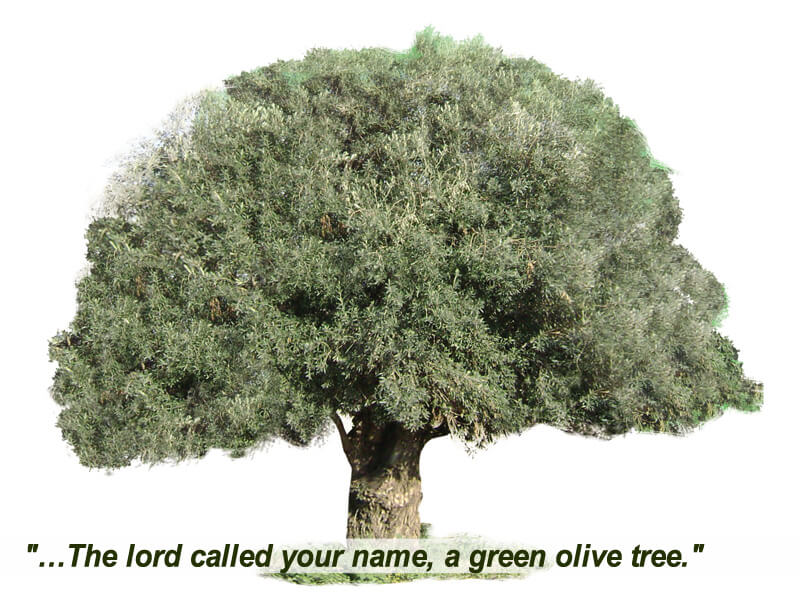
For companies whose core mission revolves around environmental responsibility, ethical sourcing, and long-term impact, the olive tree is a powerful metaphor. Its resilience, deep roots, and ability to thrive for centuries speak directly to the goals of sustainability and enduring positive change. Brands committed to eco-friendly practices, circular economy principles, or fair trade initiatives can leverage the olive tree to symbolize their commitment to nurturing the planet, building resilient systems, and cultivating a more peaceful and prosperous future for all. This alignment creates a compelling narrative of responsibility and hope, resonating strongly with conscious consumers.
aViewFromTheCave is a participant in the Amazon Services LLC Associates Program, an affiliate advertising program designed to provide a means for sites to earn advertising fees by advertising and linking to Amazon.com. Amazon, the Amazon logo, AmazonSupply, and the AmazonSupply logo are trademarks of Amazon.com, Inc. or its affiliates. As an Amazon Associate we earn affiliate commissions from qualifying purchases.