
In the highly competitive world of fashion and advertising, modeling agencies serve as crucial gatekeepers and brand developers, connecting aspiring talent with commercial opportunities. For individuals looking to break into this industry, understanding what these agencies seek goes far beyond superficial appearances. It’s about recognizing how a model embodies a unique, marketable personal brand that aligns with an agency’s strategic vision and client demands. Agencies are not merely scouting for attractive faces; they are looking for comprehensive brand packages capable of delivering value in a dynamic market.
Beyond Aesthetics: The Foundational Elements of a Model’s Brand
While a striking appearance is undoubtedly a prerequisite, it is merely one component of a much larger brand identity that agencies evaluate. The true value lies in how a model’s physical attributes combine with their intrinsic qualities to form a compelling narrative.

The ‘Look’ as a Brand Asset: Diverse Aesthetics and Market Demand
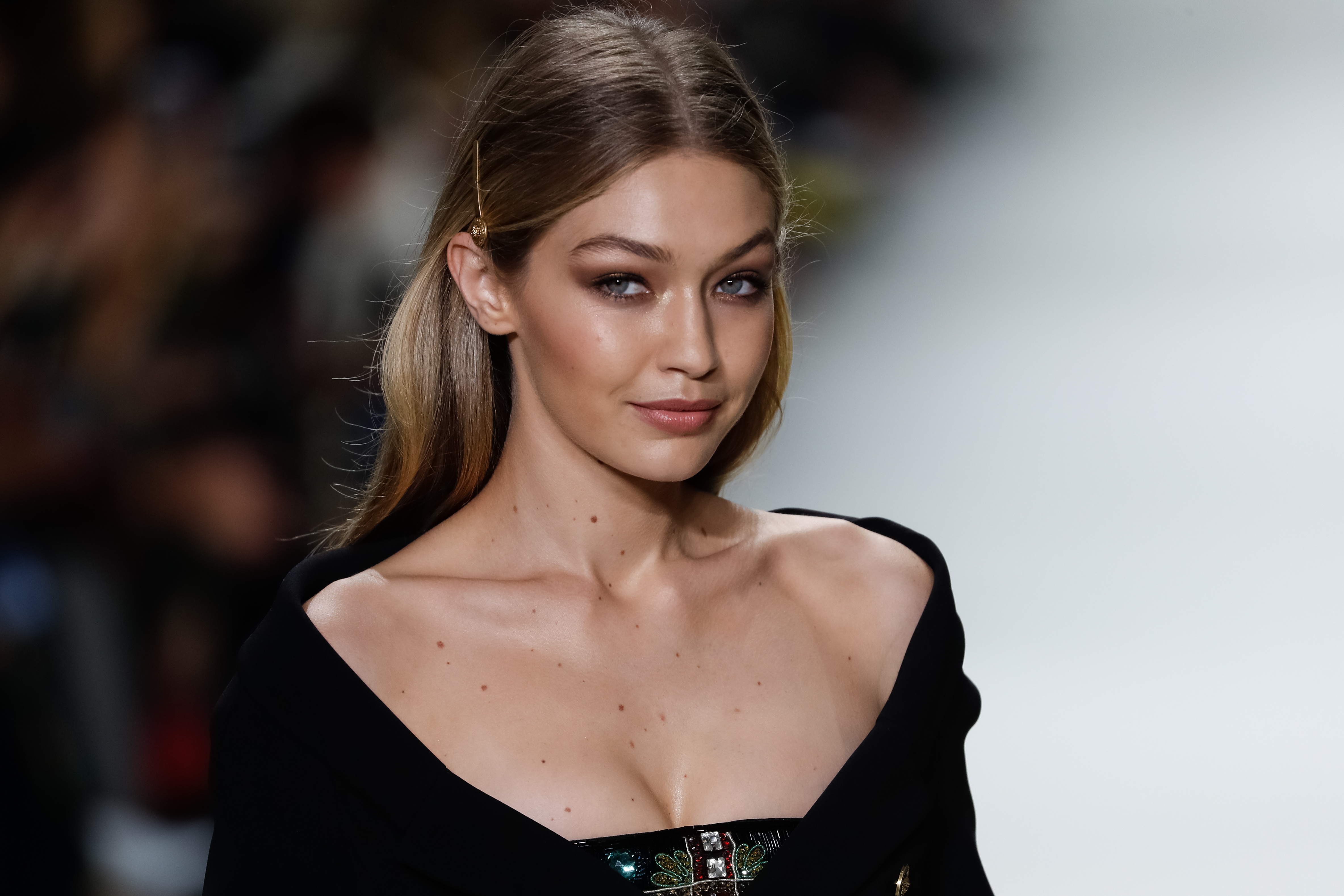
The foundational “look” is indeed critical, but it’s not about conforming to a singular beauty standard. Modern agencies, reflective of evolving market trends and the demand for diverse representation, seek a wide spectrum of aesthetics. This includes unique facial features, expressive eyes, distinctive body types, and a compelling overall presence. The “look” is seen as a primary brand asset, capable of conveying specific messages and fitting into particular branding campaigns. For instance, a model with an edgy, avant-garde appearance might be perfectly suited for high-fashion editorial work, aligning with luxury brands seeking an elevated, artistic image. Conversely, a model with a relatable, friendly demeanor and an approachable look might be ideal for commercial campaigns, resonating with consumer brands aiming for broad market appeal. Agencies are perpetually assessing how a model’s physical brand identity can be strategically positioned to meet the varied demands of their client portfolio, ensuring that each “look” possesses a distinct market niche and appeal.
Personality and Professionalism: The Intangible Brand Values
Beyond the visual, an agency deeply assesses a model’s personality and level of professionalism. These are not merely soft skills; they are integral components of a robust personal brand that clients ultimately interact with and trust. A positive attitude, resilience, punctuality, strong communication skills, and an adaptable mindset are non-negotiable brand values. Clients frequently hire models not just for their appearance but for the seamless execution they bring to a photoshoot or campaign. A model who is easy to work with, takes direction well, and maintains a cheerful disposition under pressure reinforces their brand as reliable and cooperative. Conversely, a model who is difficult, unreliable, or displays unprofessional behavior can quickly damage not only their own personal brand but also the agency’s corporate identity and reputation. Agencies seek individuals who understand that every interaction, from casting calls to campaign shoots, is an opportunity to strengthen their personal brand and, by extension, the agency’s brand equity.
Strategic Fit: Aligning Your Personal Brand with Agency Identity
The relationship between a model and an agency is a strategic partnership. Agencies are not just looking for talent; they are seeking individuals whose personal brand can be effectively integrated into their existing roster and corporate identity.
Understanding an Agency’s Niche and Corporate Identity
Every modeling agency cultivates a distinct corporate identity and specializes in particular niches. Some agencies are renowned for high fashion, representing models who grace international runways and glossy magazine covers. Others might focus on commercial print, fitness, lifestyle, or even specialized talent for specific industries. A discerning model must research and understand an agency’s brand identity, its history, its successful campaigns, and the types of models it typically represents. Approaching an agency whose niche aligns with your personal brand increases the likelihood of a successful partnership. For example, a model aspiring for editorial work at New York Fashion Week would target agencies with a strong presence and reputation in the high-fashion sector, rather than one known primarily for catalog work. This strategic alignment ensures that the agency sees your personal brand as an asset that complements and strengthens their own market position and brand offerings to clients.
The Long-Term Brand Vision: Commitment and Adaptability

Agencies invest significant resources in developing a model’s brand. This includes crafting portfolios, providing coaching, and marketing them to clients. Consequently, they look for individuals who demonstrate a long-term commitment to the industry and possess the adaptability to evolve their personal brand as market trends shift. The industry is dynamic, with tastes and demands constantly changing. A model who is open to feedback, willing to experiment with different looks, and eager to expand their skill set (e.g., acting, social media content creation) shows an understanding of the necessity for continuous brand development. Agencies seek partners, not just temporary talent, who are prepared to embark on a journey of continuous brand cultivation, demonstrating resilience through rejections and celebrating successes as a collective effort. This commitment signals that the model is serious about building a sustainable career, making them a more valuable long-term asset to the agency’s brand portfolio.
Marketability and Commercial Appeal: The Business of Branding
Ultimately, agencies are businesses, and their success hinges on their ability to market and sell their talent to clients. Therefore, a model’s marketability and commercial appeal are paramount. This involves assessing how readily a model’s brand can be translated into revenue-generating campaigns.
Versatility and Storytelling: Expanding Your Brand’s Reach
A highly marketable model possesses versatility—the ability to embody different characters and moods, adapting their personal brand to suit a wide range of client briefs. Agencies assess how effectively a model can tell a story through their expressions, poses, and overall demeanor. Can they convey joy for a soft drink advertisement? Sophistication for a luxury jewelry brand? Relatability for a consumer product? This adaptability expands their commercial appeal, making them suitable for a broader spectrum of assignments. Each role a model takes on contributes to their personal brand’s narrative, showcasing their range and deepening their market value. Agencies often look for that elusive “it” factor—a unique blend of charisma and adaptability that allows a model’s brand to resonate authentically across diverse marketing campaigns, thereby maximizing their potential for bookings.
Digital Presence: Building and Managing Your Brand’s Online Narrative
In the contemporary landscape, a model’s digital presence is an extension of their personal brand and a critical component of their marketability. Agencies scrutinize social media profiles not just for follower counts, but for content quality, authenticity, engagement, and alignment with a professional brand image. A well-curated online presence that reflects professionalism, creativity, and a positive lifestyle can significantly enhance a model’s appeal. It demonstrates an understanding of personal branding in the digital age and an ability to connect with audiences. Conversely, an inconsistent or unprofessional online narrative can be a significant red flag, signaling a lack of brand control. Agencies leverage a model’s digital footprint as a marketing tool, often pitching social media savvy models for campaigns requiring influencer components. Therefore, actively building and meticulously managing one’s online brand narrative is indispensable for success, proving to agencies that a model understands their personal brand extends beyond the runway or photoshoot.
The Brand Partnership: What Agencies Offer and Expect
The decision to sign a model is a strategic investment by an agency. They are entering into a brand partnership, expecting a reciprocal commitment to success and brand development.
Cultivating Your Brand: Agency Development and Guidance
Once signed, an agency becomes instrumental in cultivating and refining a model’s personal brand. This involves strategic portfolio development, identifying optimal market segments, and providing invaluable guidance on everything from styling to posing. They act as brand managers, meticulously curating the model’s image to maximize their appeal to potential clients. This includes advising on which types of jobs to take to build a cohesive brand identity and which to decline if they don’t align with the model’s long-term brand trajectory. The agency’s expertise in marketing and branding is applied directly to the model, positioning them effectively within the industry and ensuring their personal brand continually evolves to meet market demands and opportunities.
Reciprocal Value: The Model as an Extension of the Agency’s Brand
For an agency, a model is not just talent; they are a vital extension of the agency’s own corporate brand. The success, professionalism, and reputation of its models directly reflect on the agency itself. Therefore, agencies seek individuals who will uphold their standards and contribute positively to their brand image. This reciprocal relationship means that while an agency invests in developing a model’s brand, the model, in turn, contributes to the agency’s overall market perception and success. Every booking, every successful campaign, and every positive client interaction strengthens both the model’s personal brand and the agency’s corporate identity, creating a powerful synergy that benefits all parties in the intricate ecosystem of the fashion and advertising industries.
aViewFromTheCave is a participant in the Amazon Services LLC Associates Program, an affiliate advertising program designed to provide a means for sites to earn advertising fees by advertising and linking to Amazon.com. Amazon, the Amazon logo, AmazonSupply, and the AmazonSupply logo are trademarks of Amazon.com, Inc. or its affiliates. As an Amazon Associate we earn affiliate commissions from qualifying purchases.