
In the vibrant, often intense environment of a club, personal presentation is paramount. Far from being a mere sartorial choice, what a man chooses to wear to a club is a powerful, non-verbal statement that significantly shapes his personal brand. It’s a strategic decision that communicates identity, aspiration, status, and intention long before a single word is exchanged. Viewing club attire through the lens of personal branding allows for a more deliberate and impactful approach, transforming clothing from a utility into a potent marketing tool for oneself.
The Club Environment as a Brand Touchpoint
A club is a dynamic social arena, a high-stakes networking event where impressions are formed rapidly and often subconsciously. For the individual, it represents a crucial brand touchpoint – an opportunity to project a desired image to a diverse audience. Every element of one’s appearance contributes to this immediate brand perception.
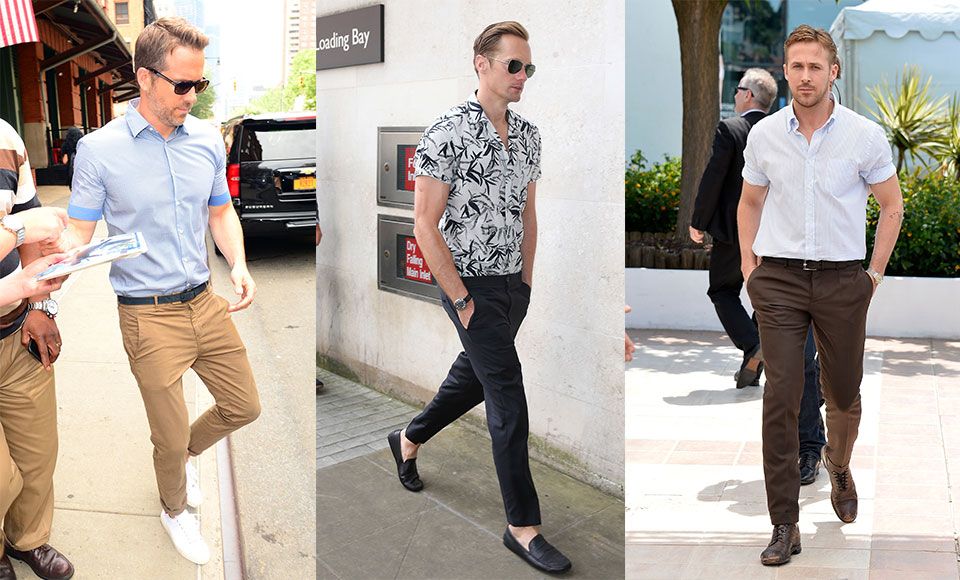
First Impressions and Brand Messaging
In branding, the first impression is often the most lasting. In a club setting, this impression is almost entirely visual. The clothing a man wears acts as the primary billboard for his personal brand. Is he aiming to project confidence, sophistication, artistic flair, approachability, or edgy rebellion? Each choice, from the cut of a jacket to the shade of a shirt, sends a distinct message. A well-curated outfit immediately establishes a brand narrative, guiding how others perceive and potentially interact with him. Conversely, an ill-considered ensemble can lead to brand confusion or, worse, a negative brand association that requires significant effort to overcome. This immediate messaging is critical for cutting through the noise and establishing a memorable presence.
Audience Alignment and Brand Resonance
Effective branding always considers the target audience. Similarly, a man strategizing his club attire must consider the club’s specific vibe and demographic. Is it a high-end lounge, a trendy dance club, a niche music venue, or a casual pub? Each venue attracts a different audience and has an unspoken dress code that reflects its brand identity. Aligning one’s personal brand with the club’s existing brand and its patrons’ expectations creates resonance. This doesn’t mean conformity, but rather intelligent adaptation. A man who consistently appears mismatched with his environment risks appearing out of touch or unobservant, undermining the credibility of his personal brand. Understanding the “culture” of the club and dressing in a way that shows respect for it, while still expressing individuality, strengthens one’s perceived social intelligence and adaptability – key attributes for a strong personal brand.
Strategic Wardrobe Choices: Crafting Your Brand Aesthetic
Every item of clothing, every color, and every fabric choice contributes to the overall brand aesthetic. Strategic wardrobe planning for a club outing goes beyond mere fashion and delves into the psychology of perception and communication.
Decoding Dress Codes: Formal, Casual, or Avant-Garde?
Clubs, whether explicitly or implicitly, often have dress codes that dictate the baseline for acceptable attire. For instance, a “smart casual” code might imply chinos, a collared shirt, and clean shoes, projecting a polished yet relaxed brand. A “business casual” or “cocktail” expectation in an upscale venue calls for tailored trousers, a blazer, and possibly a dress shirt, communicating a brand of sophistication and discernment. Even in clubs with no explicit dress code, the prevailing style amongst the patrons sets an unspoken standard. Disregarding these nuances can inadvertently convey a brand of indifference or lack of social awareness. Conversely, understanding and subtly elevating within the expected framework allows a man to differentiate his personal brand positively without appearing out of place. It demonstrates an understanding of the environment and a deliberate choice in self-presentation.
Color Psychology and Brand Perception
Colors are potent tools in personal branding. In a club setting, where lighting can be dim and interactions brief, color choices carry significant weight. Darker tones like black, charcoal, and navy often convey sophistication, authority, and elegance – aligning with a premium personal brand. Whites and lighter neutrals can project cleanliness, modernity, and approachability. Bold colors, like deep reds or rich blues, can signal confidence, energy, and a willingness to stand out, indicative of a more daring personal brand. The psychological impact of color should not be underestimated; it influences mood, attention, and immediate perception, all crucial elements in crafting how one’s brand is received.
Fabric and Fit: Communicating Quality and Intent
The tactile and visual qualities of fabric, alongside the precision of fit, are fundamental to conveying a high-quality personal brand. A well-fitted garment, regardless of its cost, immediately communicates attention to detail and a sense of self-respect. Fabric choices like premium cotton, fine wool blends, or even luxurious synthetics can elevate an outfit, signaling a discerning taste and an appreciation for quality. Conversely, poor fit – baggy or excessively tight – or cheap, poorly draped fabrics can undermine an otherwise well-intentioned outfit, sending unintended brand messages of sloppiness or a lack of investment in self. The interplay of fabric and fit directly reflects upon the individual’s perceived standards and personal brand commitment.

Accessories and Details: Enhancing the Brand Narrative
Just as a corporate brand uses logos, slogans, and packaging to enhance its message, a man uses accessories and grooming to refine his personal brand narrative in a club setting. These small details can have disproportionately large impacts on overall perception.
Statement Pieces and Brand Differentiation
Accessories are opportunities for brand differentiation. A unique watch, a distinctive ring, a stylish belt, or even an interesting pocket square can serve as a subtle “logo” for one’s personal brand. These statement pieces can hint at hobbies, interests, or an individual’s unique aesthetic, inviting conversation and providing talking points that reinforce the desired brand image. The key is strategic selection: too many accessories can create clutter and dilute the brand message, while a single, well-chosen item can amplify it. These elements communicate individuality and careful curation, essential for standing out in a crowded social landscape.
Grooming as an Extension of Brand Identity
Grooming is an often-overlooked yet critical component of personal branding. A meticulously styled haircut, a well-maintained beard, clean hands, and a subtle, appealing fragrance all contribute significantly to a polished and thoughtful brand image. Poor grooming, such as unkempt hair, neglected facial hair, or an overpowering cologne, can detract from even the most perfectly chosen outfit. Grooming communicates self-care, discipline, and attention to detail – qualities universally valued in any personal brand. It’s the foundational layer upon which all other stylistic choices rest, affirming a man’s commitment to presenting his best self.
Consistency and Adaptability: Maintaining Brand Integrity
A strong brand is not built on a single appearance but on consistent messaging that is adaptable enough to remain relevant across various contexts. This principle holds true for personal branding in club environments.
Authenticity in Personal Branding
While strategic dressing is crucial, authenticity is the bedrock of a compelling personal brand. Trying to emulate a style that doesn’t genuinely resonate with one’s personality will often come across as forced or inauthentic. A man’s club attire should be an extension of his true self, refined and elevated for the specific environment, but never a complete departure from who he is. Authenticity builds trust and makes a brand more relatable and memorable. It ensures that the visual brand communicates who he actually is, rather than just who he wants to be perceived as, preventing a disconnect once conversation begins.
Evolving Your Brand While Staying True to Self
Personal brands, like corporate brands, are not static. They evolve over time, reflecting personal growth, changing trends, and new aspirations. A man’s club wardrobe should also evolve, adapting to current styles and his developing sense of self, while retaining core elements that are true to his identity. This means regularly assessing one’s wardrobe, understanding current fashion discourse, and making informed choices that update and refine the personal brand without betraying its fundamental integrity. This adaptability signals confidence, awareness, and a forward-thinking mindset.
The ROI of Personal Style in Social Settings
Investing time and thought into one’s club attire isn’t just about vanity; it’s a strategic investment in one’s social capital and overall personal brand equity.
Networking and Social Capital
In clubs, opportunities for social networking, whether for personal or professional gain, are abundant. A strong personal brand, communicated effectively through attire, can act as a magnet, drawing in desirable connections. When a man’s presentation aligns with confidence, sophistication, and approachability, he is more likely to be perceived as someone worth engaging with. This improved social access directly translates into an increase in social capital, opening doors to new relationships and experiences that can be invaluable.

Confidence as a Brand Attribute
Ultimately, how a man dresses can profoundly impact his confidence. When he feels well-dressed and aligned with his personal brand, he projects an aura of self-assurance. This internal feeling becomes an external brand attribute, influencing posture, eye contact, and conversational ease. Confidence is a universally attractive quality and a cornerstone of any powerful personal brand. By strategically curating his club wardrobe, a man not only broadcasts a desired image but also reinforces his internal sense of worth, creating a virtuous cycle where appearance and self-perception continually uplift each other.
aViewFromTheCave is a participant in the Amazon Services LLC Associates Program, an affiliate advertising program designed to provide a means for sites to earn advertising fees by advertising and linking to Amazon.com. Amazon, the Amazon logo, AmazonSupply, and the AmazonSupply logo are trademarks of Amazon.com, Inc. or its affiliates. As an Amazon Associate we earn affiliate commissions from qualifying purchases.