
In the intricate world of apparel, few items are as personal and impactful as the bra. For brands operating in this segment, understanding and communicating bra sizing is not merely a technicality; it is a fundamental pillar of brand strategy, product design, and consumer trust. The alphanumeric code—a number followed by a letter—that defines a bra size is a language brands use to guide consumers towards comfort, support, and confidence. Decoding this language, particularly the often-misunderstood letters, is crucial for both the consumer seeking the perfect fit and the brand striving for market leadership and customer loyalty.

The Foundation of Fit: Understanding Bra Sizing as a Brand Imperative
For any lingerie brand, the efficacy of its sizing system directly correlates with its market success. A well-understood and consistently applied sizing guide is an asset that reduces returns, enhances customer satisfaction, and builds enduring brand affinity. The two primary components of a bra size—the number and the letter—represent distinct but interconnected measurements critical to achieving an optimal fit.
Decoding the Band Size: The Numerical Element
The number in a bra size, typically ranging from 28 to 50 and beyond, refers to the band size. This measurement corresponds to the circumference of the rib cage directly under the bust. While seemingly straightforward, a brand’s approach to band sizing is a nuanced design decision. The band is responsible for approximately 80% of a bra’s support, making its fit paramount.
From a brand perspective, precision in band sizing is a critical engineering challenge. Manufacturers must consider not only raw measurements but also material stretch, elastic recovery, and the intended support level of the garment. A brand might choose to size its bands slightly tighter to account for fabric stretch over time, or slightly looser for comfort in a loungewear bra. This strategic decision-making in manufacturing impacts the end-user experience significantly. Inconsistent band sizing across product lines or between different brands can lead to consumer frustration and a perception of unreliability, directly damaging brand equity. Therefore, maintaining a consistent and accurately calibrated band sizing chart is a non-negotiable aspect of product integrity and consumer communication for any reputable lingerie brand.
Unpacking the Cup Size: The Alphabetical Story
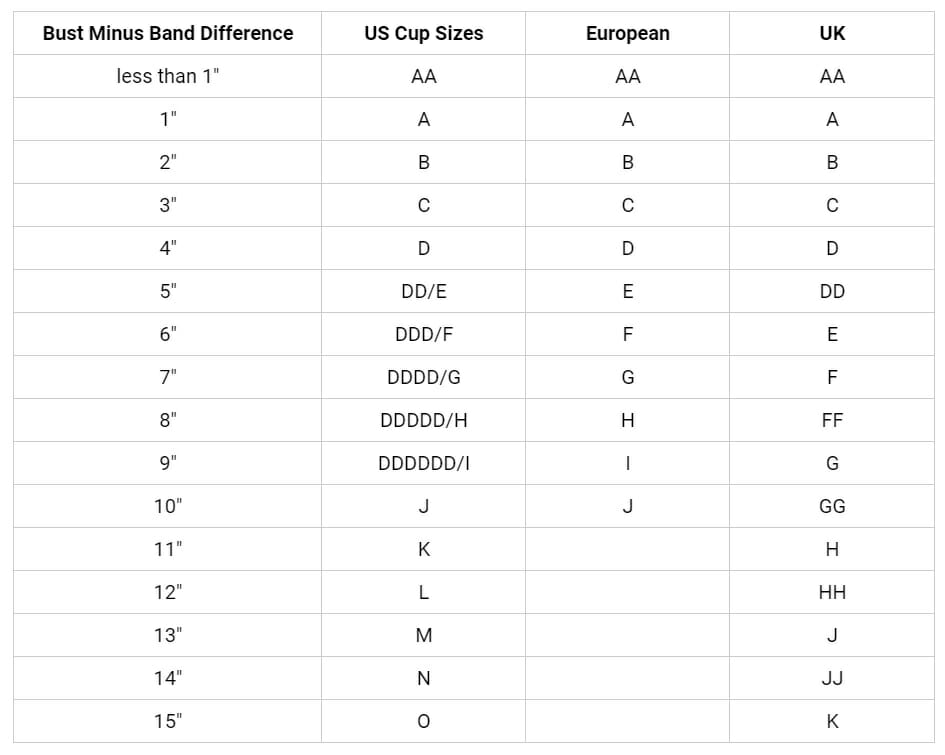
The letter, often the source of most consumer confusion, denotes the cup size. This letter (e.g., A, B, C, D, DD/E, F, G, H, etc.) represents the difference between the full bust measurement (around the fullest part of the chest) and the underbust measurement (the band size). Each letter corresponds to a specific inch differential:
- A cup: 1-inch difference
- B cup: 2-inch difference
- C cup: 3-inch difference
- D cup: 4-inch difference
- DD/E cup: 5-inch difference
- And so on, increasing by one inch per letter.
For brands, the alphabetical progression of cup sizes is a system for categorizing and communicating volume. However, this system is not without its complexities. A common misconception is that a C cup is always the same volume, regardless of the band size. This is incorrect. Cup volume is relative to the band size; a 32D cup, for instance, has a smaller volume than a 36D cup. This concept of “sister sizes” (e.g., a 34C, 32D, and 36B can all have similar cup volumes) is a crucial, yet often overlooked, aspect that brands must clarify for their consumers.
Brands use the cup letter system to grade their patterns, ensuring that the breast tissue is adequately contained and supported across a wide range of body shapes. The design challenge lies in translating these volumetric differences into comfortable, aesthetically pleasing, and supportive cups that accommodate varying breast projections, widths, and tissue densities. A brand that masterfully designs for these nuances across its alphabetical range not only provides superior products but also distinguishes itself in a competitive market.
The Interplay: How Band and Cup Define the Fit
The true meaning of bra sizing emerges from the interaction between the band and cup. One cannot be correctly determined without the other. A band that is too loose will ride up the back, failing to provide adequate support, regardless of the cup size. Conversely, a cup that is too small will cause spillage, while one that is too large will gape, indicating a poor fit.
From a brand’s perspective, this interdependence necessitates a holistic approach to design and sizing education. Each bra model must be meticulously graded across its full size range to maintain its intended shape, support, and aesthetic. This involves iterative prototyping, fit testing on diverse body types, and careful material selection. Brands that invest in this rigorous process demonstrate a commitment to product excellence and consumer well-being. Furthermore, empowering consumers to understand this critical interplay through comprehensive fitting guides and educational content transforms the often-daunting bra shopping experience into an informed and successful one, solidifying brand trust and loyalty.
Brand Communication and Consumer Empowerment Through Sizing Clarity
In the intimate apparel industry, where fit is paramount, a brand’s ability to clearly communicate its sizing strategy is a direct reflection of its commitment to the customer. Sizing clarity is not just about convenience; it’s about building trust, reducing friction, and ultimately fostering a loyal customer base.
Building Trust: The Role of Consistent Sizing
Consistency in sizing is a cornerstone of brand reliability. Consumers expect that a size 34C from a specific brand will fit them similarly across different styles within that brand’s collection. While slight variations may occur due to design differences (e.g., plunge vs. full coverage), radical discrepancies undermine consumer confidence. Brands that maintain rigorous quality control and standardized grading processes across their product lines cultivate a reputation for dependability. This consistency translates into reduced uncertainty for the consumer, making repeat purchases more likely and reinforcing positive brand associations. In an era of online shopping, where physical try-ons are not always possible, consistent sizing becomes an even more critical component of the brand’s digital presence and e-commerce strategy.
Navigating the Nuances: Sister Sizes and Brand Variations
The concept of “sister sizes” is a powerful tool for brands to help consumers find an optimal fit, even if their initial measured size isn’t available or comfortable. For example, a person who measures as a 34C might find a 32D or a 36B to offer a similar cup volume, albeit with a different band feel. Brands that effectively explain sister sizing empower customers with more options and a deeper understanding of fit dynamics. This requires clear, accessible educational content on their websites, in their retail stores, and through customer service channels.
Furthermore, brands must acknowledge and address the reality of variations in sizing across the industry. There is no universal standard for bra sizing, meaning a 34C from one brand might fit differently than a 34C from another. While this can be a source of frustration for consumers, brands can mitigate its negative impact by providing detailed sizing charts that include specific measurement instructions, fit tips, and even comparison guides if they cater to diverse markets with differing sizing conventions. Transparently addressing these variations positions a brand as an honest and helpful authority, rather than leaving consumers to navigate a confusing landscape alone.
Educating the Consumer: A Marketing Opportunity
For lingerie brands, sizing education is far more than a customer service function; it is a potent marketing opportunity. Brands that proactively educate their audience on how to measure themselves, understand cup volume relativity, and identify common fitting issues position themselves as experts and trusted advisors. This educational content can take various forms:
- Comprehensive Sizing Guides: Detailed charts, video tutorials, and interactive tools on product pages.
- Fit Finders/Quizzes: Online tools that recommend sizes based on user input.
- Blog Posts and Articles: Addressing common sizing myths, explaining different bra styles, and offering styling advice.
- In-store Fitting Services: Professional fitters providing personalized guidance.
- Social Media Campaigns: Engaging visual content demonstrating correct fit and sizing principles.
By investing in these educational initiatives, brands not only enhance the customer experience but also differentiate themselves from competitors. They build a community around shared knowledge, fostering loyalty and positive word-of-mouth. This approach transforms a transactional purchase into an informed decision, leading to higher customer satisfaction and a stronger brand reputation.
Product Design and Development: Crafting the Perfect Fit
The letters and numbers of bra sizes are more than just labels; they are the blueprint for product design and development in the intimate apparel sector. Brands that excel in this area demonstrate a profound understanding of ergonomics, material science, and inclusive design principles.
Engineering for Comfort and Support
Designing a bra involves intricate engineering to translate sizing specifications into a tangible product that offers comfort, support, and durability. The cup letter, representing volume, dictates the shape and depth of the molded cups or the pattern pieces for cut-and-sew styles. Designers must consider:
- Fabric Selection: The stretch, recovery, and breathability of materials greatly influence fit and comfort across different cup sizes. A rigid fabric might work for smaller cups but require significant adjustments or different construction for larger volumes.
- Wire Gauge and Shape: Underwires are crucial for support, especially in larger cup sizes. Brands must use appropriate wire gauges and shapes that contour to the body without digging or poking, which varies significantly by cup and band size.
- Strap Design: As cup and band sizes increase, so does the weight of the breasts, requiring wider, more padded, or strategically placed straps to distribute pressure evenly and prevent shoulder discomfort.
- Adjustability: Features like multi-hook closures and adjustable straps allow for fine-tuning of the fit, accommodating slight variations in body shape or minor fluctuations in measurements.
A brand’s commitment to these design details across its entire size range speaks volumes about its dedication to product quality and consumer well-being. It’s an investment in the user experience that pays dividends in customer satisfaction and brand credibility.
Inclusivity in Sizing: Expanding the Brand Reach
Historically, the bra industry has been criticized for its limited sizing ranges, particularly for smaller bands with larger cups, or larger bands with smaller cups. Progressive brands are now embracing inclusivity as a core design principle, recognizing that a broader size offering translates into a larger market reach and a more diverse customer base.
Expanding the size range means extending the “alphabet” of cup sizes and the numerical band scale, but it’s not merely about adding more letters and numbers. It requires rethinking design and engineering from the ground up to ensure that a 40G offers the same level of support, comfort, and aesthetic appeal as a 32C. This involves:
- Redesigning Grading Rules: Traditional grading often scales designs uniformly, which doesn’t work for diverse body shapes. Inclusive brands adapt their grading to account for varying proportions as sizes increase.
- Specialized Components: Larger sizes often require stronger fabrics, wider bands, reinforced side panels, and more robust underwires and closures.
- Fit Models of Diverse Sizes: Ensuring products are tested on a range of body types beyond the “standard” sample size.
- Addressing Unique Needs: Considering the specific support requirements for different breast shapes, breast density, and body contours across the entire size spectrum.
Brands that prioritize inclusive sizing demonstrate social responsibility and a deep understanding of their diverse consumer base. This commitment not only expands their market but also builds a reputation as a compassionate and forward-thinking brand, fostering intense loyalty among previously underserved demographics.
The Impact on Brand Loyalty and Customer Experience
Ultimately, how a brand handles the letters and numbers of bra sizing directly influences its relationship with its customers. A successful sizing strategy is a powerful engine for building loyalty, enhancing the customer experience, and driving sustainable business growth.
Reducing Returns and Enhancing Satisfaction
One of the most tangible benefits of a clear and accurate sizing strategy is a significant reduction in product returns. Poor fit is a primary reason for bra returns, which are costly for brands in terms of logistics, reprocessing, and potential loss of sale. By helping customers find the right size the first time—through accurate product design, comprehensive sizing guides, and effective educational content—brands can dramatically improve customer satisfaction. A customer who receives a product that fits perfectly is a happy customer, less likely to return the item and more likely to become a repeat buyer. This operational efficiency and enhanced customer experience directly contribute to the brand’s profitability and reputation.
Cultivating a Positive Brand Image
A brand that consistently delivers well-fitting bras cultivates a powerful positive image. It becomes known for quality, reliability, and an understanding of its customers’ needs. In an industry where personal comfort and confidence are paramount, being perceived as a brand that “gets it right” is invaluable. This positive image extends beyond the functional aspects; it can evoke feelings of trust, empowerment, and self-care. Customers associate the comfort and confidence derived from a perfectly fitting bra with the brand itself, leading to stronger emotional connections and a deeper sense of loyalty. This intangible asset is often more powerful than any marketing campaign.

The Future of Bra Sizing: Innovation and Personalization
The future of bra sizing for brands lies in continued innovation and personalization. Technologies such as 3D body scanning, AI-driven fitting algorithms, and virtual try-on tools are emerging to make the sizing process even more precise and convenient. Brands that embrace these advancements will be at the forefront of the industry, offering highly personalized experiences that further differentiate them. Imagine a future where a customer’s unique body data directly informs a custom-fit recommendation, potentially even leading to made-to-order garments tailored to individual proportions, transcending the traditional A-Z cup letters.
For brands, the “letters” in bra sizes represent more than just measurements; they are symbols of consumer empowerment, design excellence, and a commitment to genuine connection. Mastering this complex language is not just about selling bras; it’s about building a brand that truly supports, uplifts, and resonates with its customers.
aViewFromTheCave is a participant in the Amazon Services LLC Associates Program, an affiliate advertising program designed to provide a means for sites to earn advertising fees by advertising and linking to Amazon.com. Amazon, the Amazon logo, AmazonSupply, and the AmazonSupply logo are trademarks of Amazon.com, Inc. or its affiliates. As an Amazon Associate we earn affiliate commissions from qualifying purchases.