
The question, “What do Indians smoke in a peace pipe?” often arises from curiosity, but it also underscores a broader, critical issue in branding and cultural representation: the appropriation and misinterpretation of sacred indigenous symbols. Far from being a mere substance, the contents of a ceremonial pipe – known as a Cannunpa to many Indigenous nations – are part of a profound spiritual practice, carrying centuries of meaning. When such potent cultural artifacts enter the public consciousness, particularly through marketing and brand identity, their essence is frequently diluted, distorted, or exploited. Understanding this dynamic is crucial for brands seeking authenticity, ethical engagement, and genuine connection in an increasingly globally aware market.
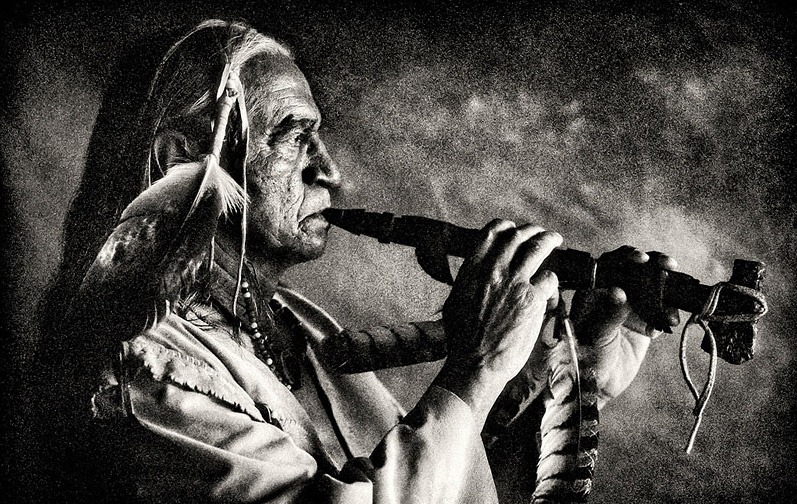
The Sacred Symbol vs. Commercialized Imagery
To truly grasp the implications for branding, it’s essential to first acknowledge the deep spiritual significance of the pipe itself. For numerous Indigenous peoples across North America, the pipe is not merely a tool for smoking, but a sacred covenant, a living entity used in prayer, ceremony, and the making of treaties. The “smoke” is often a mixture of various natural herbs like tobacco, kinnikinnick (a blend of bearberry leaf, red willow bark, and other plants), sage, and sweetgrass – not for recreational use, but as an offering, carrying prayers to the Creator. Each component, each gesture, is imbued with meaning, symbolizing connection to the land, ancestors, and community.
In stark contrast, popular culture and commercial branding have frequently stripped these symbols of their spiritual gravitas. The “peace pipe” has become a pervasive, often stereotypical, image: a prop in Western films, a motif on novelty items, or a casual reference to conflict resolution. This commodification transforms a sacred object into a generic design element, severing its ties to specific Indigenous nations, their complex histories, and their vibrant living traditions. This fundamental disconnect between the profound original meaning and the superficial commercial application creates fertile ground for misunderstanding, disrespect, and cultural harm. For brands, utilizing such imagery without deep understanding and respect risks alienating vast segments of the audience and undermining their credibility.
The Ethics of Cultural Appropriation in Brand Identity
Cultural appropriation occurs when elements of a minority culture are adopted by members of the dominant culture without understanding, acknowledgment, or respect for the original context and meaning. In the realm of branding, this manifests in various forms, from the casual use of Indigenous motifs and names to the wholesale adoption of ceremonial practices for marketing purposes. The “peace pipe” is a prime example of a cultural element frequently appropriated. Brands might incorporate stylized feathers, teepees, or generic “Native American” imagery, including pipe symbols, into logos, product packaging, or advertising campaigns.
This practice is deeply problematic for several reasons. Firstly, it often perpetuates harmful stereotypes, reducing diverse Indigenous cultures to a monolithic, romanticized, or even primitive image. Brands, in their quest for “authenticity” or exoticism, inadvertently reinforce narratives that erase contemporary Indigenous identity and experiences. Secondly, it often happens without the consent or benefit of the originating communities. The profit generated from these appropriated symbols rarely flows back to the people whose heritage is being exploited, creating an economic disparity on top of cultural disrespect. Lastly, and perhaps most profoundly, it trivializes sacred practices and items. When a pipe that is central to prayer and spiritual communion becomes a mere graphic element on a t-shirt or a metaphor in a corporate slogan, its inherent power and meaning are diminished, causing real pain and offense to those for whom it holds deep reverence. Ethical brand strategy demands a rigorous examination of where inspiration comes from and whether that inspiration is taken or genuinely shared.
The Detrimental Impact on Brand Reputation

In today’s interconnected world, consumers are increasingly discerning about the social responsibility of brands. Incidents of cultural appropriation can quickly escalate into public relations crises, leading to boycotts, negative social media campaigns, and significant damage to a brand’s reputation. Beyond the immediate financial impact, such missteps can erode trust, making it challenging for a brand to recover its standing as an ethical and inclusive entity. Brands that ignore these concerns risk being perceived as insensitive, exploitative, and out of touch with modern values. Conversely, brands that demonstrate genuine cultural awareness and respect can build stronger connections with diverse audiences, fostering loyalty and positive sentiment.
Crafting Authentic Brand Narratives: Beyond Stereotypes
For brands navigating the complex terrain of cultural representation, the path to authenticity lies not in avoiding cultural engagement altogether, but in approaching it with humility, respect, and a commitment to genuine partnership. This means moving beyond superficial adoption of symbols and instead investing in a deeper understanding of cultural contexts.
Principles for Respectful Cultural Engagement in Branding:
- Educate and Understand: Before considering any cultural elements, brand teams must undertake thorough research to understand the historical context, spiritual significance, and contemporary relevance of the symbols or practices in question. This goes beyond a quick internet search and involves engaging with academic resources, documentaries, and, most importantly, Indigenous voices.
- Seek Consent and Collaboration: The most ethical approach involves direct engagement with the Indigenous communities whose culture is being referenced. This means seeking permission, establishing transparent agreements, and fostering collaborative relationships. True collaboration involves Indigenous individuals and communities as active participants in the creative and decision-making processes, ensuring their perspectives are central.
- Ensure Fair Compensation and Benefit Sharing: If cultural elements are used, mechanisms must be in place to ensure that the originating communities receive fair compensation and benefit from their use. This could involve licensing agreements, royalties, or direct contributions to community initiatives. This addresses the economic disparities often exacerbated by appropriation.
- Challenge Stereotypes, Promote Nuance: Brands have a powerful platform to educate and inform. Instead of relying on simplistic or romanticized images, brands can use their influence to challenge existing stereotypes and present Indigenous cultures in their rich diversity and contemporary reality. This means showcasing Indigenous innovation, artistry, and leadership, not just historical representations.
- Prioritize Indigenous Voices: The most authentic narratives are those told by the people themselves. Brands can facilitate this by partnering with Indigenous artists, designers, storytellers, and entrepreneurs, allowing their voices and visions to lead the narrative. This fosters self-determination and promotes genuine representation.
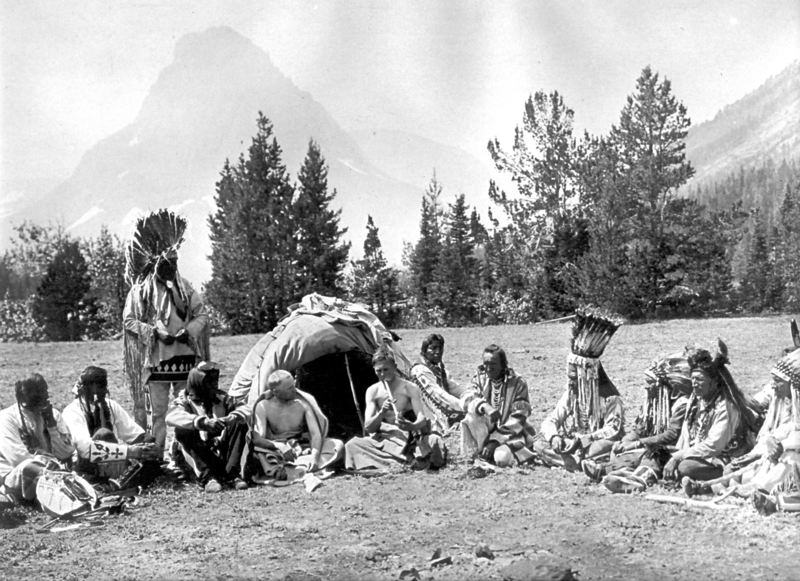
The Power of Indigenous Voice in Brand Storytelling
The shift from appropriation to authentic collaboration offers immense opportunities for brands to enrich their storytelling, deepen consumer engagement, and build a truly inclusive identity. When Indigenous communities are empowered to share their narratives on their own terms, it results in powerful, resonant brand content that speaks to universal themes of heritage, resilience, and connection.
Consider Indigenous-owned brands that successfully weave their cultural identity into their products and services. These brands exemplify authenticity not by borrowing, but by being. They share their stories, art, and traditions directly, offering consumers a genuine connection to their heritage. Brands can learn from this by:
- Highlighting Indigenous Craftsmanship: Partnering with Indigenous artisans to create unique, culturally significant products, ensuring fair trade practices and attributing credit appropriately.
- Supporting Indigenous Entrepreneurship: Investing in and promoting businesses owned and operated by Indigenous individuals, contributing to economic empowerment within communities.
- Funding Cultural Preservation: Sponsoring initiatives that support Indigenous language revitalization, traditional arts, and cultural education, demonstrating a commitment beyond mere commercial interest.
- Sharing Educational Content: Using brand platforms to share accurate information about Indigenous history, cultures, and contemporary issues, becoming a source of education rather than misrepresentation.
Ultimately, the question “what do Indians smoke in a peace pipe” serves as a profound reminder for brand strategists. It is not just about the literal answer, but about the layers of meaning, spirituality, and identity contained within a cultural symbol. Ethical brand building in the 21st century demands moving beyond simplistic imagery and embracing a thoughtful, respectful, and collaborative approach to cultural engagement. By doing so, brands can foster genuine respect, build trust, and contribute positively to a more inclusive global narrative.
aViewFromTheCave is a participant in the Amazon Services LLC Associates Program, an affiliate advertising program designed to provide a means for sites to earn advertising fees by advertising and linking to Amazon.com. Amazon, the Amazon logo, AmazonSupply, and the AmazonSupply logo are trademarks of Amazon.com, Inc. or its affiliates. As an Amazon Associate we earn affiliate commissions from qualifying purchases.