
In the span of little more than a decade, Bitcoin has transitioned from an obscure cryptographic experiment into a mainstream financial asset. Often referred to as “digital gold,” Bitcoin has captured the attention of institutional investors, hedge fund managers, and retail savers alike. For the modern individual looking to diversify their portfolio, understanding how to acquire Bitcoin is no longer just a technical skill—it is a fundamental aspect of contemporary personal finance.
This guide provides a professional and comprehensive roadmap for those ready to enter the world of cryptocurrency. By focusing on the financial mechanics, risk management, and strategic acquisition of the asset, we will explore how you can safely and effectively integrate Bitcoin into your broader financial plan.
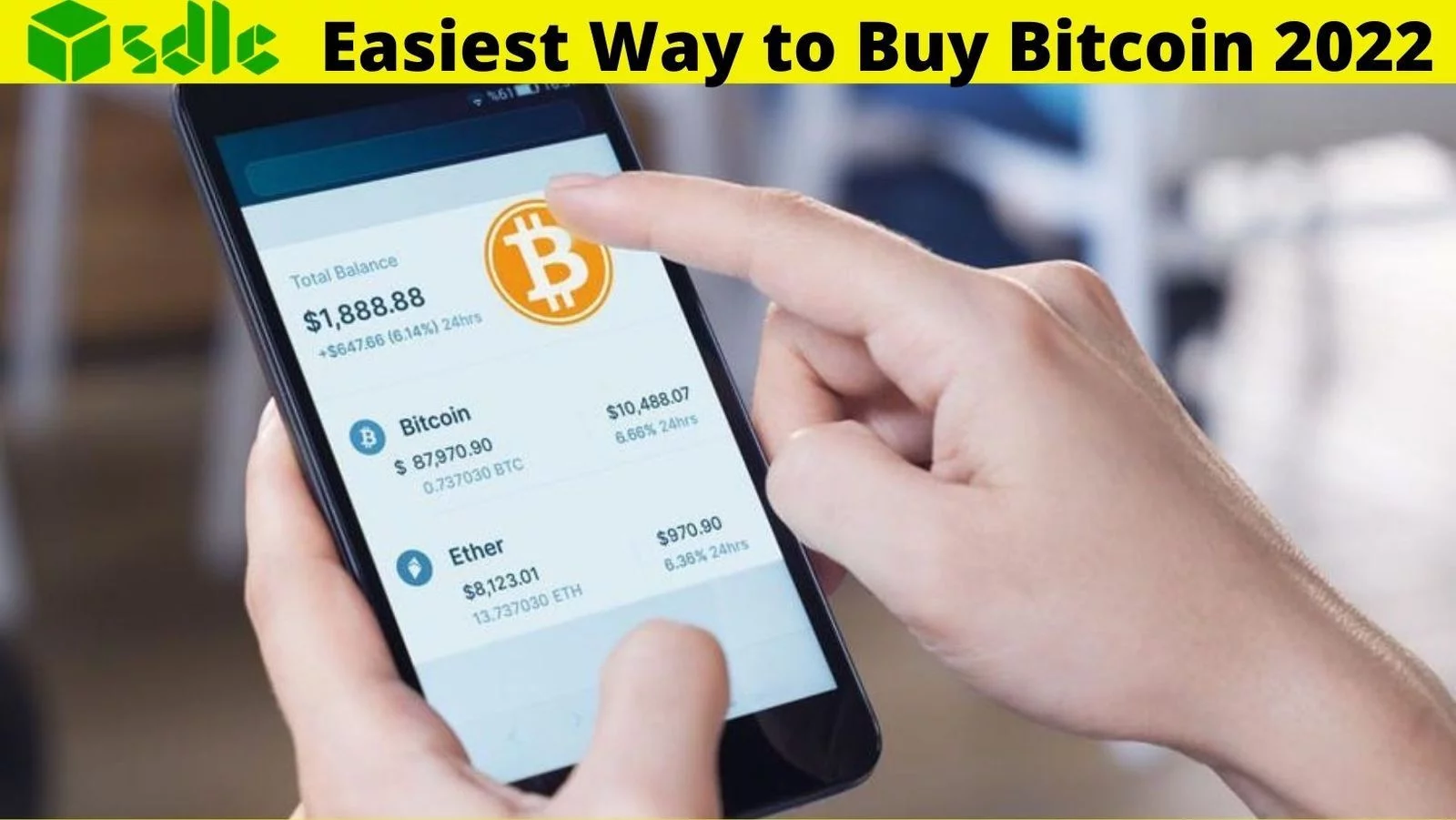
1. Establishing a Financial Foundation for Crypto Investing
Before executing your first transaction, it is imperative to view Bitcoin through the lens of disciplined personal finance. Unlike traditional equities or bonds, Bitcoin is characterized by high volatility and a unique market cycle. Therefore, the decision to buy must be preceded by a clear assessment of your financial health.
Assessing Risk Tolerance and Portfolio Allocation
In the world of investing, Bitcoin is categorized as a “high-risk, high-reward” asset. While its historical returns have outperformed almost every other asset class over a ten-year horizon, its short-term price swings can be jarring. A professional approach to buying Bitcoin involves determining exactly what percentage of your total net worth should be allocated to digital assets. Many financial advisors suggest a range of 1% to 5% for a balanced portfolio, allowing for exposure to the upside while protecting the core of your wealth from sudden drawdowns.
The Importance of “Disposable Capital”
The golden rule of cryptocurrency investment is to never invest money that you cannot afford to lose. Before buying Bitcoin, ensure that your high-interest debts (such as credit card balances) are paid off and that you have a liquid emergency fund covering three to six months of living expenses. Bitcoin should be viewed as a long-term capital preservation tool rather than a vehicle for short-term speculation with essential funds.
2. Navigating the Marketplace: Choosing the Right Exchange
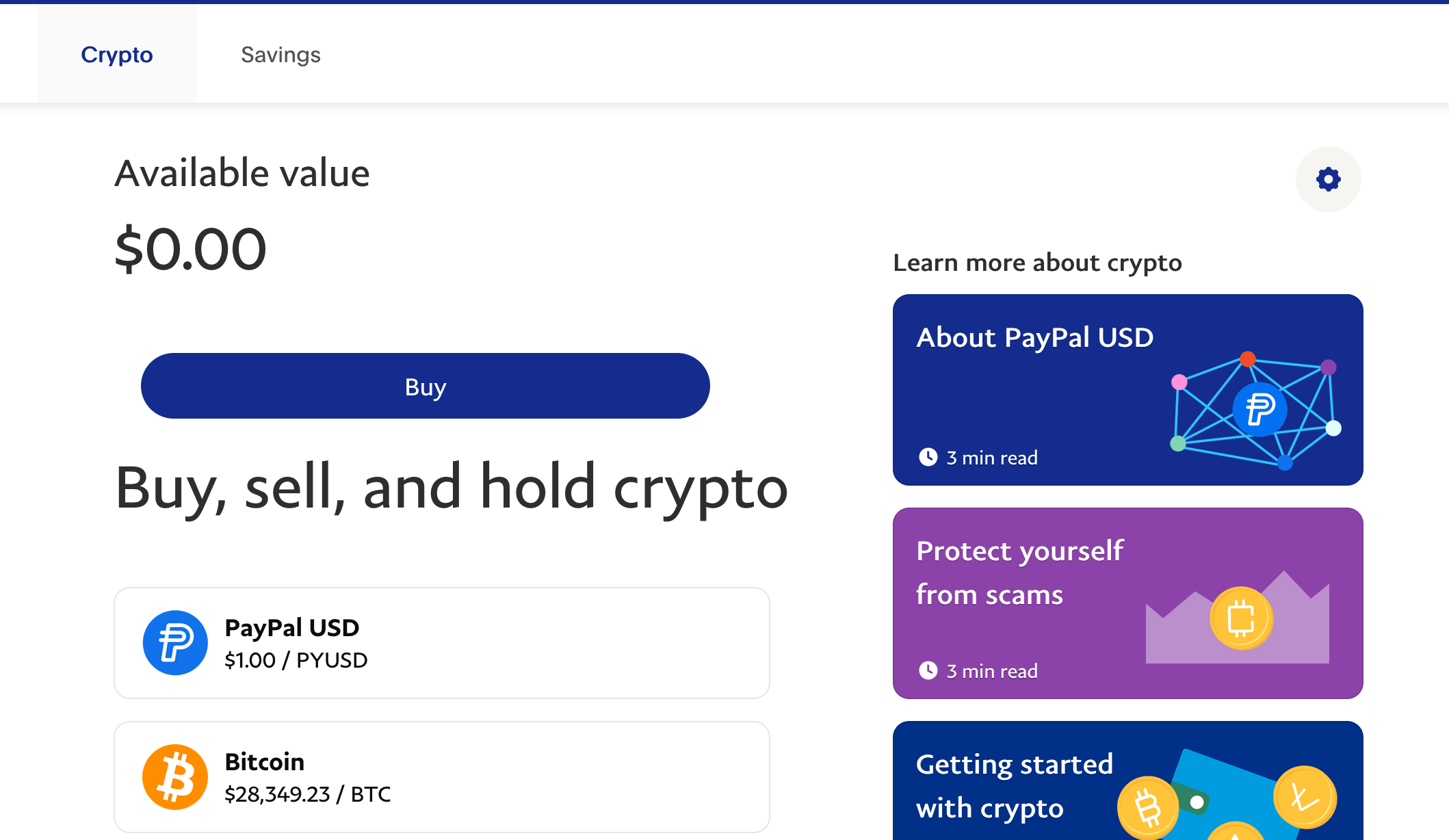
The most common way to buy Bitcoin is through a cryptocurrency exchange. These platforms act as intermediaries, much like a traditional stock brokerage, facilitating the exchange of “fiat” currency (like USD, EUR, or GBP) for digital assets.
Centralized Exchanges vs. Peer-to-Peer Platforms
For most investors, Centralized Exchanges (CEXs) are the preferred entry point due to their ease of use and high liquidity. Platforms such as Coinbase, Kraken, and Binance provide a user-friendly interface and robust security measures. Alternatively, Peer-to-Peer (P2P) platforms allow for direct transactions between individuals. While P2P offers more privacy, it often carries higher risks and more complex payment procedures, making CEXs the standard choice for those prioritizing financial security and regulatory compliance.
Fee Structures and Transaction Costs
From a personal finance perspective, minimizing costs is key to maximizing returns. Exchanges typically charge several types of fees:
- Trading Fees: Often calculated as a percentage of the total trade. Look for “maker/taker” models where limit orders may be cheaper than market orders.
- Deposit/Withdrawal Fees: Costs associated with moving money from your bank to the exchange or moving Bitcoin to a private wallet.
- Spreads: The difference between the buy price and the sell price. Some “fee-free” apps hide their costs in wide spreads.
Understanding these costs ensures that a significant portion of your investment isn’t eroded by administrative overhead.
3. The Step-by-Step Acquisition Process
Once you have selected an exchange that aligns with your financial goals, the actual process of buying Bitcoin involves several regulated steps designed to protect both the investor and the financial system.

Account Verification and KYC Compliance
To comply with global financial regulations, reputable exchanges require users to undergo a “Know Your Customer” (KYC) process. This involves providing a government-issued ID, proof of residence, and sometimes a facial recognition scan. While this may seem cumbersome, it is a hallmark of a professional and legal financial institution. It ensures that your account is protected and that the platform operates within the legal frameworks of your jurisdiction, which is vital for long-term wealth security.
Executing Your First Purchase: Market vs. Limit Orders
When you are ready to buy, you will generally encounter two primary types of orders:
- Market Orders: These execute immediately at the current market price. They are convenient for those who want to buy “now,” but you may pay a slightly higher price during periods of high volatility.
- Limit Orders: These allow you to set a specific price at which you are willing to buy. The trade only executes if the market reaches your price. This is a more strategic financial tool, allowing investors to enter the market at targeted valuation levels.
4. Secure Custody and Asset Management
Buying the Bitcoin is only half the journey; the other half is ensuring that your investment remains secure. In the world of digital finance, the “custody” of your assets is a critical consideration.
Understanding Self-Custody and Wallet Options
When you buy Bitcoin on an exchange, the exchange holds the “private keys” to your coins. If the exchange suffers a security breach or insolvency, your funds could be at risk. To truly “own” your Bitcoin from a legal and financial standpoint, many investors move their assets to a private wallet.
- Hot Wallets: Software-based applications on your phone or computer. They are convenient for frequent trading but are connected to the internet, making them slightly more vulnerable.
- Cold Storage (Hardware Wallets): Physical devices that keep your private keys offline. This is the “gold standard” for securing a large financial position, as it eliminates the risk of online hacking.
Tax Implications and Record-Keeping
From a business and personal finance perspective, Bitcoin is treated as property by most tax authorities (such as the IRS in the United States). This means that every time you sell Bitcoin, or even use it to purchase a good or service, it triggers a taxable event. Keeping meticulous records of your “cost basis”—the price at which you originally bought the Bitcoin—is essential. Utilizing financial tools or specialized crypto-tax software can help you calculate capital gains and losses, ensuring you remain compliant with tax laws and avoid potential penalties.
5. Strategic Long-Term Management of Your Bitcoin Position
Successful investing is rarely about a single purchase; it is about the ongoing management of the asset in relation to your financial life cycle.
Dollar-Cost Averaging (DCA)
One of the most effective strategies for accumulating Bitcoin is Dollar-Cost Averaging. Instead of trying to “time the market” and buy at the absolute bottom, an investor commits to buying a fixed dollar amount of Bitcoin at regular intervals (e.g., $100 every month). This strategy reduces the impact of volatility; you buy more units when the price is low and fewer when the price is high. Over time, DCA often results in a lower average cost per coin and removes the emotional stress associated with market fluctuations.
Knowing When to Rebalance or Exit
A professional investor always has an exit strategy or a rebalancing plan. If Bitcoin’s price surges and it now represents 20% of your portfolio instead of your target 5%, it may be financially prudent to sell a portion and rebalance those gains into other assets like stocks or real estate. Conversely, you should have a plan for how long you intend to hold—many proponents of Bitcoin view it as a multi-decade “savings account” rather than a speculative trade.
Conclusion
Buying Bitcoin is a significant step toward participating in the future of the global financial system. By treating it with the same rigor as any other institutional investment—focusing on reputable exchanges, secure custody, tax compliance, and disciplined entry strategies—you can mitigate the risks associated with this nascent asset class.
As Bitcoin continues to mature as a financial tool, the ease of access will likely increase, but the core principles of sound money management remain the same. Approach your Bitcoin journey with a long-term perspective, a clear understanding of your financial limits, and a commitment to ongoing education. In doing so, you transform a digital asset into a cornerstone of a modern, diversified, and resilient financial future.
aViewFromTheCave is a participant in the Amazon Services LLC Associates Program, an affiliate advertising program designed to provide a means for sites to earn advertising fees by advertising and linking to Amazon.com. Amazon, the Amazon logo, AmazonSupply, and the AmazonSupply logo are trademarks of Amazon.com, Inc. or its affiliates. As an Amazon Associate we earn affiliate commissions from qualifying purchases.