
In the intricate alchemy of brand perception, businesses often obsess over what their brand looks like, what it sounds like, and what message it speaks. Yet, a crucial, often overlooked dimension exists: what does your brand smell like? Not in a literal sense, of course, but as a potent metaphor for the intuitive, often subconscious signals consumers pick up, indicating whether a brand is healthy, authentic, and appealing, or if something more insidious lurks beneath the surface. Just as a physical smell can instantly evoke comfort, nostalgia, or repulsion, a brand’s ‘aroma’ communicates its true nature, its underlying values, and the quality of its engagement long before a customer consciously processes a logo or tagline. This olfactory metaphor helps us delve into the subtle, often negative, indicators that signal a brand is in distress, fostering distrust, or actively repelling its audience.

The Olfactory Sense of Brand Perception
The human brain processes smells with remarkable speed and deeply connects them to memory and emotion. While a brand doesn’t emit literal pheromones, it certainly projects an intangible essence that consumers detect with a similar, visceral immediacy. This “smell” is a composite of every touchpoint, every interaction, every piece of content, and every internal decision that radiates outward.
Beyond Visuals: The Subtlety of Brand Aroma
Visual branding – logos, color palettes, typography – forms the primary layer of a brand’s identity. Auditory branding – jingles, voiceovers, sonic logos – adds another dimension. But the ‘smell’ is something deeper, an atmospheric quality that permeates every aspect, often felt more than seen or heard. It’s the gut feeling a customer gets when interacting with customer service, the underlying sentiment when reading a company’s mission statement, or the perception of integrity (or lack thereof) in its advertising. This subtle aroma can be a powerful differentiator, establishing a brand’s character and resonating deeply with its target audience or, conversely, signaling dissonance.
When a Brand’s Scent Turns Sour: Early Warning Signals
Just as a strange odor can signal danger or decay, a shift in a brand’s inherent ‘smell’ can be an early indicator of trouble. These aren’t always overt crises but subtle shifts that erode trust and loyalty over time. A once-vibrant brand might start emitting a stale scent of irrelevance, indicating it has lost touch with its audience. A brand once known for its transparency might begin to carry the faint whiff of evasiveness, suggesting a new corporate opacity. Ignoring these subtle olfactory cues is akin to ignoring a smoke detector – by the time the fire is visible, significant damage may have already occurred. Brand strategists must cultivate a keen sense of detection, not just analyzing metrics, but feeling the ambient mood surrounding their brand.
Identifying the “Demon Smells” in Your Brand
If a healthy brand has an inviting, distinctive aroma, then a failing or toxic brand emits its own distinct ‘demon smells’ – unpleasant, off-putting, and indicative of deeper issues. Recognizing these specific odors is the first step toward remediation.
The Stench of Inauthenticity
Perhaps the most potent “demon smell” is that of inauthenticity. This arises when a brand’s public persona doesn’t align with its internal culture or operational reality. It’s the pungent odor of virtue signaling without genuine action, of empty promises, or of a forced, unnatural voice that clearly isn’t congruent with the company’s actual values. Consumers, increasingly sophisticated and cynical, can smell a disingenuous brand a mile away. This manifests as marketing campaigns that ring hollow, corporate social responsibility initiatives that feel opportunistic, or leadership statements that lack conviction. When a brand tries too hard to be something it’s not, or adopts a trend without true commitment, the resulting dissonance creates an uncomfortable and memorable stench that repels discerning customers.
The Decay of Inconsistency
A brand thrives on consistency – consistent messaging, consistent quality, consistent customer experience. When this consistency erodes, the brand begins to emit a smell of decay. This isn’t just about conflicting visuals; it’s about a wavering identity that confuses customers. One department might promise one thing, while another delivers something entirely different. The brand’s tone of voice might shift erratically across platforms, or its product quality might fluctuate unpredictably. This inconsistency signals a lack of internal cohesion, a confused strategy, or a fundamental disregard for brand standards. Over time, customers perceive this inconsistency as unreliability, making them question the brand’s fundamental trustworthiness and integrity. The lingering scent is one of decomposition, as the brand’s core identity slowly breaks down.
The Fumes of Negative Customer Experience
Nothing turns a brand’s aroma sour faster than a consistently poor customer experience. This is the acrid fume of frustration, neglect, and disappointment. It’s the feeling customers get when they encounter unhelpful support staff, convoluted processes, or products that consistently fail to meet expectations. Each negative interaction releases a burst of this toxic fume, which then spreads through word-of-mouth, online reviews, and social media. In today’s interconnected world, a single negative experience can quickly become a pervasive public perception. These fumes are particularly potent because they directly impact the emotional connection customers have (or fail to have) with a brand, turning potential advocates into vocal detractors.
The Odor of Misalignment with Values

Modern consumers are increasingly purchasing from brands that align with their personal values. When a brand’s actions, policies, or associations openly contradict the values it professes, or those generally accepted by its audience, it releases a distinct, offensive odor of hypocrisy. This could be environmental claims followed by unsustainable practices, diversity statements not reflected in hiring, or public stances on social issues undermined by corporate lobbying. This misalignment signals a moral or ethical lapse, causing customers to feel betrayed or exploited. The resulting odor isn’t just unpleasant; it’s morally repugnant to a growing segment of the market, leading to significant brand damage and often prompting boycotts or public outcry.
Cleansing the Air: Reversing a Toxic Brand Scent
Detecting the “demon smells” is only the beginning. The real work lies in strategic action to purify the brand’s atmosphere and restore its appealing aroma. This requires a methodical, multi-faceted approach, akin to deep cleaning and ventilation.
Acknowledgment and Auditing: Sniffing Out the Source
The first, and often most difficult, step is to honestly acknowledge that a problem exists. Brand leaders must set aside defensiveness and conduct a thorough, unbiased “olfactory audit.” This involves deep dives into customer feedback, employee sentiment, social media conversations, market perception studies, and internal process reviews. Where are the specific points of friction? What are customers really saying and feeling? What internal inconsistencies are breeding resentment? Pinpointing the exact source of the toxic smell – be it a flawed product, a mismanaged department, an unethical supplier, or a disingenuous marketing strategy – is crucial. Without accurate diagnosis, any attempted solution will be superficial and temporary.
Strategic Deodorization: Targeted Brand Refresh
Once the source of the noxious odor is identified, a strategic “deodorization” plan must be implemented. This is more than a superficial rebrand; it’s a fundamental overhaul. If the smell is inauthenticity, the brand must commit to genuine transparency and align its actions with its words. If it’s inconsistency, then internal protocols, training, and communication channels need to be harmonized. If it’s poor customer experience, then investments in service, product quality, and user-friendly interfaces are paramount. This involves deep structural changes, from product development to supply chain ethics, from leadership communication to front-line employee training. The goal is not to mask the bad smell but to eliminate its root cause, allowing a naturally better aroma to emerge.
Cultivating a Fresh Brand Persona
Beyond eliminating the negative, a brand must actively cultivate a positive, fresh persona. This involves articulating a clear, compelling brand purpose that resonates with its audience and guides all internal and external actions. It means investing in genuinely innovative products and services that meet evolving customer needs. It requires fostering a positive, value-driven company culture where employees feel empowered and valued, as their attitudes directly translate into customer interactions. A fresh brand persona is built on authenticity, integrity, and a consistent commitment to delivering on promises. This isn’t a one-time fix but an ongoing commitment to nurture and protect the brand’s core essence, ensuring its scent remains inviting and distinct.
Building an Aromatic Brand: A Fragrant Future
Ultimately, the goal is to build a brand that naturally emits an appealing, distinctive, and memorable aroma – one that attracts, retains, and inspires loyalty. This goes beyond mere marketing; it’s about cultivating a thriving organizational ecosystem where positive “smells” are inherent.
Infusing Authenticity and Purpose
A truly aromatic brand is rooted in authenticity and driven by a clear, impactful purpose. Its purpose isn’t just a statement; it’s the guiding principle behind every decision, product, and interaction. When a brand genuinely stands for something, and consistently acts in alignment with that purpose, its authenticity creates a powerful, magnetic aroma. This resonance attracts customers who share those values, fostering a deeper, more meaningful connection than transactional relationships ever could. This isn’t about being perfect, but about being real, transparent, and accountable.
Consistent Messaging, Consistent Scent
Maintaining a consistent “scent” requires disciplined adherence to brand guidelines, not just in visual elements but in every aspect of communication and experience. This means every employee, from the CEO to the customer service representative, understands and embodies the brand’s voice, values, and promise. Consistency builds trust and familiarity, allowing customers to form a reliable mental model of the brand. When the brand’s message, actions, and quality are consistently aligned, it projects an aroma of reliability and professionalism, making it a predictable and comforting presence in a volatile market.
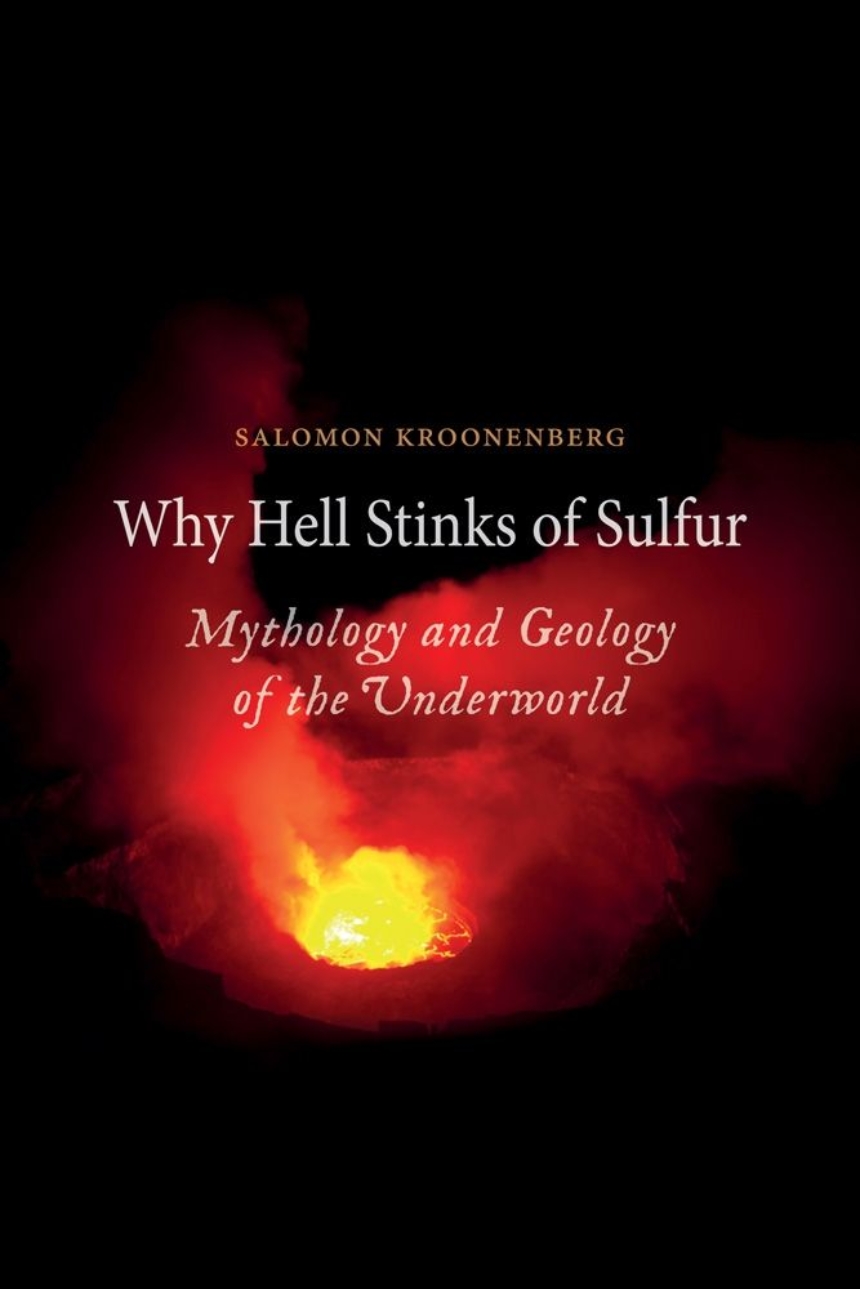
Employee Advocacy: Your Internal Fragrance Ambassadors
Perhaps the most potent source of a positive brand aroma comes from within: its employees. Engaged, empowered, and passionate employees are the truest ambassadors of a brand’s values and culture. When employees are treated well, believe in the company’s mission, and feel connected to its purpose, they naturally radiate a positive energy that permeates customer interactions. They become the “fragrance diffusers” of the organization, spreading a positive perception through their enthusiasm, dedication, and service. Investing in employee satisfaction and fostering a strong internal culture is therefore not just good HR; it’s a critical brand strategy, ensuring the brand’s aroma is genuinely delightful from the inside out. By prioritizing this internal “fragrance,” brands can ensure their external “smell” is consistently appealing, fostering loyalty and sustainable growth.
aViewFromTheCave is a participant in the Amazon Services LLC Associates Program, an affiliate advertising program designed to provide a means for sites to earn advertising fees by advertising and linking to Amazon.com. Amazon, the Amazon logo, AmazonSupply, and the AmazonSupply logo are trademarks of Amazon.com, Inc. or its affiliates. As an Amazon Associate we earn affiliate commissions from qualifying purchases.