
Sustaining human life in the harsh, unforgiving environment of space for extended periods, such as a nine-month mission, is an extraordinary feat of technological innovation. Beyond the complex machinery of rockets and life support systems, one of the most fundamental yet intricate challenges lies in providing astronauts with safe, nutritious, and palatable food. It’s not merely about packing provisions; it’s a sophisticated blend of food science, advanced engineering, and logistical mastery designed to keep crews healthy, productive, and mentally well during prolonged isolation and microgravity. The journey from tubes of purée to diverse, rehydratable meals exemplifies a relentless technological drive to conquer the unique demands of orbital and potential deep-space habitation.
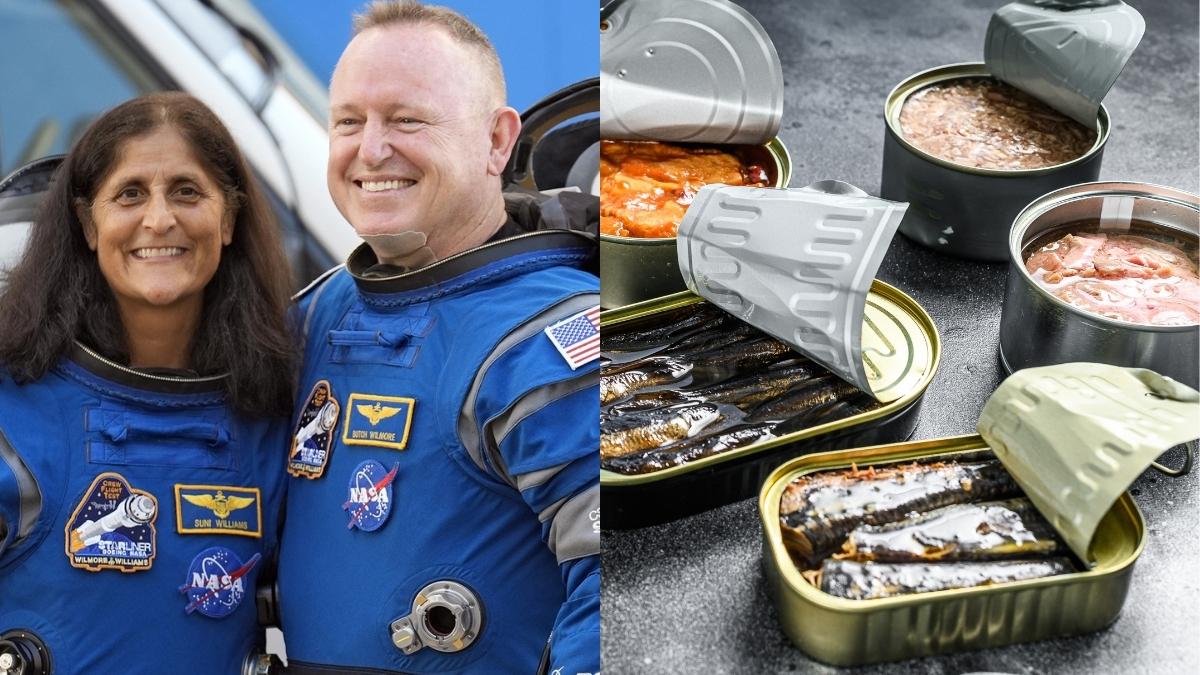
The Evolution of Space Cuisine: From Puree to Palate
The story of astronaut food is a microcosm of aerospace technological advancement, reflecting the growing sophistication of missions and our understanding of human needs in space. Early ventures faced the most basic hurdles, while today’s systems are remarkably refined, though still pushing boundaries.
Early Space Food Technology
The very first forays into space food were characterized by stark simplicity and necessity. Yuri Gagarin, the first man in space, consumed puréed meat and chocolate sauce from aluminum tubes, akin to toothpaste. The Gemini and Apollo programs introduced freeze-dried powders that could be rehydrated, along with bite-sized, non-crumbly cubes. These early solutions were technologically primitive by modern standards but addressed the immediate concerns of portability, weight, and the absence of refrigeration. The primary focus was on basic caloric intake and preventing floating crumbs, which could damage equipment. Packaging involved simple plastics and laminates, chosen for their inertness and ability to withstand the vacuum of space, preventing off-gassing that could contaminate the cabin air. The nutritional science was rudimentary, ensuring basic survival rather than optimal health for long durations.
Advancements for Longer Missions
As mission durations increased, particularly with Skylab, the Space Shuttle, and eventually the International Space Station (ISS), the technological imperative shifted dramatically. Astronauts needed to maintain peak physical and mental performance for weeks or months, demanding a more varied, appealing, and nutritionally complete diet. This spurred significant investment in advanced food processing and packaging technologies. Freeze-drying became highly refined, allowing a wider range of foods—from scrambled eggs to shrimp cocktail—to be prepared on Earth, then rehydrated with hot or cold water on orbit. Thermostabilized pouches, similar to military MREs (Meals Ready-to-Eat), were developed, enabling moist, ready-to-eat entrees without refrigeration, thanks to high-temperature, high-pressure sterilization. These advancements required specialized material science for the pouches themselves—multi-layered films providing oxygen and moisture barriers, crucial for multi-year shelf lives. Food scientists and engineers collaborated closely to develop palatable recipes that could withstand processing and storage, ensuring that flavor and texture were preserved to combat menu fatigue, a significant psychological factor on long missions.
Engineering Sustenance: The Technology Behind Space Food
The journey of space food from Earth to an astronaut’s plate involves a complex interplay of preservation techniques, innovative packaging, and specialized on-board galley systems, all meticulously engineered for the unique challenges of space.
Preservation Technologies
The cornerstone of long-duration space food is its incredible shelf life, achieved through a combination of advanced preservation methods. Freeze-drying, or lyophilization, is paramount. This process involves freezing food and then placing it in a vacuum chamber, where the ice sublimates directly into vapor, bypassing the liquid phase. This removes over 98% of the water, dramatically reducing weight and inhibiting microbial growth, while largely retaining the food’s nutritional value, flavor, and texture upon rehydration. Thermoprocessing, used for items like retort pouches, involves sealing food in flexible, hermetic containers and subjecting them to high temperatures and pressures to sterilize the contents, destroying bacteria and enzymes that cause spoilage. This is a common method for ready-to-eat entrees and allows for a moist, stew-like consistency that freeze-drying cannot achieve. Other techniques include moisture control for foods like dried fruits and nuts, and controlled atmospheric packaging for some fresh items delivered on resupply missions, though these typically have shorter shelf lives. Each method requires precise control and validation to ensure safety and quality over periods extending up to five years.
Packaging Innovations
Space food packaging is a marvel of materials science and engineering. It must meet multiple stringent requirements: be lightweight, compact, durable enough to withstand launch forces and storage, provide an effective barrier against oxygen and moisture for extended shelf life, prevent the escape of crumbs (a significant hazard in microgravity), and be easily opened and consumed in a weightless environment. Typical packaging involves multi-layer laminate foils, often comprising layers of polyester, aluminum foil (for barrier properties), and polyethylene (for heat sealing and food contact). These layers are precisely engineered to prevent gas exchange and maintain product integrity. Vacuum sealing is critical for many products to remove air and extend freshness. Pouches are designed with specific ports for water injection for rehydration, and often incorporate easy-tear notches or re-sealable zippers for partial consumption. The choice of packaging material also considers its inertness to prevent chemical leaching into the food and its ability to be safely disposed of or recycled, further integrating with onboard waste management systems.
Rehydration Systems & Galley Tech

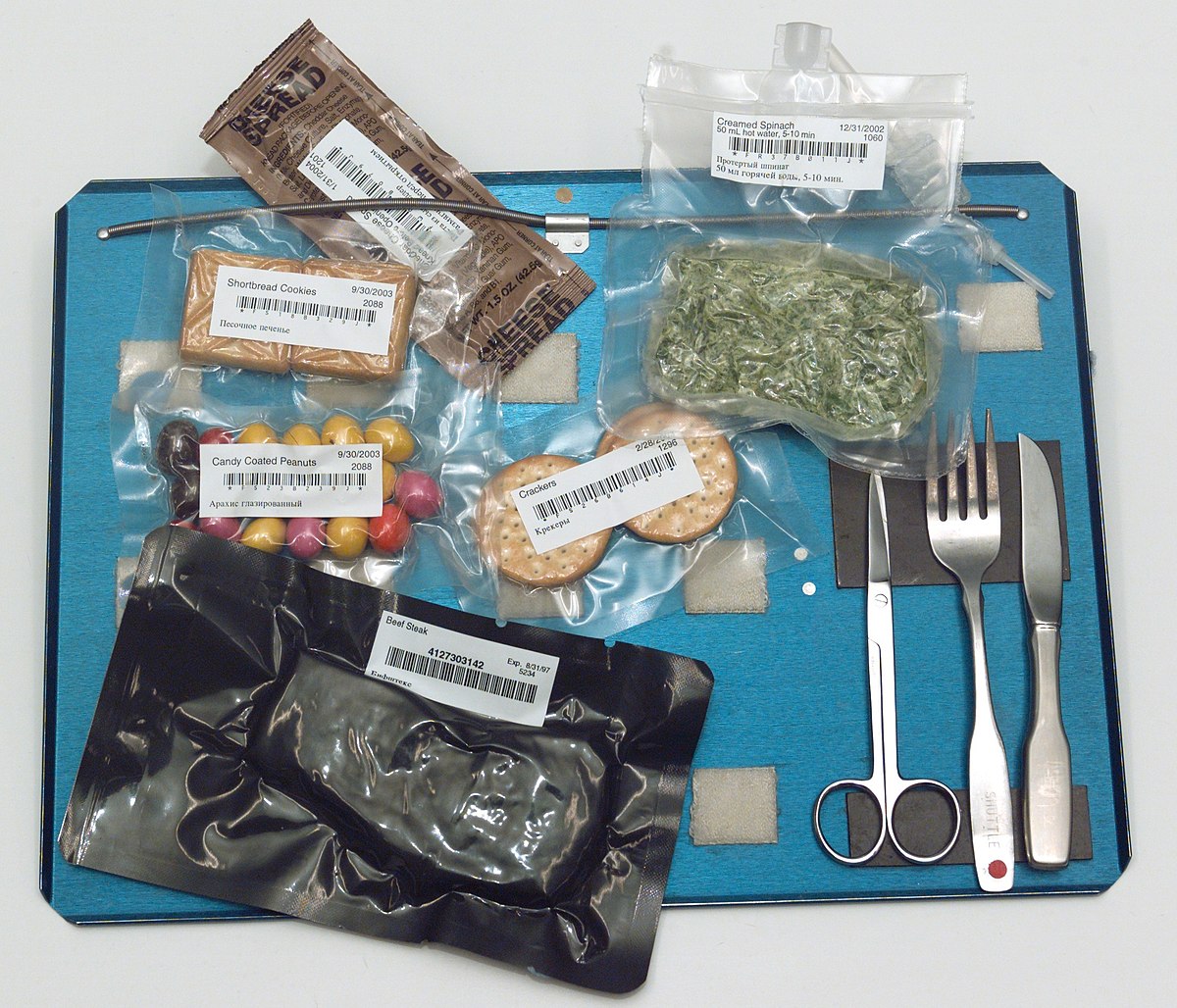
Once food reaches orbit, specialized equipment is needed to prepare and serve it. The galley area on a spacecraft or space station is a compact, high-tech kitchen. Water dispensers provide both hot and cold potable water for rehydrating freeze-dried meals, operating under vacuum conditions to prevent air bubbles and spills. These dispensers often incorporate filtration systems to ensure water purity. Food warmers are used for thermostabilized pouches, gently heating meals to an appetizing temperature without boiling or burning. These are typically convective ovens or electrical resistance heaters, designed to be safe and efficient in microgravity. Astronauts eat by squeezing food from pouches directly into their mouths or by using cutlery that adheres magnetically to a tray, preventing items from floating away. The design of these systems, from water lines to heating elements, incorporates extensive engineering to prevent leaks, manage condensation, and ensure user-friendliness in a zero-G environment, making the dining experience as practical and comfortable as possible.
Nutritional Engineering and Supply Chain Logistics
Beyond preservation and packaging, the science and technology involved in determining what goes into the food and how it gets to space are equally complex.
Designing for Health and Performance
For nine months in space, astronauts need more than just calories; they require a precisely engineered diet to combat the physiological stresses of microgravity, such as bone density loss, muscle atrophy, and immune system changes. Nutritional engineering involves meticulous planning to provide the correct balance of macronutrients (carbohydrates, fats, proteins) for energy and tissue repair, and crucial micronutrients. Specific emphasis is placed on calcium and Vitamin D to mitigate bone demineralization, antioxidants to combat oxidative stress from radiation exposure, and fiber for digestive health. Food scientists work with medical teams to formulate meals that are not only palatable but also contribute directly to astronaut health, often fortifying foods or designing specific nutrient combinations. This also extends to managing sodium intake to prevent fluid retention and designing diverse menus to prevent “menu fatigue,” which can lead to reduced food intake and malnutrition. The selection and formulation are data-driven, leveraging biological feedback from previous missions.
The Earth-to-Orbit Supply Chain
The logistical challenge of providing food for a nine-month mission is immense, requiring a highly optimized supply chain. Food production is centralized, often handled by specialized contractors working with space agencies. Each food item undergoes rigorous quality control, from ingredient sourcing to final packaging, ensuring safety and compliance with strict spaceflight standards. Weight and volume are critical constraints; every gram launched costs thousands of dollars, so packaging is minimized, and foods are chosen for their caloric density. Inventory management systems track every meal and snack, ensuring a diverse and nutritionally balanced supply throughout the mission. Launch vehicles, such as SpaceX Dragon or Northrop Grumman Cygnus, carry these provisions to the ISS, where they are meticulously unpacked, cataloged, and stowed in designated storage areas. The planning involves predicting crew preferences, managing shelf lives, and adapting to potential mission changes, all orchestrated by sophisticated scheduling software and experienced logistical teams on Earth.
The Future of Deep Space Dining: Technological Frontiers
As humanity looks towards missions to the Moon, Mars, and beyond, the technological demands for space food will evolve even further, pushing the boundaries of self-sufficiency and resource management.
On-Orbit Food Production
For missions lasting years, resupplying all food from Earth becomes impractical and prohibitively expensive. This drives research into bioregenerative life support systems and on-orbit food production. Technologies like hydroponics (growing plants in water) and aeroponics (growing plants in an air/mist environment) are being developed to grow fresh produce, such as leafy greens, peppers, and tomatoes, directly on spacecraft or planetary habitats. This provides not only fresh food but also psychological benefits and contributes to oxygen regeneration and carbon dioxide scrubbing. The Veggie and Advanced Plant Habitat experiments on the ISS are pioneering efforts in this field, utilizing specialized LED lighting, nutrient delivery systems, and controlled environments optimized for plant growth in microgravity or reduced gravity. The next step is scaling these systems for larger yields and integrating them seamlessly into closed-loop life support systems.
3D-Printed Food and Customized Nutrition
The advent of 3D printing offers a transformative vision for space food. Imagine astronauts printing custom meals on demand from nutrient-rich cartridges, minimizing waste and storage space for pre-packaged foods. This technology could provide an unprecedented level of customized nutrition, tailoring meals to individual astronaut metabolic needs, dietary preferences, or even medical requirements in real-time. From nutrient pastes to combining various ingredients, 3D food printers could offer a wide variety of textures and flavors, combating menu fatigue with personalized culinary creations. While still in early development, the potential for reduced logistics, waste, and enhanced dietary flexibility makes 3D food printing a compelling technological frontier for future deep-space exploration.
AI and Sensor Integration
Future space food systems will likely incorporate Artificial Intelligence and advanced sensor technology. AI could analyze astronaut health data, activity levels, and preferences to dynamically adjust meal plans, optimizing nutritional intake for peak performance and well-being. Smart sensors could monitor food quality, detect spoilage, and even assess the nutrient content of freshly grown produce, ensuring food safety and maximizing resource utilization. AI-driven systems could also manage onboard inventory, predict consumption patterns, and automate parts of the food preparation process, reducing crew workload and enhancing efficiency. This integration of digital intelligence with physical food systems represents the next leap in creating a truly adaptive and resilient space food infrastructure.
In essence, what astronauts eat for nine months is a testament to unwavering technological innovation. It is not just sustenance, but a carefully engineered system, continuously refined through scientific discovery and technological advancement, enabling humanity to push further into the cosmos, one thoughtfully crafted meal at a time.
aViewFromTheCave is a participant in the Amazon Services LLC Associates Program, an affiliate advertising program designed to provide a means for sites to earn advertising fees by advertising and linking to Amazon.com. Amazon, the Amazon logo, AmazonSupply, and the AmazonSupply logo are trademarks of Amazon.com, Inc. or its affiliates. As an Amazon Associate we earn affiliate commissions from qualifying purchases.