
John Chapman, better known as Johnny Appleseed, is an enduring figure in American folklore, synonymous with pioneering spirit and the spread of apple trees across the burgeoning frontier. While commonly perceived as a simple wanderer scattering seeds, a deeper look at his life reveals a remarkable, albeit unintentional, masterclass in personal branding, strategic distribution, and the cultivation of an indelible corporate identity that transcended mere myth to become a foundational cultural archetype. His actions, viewed through a modern branding lens, offer profound insights into how consistent values, a distinctive presence, and a long-term vision can build a legacy that resonates for centuries.
The Genesis of a Folk Hero: Crafting an Unintentional Personal Brand
Johnny Appleseed’s impact wasn’t just about planting trees; it was about cultivating a distinctive personal brand that commanded respect, trust, and widespread recognition. His actions and lifestyle choices inadvertently constructed an identity so powerful it became legendary. This wasn’t a manufactured celebrity but an organic brand built on authentic principles and consistent delivery.
Beyond the Myth: John Chapman’s Entrepreneurial Spirit
Far from a whimsical eccentric, John Chapman was a shrewd, albeit benevolent, entrepreneur. His primary “business model” was not simply giving away apples, but establishing nurseries ahead of the westward expansion. Under the Northwest Ordinance of 1787, settlers could claim land by establishing a permanent orchard of 20 apple or 20 peach trees within three years. Chapman understood this regulatory framework implicitly, identifying a clear market need. He would clear land, fence it, plant apple seeds, and then sell or lease these established nurseries to incoming settlers for a small fee, or often, for goods and services or a promise of future payment. This wasn’t merely a hobby; it was a strategic enterprise designed to facilitate settlement and agricultural development, showcasing an innate understanding of supply and demand, albeit one driven by a spiritual conviction. His entrepreneurial spirit was foundational to his burgeoning brand, demonstrating a practical approach to achieving his mission.
Visual Identity and Brand Storytelling in the Wilderness
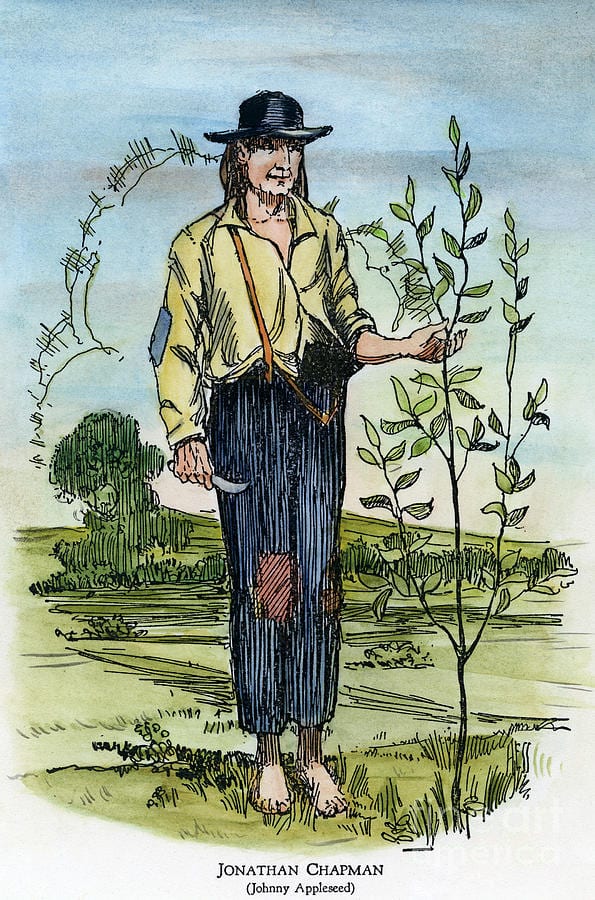
Chapman’s distinctive appearance and habits formed a powerful visual identity that contributed significantly to his personal brand. Clad in simple, often patched, clothing – famously a coffee sack, though historical accuracy debates this – and often barefoot, he presented an image of humility, self-sufficiency, and closeness to nature. This consistent visual identity, coupled with his reputation for kindness, generosity, and resilience, became part of his brand storytelling. He didn’t need elaborate marketing campaigns; his very presence told a story. Word-of-mouth, the original form of viral marketing, amplified his narrative. Travelers and settlers exchanged tales of the man who walked hundreds of miles, shared scripture, healed sick animals, and, crucially, planted apple trees, solidifying his unique brand positioning as the “apostle of apples” and a harbinger of civilization. His brand story was one of purpose, resilience, and quiet dedication, resonating deeply with the pioneer spirit of the age.
The Strategic Dissemination of a Product: Apples as a Catalyst for Settlement
Johnny Appleseed’s “product” was more than just apples; it was the promise of a sustainable future and a tangible aid for frontier expansion. His methodology for spreading apple trees can be analyzed as an early form of strategic product distribution and market penetration, designed not just for profit but for broader societal impact.
Establishing a Distribution Network: Nursery Management and Land Claims
Chapman’s genius lay in his proactive and geographically astute distribution network. Instead of merely scattering seeds randomly, he established numerous small nurseries in strategically chosen locations across Pennsylvania, Ohio, Indiana, Illinois, and parts of West Virginia. These weren’t haphazard plantings; they were meticulously maintained plots, often located near nascent settlements or along common migration routes. He would contract with neighbors or family to tend these nurseries in his absence, creating a distributed management system. This network ensured that when settlers arrived, mature saplings were readily available, significantly reducing the time and effort required for them to meet the land claim requirements. This strategic placement and maintenance of his “stock” was a sophisticated, decentralized supply chain, demonstrating a long-term vision for market saturation and product availability. He understood that accessibility was key to widespread adoption of his “product.”
Cultivating Brand Loyalty: The Promise of Future Abundance

The “apples” Johnny Appleseed propagated were primarily cider apples, tart and ideal for making hard cider and applejack, which were safer to drink than water at the time and provided calories and warmth. They were also excellent for preserving and drying, crucial for pioneer sustenance. This functional benefit cultivated immense brand loyalty among settlers. They weren’t just buying a tree; they were investing in future security, a source of food, drink, and potential economic gain. Chapman’s approach fostered a deep, emotional connection to his “brand” because it represented hope, self-sufficiency, and the tangible promise of a better life on the frontier. His brand promise was not empty rhetoric but a delivered reality that directly improved the quality of life for his “customers.” The long-term return on investment from his “product” created a powerful and enduring positive association with his personal brand.
Legacy as a Long-Term Brand Asset: Enduring Impact and Symbolism
The enduring nature of Johnny Appleseed’s story is a testament to the power of a well-defined and consistently lived brand. His legacy is not merely historical; it’s a living brand asset that continues to inspire and symbolize core American values. His impact transcends his lifetime, demonstrating how profound purpose can forge an immortal brand.
Brand Values: Philanthropy, Sustainability, and Frontier Tenacity
At the heart of Johnny Appleseed’s enduring brand are his core values:
- Philanthropy and Generosity: He often traded trees for necessities or gave them away to those in need, embodying a spirit of selfless contribution. This fostered immense goodwill and cemented his reputation as a benevolent figure.
- Sustainability and Environmental Stewardship: By spreading apples, he was engaged in an early form of ecological engineering, transforming landscapes and ensuring long-term food security. His respect for nature and his commitment to nurturing the land are central to his brand identity.
- Tenacity and Perseverance: His relentless dedication to his mission, walking hundreds of miles year after year, facing hardships, and never wavering from his purpose, showcases extraordinary resilience. These values resonate powerfully and are intrinsically linked to the American pioneering spirit.
These brand values weren’t just espoused; they were lived consistently, making his brand authentic and deeply trustworthy. They formed the bedrock of his public perception and continue to define his legacy.
From Local Icon to National Archetype
What started as a regional phenomenon—a known figure in the Ohio River Valley—gradually transformed into a national archetype. The stories of Johnny Appleseed, initially passed down orally, were later immortalized in literature, art, and popular culture. This transition from local celebrity to national symbol illustrates successful brand scaling. His simple, relatable mission resonated with universal themes of growth, prosperity, and the human connection to nature. He became a symbol of industriousness, ecological consciousness, and the unique American spirit of forging a new path. His brand transcended the individual, becoming a cultural shorthand for benevolent development and the cultivation of future abundance, a true mark of an iconic brand.
Lessons from Johnny: Building an Authentic and Lasting Brand
The story of Johnny Appleseed offers invaluable lessons for modern brand builders, demonstrating that even without explicit marketing strategies, genuine impact and consistent values can forge an unshakeable brand.
Authenticity as the Core Brand Proposition
Johnny Appleseed’s brand was inherently authentic. He was not merely performing a role; he embodied his mission. His simple lifestyle, his spiritual beliefs, and his unwavering dedication to planting trees were all extensions of his true self. In an age where consumers increasingly demand transparency and authenticity from brands, Chapman’s example is potent. A brand’s actions must align with its stated values, and its “face” must genuinely reflect its purpose. His authenticity built profound trust, a cornerstone of any successful and enduring brand.

The Power of Purpose-Driven Action
Ultimately, Johnny Appleseed’s “brand” was built entirely on purpose-driven action. His “what did he do” was not motivated by personal gain in the conventional sense, but by a deeper mission to aid settlers, spread spiritual teachings, and cultivate the land. This sense of purpose resonated with the needs of the frontier and created a powerful narrative that transcended individual transactions. For contemporary brands, this highlights the critical importance of a clear, compelling mission beyond profit. Brands that articulate and genuinely pursue a higher purpose often achieve deeper engagement, stronger loyalty, and a more lasting legacy, much like the humble man who planted a continent’s worth of apple trees. His actions demonstrate that true brand building is about consistent, purposeful contribution that leaves a meaningful mark on the world.
aViewFromTheCave is a participant in the Amazon Services LLC Associates Program, an affiliate advertising program designed to provide a means for sites to earn advertising fees by advertising and linking to Amazon.com. Amazon, the Amazon logo, AmazonSupply, and the AmazonSupply logo are trademarks of Amazon.com, Inc. or its affiliates. As an Amazon Associate we earn affiliate commissions from qualifying purchases.