
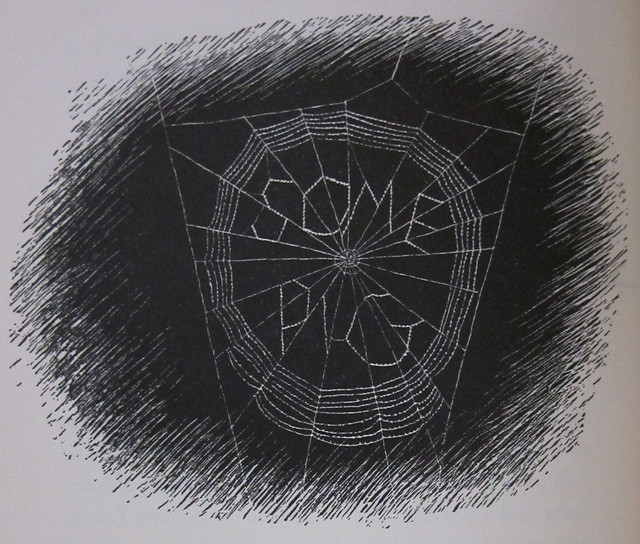
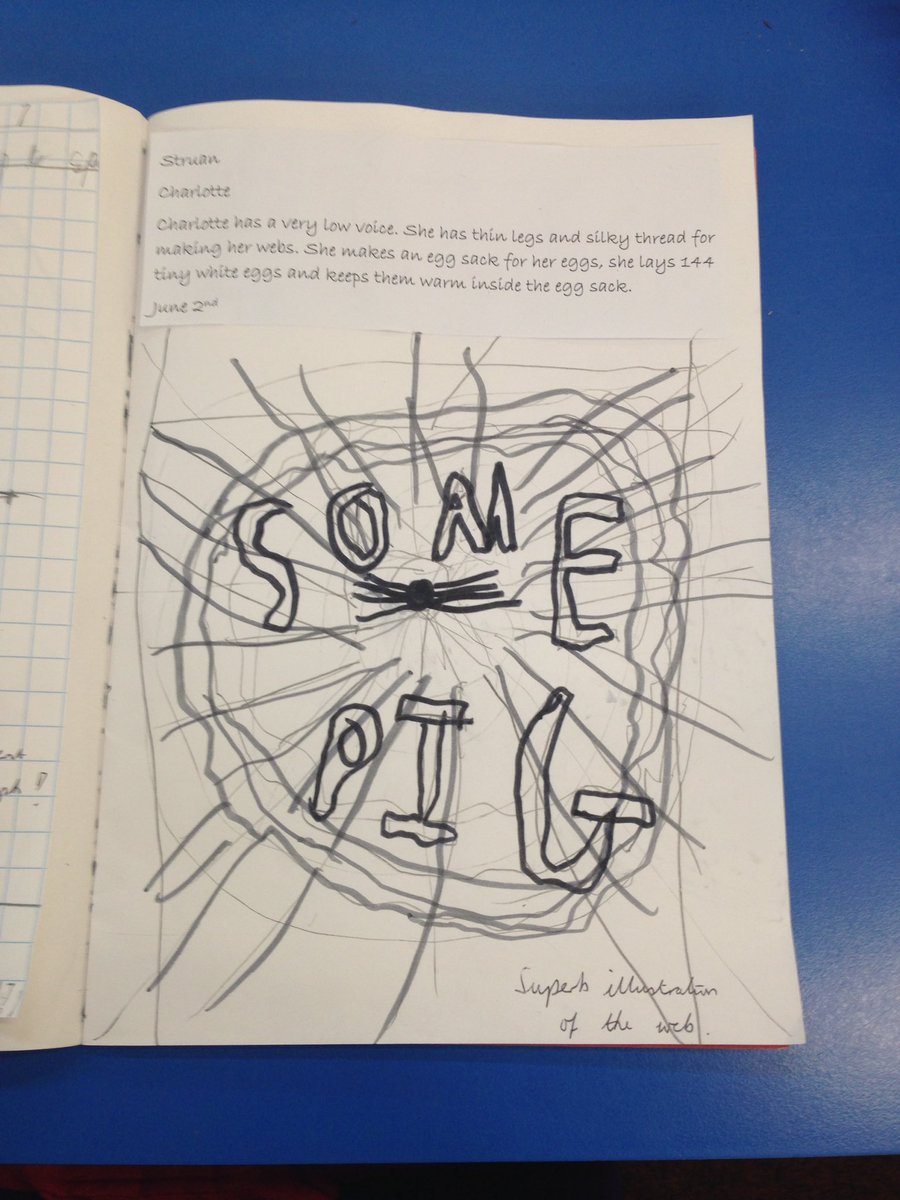
The timeless narrative of Charlotte’s Web offers a masterclass in strategic communication, personal branding, and the power of a well-crafted message. While literally, Charlotte A. Cavatica inscribed words like “SOME PIG,” “TERRIFIC,” “RADIANT,” and “HUMBLE” into her silken web, the deeper lesson for modern brand strategists lies in the profound impact these simple declarations had on transforming perception and creating value. Charlotte’s actions serve as a foundational blueprint for understanding how messaging, delivered with precision and purpose, can elevate an entity from obscurity to renown, from a mere commodity to a cherished icon.
The Art of Strategic Messaging: More Than Just Words
Charlotte’s genius wasn’t just in writing words, but in selecting the right words for the right audience at the right time. Her messaging was targeted, impactful, and designed to address a critical brand problem: Wilbur’s impending fate. This is the essence of strategic messaging in branding today. It’s not about verbosity, but about surgical precision in language that resonates, persuades, and drives a desired outcome.
Crafting the Core Brand Message
Every brand, like Wilbur, needs a core message that defines its essence and communicates its unique value proposition. Charlotte instinctively understood Wilbur’s core attributes—his charm, his innocence, his general “pigness”—and translated them into compelling descriptors. “SOME PIG” wasn’t just an arbitrary phrase; it was a statement of distinction, an eyebrow-raising declaration that demanded attention and curiosity. For businesses, this translates to developing a clear, concise mission statement and a unique selling proposition (USP) that differentiates them in a crowded marketplace. What is the one thing your brand wants to be known for? How can that be articulated in a way that captures immediate interest and fosters deeper engagement? Charlotte’s lesson is that clarity and impact outweigh complexity.
Precision in Language: Every Word Matters
The progression of Charlotte’s messages—”SOME PIG,” “TERRIFIC,” “RADIANT,” “HUMBLE”—demonstrates a sophisticated understanding of a sustained branding campaign. Each word built upon the last, adding layers of meaning and reinforcing a positive image. “Terrific” amplified the initial intrigue, “Radiant” bestowed a captivating aura, and “Humble” added a touch of relatable character, preventing arrogance and fostering empathy. In brand communication, every tagline, every piece of ad copy, every social media post contributes to the overarching brand narrative. Sloppy language, inconsistent tone, or irrelevant messaging can dilute brand equity. The specificity and emotional resonance of Charlotte’s chosen adjectives underscore the importance of linguistic precision in shaping public perception and forging a strong brand identity.
Reputation by Design: Elevating the Perceived Value
Charlotte didn’t just market Wilbur; she rebranded him. She transformed him from an ordinary pig destined for the dinner table into an extraordinary phenomenon, worthy of admiration and preservation. This profound shift in perception is the ultimate goal of effective brand strategy.
From Commodity to Coveted: The Transformation Power
Before Charlotte’s intervention, Wilbur was a commodity, valued for his utility. Post-Charlotte, he was a celebrity, valued for his unique qualities and the narrative woven around him. This is the aspirational journey for many brands. How can a product or service transcend its basic function to become something desired, admired, and even beloved? Charlotte achieved this by adding intangible value through storytelling and public relations (her “web” as a platform). Brands today leverage content marketing, experiential marketing, and authentic storytelling to create emotional connections that elevate their offerings beyond mere transactions. The intrinsic value of the product remains, but the perceived value skyrockets due to the compelling narrative built around it.
The Narrative Arc of Brand Building
Charlotte understood that a single message isn’t enough; a compelling brand needs an ongoing narrative. Her series of words created an arc, building anticipation, reinforcing positive attributes, and ultimately securing Wilbur’s future. This episodic approach mirrors modern content strategies where brands engage audiences with a continuous stream of stories, insights, and experiences that collectively form a powerful brand narrative. From blog posts and social media campaigns to long-form video content and interactive experiences, each piece of content contributes to a larger story that deepens customer connection and loyalty. The narrative arc Charlotte crafted for Wilbur demonstrates that sustained engagement, built on consistent and evolving messaging, is key to long-term brand success.
The Platform as a Canvas: Leveraging Your Reach
Charlotte’s web was her chosen platform, an ingenious and highly visible medium for her messages. Its strategic placement within the barn ensured maximum exposure to her target audience. In the digital age, the concept of the “web” as a communication platform takes on an even more literal and expansive meaning.
Digital Webs and Dynamic Content
Today’s brands operate across a multitude of “webs”—websites, social media platforms, search engines, mobile apps, and more. Each platform offers unique opportunities and constraints for communication, much like the physical properties of a spider’s web. The challenge is to adapt the core message to suit each medium while maintaining brand consistency. Charlotte’s silk threads were limited, yet she maximized their impact. Modern brands must similarly optimize their content for various digital channels, understanding that a tweet requires different crafting than a LinkedIn post or a website’s landing page. The “web” metaphor extends to the interconnectedness of these platforms, where a message initiated on one can ripple across others, amplifying reach and influence.
Consistency Across Channels
Despite using different words and different structures (some letters were harder to form), Charlotte maintained absolute consistency in her objective: to save Wilbur by portraying him positively. Similarly, brands must ensure their core identity, tone of voice, and overarching message remain consistent across all digital and offline touchpoints. Inconsistency confuses the audience, erodes trust, and weakens brand identity. Whether it’s the visual aesthetics of a website, the tone of a customer service interaction, or the messaging in an email campaign, every element must align with the established brand persona. Charlotte’s unwavering dedication to Wilbur’s positive portrayal, regardless of the specific word, underscores the critical importance of a unified brand presence.
Enduring Impact: Building a Legacy Brand
The success of Charlotte’s branding efforts wasn’t just about saving Wilbur in the short term; it was about transforming his destiny and creating a lasting impression that resonated far beyond the fairgrounds. This speaks to the power of building a legacy brand.
Beyond the Initial Spark: Sustaining Attention
Charlotte understood that initial intrigue (“SOME PIG”) needed to be followed by sustained engagement (“TERRIFIC,” “RADIANT,” “HUMBLE”). A brand cannot thrive on a single viral moment alone. It requires continuous effort to maintain relevance, refresh messaging, and demonstrate ongoing value. This means investing in long-term content strategies, community building, and adapting to evolving audience needs and market trends. The goal is to move beyond fleeting attention to cultivate deep-seated loyalty and advocacy. Charlotte’s consistent reappearance with new words kept the narrative fresh and compelling, preventing public interest from waning.
The Emotional Connection and Brand Loyalty
Ultimately, Charlotte’s messages fostered an emotional connection between Wilbur and the public. People rooted for him; they felt a sense of wonder and affection. Emotional branding is the bedrock of loyalty. When customers feel a personal connection to a brand—be it through shared values, inspiring stories, or exceptional experiences—they become advocates, resilient to competitor appeals. Charlotte built this connection by imbuing Wilbur with positive, human-like qualities through her written affirmations. For modern brands, this means crafting narratives that tap into universal human emotions, fostering a sense of community, and consistently delivering experiences that reinforce positive feelings about the brand.
Lessons from the Spider: A Modern Branding Blueprint
Charlotte’s simple act of writing in her web offers profound, actionable insights for anyone involved in brand strategy today. Her methodology, though rudimentary, encapsulates fundamental principles that remain highly relevant.
Agility and Adaptation in Messaging
Charlotte didn’t just repeat “SOME PIG.” She evolved her messaging based on the response and the unfolding narrative. This agility is crucial for modern brands operating in dynamic markets. Brands must be willing to iterate their messaging, experiment with different approaches, and adapt to feedback and changing cultural landscapes. Sticking rigidly to an outdated message can be detrimental. Charlotte’s ability to pivot from general admiration to specific positive traits (radiant, humble) demonstrates a keen understanding of evolving public perception and the need for fresh angles.
Authenticity and Trust
Crucially, Charlotte’s words, while designed to highlight Wilbur’s best qualities, were not lies. Wilbur was a “some pig,” “terrific” in his own way, and possessed a “humble” spirit. The messages resonated because they had a foundation in truth. Authenticity is paramount in modern branding. Consumers are increasingly discerning and wary of brands that present an inauthentic image. Brands that build trust through transparency, honesty, and consistent delivery on their promises will ultimately forge stronger, more enduring relationships with their audience. Charlotte’s commitment to genuine, if exaggerated, representation of Wilbur underscores the power of integrity in brand communication. Her legacy is not just about words, but about the profound impact of truth-driven storytelling.
aViewFromTheCave is a participant in the Amazon Services LLC Associates Program, an affiliate advertising program designed to provide a means for sites to earn advertising fees by advertising and linking to Amazon.com. Amazon, the Amazon logo, AmazonSupply, and the AmazonSupply logo are trademarks of Amazon.com, Inc. or its affiliates. As an Amazon Associate we earn affiliate commissions from qualifying purchases.