
In an increasingly competitive marketplace, brands are constantly seeking unique insights to differentiate themselves, optimize product design, and forge deeper connections with their target audiences. While traditional marketing often focuses on human psychology, there’s a fascinating and underexplored realm of understanding other species’ preferences, particularly when those species are central to a product or service. Birds, with their vibrant plumage and keen senses, represent a compelling case study for how non-human perception can profoundly influence brand strategy, product design, and marketing efforts, especially in niches like eco-tourism, pet supplies, conservation, and even architecture.
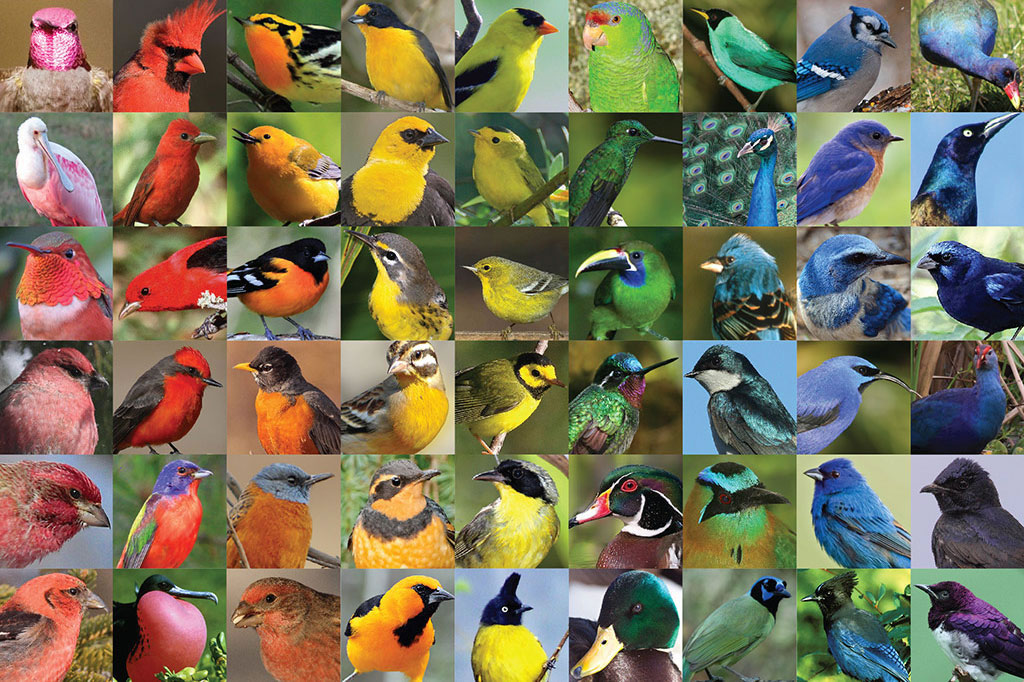
The question “what colors do birds like?” isn’t merely academic; it’s a strategic inquiry that can unlock innovative approaches to design and marketing. By delving into avian color perception, brands can develop more effective products, create more engaging environments, and communicate more authentically with both avian populations and the human enthusiasts who cherish them.
Beyond the Human Spectrum: Understanding Avian Color Perception
To truly grasp what colors birds “like,” brands must first appreciate that avian vision fundamentally differs from human vision. Humans are typically trichromatic, possessing three types of cone cells in their eyes that are sensitive to red, green, and blue light. Birds, however, are often tetrachromatic, meaning they have a fourth cone type that extends their vision into the ultraviolet (UV) spectrum. This crucial difference means that birds perceive a world far richer in color and pattern than we do.
Many colors we see as plain or uniform might appear strikingly different and complex to a bird, often due to UV reflectance. For instance, what looks like a dull patch of feathers to us might be a dazzling display of UV patterns to a potential mate. This UV sensitivity plays a significant role in mate selection, foraging, and predator avoidance. Some fruits and berries, while appearing dull to us, may have strong UV reflections that make them highly visible and attractive to birds. Similarly, many flowers display “nectar guides”—patterns only visible in UV light—that direct pollinators.
Understanding this tetrachromatic vision is foundational for any brand aiming to engage with avian populations, directly or indirectly. It’s not just about brighter colors; it’s about colors and patterns that exist outside our visual paradigm, offering a whole new dimension for strategic design.
The Green Advantage: Leveraging Color in Product Design for Birds
For brands operating in the bird-related product sector, applying insights from avian color perception can be a game-changer. Consider products like bird feeders, birdhouses, birdbaths, or even architectural elements designed to be bird-friendly.
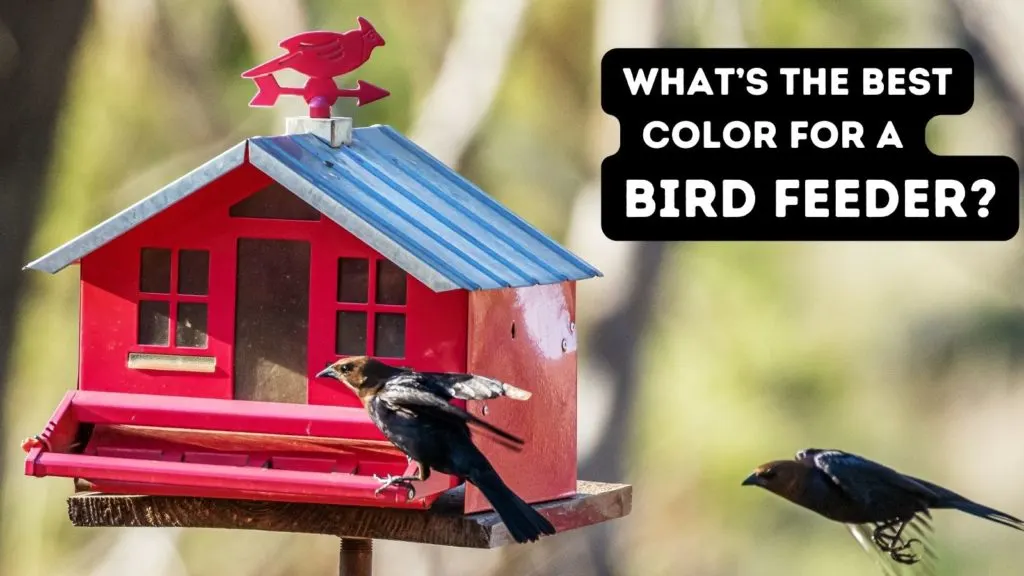
- Attraction vs. Deterrence: Different colors evoke different responses. Birds are often attracted to bright, high-contrast colors, particularly reds, oranges, and yellows, which frequently signal ripe fruits and flowers in nature. Brands designing feeders for nectar-feeding birds, like hummingbirds, have long leveraged red to great success. Conversely, certain colors or patterns can act as deterrents. For example, some studies suggest that specific UV-reflective patterns or colors can be used to prevent bird collisions with windows, offering a valuable design principle for architectural and glass manufacturing brands.
- Material and Finish: The material and finish of a product also matter, influencing how colors appear and how they interact with UV light. A shiny red plastic feeder will appear differently to a bird than a matte red ceramic one. Brands should consider not just the hue but also the texture and reflectivity of their chosen materials to optimize appeal or functionality. Innovation in coatings that selectively reflect or absorb UV light could lead to entirely new product categories.
- Natural Integration: While bright colors can attract, naturalistic colors and patterns can promote comfort and security, especially for nesting or roosting structures. A birdhouse designed with colors that blend into foliage but perhaps features a subtle UV-reflective entrance marker could offer both camouflage and guidance. This blend of natural integration with targeted attractants offers a sophisticated approach to product design.
- Packaging and Merchandising: Beyond the product itself, packaging for bird seed, suet, or accessories can also subtly incorporate these principles. While the primary audience for packaging is human, design elements that hint at avian preferences—perhaps through color palette choices or subtle patterns—can enhance a brand’s authenticity and appeal to knowledgeable bird enthusiasts.
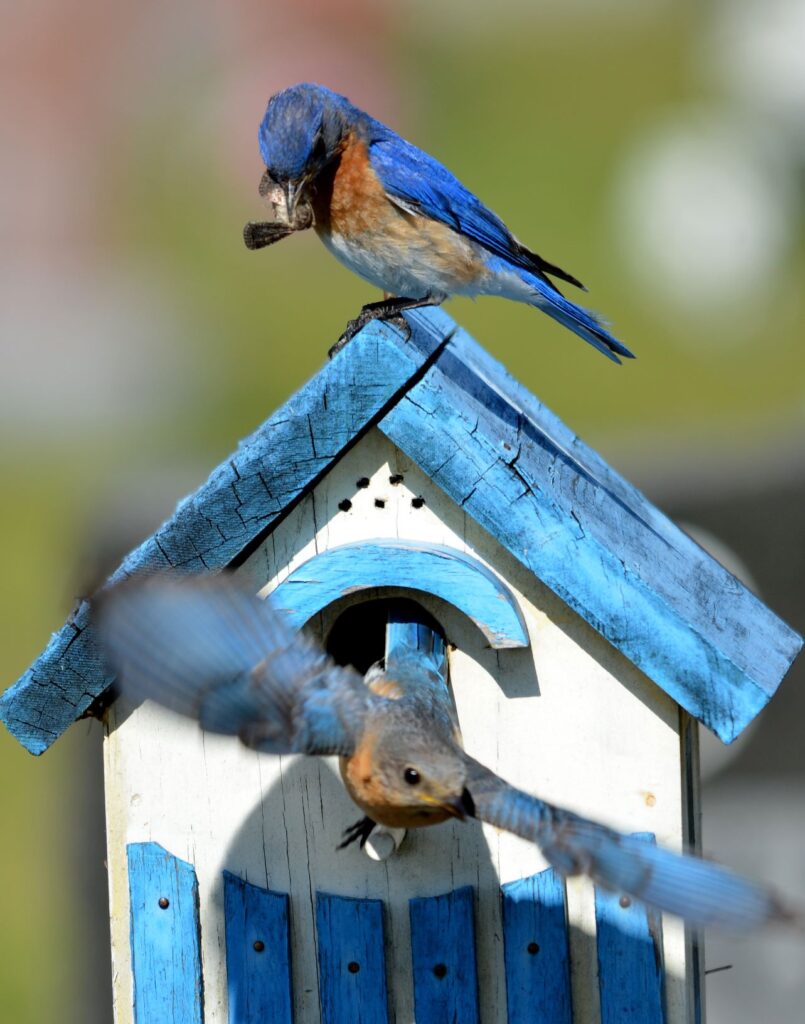
By strategically choosing colors and finishes based on avian vision, brands can create products that are not just aesthetically pleasing to human buyers but genuinely more effective and engaging for their ultimate avian “users.” This creates a strong value proposition and can become a significant competitive advantage.
Branding with Feathers: Marketing and Corporate Identity Inspired by Avian Preferences
The principles of avian color preference extend beyond direct product design into broader marketing strategies and corporate identity. Brands that authentically connect with nature or aim to position themselves as eco-conscious can draw significant inspiration.
- Evoking Nature and Authenticity: For brands focused on sustainability, outdoor living, or conservation, incorporating colors and patterns inspired by natural avian displays can reinforce their core message. This isn’t about simply copying bird colors but understanding the principles behind their visual language. For example, a brand logo or website design that subtly employs UV-like patterns (even if invisible to humans, the concept can be communicated) or leverages high-contrast natural hues can create a sense of deep connection to the natural world.
- Targeting the Bird Enthusiast Market: The birdwatching and bird-feeding market is substantial and passionate. Marketing campaigns for products in this niche can benefit from creative imagery that hints at the avian visual experience. This might involve using specific color combinations known to attract birds, or visual metaphors that reference avian vision. Content marketing can educate consumers about bird vision, subtly positioning the brand as an expert and an advocate for avian welfare.
- Biophilic Design in Corporate Spaces: More corporations are embracing biophilic design—integrating natural elements into workspaces to improve well-being and productivity. Understanding how birds perceive colors can inform the selection of indoor plants, artwork, or even architectural finishes in office environments, creating spaces that feel more harmonious and naturally stimulating. While the primary beneficiary here is human, the authenticity derived from understanding deeper natural principles adds significant brand value.
- Storytelling and Brand Narrative: The science behind avian color perception offers rich material for brand storytelling. A brand can weave narratives around how their products are designed with birds’ unique vision in mind, highlighting their commitment to genuine avian engagement and well-being. This can build trust and foster a strong emotional connection with consumers who value environmental stewardship and scientific accuracy.
Case in Point: Applying Avian Color Strategy in Practice
Consider a brand developing a new line of bird-friendly gardening products. Instead of just offering generic green packaging, they could integrate a specific shade of yellow or red known to attract pollinators, subtly signaling the product’s effectiveness. Their brand logo might feature a stylized flower with a subtle, almost imperceptible UV-like pattern element, visually communicating their commitment to a deeper, nature-informed design.
Another example is a brand manufacturing window safety decals. Instead of opaque designs that block light, they could research and develop decals that are transparent to human eyes but highly reflective in the UV spectrum, appearing as strong visual warnings to birds. This innovative product leverages avian vision directly, solving a significant problem (bird collisions) while maintaining aesthetic appeal for humans, creating a powerful brand story of thoughtful innovation and ecological responsibility.
These applications demonstrate how delving into avian color preferences is not just about aesthetics; it’s about strategic differentiation, innovative problem-solving, and building a brand narrative rooted in genuine understanding and respect for the natural world.
Ethical Design and Conservation: A Responsible Approach to Color
Finally, incorporating avian color preferences into brand strategy comes with an ethical responsibility. While attracting birds to feeders or gardens can be beneficial, brands must also consider potential negative impacts. For example, using highly attractive colors near hazardous areas or creating products that encourage unnatural dependencies could be detrimental.
Brands committed to true stewardship will integrate conservation principles into their design thinking. This means using color strategically to guide birds safely, provide genuine ecological benefit, and avoid inadvertently drawing them into danger. Responsible design extends to minimizing environmental impact through sustainable materials and production processes. By approaching avian-informed design with a conscious ethical framework, brands can not only enhance their market position but also contribute positively to avian welfare and broader ecological health, solidifying their reputation as responsible and insightful leaders.
aViewFromTheCave is a participant in the Amazon Services LLC Associates Program, an affiliate advertising program designed to provide a means for sites to earn advertising fees by advertising and linking to Amazon.com. Amazon, the Amazon logo, AmazonSupply, and the AmazonSupply logo are trademarks of Amazon.com, Inc. or its affiliates. As an Amazon Associate we earn affiliate commissions from qualifying purchases.