
In the intricate tapestry of modern technology, where every device from a smartphone charger to a data center server relies on a stable power supply, understanding the fundamental principles of electrical wiring is paramount. Among these, the concept of grounding stands as a silent guardian, crucial for operational integrity, data security, and, most importantly, user safety. While often overlooked by the casual user, identifying the ground wire—typically by its color—is a critical piece of knowledge for anyone involved in setting up, maintaining, or troubleshooting tech infrastructure.
The Universal Importance of Grounding in Tech Infrastructure
Grounding is not merely an electrical convention; it’s a foundational safety and performance mechanism in almost every electrical system, especially those powering sensitive electronic equipment. For tech professionals, IT managers, and even advanced home users setting up complex smart home systems, a proper understanding of grounding is indispensable. It serves as a direct, low-resistance path to the earth, offering a critical safety net against electrical faults and a stable reference point for electrical circuits.
Protecting Sensitive Electronics
Modern electronics, from microprocessors to data storage devices, are incredibly sensitive to voltage fluctuations and stray currents. Without proper grounding, these devices are susceptible to damage from several sources. Transient overvoltages, often caused by lightning strikes or switching of heavy inductive loads within the power grid, can send destructive energy through ungrounded systems. A correctly installed ground wire diverts this excess energy away from the delicate internal components of computers, servers, networking gear, and other high-tech gadgets, channeling it safely into the earth. This protection extends the lifespan of expensive equipment and prevents costly data loss or system failures.
Ensuring User and Data Safety
Beyond equipment protection, grounding is a primary defense against electric shock. Should an electrical fault occur within a device—for example, if a live wire accidentally touches the metal casing of a computer—a ground wire provides an immediate path for the fault current. This rapid discharge trips circuit breakers or fuses, cutting off power and preventing the device’s exterior from becoming energized. For users interacting with these devices, this means the difference between a minor inconvenience and a potentially fatal electrical shock. From a data security perspective, proper grounding also helps minimize electromagnetic interference (EMI) and radio-frequency interference (RFI), which can corrupt data signals, degrade network performance, and even create vulnerabilities in secure communications.
Decoding Ground Wire Colors: A Global Perspective
While the function of a ground wire remains consistent globally, the conventions for its identification through color coding can vary significantly by region and application. This necessitates a careful approach, as misidentifying wires can lead to hazardous situations or system malfunctions.
North American Standards (NEC)
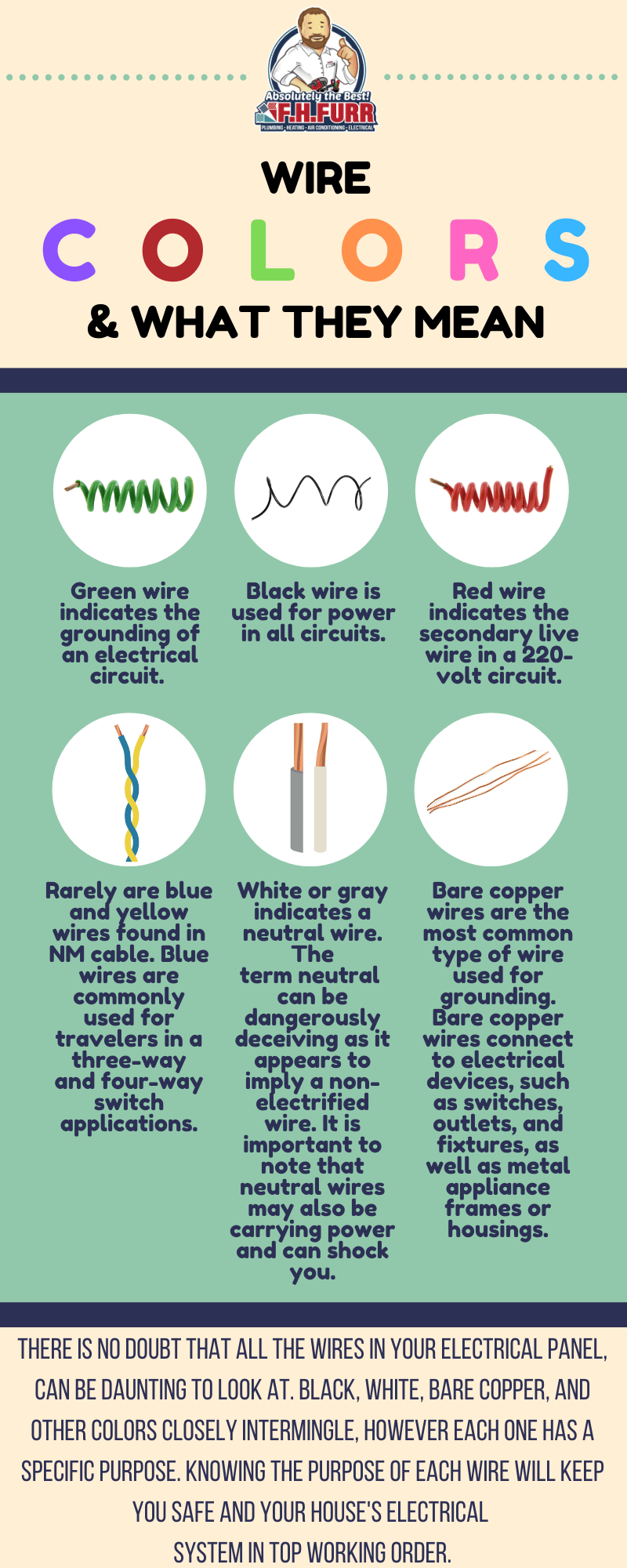
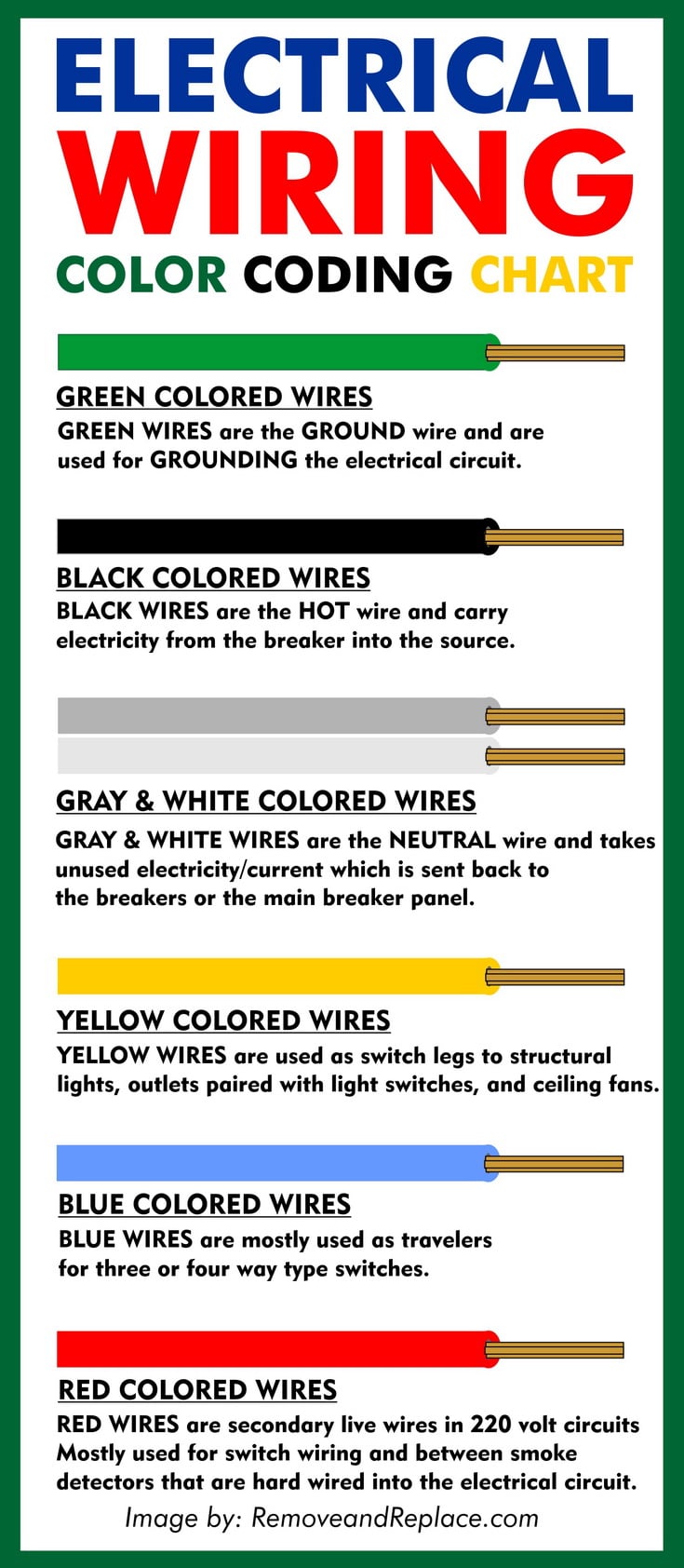
In North America, governed by the National Electrical Code (NEC), the standard color for a grounding conductor (often called the equipment grounding conductor) is bare copper, green, or green with a yellow stripe.
- Bare Copper: This is the most common and easily recognizable ground wire in many residential and commercial installations. It’s an uninsulated wire, revealing its metallic nature.
- Green: Solid green insulation is also widely used for ground wires, providing clear visual identification, especially in smaller gauges or within multi-conductor cables where bare copper might be less practical or desirable.
- Green with Yellow Stripe: Less common but equally valid, this combination also signifies a ground wire, usually seen in specific applications or cables.
These colors are specifically reserved for grounding to prevent confusion with other conductors such as hot (live) wires (typically black, red, blue, or other colors depending on voltage and phase) and neutral wires (typically white or gray).
International Variations (IEC and Country-Specific)
Outside of North America, particularly in regions following the International Electrotechnical Commission (IEC) standards, the color conventions differ. The most common color for the protective earth (ground) conductor is green and yellow striped.
- Green and Yellow Striped: This distinctive combination is almost universally recognized as the protective earth wire in Europe, the UK, Australia, New Zealand, and many parts of Asia and Africa. The alternating stripes provide high visibility and reduce the chance of misidentification.
It’s crucial for professionals working with international equipment or installations to be aware of these differences. Importing a device from a region with different wiring standards requires careful verification and, often, adaptation by a qualified electrician to ensure compatibility and safety with local electrical infrastructure.
Differentiating AC and DC Grounding
While the most common context for ground wire colors relates to AC (Alternating Current) mains wiring, grounding principles also apply to DC (Direct Current) systems, though the color codes can be less standardized. In DC low-voltage applications (e.g., within computer power supplies, automotive systems, or solar installations), the negative return wire is often referred to as “ground” or “common.”
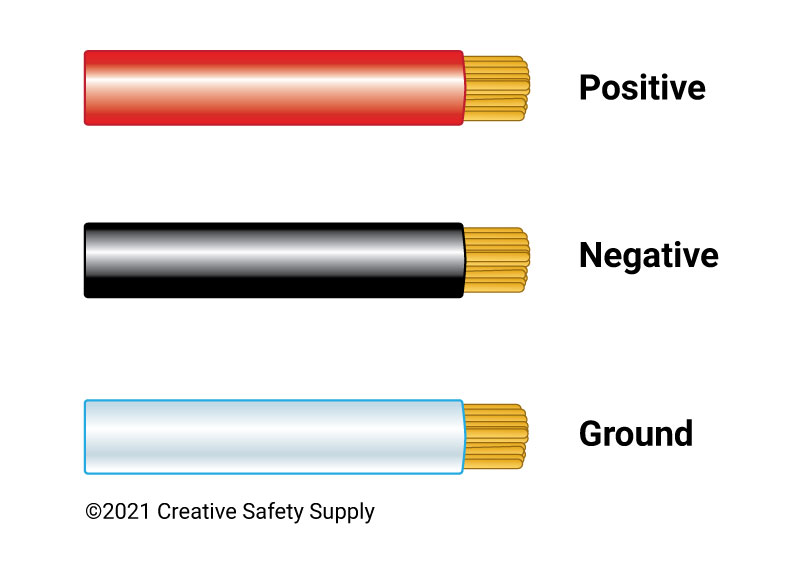
- In many DC electronic circuits, the black wire commonly represents the negative (ground) return, while red is positive. However, this is largely an internal circuit convention and not a protective earth grounding standard in the same sense as AC wiring.
- For DC power distribution from sources like solar panels or batteries, specific grounding practices are still vital for safety and surge protection, but the color coding for the primary protective earth connection will typically follow the AC standards of the region where the system is installed.
Beyond Color: Verifying Grounding for Digital Environments
While color provides an initial guide, relying solely on visual cues can be risky, especially in older installations or those where previous work might not have adhered to current codes. For mission-critical tech environments or home setups involving significant investment, verification is key.
Tools for Verification
Several tools can help confirm proper grounding:
- Outlet Tester: This simple, inexpensive device plugs into a standard electrical outlet and uses indicator lights to show if the outlet is correctly wired, including whether it’s grounded. It’s a fundamental tool for IT technicians deploying equipment in various locations.
- Multimeter/Voltmeter: A multimeter can be used to measure voltage between different points. By measuring the voltage between a known hot wire and the ground, and between neutral and ground, one can infer the integrity of the ground connection. For a properly grounded circuit, the voltage between neutral and ground should ideally be very close to zero.
- Dedicated Ground Loop Testers: More advanced tools exist for diagnosing complex grounding issues, especially in audio/video setups or networking environments where ground loops can cause hums or data errors.
Common Grounding Issues and Their Tech Implications
- Open Ground: The most dangerous scenario, where the ground wire is broken or disconnected. Devices might still function, but the safety net is gone, exposing users and equipment to shock hazards and surge damage.
- Reverse Polarity: Hot and neutral wires are swapped. While not a direct grounding issue, it can affect how some devices operate and can be detected by outlet testers.
- Ground Loops: Occur when electronic equipment is connected to ground via multiple paths, creating unwanted current flows that can induce noise (e.g., hum in audio, visual artifacts, data corruption) into sensitive signals. This is a common challenge in complex AV setups and server rooms.
- Improper Grounding Electrode: The physical connection to the earth (e.g., a ground rod or water pipe connection) might be compromised, degrading the effectiveness of the entire grounding system.
These issues can lead to unpredictable tech performance, system instability, data loss, and increased risk of equipment failure or personal injury.
Best Practices for Tech Installations
For any tech installation, whether a home office or a corporate data center, adherence to grounding best practices is non-negotiable:
- Verify Outlets: Always test outlets before plugging in new equipment, especially expensive or critical devices.
- Use Surge Protectors with Grounding: Ensure surge protectors are plugged into properly grounded outlets. High-quality surge protectors often include indicators for grounding status.
- Dedicated Circuits for High-Load Equipment: Server racks, large workstations, and specialized lab equipment often benefit from dedicated circuits with robust grounding to prevent interference and ensure stable power delivery.
- Proper Cable Management: Use shielded cables for data and audio where necessary, and ensure cable runs don’t create opportunities for ground loops.
- Consult Professionals: For any wiring modifications, new circuit installations, or complex grounding diagnostics, always engage a licensed electrician who understands local codes and best practices.
The Critical Role of Grounding in Digital Security
In an increasingly interconnected world, digital security extends beyond software firewalls and encryption. The physical infrastructure, including electrical grounding, plays a subtle yet critical role in protecting sensitive information and maintaining system resilience against various threats.
Mitigating Electromagnetic Interference (EMI)
Electromagnetic Interference (EMI) is stray electrical noise that can disrupt electronic circuits and corrupt data signals. Sources of EMI include motors, fluorescent lights, radio transmitters, and even other nearby electronic devices. Proper grounding, particularly through shielded cables and a well-designed grounding grid in facilities, provides a path for these interference currents to safely dissipate to the earth rather than being absorbed by data lines or processing units. This ensures the integrity of network communications, prevents data errors, and enhances the reliability of sensitive data processing.
Safeguarding Against Power Surges
Power surges, whether from lightning strikes, utility grid fluctuations, or internal electrical faults, can deliver massive amounts of energy in milliseconds. These surges can bypass software protections and fry delicate silicon chips, leading to immediate system failure, data corruption, and potentially irretrievable loss of critical information. A robust grounding system, coupled with surge protection devices (SPDs), acts as the primary defense. The grounding conductor provides the low-impedance path that SPDs need to divert excess surge current away from sensitive electronics, channeling it safely to the earth and preserving the operational continuity of digital systems. This physical layer of defense is indispensable for data centers, financial institutions, and any organization reliant on continuous digital operations.
Maintaining System Stability
Beyond immediate damage, poor grounding can lead to subtle but persistent issues that compromise system stability and security. Intermittent glitches, unexplained crashes, and random data corruption can often be traced back to an unstable electrical reference caused by inadequate grounding. In secure environments, where every bit of data and every transaction matters, such instability can have severe consequences, ranging from operational downtime to undetected data manipulation. A stable, low-impedance ground reference ensures that all components within a digital system operate at a consistent electrical potential, minimizing noise, preventing inadvertent signal interference, and fostering the reliable, predictable performance essential for robust digital security.
Practical Steps for Safe Ground Wire Handling
Understanding ground wire colors and their importance is a step towards safer and more reliable tech operations. However, direct interaction with electrical wiring always carries risks.
Always Prioritize Safety
- De-energize Circuits: Before attempting any work involving electrical wiring, always ensure the power to the circuit is completely turned off at the breaker panel. Verify with a non-contact voltage tester.
- Isolate Power: Place a “DO NOT OPERATE” tag on the breaker and, if possible, lock it out to prevent accidental re-energization.
- Use Insulated Tools: Always use tools with insulated handles to minimize the risk of shock.
- Never Work Alone: If possible, have someone nearby who can assist in case of an emergency.
- Wear Appropriate PPE: Safety glasses and insulated gloves are recommended for electrical work.
When to Call a Professional
While basic troubleshooting and understanding are valuable, complex electrical work, especially involving mains voltage, should always be handled by a qualified, licensed electrician. This includes:
- Installing new circuits or outlets.
- Replacing faulty wiring.
- Diagnosing persistent grounding issues that an outlet tester can’t resolve.
- Any situation where you are unsure of the correct procedure or feel uncomfortable working with electricity.
Proper grounding is not an option but a necessity in the modern tech landscape. By understanding what color wire is ground wire and appreciating its profound impact on safety, performance, and digital security, individuals and organizations can build more resilient and reliable technological environments.
aViewFromTheCave is a participant in the Amazon Services LLC Associates Program, an affiliate advertising program designed to provide a means for sites to earn advertising fees by advertising and linking to Amazon.com. Amazon, the Amazon logo, AmazonSupply, and the AmazonSupply logo are trademarks of Amazon.com, Inc. or its affiliates. As an Amazon Associate we earn affiliate commissions from qualifying purchases.