
The navy suit stands as a cornerstone of professional attire, a versatile garment capable of conveying authority, trustworthiness, and sophisticated taste. However, its true power in shaping one’s personal brand lies in the strategic selection of the accompanying shirt. Far from being a mere backdrop, the shirt color acts as a crucial branding element, subtly communicating aspects of your professional identity, intentions, and even your industry alignment. Understanding this dynamic is not just about fashion; it’s about mastering the visual cues that underpin effective personal and corporate branding.

The Strategic Impact of Attire on Personal Branding
Every interaction is an opportunity to reinforce your brand. Your choice of attire, especially in formal or semi-formal settings, is a potent non-verbal statement that precedes your words and influences perception. When wearing a navy suit, the shirt color is paramount in defining the specific message you wish to broadcast.
First Impressions as Brand Touchpoints
In the realm of branding, every encounter with your audience is a touchpoint. For an individual, their appearance is often the very first touchpoint, forming an instantaneous impression that can either align with or contradict their desired professional image. A carefully chosen shirt color with a navy suit can instantly project competence, approachability, or innovation, setting a positive foundation for subsequent interactions. Conversely, a mismatch or an unconsidered choice can inadvertently dilute or misrepresent your personal brand, creating friction where seamless integration is desired. Brands thrive on consistency and clarity, and your visual presentation is a critical element of this.
Non-Verbal Communication of Professionalism
Beyond initial impressions, attire consistently communicates your level of professionalism and attention to detail—qualities intrinsically linked to a strong personal brand. A well-coordinated shirt and suit combination signals meticulousness and respect for the environment and the individuals you interact with. This non-verbal communication is particularly vital in corporate settings, client meetings, or public-facing roles where your appearance reflects not only on you but potentially on the organization you represent. The subtlety of shirt color can underscore your commitment to excellence, an essential attribute for any reputable brand.
Aligning Dress with Your Professional Narrative
Your personal brand is a narrative—a story about who you are professionally, what you stand for, and the value you deliver. The colors you choose for your shirt can subtly align with and enhance this narrative. Are you aiming to be perceived as a trustworthy advisor, a creative visionary, or a meticulous analyst? Different colors carry distinct psychological associations that can be leveraged to fortify your desired brand message. This strategic alignment ensures that your visual presence is an active participant in building and maintaining your professional story, rather than a passive or incongruent element.
Classic Shirt Pairings for the Navy Suit: Branding Essentials
Certain shirt colors have earned their classic status for a reason: they consistently deliver strong, positive brand messages when paired with a navy suit. These are the foundational choices for any professional’s wardrobe.
The Enduring Power of White: Purity and Authority
A crisp white dress shirt with a navy suit is the quintessential power pairing, a timeless combination that projects an image of unwavering professionalism, integrity, and authority. In branding terms, white symbolizes purity, transparency, and new beginnings. When worn in a professional context, it conveys a sense of seriousness, clarity of thought, and an undeniable commitment to quality. For individuals aiming to establish a brand of unwavering reliability and high standards, the white shirt is an indispensable tool. It minimizes distraction, allowing your words and actions to take center stage, while subtly reinforcing your gravitas. This choice is universally appropriate for high-stakes meetings, formal presentations, and traditional corporate environments where a strong, unassailable brand presence is paramount.
The Versatility of Light Blue: Approachability and Trust
The light blue shirt, particularly in shades like sky blue or powder blue, offers a softer alternative to white while retaining significant professional gravitas. Psychologically, blue is associated with trust, loyalty, and calmness. When paired with a navy suit, a light blue shirt creates an approachable yet authoritative brand image. It suggests competence without appearing overly stern, making it ideal for roles that require a balance of expertise and rapport-building—such as client relations, consulting, or leadership positions that emphasize collaboration. This combination implies a confident yet agreeable personal brand, fostering an environment of trust and open communication. It’s a versatile choice that can transition seamlessly from formal boardrooms to more relaxed networking events, consistently communicating a brand that is both reliable and engaging.
Subtle Stripes and Checks: Adding Depth and Sophistication
For a personal brand that seeks to convey nuance and subtle sophistication without sacrificing professionalism, shirts with subtle patterns are an excellent choice. Fine pinstripes, hairline stripes, or discreet gingham checks in colors like white, light blue, or even a very faint pink against a white background can add depth and personality. These patterns suggest an eye for detail and a sophisticated understanding of style, subtly differentiating your brand from the purely conventional. The key is subtlety; the pattern should be noticeable upon closer inspection but not visually overwhelming. This approach allows your personal brand to communicate a layered sense of character and refined taste, signaling creativity within a structured framework. It’s perfect for professionals in fields like marketing, design, or higher education where a touch of individuality can enhance perceived expertise and approachability.
Beyond the Basics: Advanced Color Psychology for Brand Messaging
Once the foundational pairings are mastered, exploring a broader palette allows for more specific and nuanced brand messaging, leveraging color psychology to its fullest.
The Confidence of Pink: Modernity and Approachability
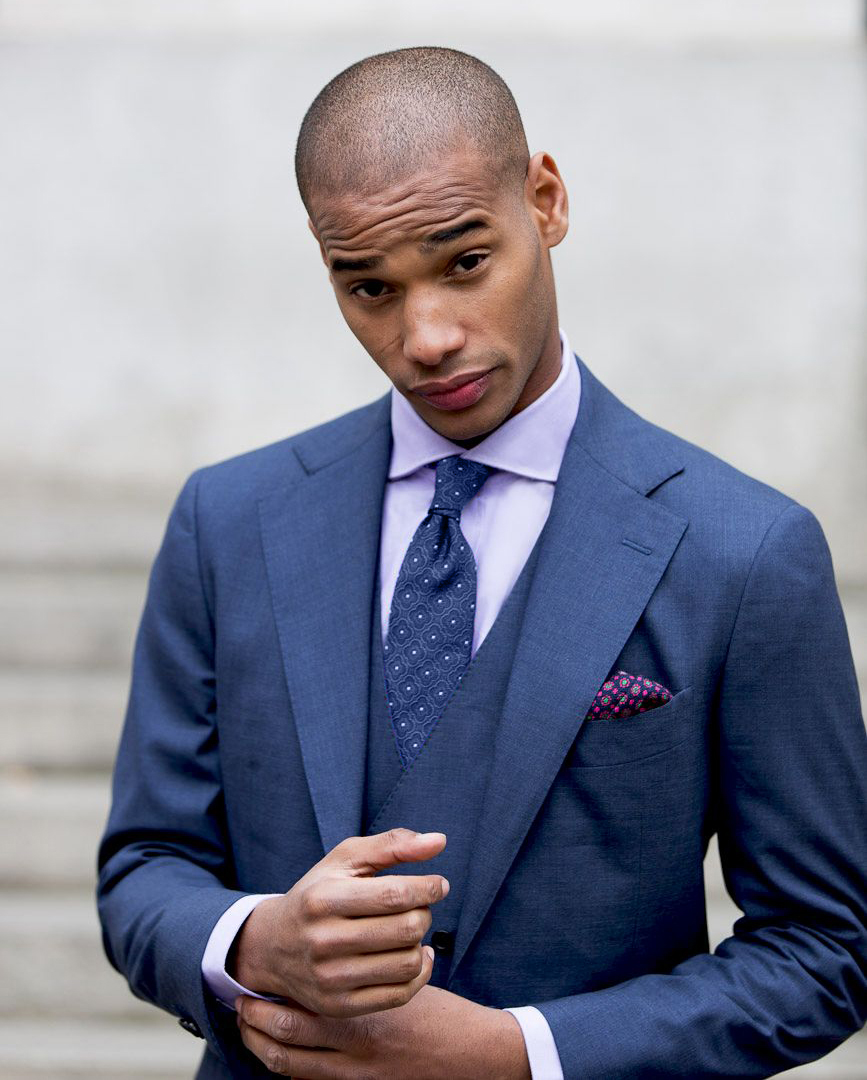
A light pink dress shirt, particularly in a pastel or blush tone, can be a surprisingly effective branding tool when worn with a navy suit. Historically associated with softer attributes, pink in a professional context now often signals confidence, modernity, and a forward-thinking approach. It projects an approachable yet assertive personal brand, suggesting creativity and a willingness to break from strict tradition without being unprofessional. This choice can soften the formality of the navy suit, making the wearer seem more personable and innovative. It’s particularly effective in creative industries, tech, or environments where standing out thoughtfully can enhance one’s brand as a visionary or a charismatic leader. The key is to ensure the pink is muted and sophisticated, avoiding overly vibrant or saccharine shades.
The Understated Elegance of Gray: Seriousness and Nuance
A light gray dress shirt with a navy suit offers an alternative to the traditional blue and white, projecting an image of understated elegance, seriousness, and intellectual depth. Gray is a neutral color that signifies balance, composure, and a meticulous, analytical mind. When paired with navy, it creates a subtle contrast that conveys sophistication and a certain gravitas, often associated with strategic thinkers and problem-solvers. This combination speaks to a personal brand that values precision, calm authority, and refined taste. It’s an excellent choice for legal professionals, financial analysts, or academics who wish to communicate a cerebral and composed brand identity, suggesting a measured and considered approach to their work.
Deeper Hues for Specific Brand Statements: Power and Creativity
For those looking to make a more distinct brand statement, certain deeper hues can be incorporated with care. A deep burgundy or a rich forest green shirt, for instance, can be paired with a navy suit to convey attributes of power, ambition, and unique creativity.
- Burgundy: This color often signals ambition, sophistication, and a touch of luxury. It suggests a bold personal brand that isn’t afraid to take calculated risks and stands out from the conventional. It’s best suited for industries where a strong, confident presence is valued, such as executive leadership, high-end sales, or entrepreneurship.
- Forest Green: A dark green shirt can project an image of growth, stability, and originality. It speaks to a personal brand that is grounded, innovative, and possesses a unique perspective. This can be effective in fields related to sustainability, design, or any area where a fresh, thoughtful approach is part of the brand’s core message.
These deeper colors require confidence and an understanding of the specific context, as they are less universally accepted than the classics. They are powerful tools for a personal brand that aims to be memorable and distinctive, but should be used strategically to ensure they align perfectly with the desired message and audience expectations.
Contextual Branding: Tailoring Your Shirt Choice to the Occasion
The most effective personal branding is always contextual. Your shirt choice with a navy suit should be adapted to the specific occasion and the audience you aim to influence.
Formal Business Environments: Reinforcing Corporate Identity
In highly formal business settings—think board meetings, investor presentations, or client pitches for established corporations—the objective is often to reinforce reliability, authority, and adherence to professional standards. Here, the safest and most effective branding choices are white or light blue shirts. These colors communicate a consistent corporate identity and a personal brand that aligns with tradition, stability, and serious intent. They minimize visual noise, allowing the focus to remain on your message and expertise, bolstering trust and credibility in a high-stakes environment.
Creative Industries and Networking: Projecting Individuality
In more dynamic or creative industries, or during networking events where a softer brand approach is beneficial, there’s room to express more individuality. This is where subtle patterns, light pinks, or even thoughtful deeper hues can shine. The goal is to project a personal brand that is approachable, innovative, and memorable, without compromising professionalism. A strategically chosen shirt color can help you stand out in a sea of similar suits, signaling creativity and a unique perspective, thereby enhancing your brand’s distinctiveness and appeal to a diverse audience.
Public Speaking and Presentations: Commanding Attention
When speaking publicly, your visual presentation plays a significant role in commanding attention and conveying confidence. A crisp white shirt ensures a strong, authoritative brand presence, while a well-chosen light blue can make you seem more engaging and approachable. For a more assertive brand statement, a deep burgundy or even a subtle patterned shirt can add dynamism. The key is to choose a color that supports your oratorical style and the message you want to impart, ensuring your personal brand resonates powerfully with your audience and amplifies your credibility as a speaker.
Crafting a Cohesive Visual Brand Identity
Beyond individual shirt choices, the overall presentation contributes to a cohesive visual brand identity, reinforcing your professionalism and attention to detail.
Accessorizing as an Extension of Your Brand
Accessories such as ties, pocket squares, watches, and even cufflinks are not mere additions; they are extensions of your personal brand. They provide opportunities to introduce accent colors, textures, and patterns that further articulate your style and professional persona. When paired with a navy suit and a carefully selected shirt, accessories can subtly enhance the overall brand message, adding layers of sophistication, creativity, or gravitas. For instance, a power tie with a white shirt solidifies authority, while a textured pocket square with a pink shirt might signal creative flair. Each accessory choice should be deliberate, reinforcing the overarching brand narrative.
Fit and Fabric: The Unspoken Pillars of Polish
The finest shirt color choice can be undermined by poor fit or cheap fabric. A well-fitting shirt, tailored to your physique, communicates professionalism, attention to detail, and respect for oneself. High-quality fabrics like Egyptian cotton or a fine twill drape better and convey a sense of luxury and discernment, qualities that elevate any personal brand. These unspoken elements of polish are critical; they signify a commitment to excellence that extends beyond mere color, impacting how your brand is perceived in terms of quality and reliability. A truly strong brand pays attention to every detail, from the broadest strokes to the finest threads.

Consistency and Authenticity: The Core of Sustainable Branding
Ultimately, the most powerful personal brands are built on consistency and authenticity. While strategic color choices can certainly enhance your image, they must align with your true personality, values, and professional capabilities. Inconsistency in presentation or a perceived inauthenticity will quickly erode trust and damage your brand. The navy suit, paired with thoughtfully chosen shirts, provides a versatile canvas for expressing a consistent and authentic professional identity. By understanding the branding implications of each color, you can intentionally curate a visual presence that reliably communicates your value, reinforces your expertise, and ultimately builds a stronger, more enduring personal brand.
aViewFromTheCave is a participant in the Amazon Services LLC Associates Program, an affiliate advertising program designed to provide a means for sites to earn advertising fees by advertising and linking to Amazon.com. Amazon, the Amazon logo, AmazonSupply, and the AmazonSupply logo are trademarks of Amazon.com, Inc. or its affiliates. As an Amazon Associate we earn affiliate commissions from qualifying purchases.