
A grey suit stands as a cornerstone in any professional wardrobe, not merely for its aesthetic appeal but for its immense versatility as a canvas for personal branding. In the realm of corporate identity and individual professional presence, every sartorial choice communicates. The color of the shirt you pair with a grey suit isn’t just a matter of taste; it’s a strategic decision that broadcasts elements of your personal brand—whether it’s authority, creativity, approachability, or meticulous attention to detail. Understanding the subtle psychology behind each choice allows you to curate an image that aligns perfectly with your professional objectives and the brand you wish to project.
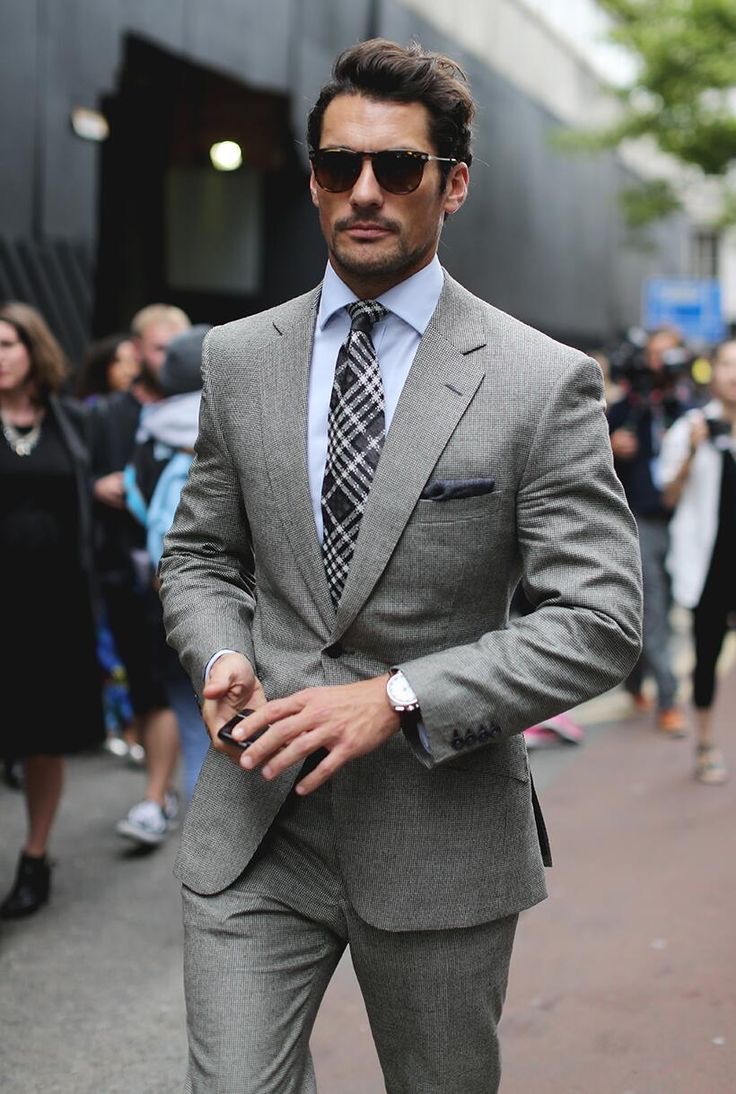
The Grey Suit: A Canvas for Your Personal Brand
The grey suit’s power lies in its neutrality. Unlike the stark formality of black or the established authority of navy, grey offers a spectrum of possibilities that can be leveraged to craft diverse brand statements. From the gravitas of charcoal to the approachable lightness of a dove grey, each shade carries its own inherent implications for how your brand is perceived. It’s a foundational piece that allows for dynamic shifts in presentation, adapting effortlessly from a high-stakes boardroom pitch to a more relaxed networking event. This adaptability makes it an invaluable asset for professionals navigating varied corporate landscapes.
The Psychology of Grey in Professional Branding
Grey, as a color, is often associated with balance, intellect, and timelessness. In a professional context, a grey suit inherently communicates reliability and sophistication. Darker shades like charcoal suggest seriousness, authority, and experience, ideal for roles requiring gravitas and unwavering confidence. Lighter greys, conversely, project approachability, modernity, and innovation, making them suitable for creative industries or environments where fostering open dialogue is key. By selecting the right shade of grey, you’re not just choosing an outfit; you’re setting the stage for your brand’s narrative. This careful consideration of hue contributes significantly to the non-verbal communication of your personal brand identity.
Adapting to Context: From Boardroom to Networking Event
The strategic choice of a grey suit allows for significant flexibility depending on the professional context. For a formal corporate setting, such as an annual general meeting or a significant client presentation, a darker grey suit paired with a crisp, classic shirt color reinforces a brand image of unwavering professionalism and steadfastness. In contrast, for a creative industry conference or a casual professional lunch, a lighter grey suit can be paired with a shirt that injects more personality, signaling an innovative or approachable brand without sacrificing polish. The adaptability of grey means that with careful shirt selection, your single suit can serve multiple branding purposes, ensuring consistency while allowing for contextual nuance in your professional presentation.
Classic Choices: Reinforcing Authority and Trust
Certain shirt colors have stood the test of time when paired with a grey suit, not by accident, but because of their proven ability to project core professional brand attributes like authority, trustworthiness, and meticulousness. These are the go-to choices for individuals whose personal brand demands an unassailable image of competence and reliability.
White: The Unassailable Foundation of Professionalism
The crisp white shirt is the quintessential partner for a grey suit. This combination is the gold standard for projecting an image of absolute professionalism, precision, and unwavering authority. It communicates cleanliness, clarity, and an attention to detail that is paramount in fields where trust and exactitude are non-negotiable. For high-stakes meetings, formal presentations, or any situation where your brand must convey supreme confidence and integrity, a white shirt with a grey suit is an unmatched choice. It establishes a powerful, no-nonsense brand identity, ensuring you are perceived as competent and in control. This pairing is foundational for building a strong, credible corporate identity.
Light Blue: Building Rapport and Credibility
A light blue shirt offers a subtly different but equally powerful branding message when paired with a grey suit. While still conveying professionalism, light blue introduces an element of approachability and sincerity. It suggests intelligence, reliability, and a calm demeanor, making it an excellent choice for client-facing roles where building rapport and fostering trust are as important as demonstrating expertise. The light blue shirt softens the edge of a formal suit, creating a brand presence that is authoritative yet inviting. This combination is ideal for daily office wear, networking events, or any scenario where you want to project a balanced brand image that is both commanding and empathetic.
Subtle Pink: A Touch of Confidence and Modernity
A well-chosen, subtle pink shirt with a grey suit can make a distinctive and confident brand statement. Far from being effeminate, a soft pastel pink communicates a forward-thinking attitude, a confident embrace of personal style, and a touch of modern creativity. It suggests an individual who is secure in their professional identity, unafraid to stand out gracefully. This choice is particularly effective in industries where innovation and a nuanced understanding of market trends are valued. It positions your personal brand as sophisticated, contemporary, and subtly charismatic, distinguishing you from the conventional without appearing audacious.

Strategic Choices: Projecting Specific Brand Attributes
Beyond the classics, there are shirt color choices that allow for a more deliberate and nuanced projection of specific brand attributes, catering to diverse professional environments and personal branding goals. These selections enable you to fine-tune your image to align with particular industry expectations or to highlight unique aspects of your professional identity.
Patterns: Adding Depth and Distinction to Your Image
Incorporating patterned shirts, such as subtle stripes, checks, or micro-patterns, adds an engaging layer of depth and distinction to your personal brand. This isn’t about being loud; it’s about intelligent detailing. A finely pinstriped shirt under a grey suit can communicate precision, order, and a classic business acumen, ideal for traditional industries where meticulousness is prized. A subtle check or gingham pattern, on the other hand, can suggest a more dynamic, approachable, and creative brand without sacrificing professionalism. The key is subtlety: the pattern should enhance, not overpower, the overall professional ensemble, offering a sophisticated visual interest that speaks to an individual who pays attention to nuance and detail in their presentation.
Rich Tones: Signifying Sophistication and Creative Edge
Venturing into richer, darker hues like navy, deep purple, or burgundy can profoundly impact the brand message conveyed by a grey suit. These colors typically signify depth, sophistication, and a more pronounced creative edge. A deep navy shirt can offer an alternative to traditional blue, providing a sense of gravitas and stability with a modern twist. Deep purple or burgundy, while bolder, can communicate a strong sense of individuality, creativity, and luxurious sophistication, making them excellent choices for evening professional events, creative industries, or roles where a more artistic yet polished brand identity is beneficial. Such choices demonstrate a confident command of style and a willingness to step beyond the purely conventional, subtly indicating a brand that is both established and innovative.
Black: The Statement of Modern Elegance
Pairing a black shirt with a grey suit is a bold and distinctly modern choice that conveys a sleek, sophisticated, and often edgy brand identity. This combination moves away from traditional corporate formality and leans into a more contemporary, fashion-forward aesthetic. It can project a powerful image of confidence, mystery, and refined elegance, particularly effective for evening professional functions, galas, or within industries where a sharp, design-conscious brand is appreciated. However, discretion is advised: a black shirt can sometimes appear too stark or even informal in certain daytime corporate settings. To mitigate this and elevate the look, ensure the grey suit is a lighter shade, creating a dynamic contrast, and accessorize thoughtfully to maintain a professional rather than casual perception.
Beyond Color: Fabric, Fit, and Context for Optimal Branding
While shirt color is a powerful determinant of your personal brand message, its effectiveness is amplified exponentially when considered alongside the quality of the fabric, the precision of the fit, and the specific professional context. These elements collectively refine and reinforce the brand image you project.
The Trifecta: Quality, Fit, and Context in Brand Projection
The perceived value of your personal brand is inextricably linked to the quality of your attire. A shirt made from premium cotton or a fine linen blend, even in a classic color, elevates your entire presentation, signaling attention to detail and an appreciation for excellence. Conversely, a poorly manufactured or faded shirt can diminish even the most thoughtfully chosen color.
Equally critical is the fit. A shirt that is too baggy makes one appear dishevelled and unprofessional, suggesting a lack of care. One that is too tight restricts movement and can create an uncomfortable, awkward impression. A well-fitting shirt—one that skims the body without pulling, with sleeves of the correct length and a collar that sits perfectly—is non-negotiable for a polished, authoritative personal brand. It conveys meticulousness, confidence, and a command of one’s professional presence.
Finally, context is king. The very best shirt color and fit can fall flat if it’s inappropriate for the setting. A vibrant patterned shirt might be celebrated in a creative agency but could undermine your credibility in a conservative financial institution. Understanding your audience, the industry norms, and the specific goals of your interaction allows you to make an informed, strategic decision that aligns your sartorial choices with your desired brand perception.

Leveraging Accessories to Refine Your Brand Narrative
Accessories act as powerful exclamation points on your personal brand statement. The tie, pocket square, and even cufflinks can either enhance or detract from the message conveyed by your shirt and suit combination. A strategically chosen tie, perhaps in a complementary color or with a subtle pattern, can pull together the entire ensemble, adding another layer of sophistication and personality. A pocket square can introduce a pop of color or texture, demonstrating flair and an understanding of nuanced style. These small details, when thoughtfully selected, reinforce the impression of a well-curated personal brand—one that is cohesive, intentional, and commands respect. They allow you to add individual touches that speak volumes about your style intelligence and attention to the finer points of professional presentation.
aViewFromTheCave is a participant in the Amazon Services LLC Associates Program, an affiliate advertising program designed to provide a means for sites to earn advertising fees by advertising and linking to Amazon.com. Amazon, the Amazon logo, AmazonSupply, and the AmazonSupply logo are trademarks of Amazon.com, Inc. or its affiliates. As an Amazon Associate we earn affiliate commissions from qualifying purchases.