
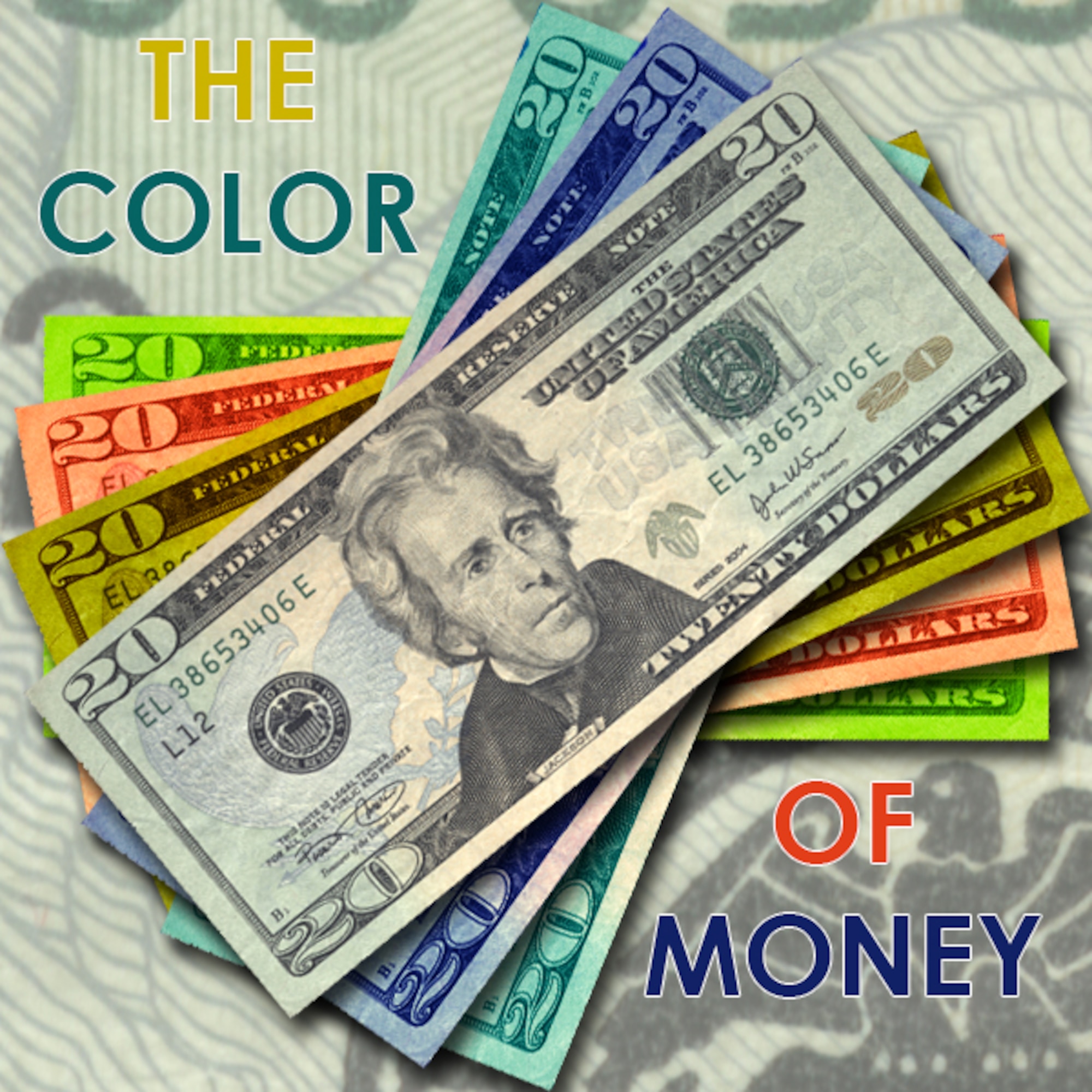
Money, in its purest form, transcends a single hue. While most people instinctively picture the verdant green of the U.S. dollar, the reality of global finance paints a far more diverse and vibrant picture, both literally and metaphorically. Understanding the “color” of money is crucial not just for recognizing different currencies, but for grasping the deeper financial implications, psychological influences, and strategic allocation methods that define our relationship with wealth, debt, and prosperity. From the physical banknotes we hold to the intangible values they represent, money’s true color palette is expansive, reflecting its multifaceted role in our lives and economies.

The Literal Palette of Global Currency
Across continents and cultures, physical money—cash—displays an astonishing array of colors, each meticulously designed not only for aesthetic appeal but also for security, differentiation, and national identity. The notion that money is “green” is largely an American-centric perspective, stemming from the traditional green ink used for U.S. dollar bills since the mid-19th century, chosen initially for its durability and anti-counterfeiting properties.
The Ubiquitous Greenback and Its Global Counterparts
While the U.S. dollar remains a dominant force, influencing global commerce and finance, its monochromatic reputation is increasingly challenged by other nations’ currencies. The Euro, for instance, features a rainbow of colors across its denominations, with each value assigned a distinct primary color—grey for the €5, red for the €10, blue for the €20, orange for the €50, green for the €100, and purple for the €200. This deliberate choice aids in easy identification, especially for individuals with visual impairments, and deters counterfeiting by making it harder to bleach and reprint lower denominations as higher ones. Similarly, the British Pound Sterling, particularly its newer polymer notes, showcases rich blues, purples, oranges, and reds. The Canadian dollar has embraced polymer technology, presenting notes in vibrant purples, greens, blues, and reds. Many Asian currencies, like the Indian Rupee or the Chinese Yuan, also boast diverse color schemes, often incorporating intricate patterns and security features alongside their colorful designs. This global trend towards multi-colored banknotes highlights a practical approach to currency management, moving beyond a single, symbolic color to a functional, secure, and visually distinctive system.
Beyond Paper: Coins and Digital Tones
While banknotes capture much of our attention, coins also contribute to money’s physical palette, albeit in a more subdued fashion. Their colors are typically dictated by the metals used: the coppery hues of pennies, the silvery tones of dimes and quarters, or the golden gleam of certain commemorative coins or higher-value pieces found in other countries. These metallic colors, reflecting underlying material value and historical significance, represent a different aspect of money’s tangible form. Yet, as the world increasingly shifts towards cashless transactions, the “color” of money becomes even more abstract. Digital money—the vast majority of financial transactions today—doesn’t have a physical color. It exists as data, represented on screens by pixels. Here, “color” might refer to the user interface of banking apps, investment platforms, or financial dashboards. Green is often used to denote positive balances, gains, or successful transactions, while red typically signifies losses, debits, or warnings. In this digital realm, color serves as a visual language to interpret complex financial data instantly, guiding user perception and interaction without any physical currency involved.
Metaphorical Hues: Understanding Money’s Emotional and Financial Impact
Beyond the literal shades of banknotes and coins, money takes on powerful metaphorical colors in our financial vernacular. These symbolic hues are deeply ingrained in our language and understanding of wealth, debt, and economic activity, shaping our perceptions and influencing our financial decisions.
Green: Growth, Prosperity, and the American Dollar
The color green is undeniably the most potent symbol for money, largely due to the U.S. dollar’s enduring global presence. It conjures images of growth, fertility, and prosperity, echoing the natural world’s cycles of abundance. In finance, “greenbacks” are synonymous with cash, liquid assets, and accessible funds. We speak of “seeing green” to describe financial success or profit. Green is the color of positive returns on investments, a healthy balance sheet, and a growing portfolio. It represents the potential for expansion, the acquisition of assets, and the overall health of an economy or personal finances. This association fosters a sense of optimism and stability, encouraging investment and economic activity.
Red: Debt, Loss, and Financial Warning Signs
In stark contrast to green, red is almost universally associated with negative financial outcomes. To be “in the red” means to be operating at a loss or to have a negative balance, particularly in business accounting. Red flags warn of financial danger, overspending, or impending insolvency. Stock market crashes are often depicted with a sea of red numbers, signifying widespread losses. This color triggers caution and concern, serving as a critical indicator for individuals and businesses to re-evaluate their spending, manage debt, and mitigate risks. Understanding the implications of “red” in financial reports is crucial for timely intervention and strategic course correction.
Black: Illicit Funds and Opaque Transactions
Black money refers to funds acquired through illegal activities or funds that are not declared to tax authorities. It represents an opaque, untaxed, and often illicit side of the financial world. We talk about “black markets” where goods and services are traded outside legal channels, or “black operations” implying secrecy and illegality. This color signifies the shadow economy, hidden wealth, and activities that operate outside the legitimate financial system. The existence of black money underscores challenges in financial transparency, regulatory oversight, and global efforts to combat crime and corruption.
Gold/Silver: Value, Stability, and Precious Investments

Gold and silver have been symbols of wealth and intrinsic value for millennia, long before fiat currency. Their colors directly represent their status as precious metals, used as stores of value, hedges against inflation, and safe-haven investments. “Golden opportunities” refer to highly profitable ventures, and “silver linings” denote positive aspects in challenging financial situations. These colors evoke a sense of enduring worth, stability, and premium quality in investments. From gold-backed assets to silver bullion, these metals continue to play a significant role in diversified investment portfolios, representing tangible wealth that often retains its value even amidst economic volatility.
Blue: Trust, Stability, and Measured Approach
While less dramatic than green or red, blue holds a significant, albeit subtle, place in financial metaphors. “Blue-chip stocks” refer to shares of large, well-established, and financially sound companies with a long history of consistent earnings and dividends, indicating reliability and stability. Blue is often associated with trust, security, and a conservative, measured approach to finance. Financial institutions often use blue in their branding to project reliability and professionalism. It represents a steady hand in financial management, a long-term perspective, and dependable performance, making it a favored color in the corporate financial world.
The Psychology of Money: Color, Perception, and Financial Behavior
The metaphorical “colors” of money are not merely poetic devices; they exert a profound psychological influence on our financial behavior. Our brains are wired to associate colors with specific emotions and actions, and these associations are powerfully leveraged, both intentionally and unintentionally, in the financial realm.
How Visuals Influence Spending and Saving
Consider how financial apps or dashboards use color. A sudden shift from green to red on an investment portfolio summary immediately triggers a different emotional response and potential action. Green lights in budgeting apps might encourage more spending within a category, while red warnings can prompt immediate cutbacks. Marketing and branding in finance often strategically employ colors to evoke trust (blue), prosperity (green), or urgency (red). A credit card’s aesthetic, its “color,” can subtly influence how freely someone spends. A sleek, black premium card might encourage more audacious spending than a basic, pastel-colored debit card, even if the underlying financial capability is the same. Understanding these subtle visual cues helps individuals become more mindful consumers and investors, less susceptible to unconscious psychological nudges.
Color-Coding Your Financial Life for Clarity
Beyond external influences, individuals can actively use color psychology to improve their personal financial management. Imagine a budgeting system where income streams are green, essential bills are blue, savings goals are gold, and discretionary spending is orange. This visual categorization can make complex financial data more digestible and actionable. It can highlight where money is flowing, identify areas of overspending (red), and motivate progress toward savings (green/gold). This deliberate “color-coding” transforms abstract numbers into tangible, emotionally resonant indicators, making financial planning less daunting and more intuitive. It creates a clearer mental model of one’s financial health, fostering better decision-making and accountability.
Allocating “Colors”: Strategic Money Management
Recognizing the various “colors” of money—its literal forms and its powerful metaphors—is not just an academic exercise. It forms the basis of intelligent and effective money management. Strategic allocation involves not just how much money you have, but also understanding its “color” and purpose within your overall financial plan.
Budgeting with a Color-Coded Mindset
A truly effective budget goes beyond mere numbers; it assigns a purpose and a “color” to every dollar. Think of your income as a stream of green—potential for growth. Then, mentally (or literally, with budgeting apps) assign colors to its various destinations. Your “blue” money covers fixed expenses and essentials, providing stability. Your “gold” money is for long-term savings and investments, building wealth for the future. Your “red” money might be a designated buffer for emergencies, or a category to be minimized (like high-interest debt payments). By consciously categorizing funds, you avoid the trap of all money looking the same. This approach fosters a disciplined yet flexible mindset, allowing you to prioritize spending, allocate resources efficiently, and reduce financial anxiety by providing a clear visual representation of your financial flows.
Investing with Diverse “Color” Portfolios
In the investment world, a “color-coded” portfolio is a diversified one. It doesn’t put all its “green” into high-growth, high-risk stocks (which can quickly turn red). Instead, it blends various “colors” of assets to balance risk and return. This means holding some “blue-chip” stocks for stability, investing in “gold” or “silver” for a hedge against inflation, and perhaps venturing into some “green” emerging markets for growth potential, while consciously avoiding overly “red” speculative investments that carry undue risk. The goal is to create a resilient portfolio that can weather different economic climates, much like a painter uses a diverse palette to create a rich and balanced image. Understanding the risk profile and potential returns (or losses) associated with different asset classes allows investors to build a balanced “color” scheme that aligns with their financial goals and risk tolerance.
The “Color” of Debt Repayment
Debt, typically associated with “red,” requires a strategic approach to turn it back into “green.” This involves identifying the “color” of your debt: high-interest credit card debt (a glaring red), student loans (perhaps a lighter red with long-term implications), or a mortgage (a long-term blue/red blend). Strategies like the “debt snowball” or “debt avalanche” help prioritize which “red” to tackle first, turning negative balances into positive financial freedom. The visual progression of reducing debt, seeing balances decrease (turning from dark red to lighter red, and eventually to green for freedom), can be incredibly motivating. It transforms the daunting task of debt repayment into a measurable journey from financial constraint to liberation.
Ultimately, the question “what color is money?” reveals a complexity far beyond a simple visual description. Money is green, red, black, gold, silver, and blue—it is every color of our financial landscape, reflecting prosperity, peril, value, and stability. By understanding these literal and metaphorical hues, we gain deeper insight into our financial world, empowering us to manage our money more strategically, psychologically, and successfully.
aViewFromTheCave is a participant in the Amazon Services LLC Associates Program, an affiliate advertising program designed to provide a means for sites to earn advertising fees by advertising and linking to Amazon.com. Amazon, the Amazon logo, AmazonSupply, and the AmazonSupply logo are trademarks of Amazon.com, Inc. or its affiliates. As an Amazon Associate we earn affiliate commissions from qualifying purchases.