
The question “what color is mist?” seems deceptively simple, yet its answer holds profound implications for brand strategists, designers, and marketers. Mist, by its very nature, isn’t a single color. It’s an atmospheric phenomenon, a transient veil of suspended water droplets that refracts, reflects, and diffuses light, taking on the hues of its surroundings while simultaneously obscuring them. This ethereal quality, its ability to soften edges and create an aura of mystery, makes “the color of mist” a powerful metaphor and a rich source of inspiration for crafting compelling brand identities, marketing campaigns, and design aesthetics. Understanding this nuanced visual characteristic allows brands to tap into deep psychological associations, fostering engagement and resonance with their target audiences.
The Elusive Palette of Mist in Branding
Brands rarely operate in black and white; they thrive in the subtle gradations, the mood-setting palettes, and the emotional connections that color evokes. Mist’s visual characteristics offer a masterclass in this subtlety. It embodies a spectrum, not a single shade, challenging conventional color theory and inviting a more atmospheric approach to brand design.
Beyond a Single Hue: Understanding Mist’s Visual Dynamics
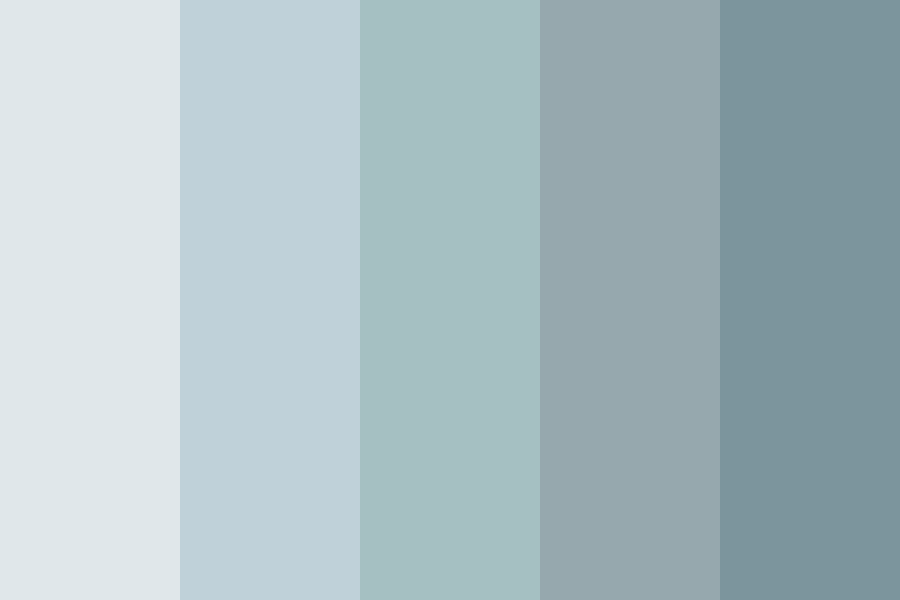
Mist is a study in perception. Its “color” is less about pigment and more about light interaction, transparency, and environment. When we perceive mist, we’re seeing filtered light—diffused sunlight, the muted tones of a forest, the grey of an urban sky, or the soft glow of twilight. This visual dynamism means that the brand adopting a “mist-inspired” palette isn’t confined to a single grey or pale blue, but rather embraces a range of analogous colors, soft gradients, and atmospheric textures. It’s about evoking an overall feeling rather than pointing to a specific hex code. For a brand, this translates into flexibility in its visual identity, allowing for variations that maintain core recognition while adapting to different contexts and moods. Think of the subtle shifts in packaging, digital interfaces, or advertising campaigns that use these atmospheric principles to create a cohesive yet dynamic brand presence.
Evoking Emotion: The Psychology of Hues
The psychological impact of colors associated with mist is potent. Predominantly, these hues lean towards cool tones: greys, soft blues, muted purples, and desaturated greens. These colors are universally linked to tranquility, introspection, and sometimes, a sense of wonder or mystery. A brand that strategically integrates these “misty” colors into its identity can cultivate an aura of calm and sophistication. For instance, a wellness brand might use a palette of pale blues and soft greys to suggest serenity and purity, aligning perfectly with products or services aimed at relaxation and mental well-being. A high-end fashion label might leverage deeper, more mysterious charcoal greys and muted lilacs to convey elegance, exclusivity, and a touch of enigmatic allure. The lack of harsh contrasts and vibrant saturation in a mist-inspired palette inherently communicates a refined taste, appealing to consumers who value subtlety and depth over overt displays.
Crafting Brand Identity with Atmospheric Aesthetics
Building a brand is about crafting a narrative and a visual language that speaks volumes without uttering a single word. The principles derived from “the color of mist” provide a sophisticated framework for this, allowing brands to establish a distinct presence that is both memorable and deeply resonant.
Serenity and Sophistication: Utilizing Muted Tones
Many successful brands leverage muted, desaturated tones to project an image of serenity, sophistication, and timelessness. This approach moves away from the aggressive, attention-grabbing vibrancy often seen in mass-market branding, opting instead for a quiet confidence. Consider luxury brands in hospitality, cosmetics, or even technology that employ expansive swathes of off-whites, cool greys, and muted beiges. These palettes don’t scream for attention; they invite it, suggesting an inherent quality and understated elegance that needs no embellishment. The “misty” aesthetic, in this context, becomes a shorthand for premium quality and a refined experience, appealing to discerning consumers who value substance and thoughtful design. It’s about creating a visual pause, an atmosphere where the product or service can be appreciated without visual clutter.
Mystery and Intrigue: The Power of Ambiguity

Beyond serenity, the enigmatic nature of mist offers brands a powerful tool for cultivating mystery and intrigue. Where clear visibility provides certainty, mist introduces ambiguity, encouraging contemplation and drawing the viewer in to discover more. Brands that embrace this ambiguity often use darker, more profound tones—deep charcoal, smoky teals, or hazy purples—sometimes with subtle gradients or textural overlays that mimic the shifting density of fog. This strategy is particularly effective for brands in creative industries, luxury goods, or those selling experiences rather than tangible products. It suggests depth, untold stories, and a hidden complexity that beckons exploration. By not revealing everything upfront, these brands foster curiosity and a desire to uncover the layers, establishing a stronger, more engaging relationship with their audience than a brand that lays all its cards on the table immediately.
Design Applications: From Logos to User Experiences
The abstract concept of “the color of mist” finds concrete expression across various design applications, shaping how brands are perceived and interacted with across all touchpoints.
Visual Storytelling in Digital and Print Media
In digital and print media, the “misty” aesthetic can be deployed to create immersive and evocative visual storytelling. Websites often use soft background gradients, subtle photographic overlays, or blurred imagery to create an atmospheric depth that enhances user experience without distracting from content. For a brand, this means carefully chosen visual elements that subtly guide the eye, create a sense of space, and reinforce the brand’s mood. Think of a travel brand using desaturated landscape photography where distant elements fade into a soft haze, inviting dreams of escape and adventure. Or a tech company using clean, minimalist interfaces with soft shadows and muted icons to communicate ease of use and sophisticated design. In print, this could manifest in brochures with matte finishes, delicate typography, and imagery that blurs the line between foreground and background, creating an artful and premium feel. The aim is to create a visual journey that is as compelling as the brand’s narrative.
Product Packaging and Experiential Design
For physical products, packaging is a critical touchpoint. Mist-inspired design principles can transform packaging into an experience. Brands might opt for frosted glass, translucent materials, or soft-touch finishes that replicate the tactile and visual softness of mist. Color choices for packaging would follow the muted palette, using sophisticated combinations of greys, pale greens, or desaturated earth tones. This approach elevates the product, making it feel more precious and considered. For example, a skincare brand might use translucent bottles that subtly reveal the product within, encased in a matte, soft-grey box, evoking purity and gentle care. In experiential design, such as retail spaces or event activations, lighting plays a crucial role. Brands can use diffused lighting, smoke effects, or projections to literally recreate a misty atmosphere, transforming a physical space into an immersive brand environment that evokes the desired emotions of serenity, mystery, or wonder. This creates a memorable, multi-sensory brand encounter.
Marketing Strategies: Weaving the Narrative of Mist
Beyond visual elements, the essence of “what color is mist” can be interwoven into a brand’s broader marketing narrative, influencing everything from messaging to campaign themes.
Communicating Value Through Subtlety
In an increasingly noisy marketplace, brands that embrace the subtlety of mist can stand out by not shouting. Their marketing speaks in hushed tones, emphasizing intrinsic value, thoughtful design, and a sophisticated understanding of their audience’s desires. This approach communicates that the brand trusts its product or service to speak for itself, rather than relying on overt claims or flashy promotions. Messaging often focuses on quality, craftsmanship, and the emotional benefits derived from the product, rather than just features. For instance, an artisanal coffee brand might highlight the quiet ritual of brewing and the nuanced flavor profile, rather than simply listing its beans’ origin. This strategy targets discerning consumers who appreciate brands that respect their intelligence and offer an experience that transcends mere transaction.
The Allure of the Unseen and Undefined
Mist inherently represents the unseen and the undefined—elements that invite contemplation and spark the imagination. Brands can leverage this psychological allure in their marketing by focusing on potential, transformation, or the journey of discovery. Their campaigns might use evocative language that hints at possibilities rather than stating absolutes, fostering a sense of aspiration and wonder. This is particularly effective for brands in personal development, luxury travel, or innovative technology, where the promise often lies in future experiences or yet-to-be-unlocked potential. By embracing the conceptual “color of mist” in their marketing, brands create a narrative that is less about what they explicitly are and more about what they could be for the consumer, drawing them into a compelling story that is continuously unfolding.
aViewFromTheCave is a participant in the Amazon Services LLC Associates Program, an affiliate advertising program designed to provide a means for sites to earn advertising fees by advertising and linking to Amazon.com. Amazon, the Amazon logo, AmazonSupply, and the AmazonSupply logo are trademarks of Amazon.com, Inc. or its affiliates. As an Amazon Associate we earn affiliate commissions from qualifying purchases.