
The notion of an “illegal” car color often conjures images of outlandish, impractical hues, or perhaps misinterpretations of aesthetic regulations. In reality, outright bans on specific colors for privately owned passenger vehicles are exceptionally rare. The restrictions that do exist are less about personal taste and more about critical issues of public safety, law enforcement identification, and maintaining the distinct corporate identity of essential public services. For brands and individuals alike, understanding these nuanced regulations is crucial for effective design, marketing, and adherence to legal frameworks.
The Intersection of Automotive Design, Public Safety, and Brand Identity
Automotive color is not merely an aesthetic choice; it’s a powerful element of design that communicates identity, influences perception, and can even impact safety. From a brand perspective, a car’s color scheme is an extension of its manufacturer’s identity, a personal statement for its owner, and, critically, a functional marker for public service entities.
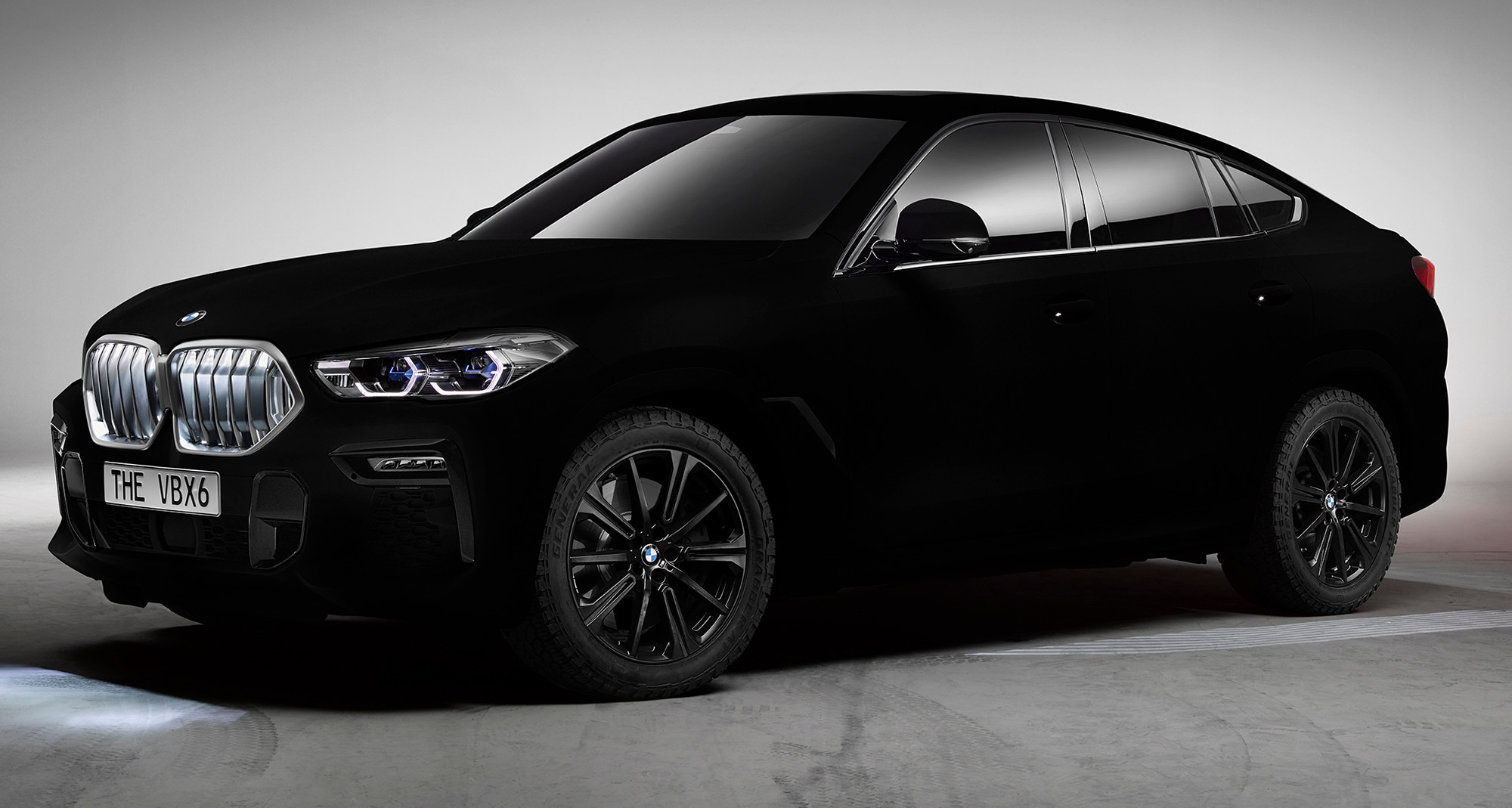
Why Color Matters Beyond Aesthetics
Color plays a significant role in visibility, particularly under varying light conditions and weather. Certain colors may blend more easily into specific environments, potentially increasing accident risks. Beyond safety, color is intrinsically linked to identification. The ability to quickly and accurately identify vehicles belonging to emergency services, law enforcement, or critical utility companies is paramount for public order and rapid response. This need for clear, unambiguous identification directly informs regulatory decisions regarding vehicle coloration, establishing a visual language that transcends mere branding.
The Role of Government Regulation in Color Schemes
Governments, at federal, state, and local levels, often implement regulations that, while not explicitly banning a color for personal vehicles, reserve certain color combinations or specific shades for official use. These regulations are primarily designed to prevent confusion, ensure public safety, and protect the operational integrity of emergency and public service providers. The rationale is clear: any ambiguity in identifying a police car, ambulance, or fire truck could lead to dangerous delays or misinterpretations, undermining public trust and safety protocols. Therefore, these regulatory frameworks become an essential aspect of corporate identity management for public service organizations, ensuring their visual branding is protected by law.
Reserved Hues: Protecting Emergency and Service Vehicle Identities
The most common form of “illegal” car color relates to impersonation or confusion with official vehicles. Specific colors and color combinations, often paired with distinctive markings or lighting, are legally protected to ensure the immediate recognition of emergency and service vehicles. This protection is a cornerstone of public safety and efficient emergency response.
The Unmistakable Presence of Emergency Services
Police vehicles, ambulances, and fire trucks worldwide adopt highly recognizable color schemes and livery. In many regions, painting a private vehicle in colors too closely resembling these official patterns is prohibited. For instance, a vehicle painted in a solid, unmarked dark blue or black with white doors might not be explicitly illegal, but adding a specific stripe pattern, shield, or even certain reflective materials could lead to legal action for impersonation. Similarly, vibrant reds and specific shades of yellow or orange are strongly associated with fire and rescue or emergency medical services. The goal is to avoid any visual ambiguity that could cause a civilian to mistake a private vehicle for an official one, thereby delaying emergency response or creating hazardous situations. This isn’t just about paint color; it’s about the complete visual brand identity of these critical services.
Commercial and Utility Vehicle Distinctions
Beyond emergency services, certain colors or specific industry liveries might be implicitly or explicitly regulated to prevent confusion with commercial or utility vehicles that operate under specific legal mandates or public trust. For example, vehicles belonging to postal services, public transport, or specific utility providers (like power or gas companies) often use distinct color schemes that become part of their operational brand identity. While less likely to be strictly “illegal” for private use, replicating these schemes could, in some contexts, lead to questions or perceived misrepresentation, particularly if combined with logos or equipment that suggest official affiliation.
Regional Variations in Color Legislation
It’s crucial to understand that these regulations are not universal. What might be restricted in one country or even one state could be perfectly legal in another. For example, certain vibrant yellow-green shades often used for ambulances or fire-fighting vehicles in some European countries might not carry the same restrictions elsewhere. An individual considering a unique paint job, or a brand launching a vehicle in a new market, must conduct due diligence on local traffic laws and public safety ordinances. This regional variability underscores the importance of localized brand strategy and design adaptation to ensure compliance and avoid inadvertently infringing on protected visual identities.

Beyond Explicit Bans: Subtle Restrictions and Brand Implications
While outright color bans are rare, there are numerous other regulations concerning vehicle appearance that indirectly affect color choices, focusing primarily on safety, visibility, and avoiding public nuisance. These often relate to the properties of the paint rather than the hue itself, presenting a different set of considerations for automotive design and branding.
Reflectivity, Visibility, and Safety Standards
Many jurisdictions have regulations concerning the reflectivity of vehicle surfaces, particularly for safety reasons. Excessively reflective or mirror-like finishes, while striking from a design perspective, can pose glare hazards to other drivers, especially at night or in bright sunlight. These regulations aim to prevent visual impairment that could lead to accidents. Similarly, certain paint additives or materials that drastically alter how light interacts with the vehicle’s surface might be regulated. This means that while a specific color might not be illegal, achieving that color through a finish that violates reflectivity or visibility standards could be. For brands, this impacts the choice of paint technology and finish options, balancing aesthetic appeal with regulatory compliance and real-world safety performance.
Camouflage and Concealment: Military and Law Enforcement Concerns
Another subtle area of restriction involves paint schemes designed for camouflage or concealment. While popular in certain automotive subcultures, extreme camouflage patterns, particularly those mimicking military or law enforcement vehicle camouflage, could raise concerns. The intent is not to ban a pattern outright but to prevent confusion or the appearance of affiliation with official defense or security forces. In some regions, certain patterns or colors historically associated with official military use might be viewed with scrutiny, especially if they are deemed to hinder identification or create an impression of official authority. This aspect influences how brands approach special editions or customized options, ensuring they don’t inadvertently cross into regulated visual territories.
Local Ordinances and Environmental Considerations
Beyond federal or state laws, local municipalities might have ordinances that indirectly impact vehicle color. These could range from restrictions on excessively flashy or garish vehicles in certain historic districts (though typically aimed at overall vehicle condition rather than just color) to environmental regulations affecting the types of paints and finishes that can be used. For instance, some areas might restrict volatile organic compounds (VOCs) in paints, influencing the available palette or finish durability. While these rarely ban a specific color, they shape the practicality and legality of applying certain finishes, which is a critical consideration for automotive customization and brand-approved paint options.
Strategic Color Choices: Navigating Legality and Market Perception
For car manufacturers, aftermarket paint shops, and individual owners, navigating the landscape of vehicle color involves more than just aesthetics. It’s about strategic branding, market positioning, and ensuring compliance within a complex regulatory environment.
Brand Consistency and Customization
Automotive brands invest heavily in their color palettes, which are integral to their corporate identity and market positioning. Specific colors become synonymous with luxury, sportiness, eco-friendliness, or rugged utility. While offering customization is key, brands must ensure that approved aftermarket paint options or factory custom orders remain within legal boundaries. This involves not only avoiding colors that mimic emergency services but also ensuring that custom finishes adhere to safety standards regarding reflectivity and visibility. The challenge lies in balancing the desire for unique personal branding with the need for broad legal compliance and public safety.
The Psychology of Color in Automotive Branding
The psychological impact of color is a powerful tool in automotive branding. Red conveys passion and speed, blue suggests reliability and sophistication, while silver and black often represent elegance and authority. Brands carefully select colors to evoke specific emotions and associations that align with their vehicle’s segment and target demographic. Understanding color psychology also extends to understanding how certain colors might be perceived by law enforcement or the general public—for instance, whether a brightly colored vehicle is more likely to be noticed (positively or negatively). Navigating “illegal” colors implicitly means understanding colors that carry undesirable or confusing connotations in specific societal contexts, beyond explicit legal bans.

Future Trends in Vehicle Color and Regulation
As automotive technology evolves, so too might the considerations around vehicle color. Developments in smart paints, color-changing wraps, or integrated lighting systems could introduce new regulatory challenges and opportunities. For instance, dynamic color applications could require new rules regarding visibility and safety. Brands exploring these innovative finishes will need to work closely with regulatory bodies to ensure compliance. The trend towards autonomous vehicles may also influence color choices, with a potential emphasis on high visibility for sensor detection or standardized colors for fleet identification. Ultimately, while outright “illegal” colors remain rare for private vehicles, the confluence of public safety, official identification, and evolving design technologies ensures that color choice will always be a regulated, strategic, and brand-critical decision.
aViewFromTheCave is a participant in the Amazon Services LLC Associates Program, an affiliate advertising program designed to provide a means for sites to earn advertising fees by advertising and linking to Amazon.com. Amazon, the Amazon logo, AmazonSupply, and the AmazonSupply logo are trademarks of Amazon.com, Inc. or its affiliates. As an Amazon Associate we earn affiliate commissions from qualifying purchases.