
The seemingly simple question, “What color is cayenne?” unravels a complex and fascinating discussion within the realm of brand strategy, corporate identity, and marketing design. Far from merely identifying a specific hue on the color wheel, understanding “cayenne” in a branding context demands an exploration into color psychology, product semantics, and the meticulous process of visual communication. Whether we refer to the vivid red-orange of the spice, the sophisticated palette of a luxury automotive brand, or the specific pigment known as “cayenne,” color serves as a foundational pillar in establishing recognition, evoking emotion, and ultimately, defining a brand’s essence.

The Chromatic Spectrum of “Cayenne” in Branding
The term “cayenne” itself carries a dual identity, one rooted in nature and the other in manufactured excellence, both offering potent lessons in brand perception and color utilization.
From Culinary Spice to Automotive Icon: The Dual Identity
Consider first the cayenne pepper. Its natural state is a fiery red to deep orange, instantly associated with heat, zest, and a bold flavor profile. Brands in the food industry leverage this inherent visual identity directly. Packaging for spices, hot sauces, or even snack foods often employs these vibrant, warm tones to communicate intensity, authenticity, and a thrilling culinary experience. The color implicitly promises an energetic sensation, signaling to consumers exactly what to expect from the product within. It speaks of natural origins, warmth, and an unadulterated, lively character.
In stark contrast, the Porsche Cayenne represents a pinnacle of luxury automotive engineering. Here, “Cayenne” is not primarily a color but a brand name for a high-performance SUV. However, the color options available for this vehicle, and the strategic deployment of specific hues in its marketing, are crucial. While a Porsche Cayenne can be purchased in classic black, white, silver, or blue, a signature metallic red or deep orange-red might be offered, sometimes specifically branded as “Cayenne Red” or a similar bespoke shade. These colors, far from merely being functional, communicate performance, sportiness, passion, and exclusivity. They are chosen to enhance the perception of luxury, power, and sophisticated design, aligning with the aspirational lifestyle of the target demographic. The brand’s use of color is a deliberate act of reinforcing its corporate identity: precision, exhilaration, and status.
The Psychology of Red-Orange Hues
The underlying power of “cayenne” as a color in branding lies in its position within the red-orange spectrum, a range known for its potent psychological impact.
- Red: Universally recognized as a color of passion, energy, urgency, and power. It grabs attention, stimulates excitement, and can even signify danger or importance. In branding, red is often used by companies wanting to convey boldness, strength, and love (e.g., Coca-Cola, Target, Netflix). Its warmth is undeniable, demanding immediate engagement.
- Orange: A blend of red’s energy and yellow’s happiness, orange often evokes feelings of warmth, enthusiasm, creativity, and affordability. It’s seen as friendly, inviting, and youthful. Brands often use orange to signify innovation, accessibility, and optimism (e.g., Nickelodeon, FedEx, Harley-Davidson).
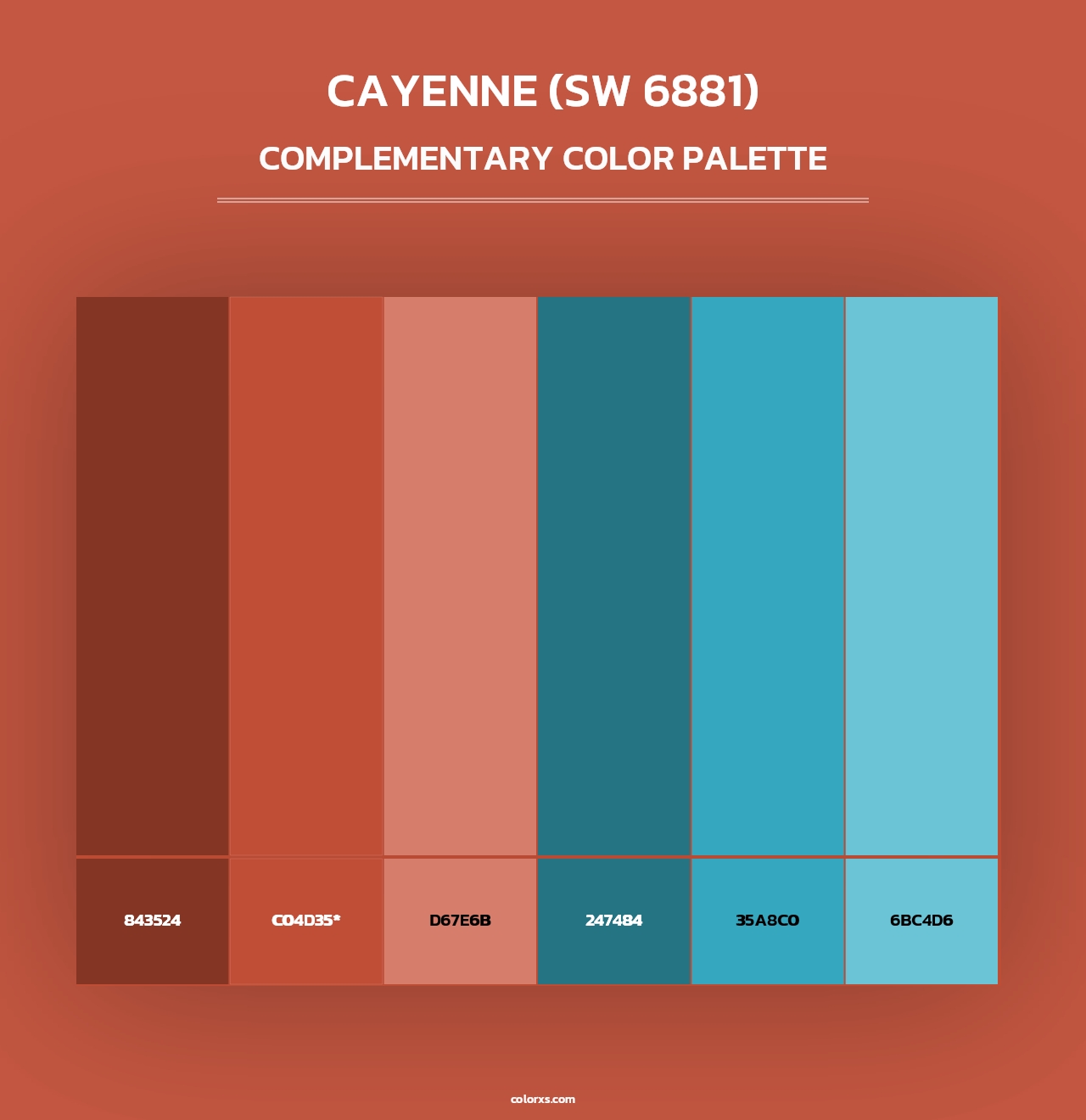
- Cayenne (the specific color): Situated between a true red and a deep orange, the color “cayenne” typically presents as a rich, warm, reddish-brown or a dark, earthy orange-red. It merges the intensity and passion of red with the warmth and approachability of orange, often adding a touch of sophistication or groundedness. This unique blend can imply a sophisticated energy, a vibrant authenticity, or a luxurious warmth. It’s less aggressive than pure red but more dynamic than a muted orange, offering a compelling balance that can signify both tradition and innovation, passion and reliability.
Leveraging Cayenne: Strategic Color Choices in Brand Identity
Understanding the intrinsic qualities of “cayenne” hues allows brands to make highly strategic choices in their visual identity, extending beyond a mere aesthetic preference.
Product Design and Packaging
For tangible products, the color “cayenne” plays a critical role in initial consumer attraction and brand messaging. In the food sector, the immediate association with the spice means packaging adorned with cayenne-like reds and oranges directly communicates flavor intensity, heat, and sometimes, a natural or organic quality. Brands like McCormick or Frank’s RedHot rely heavily on these colors to set expectations before a product is even consumed. The color literally promises the experience.
Beyond food, “cayenne” as a sophisticated reddish-orange can be employed in product design across various industries. In fashion, a “cayenne” garment might signify boldness, confidence, and warmth. For home goods or interior design, it can inject vibrancy and a sense of inviting comfort without overwhelming. In high-tech gadgets, a metallic “cayenne” finish can suggest innovation, high performance, and a sleek, modern edge. The material on which the color is applied—be it matte, glossy, metallic, or textured—further refines the message, adding layers of luxury, ruggedness, or playful charm.

Marketing and Advertising Impact
The strategic use of cayenne-like colors in marketing and advertising is designed to capture attention and forge an emotional connection with the target audience. The warmth and energy of these hues naturally draw the eye, making advertisements pop in crowded visual spaces.
For brands promoting active lifestyles, energy drinks, or sports equipment, the vibrancy of cayenne can symbolize vitality and drive. For hospitality or culinary brands, it can evoke feelings of warmth, comfort, and sensory delight. The specific shade and its application can also target different demographics; a brighter, more orange-red might appeal to a younger, more adventurous audience, while a deeper, more sophisticated cayenne-brown could resonate with a mature, luxury-oriented demographic. However, cultural nuances are vital: while red is auspicious in many Asian cultures, it can signify danger elsewhere. Brand strategists must meticulously research how “cayenne” colors are perceived in each target market to avoid miscommunication and maximize impact.
The Consistency Conundrum: Maintaining “Cayenne” Across Touchpoints
A defining characteristic of strong branding is consistency, and this applies acutely to color. Ensuring that a brand’s chosen “cayenne” appears identical across all platforms and materials is a significant challenge, yet crucial for brand recognition and trust.
Digital vs. Print vs. Physical
The exact shade of “cayenne” can vary dramatically depending on the medium. A brand’s signature “cayenne” might look vibrant on a backlit digital screen (RGB color model), appear slightly different when printed on paper using ink (CMYK color model), and change again when rendered as a physical product in a specific material under varying lighting conditions.
To combat this, brands rely on standardized color systems like Pantone Matching System (PMS), which provides specific color codes for consistent reproduction across different manufacturing processes. Designers also use hex codes for web, and precise CMYK values for print, all mapped as closely as possible to the brand’s primary color definition. The subtle shifts in a “cayenne” hue from a website banner to a product label, or from a vehicle’s paint job to its interior stitching, can undermine brand integrity. Meticulous calibration and adherence to established brand guidelines are essential to maintain a unified visual identity and ensure the brand’s “cayenne” is consistently recognized and trusted.
Brand Evolution and Color Adaptation
While consistency is paramount, brands also face the decision of when and how to evolve their visual identity, including core colors. A brand’s “cayenne” might subtly shift over decades to reflect changing aesthetic trends or to signify a new direction. For instance, a cayenne that was once vibrant and youthful might mellow into a more sophisticated, deeper shade to appeal to an older demographic as the brand matures.
Successful brand evolution means carefully considering how any color adaptation impacts consumer perception and brand equity. A drastic change to a beloved “cayenne” could alienate loyal customers, while a well-executed, subtle shift can refresh the brand and attract new audiences without losing its core identity. This process requires a deep understanding of trend forecasting, balanced with an unwavering commitment to the brand’s timeless values.
The Brand Narrative Woven in Color
Ultimately, “what color is cayenne?” transcends a basic color query; it becomes a profound question about brand identity, narrative, and consumer engagement.
Beyond Aesthetics: Symbolism and Storytelling
A carefully selected and consistently applied “cayenne” hue does more than just make a brand visually appealing; it becomes a powerful symbolic device, a shorthand for the brand’s story, values, and promise. It conveys emotions, sets expectations, and differentiates the brand in a competitive marketplace. The spicy red-orange of cayenne pepper tells a story of natural zest and culinary adventure. The sophisticated, often metallic, reddish tones of a Porsche Cayenne speak of engineered excellence, performance, and luxury.
The longevity and strength of a brand are inextricably linked to the emotional resonance of its visual elements, with color at the forefront. A brand’s “cayenne” becomes more than just a pigment; it transforms into a feeling, an experience, and a promise that lives in the collective consciousness of its consumers. It’s the meticulous crafting of this visual language that allows brands to build deep, lasting connections, making the seemingly simple question of “what color is cayenne?” a gateway to a sophisticated world of brand strategy and design.
aViewFromTheCave is a participant in the Amazon Services LLC Associates Program, an affiliate advertising program designed to provide a means for sites to earn advertising fees by advertising and linking to Amazon.com. Amazon, the Amazon logo, AmazonSupply, and the AmazonSupply logo are trademarks of Amazon.com, Inc. or its affiliates. As an Amazon Associate we earn affiliate commissions from qualifying purchases.