
In the intricate world of electrical systems, understanding the function and identification of each wire is paramount for safety, efficiency, and the proper operation of modern technology. Among these, the ground wire holds a uniquely critical role, acting as a direct path to the earth to safely dissipate excess electricity, thereby preventing shocks and safeguarding sensitive electronic equipment. For anyone engaging with home electronics, smart devices, or even basic electrical repairs, knowing how to identify this crucial component by its color is fundamental.
The Universal Standard for Electrical Safety
The identification of a ground wire is largely standardized in many regions, primarily for universal safety and ease of installation. This standardization is a cornerstone of electrical codes, designed to prevent hazardous misconnections.
Identifying the Ground Wire
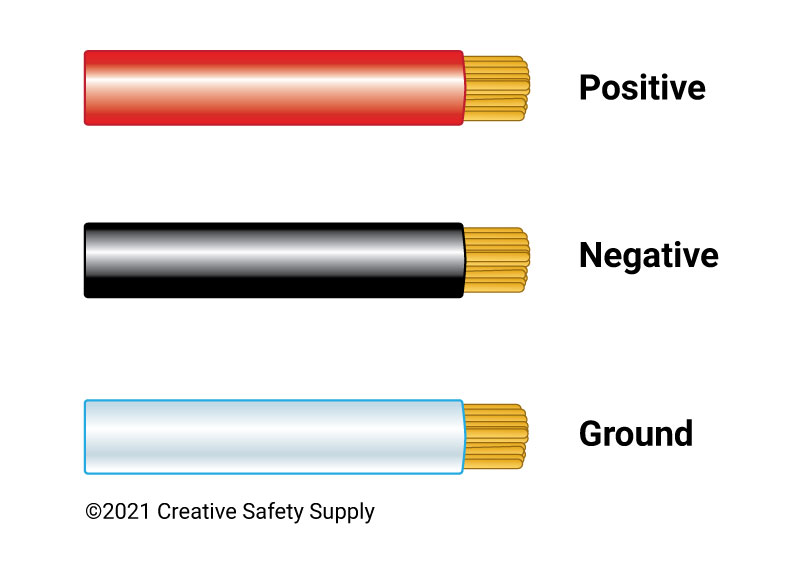
In the United States, Canada, and several other countries adhering to similar electrical codes, the ground wire is almost invariably identified by one of two distinct appearances:
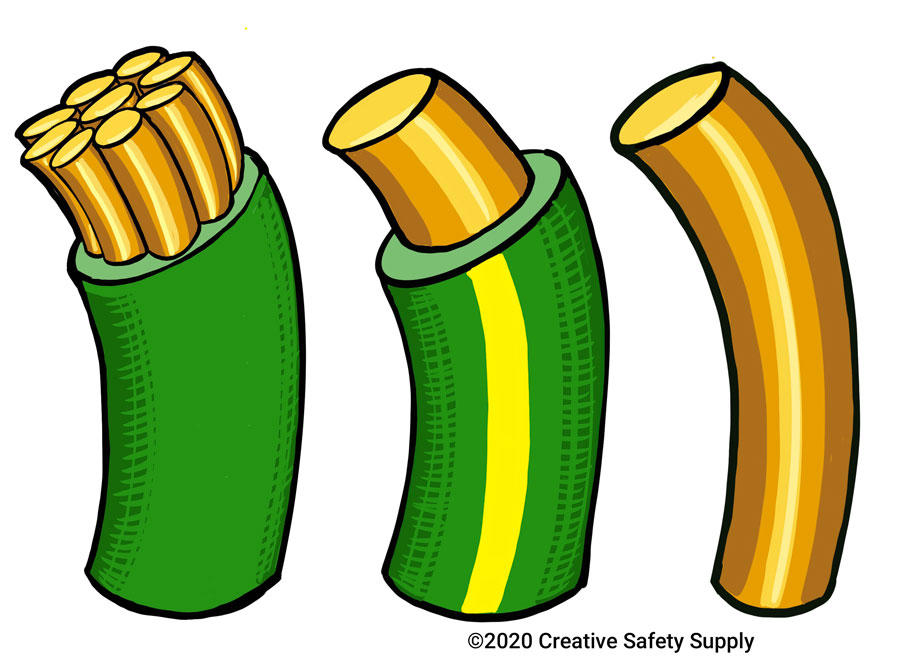
- Green Insulation: This is the most common and easily recognizable identifier for an insulated ground wire. The vibrant green color provides a clear visual cue, distinguishing it from hot (live) or neutral wires.
- Bare Copper: Often found within electrical cables and conduits, an uninsulated, bare copper wire also serves as the equipment grounding conductor. Its distinctive metallic sheen makes it equally recognizable, especially in older installations or specific wiring configurations.
It’s crucial to understand that these colors and forms are not merely aesthetic choices but are mandated by regulatory bodies such as the National Electrical Code (NEC) in the United States. This consistency ensures that electricians, DIY enthusiasts, and homeowners can universally identify and correctly handle this critical safety component.
The Rationale Behind the Colors
The choice of green and bare copper for ground wires is rooted in a logical and historical progression toward electrical safety. Green, being a color often associated with nature and safety, visually differentiates the ground wire from the red, black, blue, or brown wires typically used for live conductors, and white or grey for neutral conductors. Bare copper leverages the material’s excellent conductivity and its raw, distinct appearance, making it unmistakable. This clear visual distinction is vital to prevent accidental contact with live circuits, which could result in severe injury or equipment damage.
Why Grounding is Non-Negotiable for Modern Tech
Proper grounding extends beyond preventing electric shocks; it is a vital mechanism for protecting the sensitive electronics that power our modern lives. From smartphones and computers to smart home devices and sophisticated entertainment systems, grounding plays an indispensable role in their longevity, performance, and the integrity of the data they manage.
Protecting Your Gadgets and Appliances
Many contemporary gadgets and appliances feature advanced microprocessors and delicate circuitry that are highly susceptible to electrical fluctuations. A properly grounded system provides a low-resistance path for fault currents, such as those caused by a short circuit or a lightning strike, to safely dissipate into the earth. Without this path, excess voltage can surge through your devices, potentially frying circuit boards, corrupting firmware, and rendering expensive equipment inoperable. Grounding essentially acts as an electrical “pressure relief valve,” diverting dangerous overcurrents away from your valuable technology assets. This protection is not just about avoiding immediate damage but also about preventing cumulative stress that can shorten the lifespan of electronic components.
Ensuring System Stability and Performance
Beyond catastrophic failure, inadequate grounding can introduce subtle yet pervasive issues that degrade the performance and stability of electronic systems. “Ground loops” or “dirty power” conditions, often exacerbated by poor or absent grounding, can manifest as buzzing sounds in audio systems, flickering screens, or erratic behavior in sensitive instruments. For computers, servers, and networking equipment, stable power is paramount. An unstable electrical environment, often a symptom of poor grounding, can lead to data corruption, system crashes, and unreliable operation. In environments where uptime and data integrity are critical, such as home offices or small businesses, the subtle effects of improper grounding can have significant implications for productivity and operational continuity.
The Role in Digital Security and Data Integrity
While often overlooked, the physical security of an electrical system, particularly its grounding, has an indirect but significant impact on digital security and data integrity. Power surges and electrical noise, which grounding helps to mitigate, can disrupt data transmission, corrupt stored information, and even compromise hardware-based security features. For instance, an ungrounded server rack or network device is more vulnerable to damage from electrical events, which could lead to data loss or exposure. Moreover, robust grounding practices contribute to electromagnetic compatibility (EMC), reducing electromagnetic interference (EMI) that can disrupt wireless signals, network communications, and the operation of other sensitive digital systems, thereby indirectly bolstering the reliability of digital security infrastructure.
Navigating Grounding in Home Automation and DIY Tech Projects
The proliferation of smart home devices and the rise of DIY tech projects have brought more individuals into direct contact with home electrical systems. Understanding grounding is not just theoretical knowledge but a practical necessity for safe and effective installations.
Smart Home Installations and Grounding Requirements
Modern smart switches, outlets, and lighting fixtures often require a neutral wire for continuous power and, crucially, a ground wire for safety. Many older homes may lack a ground wire at switch boxes or outlets, posing a significant challenge for smart home upgrades. Attempting to install smart devices without proper grounding can create a hazardous situation, where the metal chassis of the device or other connected appliances could become energized in the event of a fault. Furthermore, many smart devices rely on stable power to communicate effectively within a mesh network, and proper grounding contributes to this stability by minimizing electrical noise that can interfere with wireless signals. Before embarking on smart home installations, it is essential to verify the presence and integrity of grounding at each intended location.
Common Grounding Mistakes to Avoid in Tech Setups
In DIY tech projects and home electrical work, several grounding mistakes are common and can lead to dangerous or inefficient outcomes:
- Floating Grounds: This occurs when a ground wire is present but not actually connected to the grounding system, leaving a device or circuit ungrounded despite appearing to be safe.
- Improper Sizing: Ground wires must be appropriately sized for the circuit’s amperage. An undersized ground wire may not be able to safely carry fault current, leading to overheating or failure to trip the circuit breaker.
- Shared Neutrals/Grounds: While neutral and ground wires eventually connect at the main service panel, they must be kept separate in branch circuits. Improperly combining them in an outlet or fixture can create dangerous conditions and defeat the safety purpose of grounding.
- Ignoring Grounding in Extender Cords and Power Strips: Many users unknowingly compromise grounding by using ungrounded extension cords or faulty power strips, inadvertently exposing their connected devices to risk. Always use surge protectors and power strips with robust grounding features, and ensure the wall outlet itself is properly grounded.
Beyond the Basics: International Standards and Best Practices
While green and bare copper are common in North America, grounding practices and wire color codes can vary significantly across the globe. Understanding these differences and adhering to universal best practices is crucial for anyone working with electrical systems in an international context or with imported equipment.
Global Variations in Ground Wire Identification
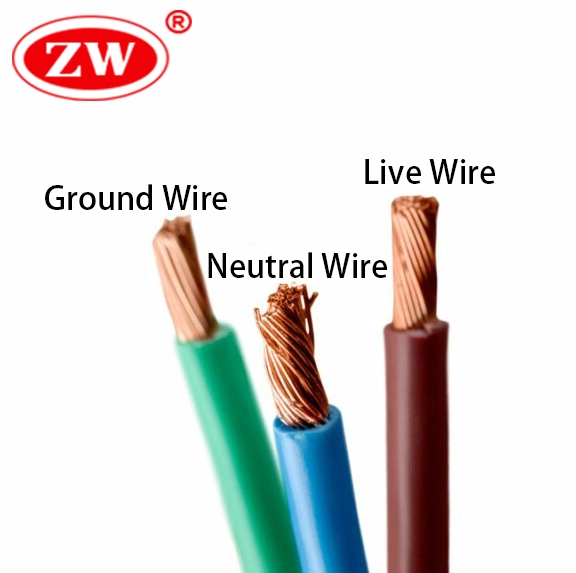
Different regions employ distinct color codes for electrical wiring. For example:
- European Union (IEC Standards): In countries following the harmonized CENELEC standards, the protective earth (ground) wire is identified by a green-and-yellow striped insulation. This bicolored wire is a clear and consistent indicator across most of Europe.
- United Kingdom: Historically, the UK used green-and-yellow for earth wires, aligning with EU standards.
- Australia/New Zealand: Similar to the UK and Europe, green-and-yellow is the standard for earth wires.
These variations underscore the importance of consulting local electrical codes and standards when working on projects in different countries or with equipment manufactured to different regional specifications. Incorrectly identifying wires can have catastrophic consequences.
Professional Practices and Continued Education
For anyone serious about electrical safety and the longevity of their technology, adhering to professional best practices is essential. This includes:
- Always verifying circuits: Use a non-contact voltage tester or a multimeter to confirm that a circuit is de-energized before beginning work.
- Following local codes: Always consult and comply with local electrical codes and regulations. These are minimum safety standards and are legally binding.
- Investing in quality tools: Proper tools, including wire strippers, crimpers, and testers, make work safer and more efficient.
- Continuous learning: Electrical codes are updated periodically, and new technologies introduce new considerations. Staying informed through resources, courses, and certifications ensures ongoing competence and safety.
Understanding the color and purpose of a ground wire is not merely a piece of trivia; it is a fundamental pillar of electrical safety and a prerequisite for the reliable operation and protection of our increasingly sophisticated technological ecosystem. Whether installing a smart thermostat or setting up a home theater, recognizing the green or bare copper wire ensures that your investment, and more importantly, your safety, are well-grounded.
aViewFromTheCave is a participant in the Amazon Services LLC Associates Program, an affiliate advertising program designed to provide a means for sites to earn advertising fees by advertising and linking to Amazon.com. Amazon, the Amazon logo, AmazonSupply, and the AmazonSupply logo are trademarks of Amazon.com, Inc. or its affiliates. As an Amazon Associate we earn affiliate commissions from qualifying purchases.