
In an increasingly digital world, where our eyes are constantly bombarded by screens, artificial lighting, and dynamic visual interfaces, understanding individual ocular sensitivities has become paramount for technology developers and users alike. While the common perception often links light sensitivity to particular eye colors, the underlying mechanisms involve a fascinating interplay of biology and physics. The direct answer, often rooted in anecdotal observation, is that lighter-colored eyes—blues, greens, and grays—tend to be more sensitive to light than darker eyes, such as browns. This biological reality carries significant implications for how we design, interact with, and optimize the technology that permeates our daily lives.
The Ocular Biology of Photophobia and Pigmentation
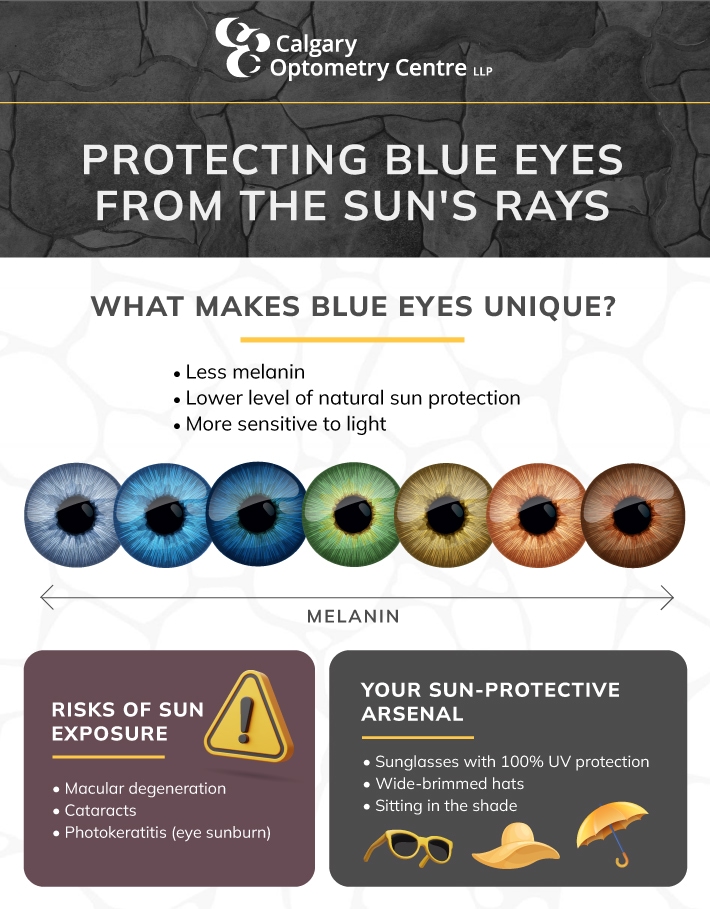
The perceived sensitivity to light, medically termed photophobia, isn’t a disease in itself but rather a symptom of various conditions, or simply a natural variation in human physiology. The primary factor differentiating light sensitivity among eye colors lies in the amount of melanin present in the iris.
Melanin: Nature’s Internal Sunglasses
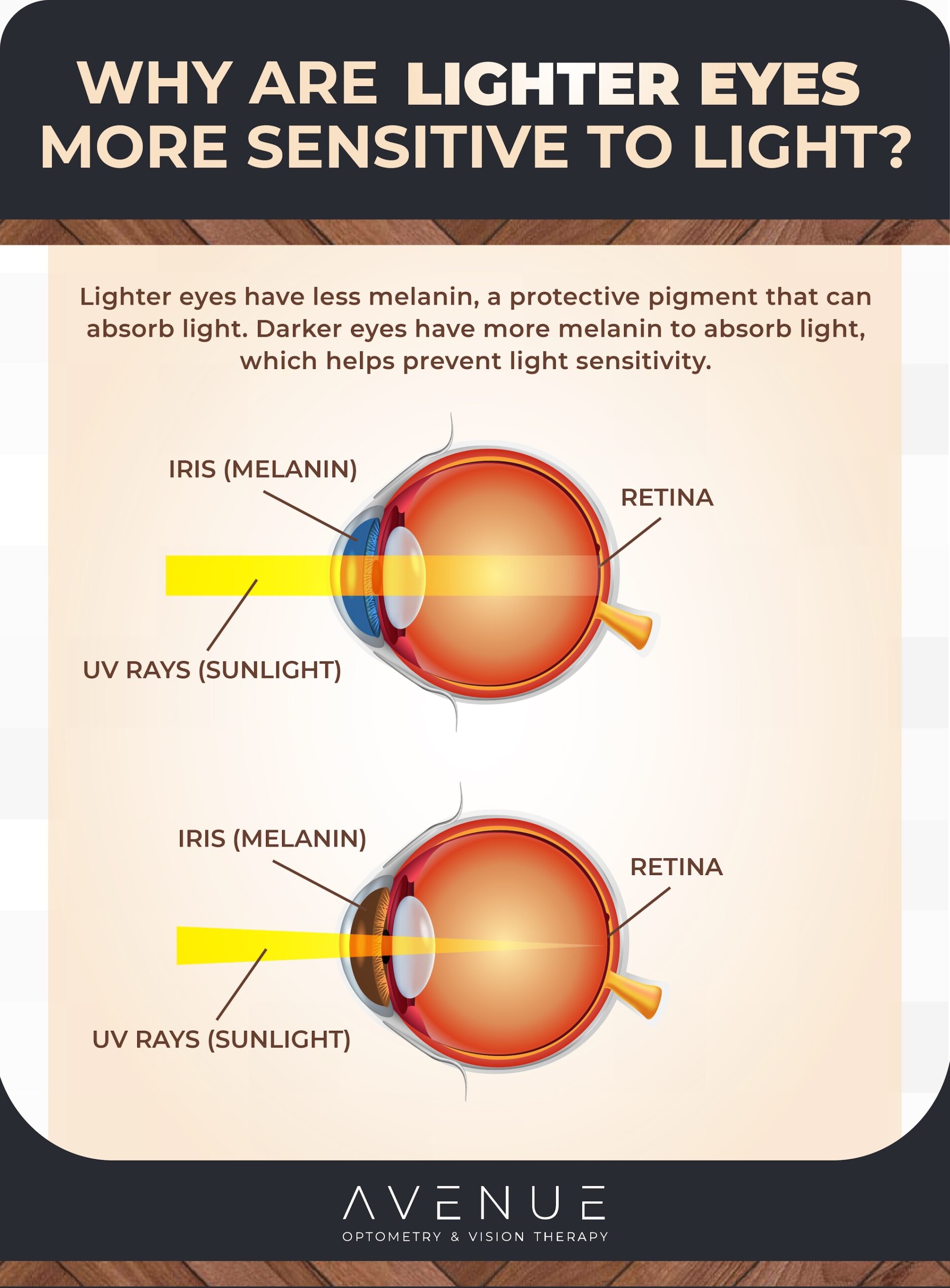
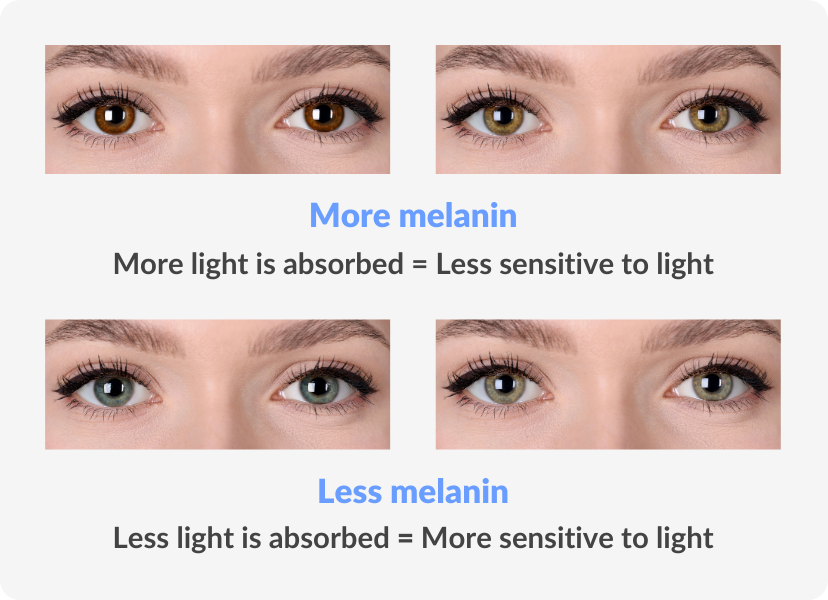
Melanin is a pigment responsible for skin, hair, and eye color. In the eyes, melanin acts as a natural protective barrier, absorbing excess light and reducing scattering within the eye. Individuals with brown eyes possess a higher concentration of melanin in both the anterior and posterior layers of their iris. This dense pigmentation acts like a built-in pair of sunglasses, effectively blocking more light from entering the eye and reaching the retina.
Conversely, individuals with blue eyes have very little melanin in the anterior stroma of the iris, causing light to scatter and reflect, which gives the perception of blue. Green and hazel eyes have moderate amounts. With less melanin to absorb and diffuse light, more light can penetrate the iris and reach the light-sensitive cells of the retina. This increased light exposure can lead to discomfort, squinting, and a heightened sense of glare, particularly in bright environments or when exposed to intense light sources.
The Pupil’s Dynamic Role
Beyond melanin, the pupil’s response also plays a role. While the pupil’s primary function is to regulate the amount of light entering the eye, dilating in dim conditions and constricting in bright ones, the presence of less melanin in lighter irises means that even a properly constricting pupil might not fully mitigate the impact of excessive light. The lighter iris itself allows some light to pass through its tissue, rather than being entirely blocked, contributing to the overall light load on the retina.
Understanding this fundamental biological difference is critical when considering the user experience of digital technologies. It highlights a biological baseline that technology must acknowledge and adapt to, moving beyond a one-size-fits-all approach to visual comfort and accessibility.
Navigating the Digital Landscape: Tech and Eye Sensitivity
In an era dominated by screens, the inherent light sensitivity of certain eye colors presents a unique challenge for technology design and user experience. From smartphones to virtual reality headsets, the nature of digital displays directly impacts ocular comfort and health.
The Pervasiveness of Digital Screens and Eye Strain
The average person spends several hours a day looking at screens. These screens emit a significant amount of light, including blue light, which has been implicated in eye strain, disrupted sleep cycles, and potentially long-term retinal damage. For individuals with lighter, more light-sensitive eyes, prolonged exposure to bright, unoptimized screens can exacerbate discomfort, leading to symptoms like dry eyes, headaches, blurred vision, and increased photophobia.
Technology companies, historically, have focused on resolution, refresh rates, and color accuracy, often overlooking the physiological nuances of human vision. This oversight creates a suboptimal experience for a significant portion of the user base, leading to fatigue and reduced productivity or enjoyment. The challenge lies in creating visual experiences that are not only vibrant and engaging but also physiologically comfortable and sustainable for diverse ocular sensitivities.
User Experience (UX) Design for Diverse Visual Needs
Effective UX design must now extend beyond intuitive navigation and aesthetic appeal to encompass visual comfort and health. For those with lighter, more light-sensitive eyes, a lack of customizable display settings or default brightness levels can significantly detract from the user experience. This isn’t merely about personal preference; it’s about accessibility and preventing discomfort that can hinder interaction with the technology.
Consider applications or operating systems that aggressively use bright white interfaces without offering robust dark mode alternatives. Or consider augmented reality (AR) and virtual reality (VR) headsets, which immerse users in highly controlled visual environments. If these environments are not designed with varying light sensitivities in mind, they risk inducing severe discomfort or even nausea for certain users, limiting the technology’s adoption and accessibility. Prioritizing robust customization for brightness, contrast, color temperature, and filtering becomes a necessity, not just a luxury.
Innovative Tech Solutions for Enhanced Eye Comfort
The tech industry is beginning to recognize and address the need for more adaptable visual interfaces. A range of innovations, from software-based adjustments to specialized hardware, are emerging to cater to varying levels of light sensitivity.
Adaptive Display Technologies
Modern displays are increasingly incorporating features designed to reduce eye strain. Adaptive brightness sensors automatically adjust screen luminance based on ambient light conditions, mimicking the natural world and reducing glare. More advanced systems like True Tone (Apple) or Ambient EQ (Google) go further by adjusting the display’s color temperature to match the room’s lighting, making on-screen whites appear more natural and less harsh, particularly beneficial for sensitive eyes.
Another promising area is e-paper displays (like those found in e-readers), which reflect ambient light rather than emitting their own, providing a reading experience closer to paper. While not suitable for all applications, their growing presence in secondary displays or dedicated reading devices offers a significantly more comfortable option for prolonged consumption of static content.
Blue Light Filtering: Software and Hardware Solutions
The ubiquitous concern over blue light has spurred the development of numerous filtering solutions. Software-based blue light filters, such as Night Shift (iOS) or Night Light (Android/Windows), automatically shift screen colors to warmer tones during evening hours, reducing blue light emission and improving comfort. Many productivity and browsing apps now also offer dark modes, which invert color schemes to display light text on a dark background, significantly reducing overall screen luminance and blue light, a godsend for light-sensitive individuals.
On the hardware front, blue light filtering glasses and screen protectors are popular accessories. While their efficacy can vary, purpose-built displays are also emerging with reduced blue light emissions at the hardware level, often certified by organizations like TÜV Rheinland for eye comfort.
Smart Eyewear and Vision-Enhancing Gadgets
The future holds promise in smart eyewear that could dynamically adjust its tint based on ambient light or even user-specific eye sensitivity profiles. Imagine glasses that automatically darken when you step outside or when a specific app is launched, without needing prescription lenses for every scenario. While still in nascent stages, companies are exploring photochromic lenses integrated with smart features.
Furthermore, specialized gadgets for eye health, such as eye massagers that relieve strain or humidifiers designed for dry eye conditions, contribute to overall ocular comfort, indirectly benefiting those with light sensitivity by reducing associated discomforts.
AI-Powered Personalization in Digital Interfaces
Artificial intelligence (AI) is poised to revolutionize personalized visual experiences. AI algorithms could learn a user’s light sensitivity preferences over time, adjusting display settings proactively. Imagine an operating system that learns you prefer a warmer color temperature and lower brightness on your phone after sunset, and automatically applies these settings across all your devices, even predicting your discomfort in certain lighting conditions and suggesting adjustments.
AI could also power more sophisticated adaptive optical systems in future VR/AR headsets, dynamically adjusting focus, brightness, and contrast based on real-time eye-tracking and a user’s known sensitivity profile, providing an unparalleled level of visual comfort and immersion.
Future Trends: Biometric Customization and Ambient Tech
The trajectory of technology suggests an increasing move towards hyper-personalization and seamless integration into our environment. For light sensitivity, this means leveraging advanced biometrics and designing technology that anticipates and adapts to human needs.
Integrating Eye Biometrics for Tailored Experiences
Future tech could utilize eye-tracking and other ocular biometrics not just for security, but to understand and adapt to an individual’s unique visual needs. Imagine a system that, after an initial calibration, knows the exact level of brightness or blue light filtering your eyes require in different scenarios. This data could be stored securely and applied across all your compatible devices, from your car’s infotainment system to your smart home lighting. This level of granular customization, driven by biometric data, represents the pinnacle of user-centric design for eye comfort.
The Evolution of Ambient Computing and Lighting
As computing becomes more ambient and integrated into our surroundings, the control of environmental light will become a key factor in eye comfort. Smart home systems are already capable of adjusting lighting color and intensity. In the future, these systems could communicate with our personal devices, knowing our eye sensitivities and dynamically tuning the room’s illumination to optimize comfort based on the activity (e.g., reading on a tablet vs. watching TV vs. conversing). This holistic approach treats light, both digital and environmental, as a unified experience, adapting it to our biological needs.
Research and Development in Ocular Health Technology
Continued investment in ocular health technology is crucial. This includes advancements in display materials, lens technologies, and even therapeutic light devices. Research into how different light spectrums affect the human eye, particularly for those with photophobia, will inform the next generation of tech products. Developers will need to collaborate closely with ophthalmologists and optometrists to ensure technological innovations genuinely support eye health and comfort, rather than inadvertently creating new challenges.
In conclusion, while lighter eye colors may possess a biological predisposition to greater light sensitivity, technology offers powerful avenues for mitigation and enhancement. By understanding the science and embracing innovative solutions, the tech industry can move towards a future where digital interactions are not only efficient and engaging but also comfortable and healthy for all eyes, regardless of their natural pigmentation.
aViewFromTheCave is a participant in the Amazon Services LLC Associates Program, an affiliate advertising program designed to provide a means for sites to earn advertising fees by advertising and linking to Amazon.com. Amazon, the Amazon logo, AmazonSupply, and the AmazonSupply logo are trademarks of Amazon.com, Inc. or its affiliates. As an Amazon Associate we earn affiliate commissions from qualifying purchases.