
Engineering the Transformation: The Cremation Process as a Technological System
The color of human ashes after cremation is a direct outcome of a highly controlled and technologically advanced process, rooted in principles of combustion engineering and material science. Far from a simple burning, modern cremation involves sophisticated equipment designed for precision, efficiency, and environmental responsibility. Understanding the resulting hue requires an examination of the technological systems that facilitate this transformation.
Advanced Retort Design and Precision Control
At the heart of modern cremation is the retort, a specially engineered furnace built to withstand extreme temperatures while efficiently processing human remains. These systems are significantly more advanced than historical methods, incorporating a suite of technologies to manage the cremation cycle. Modern retorts feature multiple combustion chambers: a primary chamber where the body is reduced and a secondary chamber designed to incinerate any gases or particulates, ensuring clean emissions.
Key technological components include:
- Insulated Chambers: Constructed from high-temperature refractory materials, these chambers maintain optimal temperatures, typically ranging from 1400 to 1800°F (760 to 982°C). The insulation technology prevents heat loss and ensures consistent internal conditions.
- Automated Fuel Delivery Systems: Computerized systems precisely regulate the flow of natural gas or propane, optimizing fuel consumption and maintaining stable temperatures throughout the cycle.
- Sensor Technology and Real-Time Monitoring: Embedded sensors continuously monitor temperature, oxygen levels, and gas emissions. This data is fed into a control panel, often managed by specialized software, allowing operators to make real-time adjustments. This level of precision is critical for ensuring complete combustion of organic matter, which directly influences the final appearance of the cremains.
- Pollution Control Systems: Advanced filtration and afterburner technologies are integrated to minimize environmental impact by destroying harmful byproducts before they are released into the atmosphere. This commitment to clean technology underscores the industry’s evolution.
The engineering goal is to reduce organic matter (soft tissues, organs) to ash and evaporate water content, leaving behind primarily dry bone fragments. The efficiency of these engineered systems in achieving complete combustion is paramount to producing the characteristic color.
The Material Science of Calcination
The process occurring within the retort is primarily calcination, a thermochemical treatment where materials are heated to high temperatures to induce a phase transformation or decomposition, typically to remove volatile substances or to effect an oxidation. In the context of cremation, this involves the thermal decomposition of the organic components of bone and soft tissues.
Human bone is primarily composed of calcium phosphate (specifically, hydroxyapatite, Ca₅(PO₄)₃(OH)). During calcination at high temperatures:
- Organic Matrix Degradation: The organic components of bone (collagen, proteins, fats) are oxidized and combusted, converting them into gases (carbon dioxide, water vapor) and some residual carbon.
- Water Evaporation: All water content, both free and chemically bound, is driven off.
- Inorganic Conversion: The inorganic mineral structure, predominantly calcium phosphate, remains. This material undergoes a crystalline transformation, becoming more brittle and porous.
The resulting cremains are not true “ash” in the sense of wood ash (which is mostly potassium carbonate and other minerals). Instead, they are essentially bone fragments, dehydrated and calcined, with most organic compounds removed. This material science outcome is the fundamental determinant of the cremains’ color.
Analytical Technologies for Cremains Composition and Appearance
The uniformity and specific hue of cremated remains are not merely incidental; they are a testament to the efficacy of the cremation technology and can be further understood through various analytical techniques. These technologies provide insights into the precise elemental composition and physical characteristics that contribute to the final color.
Spectroscopic Analysis and Elemental Composition
Analytical chemistry techniques provide a scientific basis for understanding the composition of cremains. Technologies such as X-ray fluorescence (XRF) and atomic absorption spectroscopy (AAS) are employed in forensic science and materials analysis to identify the elemental makeup of samples.
- XRF Analysis: This non-destructive technique uses X-rays to excite atoms in the sample, causing them to emit characteristic secondary X-rays. By analyzing the energy and intensity of these emitted X-rays, forensic scientists can identify and quantify the elements present. In cremains, XRF confirms that calcium and phosphorus are the predominant elements, consistent with calcium phosphate.
- AAS Analysis: This technique measures the absorption of electromagnetic radiation by free atoms in the gaseous state, allowing for the precise quantification of specific elements. AAS can detect and quantify trace elements within cremains, such as magnesium, potassium, sodium, and iron.
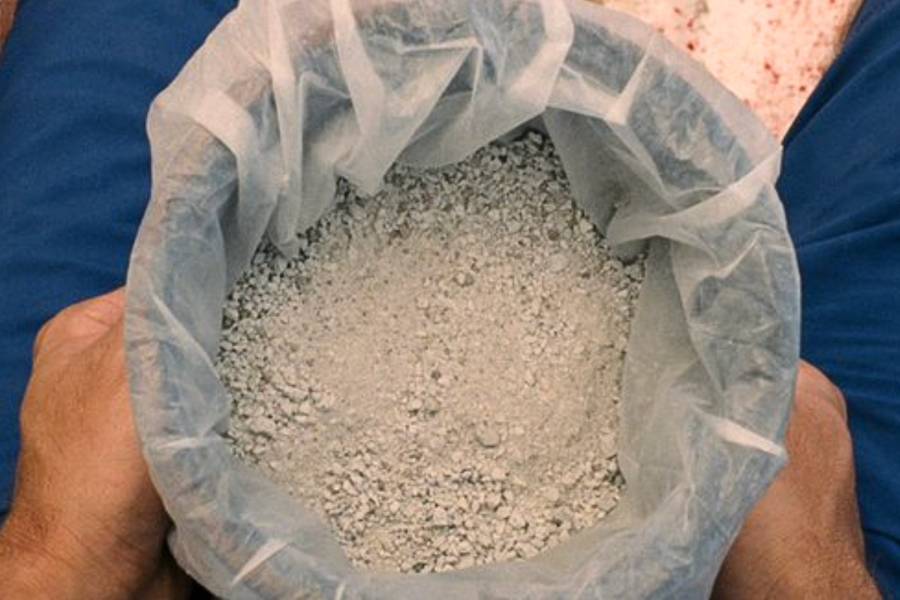
The primary color of cremains—an off-white to light gray—is largely due to the calcium phosphate. However, the presence of these trace elements, particularly iron, can introduce subtle variations in the hue. For instance, higher concentrations of iron can impart a slightly yellowish or reddish tint. Additionally, medical conditions, medications, or post-mortem treatments can subtly alter bone mineral density or introduce foreign elements, potentially leading to minor color variations, which these technologies can help identify.

Image Processing and Quality Control in Cremation Facilities
In modern, high-volume cremation facilities, technology extends to quality control and post-processing. While highly automated, the process still benefits from validation.
- Digital Imaging for Assessment: After the initial calcination, the bone fragments are typically coarse. Before pulverization, digital imaging systems might be used to visually inspect the remains. Consistent color and the absence of darker, uncalcined material (which would indicate incomplete combustion) serve as key indicators of a properly executed cremation, validating the performance of the retort technology.
- Pulverization Technology (Cremulators): To achieve the fine, granular consistency commonly associated with “ashes,” the calcined bone fragments undergo a mechanical pulverization process. Modern cremulators are precision machines designed to uniformly reduce the fragments to a consistent particle size, typically 200 to 400 microns. This technology is crucial not only for texture but also for homogenizing the color. By grinding all fragments to a consistent fine powder, any minor color variations between individual fragments are blended, resulting in a more uniform and universally recognizable light gray or off-white appearance.
Digital Ecosystems for Memorialization and Cremains Management
While the physical color of cremains is a tangible outcome of technological processes, the digital age introduces new dimensions to how we manage, remember, and interact with the legacy of the deceased. Technology now offers sophisticated tools that complement the physical disposition of ashes, extending remembrance into secure, interactive digital realms.
Blockchain and Secure Digital Records for Identity and Provenance
The sensitive nature of cremated remains necessitates absolute certainty regarding identity and provenance. Blockchain technology offers a robust solution for creating immutable, transparent, and secure digital records.
- Immutable Digital Certificates: A unique digital identifier linked to the deceased can be created at the point of identification, tracking the remains through every stage of the cremation process. This record, stored on a blockchain, cannot be altered, providing an unalterable chain of custody.
- Enhanced Transparency: Families could potentially access a secure, tokenized record that verifies the identity of the cremains, the date and time of cremation, and the handling protocol. This level of digital transparency builds trust and offers peace of mind.
- Smart Contracts for Disposition: Future applications could involve smart contracts that automatically trigger events or confirm legal disposition once specific criteria (e.g., family consent, final resting place confirmed) are met, streamlining administrative processes with cryptographic security.
AI-Powered Memorial Platforms and Virtual Legacies
Artificial intelligence is transforming how we curate and interact with memories of the departed, offering dynamic and immersive digital legacies that complement the physical presence of ashes.
- Personalized Digital Memorials: AI algorithms can analyze vast amounts of digital data (photos, videos, social media posts, written communications) to automatically curate and organize personalized memorial websites. These platforms can intelligently surface relevant memories, categorize content, and even suggest narratives or tributes.
- Interactive AI Chatbots: Some innovations explore AI chatbots trained on a deceased individual’s digital footprint (if ethically consented and data is available). These “digital avatars” could, in a limited capacity, engage in text-based conversations, offering a novel, albeit controversial, form of virtual interaction and remembrance.
- Sentiment Analysis for Tributes: AI tools can analyze text-based tributes and messages posted on memorial sites, identifying key themes and sentiments, providing families with insights into how their loved ones are being remembered.
IoT and Smart Urns for Connected Remembrance
The Internet of Things (IoT) presents opportunities to integrate physical cremains with digital memorialization, creating smart, connected remembrance experiences.
- Smart Urns with Embedded Sensors: While nascent, the concept of “smart urns” could involve integrating sensors that monitor environmental conditions (e.g., temperature, humidity) if the urn is placed outdoors, connecting to a digital platform.
- Digital Display Integration: Some designs envision urns with small, embedded screens that can display revolving photos, personalized messages, or live feeds from a digital memorial site, allowing for a dynamic interplay between the physical and digital presence of remembrance.
- GPS-Tagged Scattering: For those who choose to scatter ashes, IoT-enabled devices or smartphone apps can precisely record the GPS coordinates of the scattering location, linking it to an online memorial. This digital marker allows families to revisit the exact spot virtually or physically, creating a new layer of connected remembrance.
Innovations in Cremation Technology and Sustainable Solutions
The field of cremation is continually evolving with technological advancements, driven by a desire for greater efficiency, personalization, and environmental sustainability. These innovations often result in different “ash” characteristics, including variations in color and texture.
Aquamation and Cryomation: Alternative Technological Pathways
Beyond traditional flame cremation, alternative technologies are emerging, offering distinct processes and outcomes.
- Aquamation (Alkaline Hydrolysis): This water-based method, also known as “bio-cremation,” is gaining traction for its significantly lower energy consumption and reduced carbon footprint. The technology involves placing the body in a stainless-steel vessel with an alkaline solution (potassium hydroxide) and water, then heating it. The process accelerates the natural decomposition that occurs in burial, reducing the body to a sterile, clear liquid and bone mineral fragments. The resulting bone fragments are typically whiter and finer than those from flame cremation, often described as “sugar-like” in consistency, and still composed primarily of calcium phosphate. The technological difference in the chemical decomposition pathway directly influences the resulting “ash” color and texture.
- Cryomation (Promession): Though less widely adopted, cryomation is another innovative technology. It involves freezing the body with liquid nitrogen, making it brittle, and then vibrating it to break it into granular organic powder. This organic powder is then dehydrated in a vacuum chamber. This process yields an organic soil material, not bone fragments, and has a different appearance altogether, highlighting how diverse technologies lead to distinct outcomes.

Material Science in Post-Cremation Product Development
The material science of cremains isn’t limited to their inherent composition; it also extends to their transformation into various memorial products. These processes leverage advanced engineering and chemistry to create lasting tributes.
- Lab-Grown Diamonds: One remarkable application is the transformation of carbon from cremains into memorial diamonds. This involves sophisticated high-pressure, high-temperature (HPHT) synthesis technology, mimicking the geological conditions under which natural diamonds form. The carbon, extracted from the cremains, is subjected to extreme heat and pressure, crystallizing into a genuine diamond. The presence of trace elements can influence the diamond’s color, much like in natural diamonds, showcasing a technological marvel of personalized remembrance.
- Glass Art and Vitrification: Another innovative use involves incorporating cremains into glass art. Through vitrification, a process of transforming material into a glass-like substance, cremains are fused with molten glass. This requires precise temperature control and material compatibility engineering to create durable, aesthetically pleasing glass objects, where the “ashes” are visibly suspended, often appearing as subtle white or grey swirls.
- Biodegradable Urns and Memorial Reefs: For environmentally conscious individuals, advancements in biodegradable materials science offer eco-friendly disposition options. Urns made from plant-based materials or recycled paper are designed to break down naturally in soil or water. Similarly, memorial reefs integrate cremains into concrete structures that become part of marine ecosystems, requiring specific concrete formulations and structural engineering to ensure durability and environmental safety.
In conclusion, the color of human ashes after cremation—a consistent off-white to light gray—is a testament to the rigorous scientific and technological processes governing modern cremation. From the advanced engineering of the retort to analytical spectroscopic techniques and innovative post-cremation material science, technology plays a pivotal role in every aspect of the transformation, analysis, and memorialization of human remains in the digital age.
aViewFromTheCave is a participant in the Amazon Services LLC Associates Program, an affiliate advertising program designed to provide a means for sites to earn advertising fees by advertising and linking to Amazon.com. Amazon, the Amazon logo, AmazonSupply, and the AmazonSupply logo are trademarks of Amazon.com, Inc. or its affiliates. As an Amazon Associate we earn affiliate commissions from qualifying purchases.