
The integrity of our teeth is often taken for granted until a sudden crack or chip sends us into a scramble for dental care. While the immediate concern is often pain or aesthetics, understanding “what causes teeth to chip” from a financial standpoint reveals critical insights into personal finance, preventative spending, and the true cost of neglect. Chipped teeth are not merely a cosmetic inconvenience; they are a potential drain on personal finances, demanding immediate and often costly intervention. By examining the common culprits through a monetary lens, individuals can make smarter financial decisions to protect their oral health and their wallets.
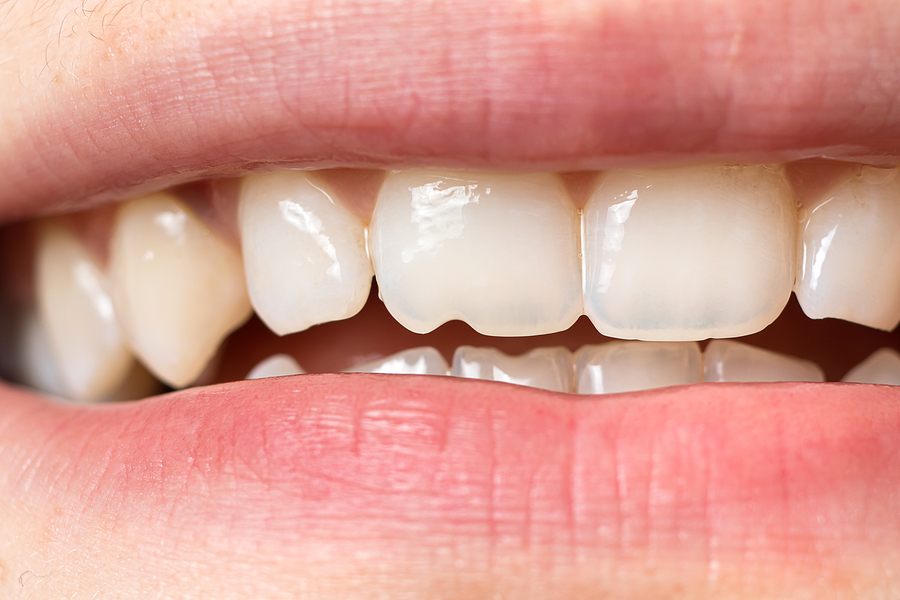
The Costly Consequences of Dental Trauma
One of the most immediate and impactful causes of a chipped tooth is direct trauma. Accidents, falls, sports injuries, or even biting down unexpectedly on a hard object can lead to instant damage. From a financial perspective, such incidents highlight the unpredictable nature of expenses and the importance of preparedness.
Unexpected Expenditures from Accidents
A chipped tooth due to trauma almost invariably requires immediate professional attention. The costs associated with repairing a chipped tooth can vary widely depending on the severity and location of the chip. A minor chip might be remedied with simple bonding, a procedure that could range from a few hundred to over a thousand dollars. However, a more significant chip, especially one exposing the pulp or requiring a crown, can quickly escalate into thousands of dollars.
- Bonding: A relatively affordable option for minor chips, involving resin application. Costs vary based on the tooth and clinic, typically $200-$600 per tooth.
- Veneers: For more visible chips, especially on front teeth, porcelain veneers offer a durable and aesthetic solution. These are significantly more expensive, often $1,000-$2,500 per tooth, representing a substantial investment.
- Crowns: If the chip is extensive or compromises the tooth’s structure, a dental crown may be necessary. Crowns can cost anywhere from $800 to $3,000 per tooth, sometimes more for specialized materials or procedures.
- Root Canal & Crown: Should the chip expose the tooth’s pulp, leading to infection or severe pain, a root canal procedure would be required prior to placing a crown. This combination can easily exceed $2,000-$4,000, presenting a significant unexpected financial burden.
These figures underscore the need for an emergency fund or robust dental insurance coverage. Without these, individuals might face difficult choices between essential treatment and other financial obligations.
The Financial Value of Protective Measures
Investing in preventative measures can yield substantial financial returns. For instance, athletes, regardless of age or skill level, should consider the mandatory use of mouthguards. A custom-fitted mouthguard, while an upfront expense of $100-$500, is a minuscule investment compared to the potential costs of repairing multiple chipped or fractured teeth, which could easily amount to thousands. Similarly, avoiding dangerous habits like using teeth to open bottles or tear packages eliminates a common cause of trauma and thus prevents potentially costly dental repairs. This proactive spending is a classic example of how a small, planned expense can avert much larger, unplanned ones.
The Gradual Erosion of Financial Security: Habits and Health Conditions
Beyond acute trauma, many chipped teeth are the result of gradual wear and tear or underlying dental health issues. These often present a different financial challenge, as they require ongoing management and strategic planning to mitigate future costs.
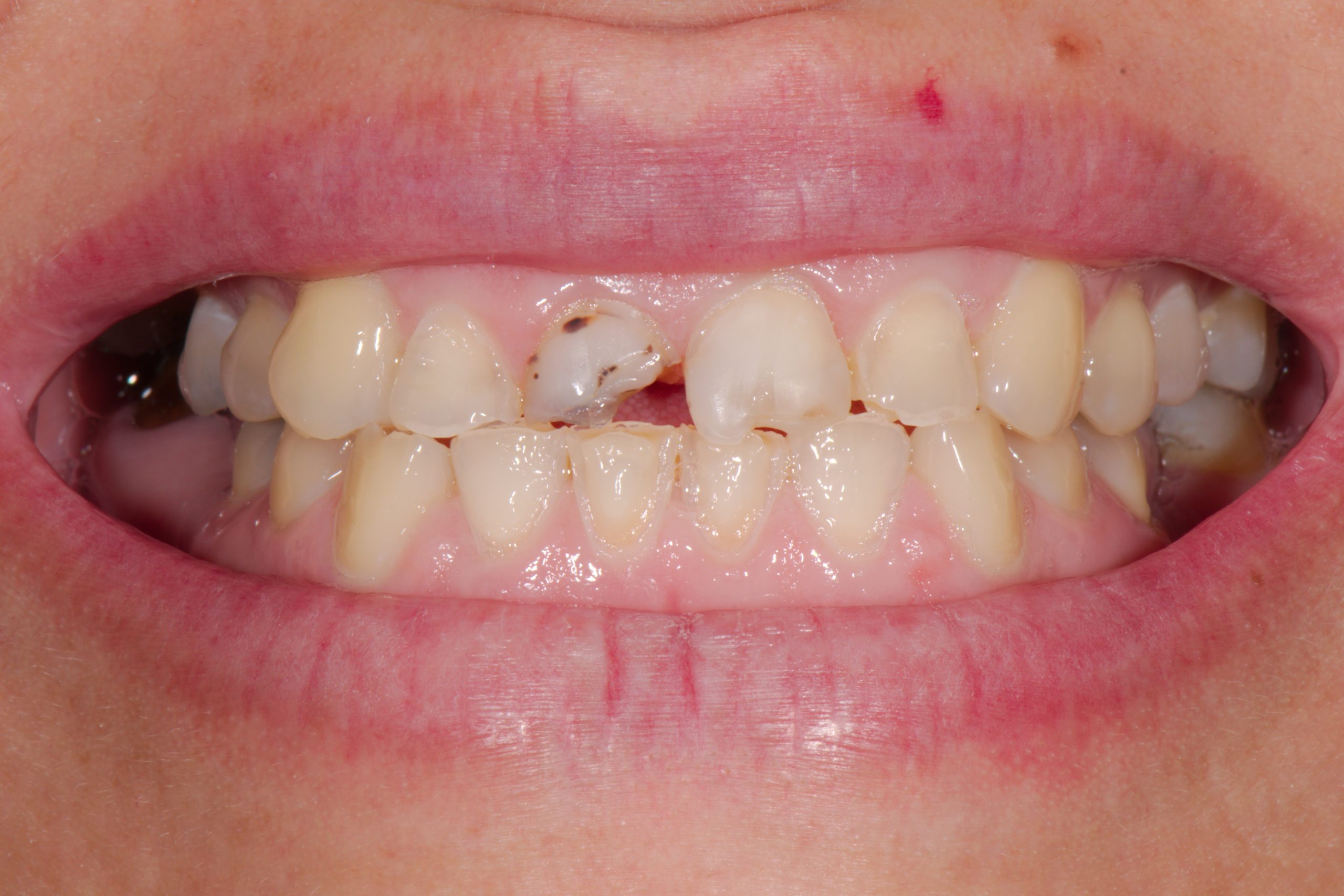
Bruxism and Its Expensive Toll
Teeth grinding (bruxism) and clenching, often stress-related or occurring during sleep, exert immense pressure on teeth. Over time, this constant force can weaken enamel, leading to chips, cracks, and fractures. The financial implications are multifaceted:
- Wear and Tear: Chronic bruxism wears down tooth surfaces, making them more susceptible to chipping from even minor impacts. This necessitates restorative procedures like bonding, veneers, or crowns as detailed above.
- Jaw Issues: Bruxism can also lead to temporomandibular joint (TMJ) disorders, which can be incredibly painful and costly to treat, involving everything from physical therapy to specialized dental appliances and, in severe cases, surgery.
- Nightguards as an Investment: The most common and financially prudent intervention for bruxism is a custom-fitted nightguard. While over-the-counter options are cheaper ($20-$50), they are less effective and often uncomfortable. A professionally made nightguard, costing $300-$800, is an upfront investment that pays dividends by protecting teeth from damage and preventing the need for far more expensive repairs down the line. It’s a clear instance of preventative spending preserving asset value – in this case, your teeth.
The Economic Burden of Oral Decay
Tooth decay, or cavities, significantly weakens the tooth structure, making it highly vulnerable to chipping. When a tooth is riddled with decay, even normal biting forces can cause a weakened section to chip away.
- Preventative Dental Hygiene: This is where the most fundamental principles of personal finance and health converge. Regular brushing, flossing, and dental check-ups are incredibly cost-effective. A toothbrush and toothpaste are minimal expenses. Dental check-ups, often covered or heavily subsidized by insurance, typically cost $50-$200 for those without insurance. These routine measures prevent decay, which if left untreated, could lead to costly fillings, root canals, crowns, or even extractions and subsequent replacements (implants or bridges), each costing hundreds to thousands of dollars.
- Dietary Choices: A diet high in sugary and acidic foods contributes to enamel erosion and decay. While perhaps not a direct financial transaction, the cumulative effect of a poor diet on dental health eventually manifests as dental bills. Choosing healthier, less acidic, and less sugary foods is a long-term financial strategy for dental health, reducing the likelihood of costly interventions.
Age-Related Factors and Financial Planning
As individuals age, teeth naturally become more brittle and susceptible to chipping due to years of wear and tear, and a lifetime of chewing. Enamel can thin, and existing fillings or restorations can weaken the tooth structure around them.
Managing the Brittleness of Aging Teeth
For older adults, the focus shifts to maintaining existing dental health and anticipating potential issues.
- Regular Dental Assessments: More frequent check-ups might be advised to monitor tooth integrity, especially around old fillings or crowns. Early detection of cracks or weakening areas can allow for less invasive and cheaper interventions (e.g., bonding or a new filling) before a full chip or fracture occurs, necessitating a crown or extraction.
- Strategic Replacements: Old, large amalgam fillings, while durable, can sometimes weaken the surrounding tooth structure over time. Discussing with a dentist whether older fillings should be replaced with newer materials, or if a crown is warranted to protect a heavily filled tooth, is a financial decision. Proactive replacement of a vulnerable filling with a crown might be a $1,000-$3,000 expense, but it could prevent a $2,000-$4,000 root canal and crown, or even a $3,000-$6,000 implant if the tooth fractures beyond repair. This exemplifies strategic financial planning for long-term health.
The Financial Implications of Dental Work History
A history of extensive dental work can also contribute to chipping. Teeth that have undergone multiple fillings, root canals, or large restorations can become compromised. The constant cycle of repair can be a significant financial drain. Understanding this history and planning for future needs is crucial.
- Dental Insurance Review: Regularly reviewing and upgrading dental insurance plans as one ages or as dental needs increase can provide a crucial financial safety net. A plan that covers a higher percentage of major restorative work becomes increasingly valuable.
- Health Savings Accounts (HSAs) and Flexible Spending Accounts (FSAs): Utilizing these tax-advantaged accounts to save for anticipated dental expenses is an intelligent financial strategy. Funds can accumulate tax-free and be used for a wide range of qualified medical and dental expenses, effectively reducing the net cost of care.
Navigating Treatment Costs and Financial Solutions
When a tooth does chip, regardless of the cause, the immediate financial challenge is to find an effective and affordable solution.

Understanding Treatment Options and Their Price Tags
As discussed, treatment options range from simple bonding to complex crowns or even implants. It is critical to obtain clear estimates and understand the long-term prognosis of each option.
- Cost-Benefit Analysis: Sometimes, the cheapest option upfront (e.g., re-bonding a repeatedly chipped tooth) may not be the most financially prudent in the long run if it fails frequently. A more durable, albeit initially more expensive, solution like a veneer or crown might offer better long-term value and fewer repeat costs.
- Payment Plans and Dental Financing: Many dental practices offer in-house payment plans, or collaborate with third-party medical financing companies (e.g., CareCredit). These options can break down large bills into manageable monthly payments, easing the immediate financial strain, though interest rates should always be carefully reviewed.
- Dental Schools: For significant procedures, dental schools often offer services at a reduced cost. While appointments may take longer, the quality of care is typically high, as it’s supervised by experienced faculty, making it a viable option for budget-conscious individuals.
In conclusion, “what causes teeth to chip” is a question with profound financial implications. From sudden traumatic events to gradual wear and tear or underlying health issues, each cause presents unique financial challenges and opportunities for preventative savings. By adopting proactive oral hygiene, making wise lifestyle choices, investing in protective gear, and strategically planning for potential dental expenses, individuals can significantly reduce the likelihood of costly dental repairs, safeguarding both their smiles and their personal finances.
aViewFromTheCave is a participant in the Amazon Services LLC Associates Program, an affiliate advertising program designed to provide a means for sites to earn advertising fees by advertising and linking to Amazon.com. Amazon, the Amazon logo, AmazonSupply, and the AmazonSupply logo are trademarks of Amazon.com, Inc. or its affiliates. As an Amazon Associate we earn affiliate commissions from qualifying purchases.